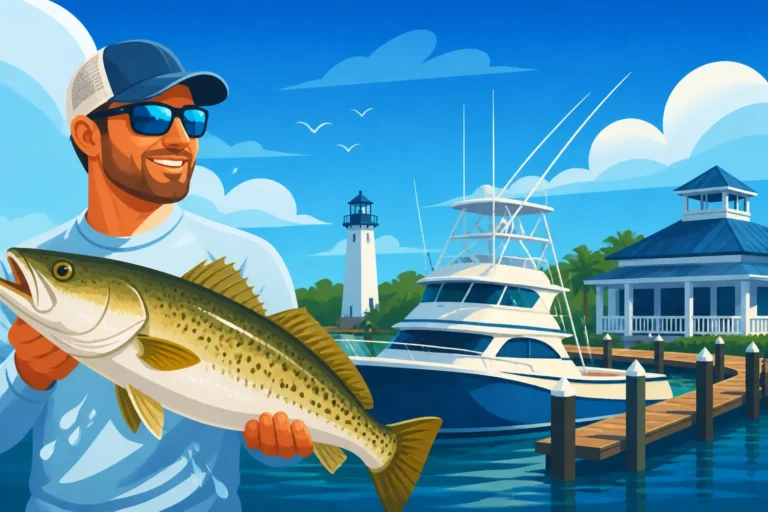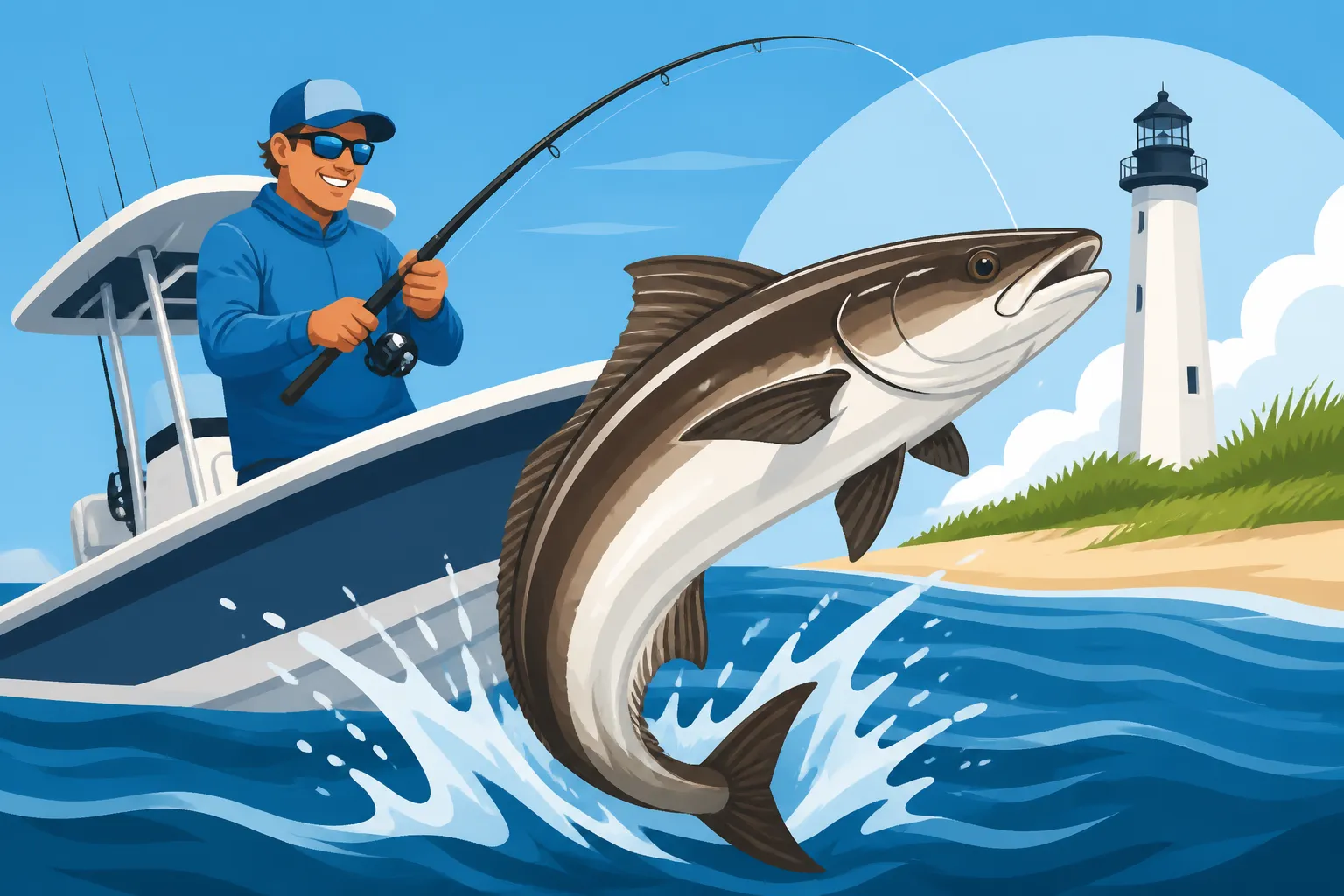
Cobia Charter Trips on the Mississippi Coast
There's nothing quite like the thrill of spotting a cobia cruising near the surface of the emerald green waters of the Mississippi Gulf Coast, or the sheer adrenaline rush when one finally hits your bait. These powerful, curious, and often elusive fish present a unique challenge and reward, but trying to track them down on your own can feel like searching for a needle in a haystack. This comprehensive guide is here to walk you through everything you need to know about booking and enjoying cobia charter trips along the Mississippi Coast, helping you turn those "fish tales" into actual catches.
Understanding Cobia on the Mississippi Coast
Cobia, often affectionately called "ling" by many local anglers, are one of the most sought-after game fish in the warm waters of the Mississippi Gulf. Their fighting spirit, impressive size, and delicious table fare make them a prime target for both seasoned anglers and newcomers alike. But to successfully target them, it helps to understand their habits and when they're around.
Cobia's Appeal: The "Crab Eater" Reputation
Cobia are truly unique. With their distinctive flattened head and long, brown body, they're often mistaken for sharks or even remoras at first glance. However, their curious nature and aggressive feeding habits set them apart. They are voracious eaters, with a particular fondness for crustaceans, which is how they earned their "crab eater" nickname. This diet contributes to their firm, flaky, and incredibly tasty white meat, making them a favorite for many coastal dinner tables.
What really makes cobia fishing exciting is their often visual nature. They frequently cruise near the surface, often around structure or baitfish schools, allowing for exhilarating sight-fishing opportunities. Imagine seeing that brown torpedo-shaped fish slowly approach your bait – it's an experience that gets your heart pumping like few others. They are powerful fighters, too, capable of long runs and deep dives, demanding respect and skill from the angler.
When and Where to Find Them: Seasonal Patterns
Cobia are migratory fish, and their presence on the Mississippi Coast is largely seasonal. Generally, the prime time to target cobia is during the spring and fall migrations. As the waters warm in spring, usually from March through May, these fish move closer to shore, following baitfish and seeking out spawning grounds. This is often considered the peak season, offering some of the best opportunities for sight fishing. As you might expect, captains are often fully booked during these crucial windows, so planning ahead is key. You can learn more about their movements in When Cobia Migrate Past the Mississippi Coast.
While spring is often highlighted, you can still find cobia throughout the summer months, though they might be in deeper waters or around offshore structures. They tend to congregate around anything that provides cover or holds bait, such as artificial reefs, wrecks, channel markers, oil rigs, and even floating debris. The fall migration, typically from September through November, sees another surge of activity as they move south for the colder months, presenting another excellent window for anglers.
Identifying Cobia and Their Unique Habits
Being able to properly identify a cobia is pretty straightforward once you've seen one. Their most notable feature is their long, slender body, dark brown on top and whitish on the belly, with a broad, flat head. Young cobia often have distinct stripes along their sides, which fade as they mature. They can grow to impressive sizes, with many fish caught in the 20 to 50-pound range, and larger specimens pushing well over 100 pounds. Understanding Cobia Size on the Mississippi Coast can help set realistic expectations.
Cobia are known for their curiosity and willingness to investigate unusual disturbances, which can be an advantage for anglers. They often swim alone or in small groups and have a habit of shadowing larger fish, sharks, or even turtles. This "shadowing" behavior means that if you spot a shark or a big ray, there might be a cobia lurking nearby, ready to ambush prey or a well-placed bait. This unique habit makes the constant vigilance of an experienced charter captain invaluable for spotting these elusive fish.
Why Choose a Cobia Charter
For many anglers, the thought of chasing after a magnificent cobia is a dream. However, the reality of locating these fish, understanding their behavior, and having the right equipment can be quite daunting. This is precisely where a dedicated cobia charter trip shines, providing unparalleled advantages that dramatically increase your chances of success and enjoyment.
Expertise and Equipment Advantage
Let's face it, fishing isn't just about dropping a line in the water; it's about knowing where to drop it, when, and with what. Cobia fishing, especially for the larger, migrating fish, requires specialized knowledge and gear that most recreational anglers simply don't possess. Charter captains on the Mississippi Coast are not just fishermen; they are seasoned professionals who have spent countless hours on the water, meticulously tracking cobia movements, understanding local currents, and identifying key structures where these fish congregate. They live and breathe cobia.
Furthermore, a quality charter provides all the necessary, high-end equipment tailored specifically for landing these powerful fish. This includes heavy-duty rods and reels capable of handling the intense fight, specialized lines, and a wide array of baits and lures proven effective for cobia. You won't have to worry about whether your tackle is up to the task or if you brought the right kind of bait. They've got it covered, ensuring you're ready for whatever the ocean throws your way. Trying to piece together this gear on your own can be an expensive and frustrating endeavor, often leading to missed opportunities when that trophy cobia finally shows up.
Safety and Local Knowledge
The open waters of the Mississippi Sound and Gulf can be unpredictable. Weather can change quickly, currents can be strong, and navigating unfamiliar waters, especially around hidden structures, requires intimate local knowledge. A licensed charter captain prioritizes your safety above all else. They are equipped with all the necessary safety gear, from life jackets to first-aid supplies, and are trained in marine safety procedures. They also continuously monitor weather patterns and sea conditions, making informed decisions about where and when it's safe to fish.
Beyond safety, their local knowledge is a game-changer. These captains know the hidden wrecks, the specific channel markers, the subtle changes in bottom contour, and the baitfish migrations that attract cobia. They understand how different tides, wind directions, and water temperatures influence cobia behavior. This isn't information you can just look up on an app; it's gained through years of experience on these specific waters. This local wisdom allows them to put you on fish when others might be struggling, transforming a potentially frustrating day into a memorable one.
Maximizing Your Chances for Success
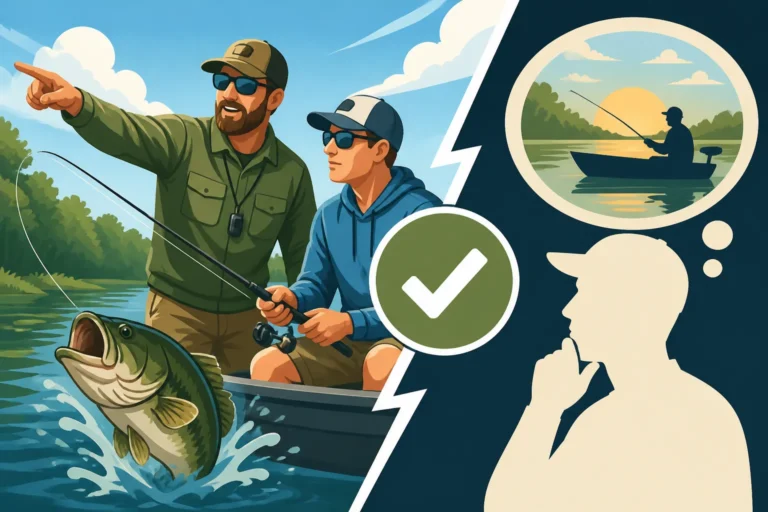
Ultimately, the goal of any fishing trip is to catch fish, and a cobia charter is designed to maximize that potential. When you book a charter, you're not just renting a boat; you're hiring an experienced guide dedicated to helping you land a cobia. They'll teach you the specific techniques, help you spot fish, and provide real-time advice on how to present your bait or lure for the best chance of a strike. This personalized guidance is invaluable, especially for beginners or those new to cobia fishing.
Moreover, reputable charter operators handle all the necessary permits and sometimes even provide the fishing licenses needed for everyone on board, taking away another layer of complexity for you. While it's always good practice to check with your chosen charter about their policy, many Gulf Coast charters simplify the process. This means you can focus entirely on the excitement of the chase. Getting out on the water with a pro means less time fumbling with gear or trying to find fish, and more time actually fishing and making those unforgettable memories.
What to Expect on a Cobia Charter Trip
So, you’ve decided to book a cobia charter – fantastic! Now you might be wondering what a typical day out on the water looks like and what you need to do to prepare. Understanding the flow of the trip and what's expected of both you and the charter can help ensure a smooth and enjoyable experience.
Typical Day on the Water
Your cobia charter trip usually starts bright and early at the marina. You'll meet your captain and crew, get a brief rundown of the day's plan, and load your personal belongings onto the boat. After a safety briefing, you'll head out, often passing through the beautiful Mississippi Sound before reaching the more open waters where cobia are targeted. Depending on the captain's strategy and the day's conditions, you might be cruising slowly, sight fishing for cruising cobia around buoys or floating debris, or anchoring up near a wreck or reef and bottom fishing with live bait.
The excitement often builds with a shout of "Cobia!" as someone spots a fish. Then it's a quick cast, a tense wait, and hopefully, the exhilarating battle of reeling in a powerful cobia. Throughout the day, your captain and crew will be working hard – driving the boat, spotting fish, re-rigging lines, and offering expert advice. Lunch breaks might be informal, often consisting of snacks and sandwiches you've brought along, enjoyed while still on the water. The duration of the trip can vary, from half-day excursions of around 4-6 hours to full-day adventures lasting 8-10 hours, depending on your booking. By the end of the trip, you'll head back to the dock, tired but hopefully triumphant, with stories and maybe some fresh fillets to take home.
What Charters Provide
One of the major benefits of a charter trip is that the captain provides almost everything you need for a successful day of fishing. This typically includes:
- Rods and Reels: High-quality, properly maintained gear suitable for battling strong cobia.
- Bait and Lures: A variety of live bait (like eels, crabs, or shad) and artificial lures that are known cobia attractants.
- Tackle: All the hooks, weights, leaders, and other terminal tackle necessary.
- Safety Equipment: Life jackets for all passengers (including children), first-aid kits, communication devices, and other essential safety gear.
- Fuel: The cost of fuel for the boat is generally included in the charter price.
- Guidance and Expertise: Most importantly, you get the captain's invaluable knowledge, experience, and dedication to finding fish.
Many charters also cover the necessary Mississippi Fishing License Guide for everyone on board, particularly for recreational trips. This means you typically don't need to purchase a separate license yourself, simplifying the preparation process considerably. However, it's always a good idea to confirm this detail when booking your trip to avoid any surprises.
What Anglers Should Bring
Even though charters provide most of the fishing essentials, there are definitely a few items you'll want to bring to make your trip more comfortable and enjoyable. Think of it as preparing for a day outdoors on the water, where conditions can change rapidly. Here’s a list of typical recommendations:
| Category | Essential Items | Recommended Items | Notes |
|---|---|---|---|
| Personal Care | Sunscreen (non-spray, reef-safe preferred) | Hat (wide-brimmed is best) | Protect yourself from the strong Mississippi sun. |
| Polarized Sunglasses | Lip balm with SPF | Crucial for spotting fish and reducing glare. | |
| Motion Sickness Medication (if needed) | Small, soft-sided cooler (for personal drinks/snacks) | Take before you board, if you're prone to seasickness. | |
| Clothing | Layered clothing (dries quickly) | Rain gear (lightweight jacket/pants) | Even on sunny days, wind can be cool; pop-up showers happen. |
| Non-slip, closed-toe shoes | Change of clothes (for after the trip) | Safety first on a wet deck. | |
| Food & Drink | Water and other non-alcoholic beverages | Snacks and sandwiches | Stay hydrated and energized; charter typically doesn't provide food. |
| Other | Camera (waterproof if possible) | Small towel | Capture those memorable moments. |
| Cash for tipping (see Tipping Etiquette for Mississippi Fishing Guides) | An important part of charter etiquette. |
It’s generally a good idea to pack light, as boat space can be limited. Avoid bringing unnecessary valuables that could get damaged by water or sun. Always check with your specific charter captain about any particular items they recommend or prohibit on board.
Booking Your Cobia Charter
Booking the right cobia charter is key to a successful and memorable trip. With various options available along the Mississippi Coast, knowing how to choose a reputable captain and understanding the booking process can save you a lot of hassle and ensure you get the experience you're hoping for.
Finding Reputable Captains and Boats
The Mississippi Gulf Coast boasts a fantastic community of experienced charter captains, but not all specialize in cobia. To find the best fit, start by doing your homework. Online platforms are a great place to begin your search. Websites like FishingBooker allow you to browse numerous local charters, read reviews from past clients, and compare different boats and captains. These platforms often highlight captains' specialties, so you can specifically look for those with a strong track record for Cobia Fishing on the Mississippi Coast.
Beyond online listings, word-of-mouth recommendations are incredibly valuable. Ask fellow anglers, local tackle shop owners, or even hotel staff for their suggestions. A captain with a long-standing reputation for professionalism, safety, and consistent catches is usually a good bet. Look for captains who are passionate about cobia and have boats well-equipped for offshore or nearshore fishing, as cobia can be found in a range of habitats. You’ll want to ensure their vessel is clean, well-maintained, and has all the necessary safety certifications.
Understanding Charter Trip Lengths and Costs
Cobia charter trips typically come in a few standard durations: half-day (4-6 hours), three-quarter day (6-7 hours), and full-day (8-10 hours). For targeting a specific species like cobia, especially during peak migration, a full-day or at least a three-quarter day trip is often recommended. This gives the captain ample time to locate fish, move between spots, and allow for a good number of fishing opportunities. Shorter trips can be fun, but the extra time often pays off when targeting migratory and sometimes elusive fish like cobia.
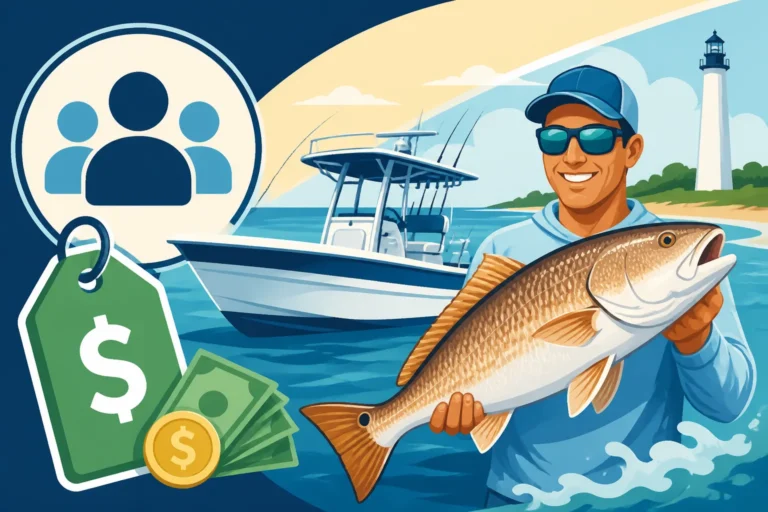
When it comes to cost, specific prices will vary widely based on the duration of the trip, the size and amenities of the boat, the experience of the captain, and current fuel prices. Generally, you can expect to pay a single flat rate for the entire boat, regardless of the number of anglers (up to the boat's capacity). This means that splitting the cost among a group of friends or family can make it quite affordable per person. Always confirm what is included in the price – such as bait, tackle, and fishing licenses – and be clear about any additional fees upfront. Don't be shy about discussing these details; a good captain will be transparent.
Key Questions to Ask Before Booking
Before you commit to a booking, having a list of questions ready will help clarify expectations and ensure you're choosing the right charter for your cobia adventure. Don't feel like you're bothering them; a professional captain will appreciate your thoroughness.
Here are some essential questions:
- "What's your success rate for cobia during the time I'm looking to book?" (Manage expectations, no guarantees, but general success helps).
- "What fishing techniques do you primarily use for cobia?" (Sight fishing, bottom fishing, trolling).
- "What kind of bait and tackle do you provide for cobia fishing?"
- "Is the fishing license included for all passengers?" This is crucial, as mentioned in Does a Mississippi Fishing Charter Include the License?.
- "What is your cancellation policy, especially for bad weather?" This is very important for planning, as conditions on the Gulf Coast can change rapidly.
- "What should we bring with us for the trip?" (Get their specific recommendations).
- "What is the maximum number of people your boat can comfortably accommodate for a cobia trip?"
- "Do you clean and bag the fish for us at the end of the trip?"
- "What are your recommendations for Best Season to Book a Gulf Coast Charter for cobia?"
A good captain will happily answer all your questions, making you feel confident and excited about your upcoming trip. When you're ready to proceed, booking platforms like FishingBooker provide a streamlined process, often allowing you to secure your date with a deposit. For a more general overview, check out How to Book a Mississippi Fishing Charter.
Fishing Techniques and Gear Used by Charters
Cobia are unique in their behavior and the methods used to catch them. Charter captains on the Mississippi Coast employ specific techniques and utilize specialized gear to maximize their chances of success, providing an exciting and effective angling experience for their clients.
Sight Fishing and Spotting Cobia
One of the most thrilling aspects of cobia fishing is sight fishing. This technique involves actively looking for cobia cruising near the surface, often around distinct structures or objects. From the elevated position of a boat's tower or even the gunwales, an experienced captain and crew will scan the water for any signs of these brown, torpedo-shaped fish. They might be swimming near buoys, channel markers, artificial reefs, wrecks, or even large rays and sharks. The clear waters of the Gulf Coast during calm days offer prime conditions for this.
Once a cobia is spotted, the captain maneuvers the boat to get within casting range, and an angler quickly casts a live bait or artificial lure directly in front of the fish. The immediate reaction of a cobia to a well-placed bait can be electrifying, leading to a visible chase and strike. This method requires sharp eyesight, quick reactions, and precise casting, all skills that your charter captain and crew will help you hone. They know the subtle movements of the fish and how to present the bait to trigger a strike, which can be the difference between a memorable catch and a missed opportunity.
Bait and Lure Choices
Cobia are opportunistic feeders, but they do have their favorites, which charter captains leverage to great effect. Live bait is often the king for cobia, especially during sight-fishing scenarios. Crabs, particularly blue crabs, are a top choice given cobia's "crab eater" reputation. Other effective live baits include eels, small pilchards, mullet, or pinfish. The lively movement of a live bait is often irresistible to a hungry cobia.
When live bait isn't available or for different fishing scenarios, a variety of artificial lures can also be highly productive. Large bucktail jigs, often tipped with a piece of cut bait or a soft plastic trailer, are a go-to for many captains. These can be cast at sighted fish or jigged near structure. Topwater plugs and large soft plastics that imitate baitfish can also draw aggressive strikes. The captain will have a well-stocked tackle box with proven baits and lures, knowing exactly what's working best on any given day.
Rods, Reels, and Line for Cobia
Given their powerful fights, cobia require stout tackle to bring them to the boat. Charter captains will equip you with the right setup to handle these beasts. Typically, this involves heavy-action spinning rods or conventional rods, paired with robust reels spooled with strong braided line, usually in the 50-80 pound test range. The braided line offers superior strength and sensitivity, allowing anglers to feel subtle bites and withstand powerful runs.
Attached to the main line will be a heavy monofilament or fluorocarbon leader, typically 60-100 pound test, which provides abrasion resistance against the cobia's rough mouth and any underwater structure. The choice of hook will depend on the bait, but it will always be a strong, sharp, and appropriately sized circle hook (especially when using live bait to promote jaw hooking and easier release if desired) or J-hook. The entire setup is designed to absorb the shock of a powerful strike and endure a prolonged fight, ensuring that when you hook into a cobia, you have the best chance of landing it.
Post-Trip Considerations
The fishing doesn't quite end when the boat docks. There are a few important considerations once you've returned from your cobia charter trip, from handling your prized catch to showing appreciation for your captain and crew.
Handling Your Catch: From Hook to Cooler
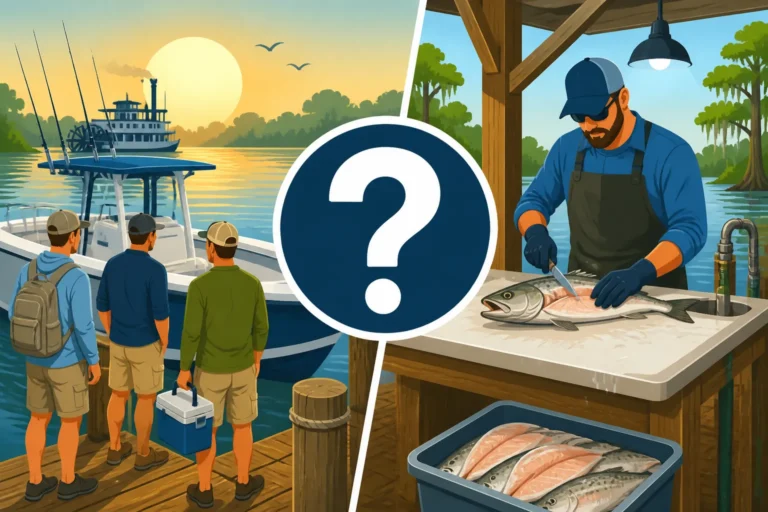
Once a cobia is successfully brought aboard, your captain or mate will typically handle the process of dispatching and placing the fish on ice. Proper immediate care is crucial to preserve the quality of the meat. A quick, humane dispatch followed by immediate chilling in an iced cooler prevents spoilage and ensures the fillets you take home are in prime condition. Cobia are substantial fish, and they can be quite a handful, so leaving this to the experienced crew is wise.
It's important to be aware of Mississippi Cobia Fishing Regulations, including daily creel limits and minimum size requirements. Your captain will always adhere to these rules, ensuring that only legal fish are kept. If you catch a fish that doesn't meet the regulations, or if you simply wish to release it, your captain will guide you on how to do so safely to minimize stress to the fish and maximize its chances of survival. This practice ensures sustainable fishing for future generations.
Filleting and Preparing Cobia
After the trip, many charters offer the convenience of filleting and bagging your catch right at the dock. This is a common service, and while some charters include it in the trip price, others may charge a small additional fee. Always confirm this when booking or ask your captain before heading out. Having your fish expertly filleted means you don't have to deal with the messy job at home, and you get perfect, boneless portions ready for cooking.
Cobia is celebrated for its firm, white, and flavorful meat, making it incredibly versatile in the kitchen. It can be grilled, baked, pan-fried, or even smoked. Its robust texture holds up well to various cooking methods and seasonings. Taking home fresh cobia fillets is one of the ultimate rewards of a successful charter trip, providing a delicious meal to share with family and friends and relive the day's excitement.
Tipping Your Captain and Crew
Just like in other service industries, tipping your fishing charter captain and crew is customary and highly appreciated on the Mississippi Coast. These professionals work incredibly hard, often starting their day hours before you arrive and finishing long after you leave, to ensure you have a safe, fun, and successful trip. They maintain expensive equipment, fuel the boat, clean up, and put their extensive knowledge to work for you.
A general guideline for tipping is typically 15-20% of the total charter price, assuming you had a good experience. If the crew went above and beyond, a higher tip is certainly warranted. You can give the tip directly to the captain, who will then typically split it with the mate. It's a tangible way to express your gratitude for their hard work and dedication. Make sure to bring cash for this purpose, as it's often preferred. For more detailed insights, refer to Tipping Etiquette for Mississippi Fishing Guides.
Disclaimer
This article is for general informational purposes only and does not constitute professional advice. Laws, prices and regulations vary by location and change over time. Consult a qualified professional for guidance on your specific situation.