Is It Legal to Catch Your Own Bait Fish in Mississippi?
It’s a common scenario for many of us who love to fish in Mississippi: you’re out on the water, maybe fishing a quiet creek or a bayou, and you see a school of baitfish flickering just under the surface. Immediately, the thought crosses your mind – "Can I just catch these guys and use them as bait? Or do I need a special license or gear?" The truth is, navigating the rules around catching your own bait fish can feel like trying to untangle a knot in your fishing line, but understanding these regulations is crucial for a smooth and legal fishing trip. This guide will cut through the confusion and explain exactly what you can and can’t do when it comes to harvesting your own bait in the Magnolia State.
The Basics of Bait Fish Regulations in Mississippi
Fishing regulations are put in place for a lot of good reasons, and when it comes to bait fish, it’s no different. It's not just about what you can catch, but why those rules exist and how they help protect our precious aquatic ecosystems.
Why Regulations Exist
You might wonder why the Mississippi Department of Wildlife, Fisheries, and Parks (MDWFP) cares if you net a few minnows from a local pond. Well, it's about much more than just a few minnows. These regulations are primarily designed to prevent the spread of aquatic invasive species and diseases. Imagine unknowingly scooping up some undesirable plant fragments or microscopic organisms along with your bait fish, then releasing them into a different body of water. That seemingly innocent act could introduce a non-native species that outcompetes native fish, disrupts the food chain, or spreads a devastating disease, harming the delicate balance of our lakes and rivers. This is why strict rules on bait acquisition, transport, and disposal are so important. It’s all about being good stewards of our natural resources, ensuring healthy fish populations for generations to come.
General Rules for Recreational Anglers
For the typical recreational angler looking to catch their own bait, the primary rule of thumb is that you generally need a valid Mississippi Fishing License Guide. This applies whether you're fishing for game fish or for the critters you intend to use as bait. Think of it like a broad umbrella covering all your fishing activities. Beyond the license, the methods you can use are also regulated. You can’t just use any means to collect bait. The state specifies legal gear, such as cast nets, minnow traps, and small seines, and even sets limits on their size and how they can be deployed. These rules are in place to ensure fair harvest practices and prevent overfishing of bait populations, which are a vital part of the food web for larger game fish. For specific details on what you can and cannot use, always refer to the latest Mississippi Fishing Regulations Explained published by the MDWFP.
What Constitutes "Bait Fish"
When we talk about "bait fish," it's not a single, catch-all term. In Mississippi, it generally refers to small fish species that are not considered game fish and are commonly used to attract larger predators. Common examples in freshwater include shad, various minnow species, and sometimes small sunfish (bream) if they meet specific size and species criteria. However, it’s critical to understand that not just any small fish can be classified as bait fish for personal harvest. There are often size restrictions, and critically, protected species or juvenile game fish are never considered legal bait. For instance, you can't just catch small bass or crappie to use as live bait for larger fish; those are game fish with their own strict Mississippi Fishing Creel and Size Limits. Understanding the distinction between legal bait species and juvenile game fish is paramount to avoid fines and ensure you're fishing responsibly. The MDWFP provides clear guidelines on Bait Fish Native to Mississippi Lakes that are acceptable for use.
Legal Methods for Harvesting Your Own Bait
The methods you employ to catch your bait are just as important as the type of bait you’re targeting. Mississippi has specific guidelines to ensure sustainable and ethical harvesting practices.
Cast Nets, Seines, and Traps
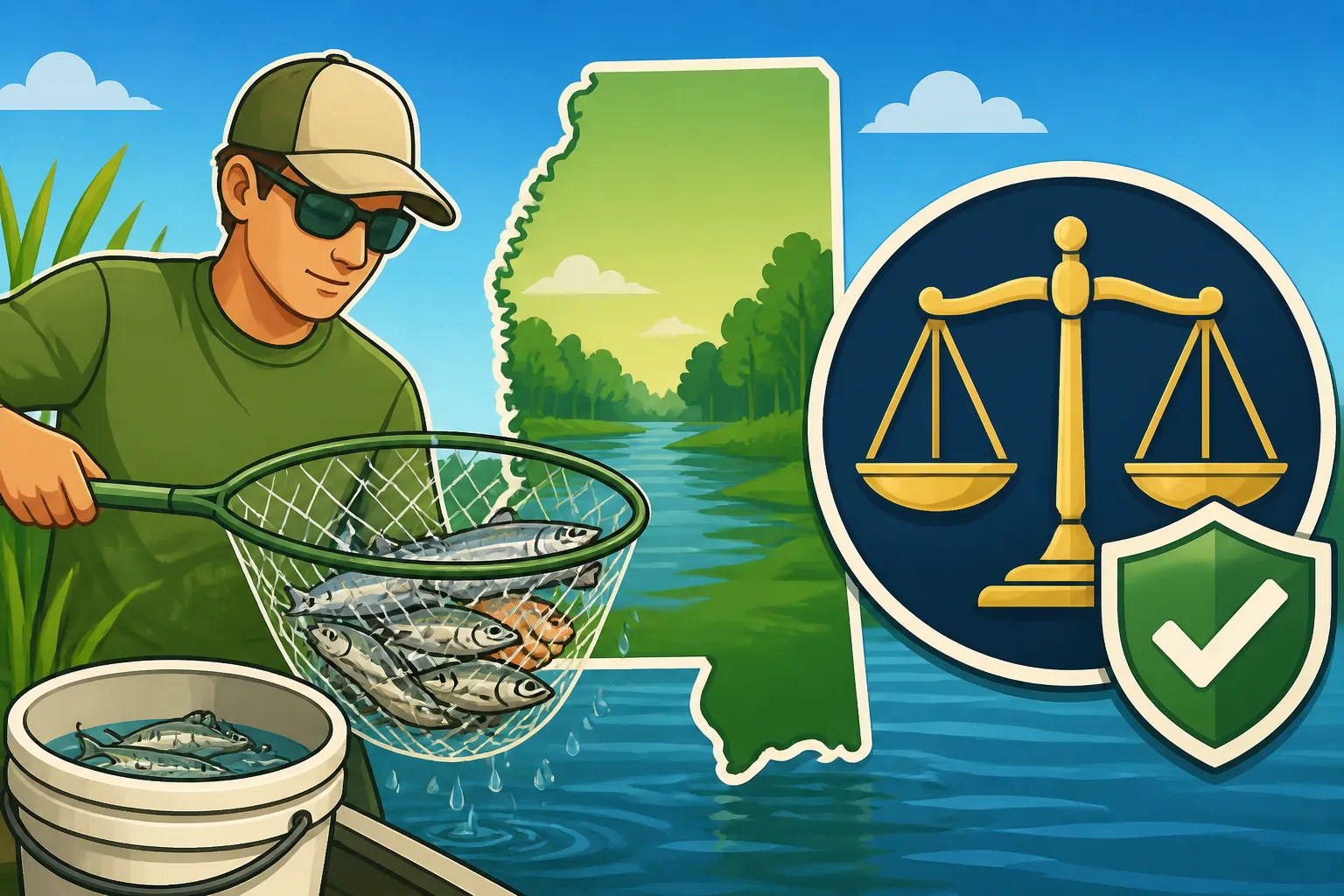
These are some of the most common and effective tools for catching bait fish. However, each comes with its own set of rules. For instance, cast nets are popular for quickly gathering schooling bait fish like shad. In Mississippi, there are often regulations on the maximum diameter of the cast net you can use. Larger nets might be considered commercial gear, or they could simply be too effective, leading to overharvest. Similarly, seines, which are long nets used to encircle fish, typically have restrictions on their length and mesh size. These limitations prevent anglers from netting an excessive amount of bait or accidentally catching larger, non-target species. Minnow traps are another excellent option, often baited with bread or corn and left to soak. These traps also have size limits and often rules about how many you can deploy at one time. When purchasing gear like a cast net or minnow trap, remember to check that its dimensions comply with current Mississippi regulations before you head out. You can find a good selection of regulation-compliant gear on platforms like Amazon.
When using any of these methods, particularly seines and cast nets, it's essential to be mindful of where you're deploying them. Some areas, like designated swimming zones or around boat ramps, might have local restrictions against netting. Always check local ordinances in addition to statewide regulations to ensure you're fishing legally. Understanding these nuances helps protect both fish populations and recreational areas.
Rod and Reel for Bait
Sometimes, the simplest method is the best. Using a rod and reel to catch smaller fish for bait is perfectly legal, provided you adhere to all applicable fishing license and species regulations. This might involve targeting specific species like small bream or sunfish. If you’re using a rod and reel, you still need your general Mississippi Fishing License Guide, and any fish you catch, even if intended for bait, must comply with the creel and size limits for that particular species. For example, if you're catching small bluegill to use as cut bait, you must still ensure they are of legal size and that you haven't exceeded the daily bag limit for bream.
Many anglers find joy in catching bait this way, as it can be a relaxing precursor to a main fishing trip. It also gives you more control over the specific size and type of bait you acquire. Just remember that if you're using game fish as bait, even small ones, it often falls under specific Mississippi Freshwater Fishing Rules that typically prohibit it, or at least heavily restrict it. Always err on the side of caution and double-check before you put a game fish on your hook as bait.
Prohibited Methods and Areas
Just as there are legal ways to catch bait, there are definitely illegal ones. Mississippi is strict about methods that could harm fish populations, damage the environment, or lead to unethical practices. For example, using explosives or chemicals to stun or kill fish is absolutely forbidden, and the penalties for such actions are severe. These methods are not only illegal but incredibly destructive to the ecosystem, indiscriminately killing fish and other aquatic life. Another common question revolves around Mississippi Trotline and Jug Fishing Rules – while these are legal for certain species and under specific conditions, they aren't typically used for harvesting small baitfish and have their own distinct regulations.
Beyond methods, certain areas might be off-limits for bait collection. This could include fish hatcheries, private ponds without permission, or specific conservation zones where disturbing the ecosystem is prohibited. It's always your responsibility as an angler to know where you are and what regulations apply to that specific body of water. A quick check of the MDWFP website or a local fishing guide can save you a lot of trouble and potential fines. Respecting these boundaries is crucial for maintaining healthy and sustainable fisheries throughout the state.
Species-Specific Considerations for Bait Fish
Not all bait fish are created equal, and neither are the rules governing their collection. Different species have different habitats, vulnerabilities, and regulatory frameworks.
Common Freshwater Bait Species and Their Rules
In Mississippi’s freshwater systems, a few species reign supreme as popular bait choices. Shad (both gizzard and threadfin) are often at the top of the list, especially for targeting larger game fish like bass and catfish. Anglers often use cast nets to catch shad, particularly during cooler months when they school up. Understanding What a Gizzard Shad Is Used For and How to Identify a Threadfin Shad is helpful, as their presence can indicate prime fishing spots. Minnows, encompassing various small cyprinid species, are another staple. They’re often caught with small minnow traps or very fine-mesh seines. Generally, there are no size limits on minnows for bait, but quantity limits might apply to prevent overharvest.
Sunfish, often generically called bream, can also be used as bait, but this is where it gets a little trickier. While small bream can be effective bait for catfish and large bass, they are considered game fish. This means if you use a rod and reel to catch them for bait, you must adhere to the Mississippi Bream and Bluegill Limit, including any size restrictions. You can't just catch a bucketful of undersized bream for bait without facing potential penalties. The rule of thumb is: if it's a game fish, it likely falls under specific bag and size limits, even if you intend to use it as bait. This is a common point of confusion for many anglers, so always verify the regulations for the specific bream species you intend to use.
Saltwater Bait Species and Their Specifics
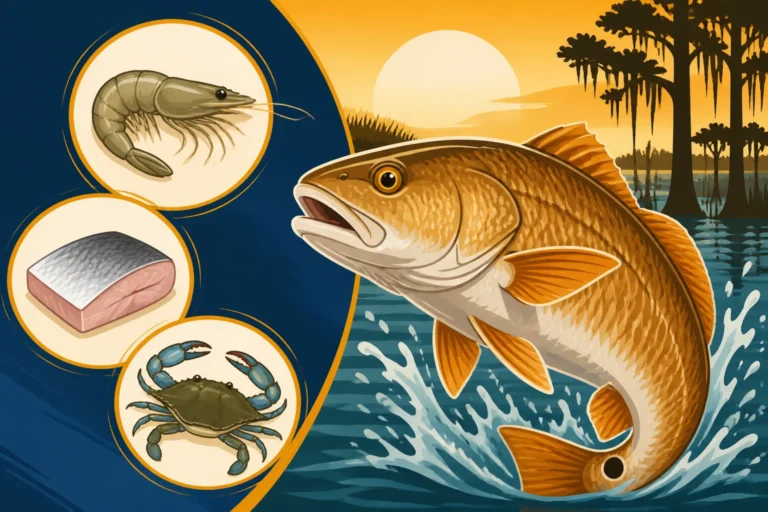
When you head to the Gulf Coast for some saltwater action, the bait game changes significantly. Common saltwater bait includes live shrimp, various species of mullet, pinfish, croakers, and fiddler crabs. Many of these can be caught with cast nets, particularly shrimp and mullet in shallow bays and along the shorelines. Again, cast net size restrictions usually apply here as well. For those targeting species like speckled trout and redfish, having fresh, lively bait can make all the difference. While many anglers opt to purchase live bait from local bait shops, catching your own offers a certain satisfaction and can save money.
It’s crucial to remember that saltwater environments can have additional layers of regulation, sometimes involving federal laws if you venture far offshore. For inshore bait collection, the general Mississippi Saltwater Fishing License Guide is required. Also, certain species might have seasonal closures or specific collection methods that are either prohibited or permitted only for commercial fishermen. For instance, using a trawl net for shrimp might be legal commercially but not for recreational bait collection. Always consult the MDWFP's saltwater regulations specifically, which can be different from freshwater rules, to ensure compliance.
Using Game Fish as Bait
This is a frequently asked question and a common source of confusion. Can you use a small bass or crappie you caught as bait for a bigger fish? Generally speaking, no, and it’s a rule designed to protect game fish populations. In Mississippi, game fish (like bass, crappie, catfish, and bream) that are caught by legal means must adhere to specific bag and size limits. Even if you catch a small game fish that meets the minimum length and is within your daily creel limit, using it as live bait for another fish is often prohibited or at least heavily discouraged.
The intent behind these rules is to manage game fish populations sustainably. If anglers were allowed to catch and use game fish as bait freely, it could put undue pressure on juvenile fish stocks and lead to overharvest. There might be rare exceptions or specific conditions for using parts of legally harvested game fish as cut bait, but using live, whole game fish as bait is typically a no-go. When in doubt, stick to non-game bait fish or commercially available bait. It’s always safer to err on the side of caution to protect our valuable game fish resources and avoid potential penalties. Can You Use Live Bluegill as Bait in Mississippi? is a question often posed, and the answer is usually complex and often leans towards restriction for good reason.
Practical Tips and Best Practices for Bait Anglers
Catching your own bait is a rewarding experience, but it’s crucial to do it responsibly and effectively. A little planning goes a long way in ensuring your bait stays lively and that you’re adhering to all environmental guidelines.
Transporting and Keeping Live Bait
Successfully catching bait is only half the battle; keeping it alive and lively is essential for effective fishing. The biggest enemy of live bait is often a lack of oxygen and improper water temperature. When transporting bait, invest in a quality bait bucket or livewell. Many anglers swear by portable aerators, readily available on sites like Amazon, which keep the water oxygenated during transit and while you're fishing. Using the same water from where you caught the bait, if possible, can help reduce stress on the fish. Avoid overcrowding your bait container, as this quickly depletes oxygen and can lead to ammonia buildup, which is toxic to fish.
Temperature control is also vital. During hot Mississippi summers, bait water can quickly overheat, killing your precious minnows or shad. Consider adding a frozen water bottle (not ice directly, which can shock fish or contain harmful chemicals) to slowly cool the water. When you reach your fishing spot, keep the bait bucket in the shade or partially submerged in the lake water to maintain a stable temperature. A healthy, energetic bait fish is far more attractive to a hungry game fish than a sluggish or dying one.
Avoiding Common Mistakes
One of the most frequent mistakes anglers make is not checking current regulations. Rules can change, and what was legal last year might not be this year. Always consult the most recent MDWFP guide before heading out. Another common error is using bait from one body of water in another. This is a huge no-no due to the risk of spreading invasive species and diseases. For example, if you catch minnows in a pond and then take them to a state lake, you could be introducing harmful elements. It's best practice to either use bait from the same water body you're fishing in, or to use commercially purchased bait that is certified disease-free.
Overharvesting is another issue. Just because you can catch a hundred minnows doesn't mean you should. Take only what you need for your trip to ensure sustainable bait populations for others and for the ecosystem. Lastly, don't discard unused live bait into the water when you’re done fishing, especially if it came from a different source. Dispose of it properly on land or freeze it for future use as cut bait.
Environmental Responsibility
Being an environmentally responsible angler means more than just following the rules; it means actively contributing to the health of our waterways. When catching your own bait, think about the impact you’re having. Use cast nets and seines with mesh sizes appropriate to avoid catching an excessive amount of very small, immature fish that aren't suitable for bait, allowing them to grow. If you accidentally catch non-target species or undersized game fish, release them quickly and gently back into the water to minimize stress and injury.
Consider the habitat you’re fishing in. Avoid dragging seines through sensitive aquatic vegetation beds or spawning areas. Our actions, no matter how small they seem, collectively influence the health of Mississippi's fisheries. By being mindful and respectful of the environment, we ensure that the joy of catching our own bait and the thrill of fishing can be experienced by generations of anglers to come.
Mississippi Bait Fish Collection Guidelines
Here’s a quick overview of some common bait fish species and general collection methods permitted in Mississippi, keeping in mind specific regulations can vary.
| Bait Fish Species Group | Common Collection Method | General Rule/Consideration |
|---|---|---|
| Shad (Gizzard, Threadfin) | Cast Net | Often caught in large schools. Max cast net diameter rules apply. |
| Minnows (Various spp.) | Minnow Trap, Cast Net, Small Seine | Legal year-round with license. Size/quantity limits may apply for individual species. |
| Sunfish/Bream (Small) | Rod and Reel | Must adhere to game fish Mississippi Bream and Bluegill Limit, including size/bag limits. |
| Mullet | Cast Net, Seine | Popular saltwater bait. Max cast net/seine size rules apply. |
| Shrimp | Cast Net, Small Seine, Hand Net | Popular saltwater bait. Seasons and specific method restrictions may apply. |
| Pinfish/Croaker | Cast Net, Small Trap, Rod and Reel | Common saltwater bait. No specific size limits for bait, but harvest limits apply. |
Please remember this table provides general information. Always consult the official Mississippi Department of Wildlife, Fisheries, and Parks regulations for the most current and specific rules before collecting any bait fish.
Disclaimer
This article is for general informational purposes only and does not constitute professional advice. Laws, prices and regulations vary by location and change over time. Consult a qualified professional for guidance on your specific situation.