Rarest Fish Found in Mississippi Waters
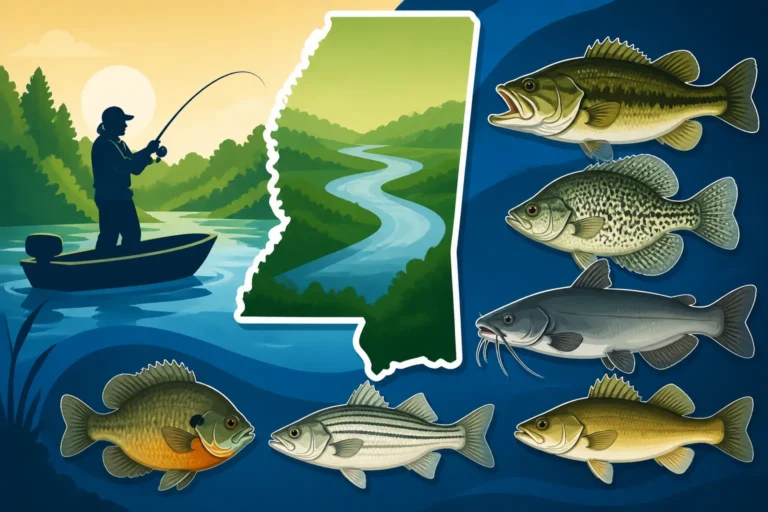
There's a special kind of thrill that comes with fishing the waters of Mississippi, isn't there? Most of us are out there chasing those familiar species – the hard-fighting largemouth bass, the schooling crappie, or the tenacious catfish. We know what to expect, and we love the challenge. But every once in a while, something utterly unexpected tugs on the line, leaving us wondering, "What was that?" This guide is all about those moments, diving deep into the truly rare fish found in Mississippi waters, what makes them so special, and what to do if you're lucky enough to encounter one.
More Than Just a Tale: What "Rare" Really Means in Mississippi Fishing
When we talk about "rare fish" in Mississippi, it's not always about a species that's globally endangered or on the brink of extinction. Sometimes, it simply means a fish that is incredibly difficult to find, has a very limited range, or whose population numbers are so low in our state's waters that an encounter is truly a once-in-a-lifetime event for most anglers. The feeling of hooking into something you’ve never seen before, something that looks prehistoric or utterly unique, is a memory that sticks with you forever. It's a reminder that beneath the surface, our waterways hold secrets.
Defining Rarity: Beyond the Usual Suspects
For many anglers, a "rare" catch might be a trophy-sized fish of a common species, like a truly massive crappie or an unusually large bluegill. But scientifically speaking, rarity often refers to species with naturally low population densities, specific habitat requirements that are hard to meet, or those facing significant environmental pressures. These are the fish that don't show up in your average creel survey, and certainly not in your everyday fishing report. Their existence is a delicate balance, and their presence in Mississippi waters is a testament to the diverse ecosystems we are so lucky to have.
Think about the sheer variety of habitats in Mississippi: from the slow-moving oxbow lakes of the Delta to the swift currents of the Mississippi River, the vast reservoirs, and the intricate bayous leading to the Gulf. Each ecosystem supports its own community of fish. While some species thrive almost everywhere, others are highly specialized, needing very specific conditions to survive and reproduce. These specialists are often the ones that become truly rare as their habitats change or shrink. Understanding this ecological dance helps us appreciate just how special these infrequent encounters truly are.
Why You Might Never See Them (And Why That's Okay)
Let's be realistic: you could fish for decades in Mississippi and never cross paths with some of the species we're about to discuss. And that's perfectly normal! Their rarity is precisely what makes them so intriguing. They don't jump on every bait, they don't school in easily accessible spots, and often, they prefer environments that are challenging for anglers to reach or effectively fish. Their elusive nature is part of their charm and why finding one is such an incredible achievement.
It's also important to remember that for many of these rare species, the goal isn't to catch them, but to protect them. Accidental encounters are rare enough that they serve as powerful reminders of the biodiversity we have. If you happen to hook one, the experience itself, coupled with the knowledge that you've glimpsed something truly special, is often more rewarding than any potential harvest. Knowing what to do in such a situation, including swift and safe release, becomes paramount to their continued survival. This ethos is key to responsible angling for any species, but especially for the rare ones.
Giants of the Deep: Elusive and Protected Species You Might Encounter
While trophy bass and crappie are exciting, there are some truly unique and often ancient fish swimming in Mississippi's waters that most anglers will only dream of seeing. These are the giants, the oddities, the fish that seem to belong to another era.
Paddlefish: The Prehistoric Filter Feeder
Imagine hooking into a fish with a paddle-shaped snout that can be a third of its body length! That's the paddlefish for you. These incredible, ancient fish are filter feeders, swimming with their mouths open to strain plankton from the water, much like whales do. In Mississippi, you're most likely to find them in the larger river systems and associated oxbows, particularly the Mississippi River itself and the lower stretches of its major tributaries. They can grow to impressive sizes, often exceeding 50 pounds, with some records pushing well over 100 pounds.
The challenge with paddlefish is that they don't bite traditional baits. Anglers usually encounter them accidentally by snagging them while fishing for other species, or sometimes specifically targeting them during regulated snagging seasons in certain areas. These fish are highly sensitive to habitat changes and water quality, which contributes to their rarity in many parts of their historical range. Their distinctive appearance makes them unmistakable, and if you ever feel that powerful, thumping weight on your line that doesn't quite feel like a catfish or a carp, you might just have a paddlefish on the other end. Remember, specific Mississippi Paddlefish Fishing Rules apply, so it’s crucial to know the regulations.
Sturgeon: A Glimpse into the Past
Mississippi is home to a few species of sturgeon, perhaps none more iconic than the pallid sturgeon, a federally endangered species. There's also the shovelnose sturgeon, which is more common but still considered a species of special concern in some areas. These fish are bottom-dwellers, often found in deep, turbulent waters of large rivers like the Mississippi River. They possess a cartilaginous skeleton, rows of bony plates (scutes) instead of scales, and a distinctive snout with barbels that they use to feel for food on the riverbed.
Catching a sturgeon, especially a pallid sturgeon, is an incredibly rare event. If you do, it's almost certainly an accidental bycatch. The pallid sturgeon is so rare that any encounter requires careful handling and immediate release. Even the more common shovelnose sturgeon is protected in many areas. These fish are incredibly long-lived, slow to reproduce, and highly susceptible to habitat alterations like dam construction, which blocks their migration routes and changes river flow dynamics. They represent a living link to prehistoric times, having changed little over millions of years. Knowing about Mississippi Sturgeon Fishing Regulations is vital if you fish the big rivers.
Alligator Gar: The Armored River Monster
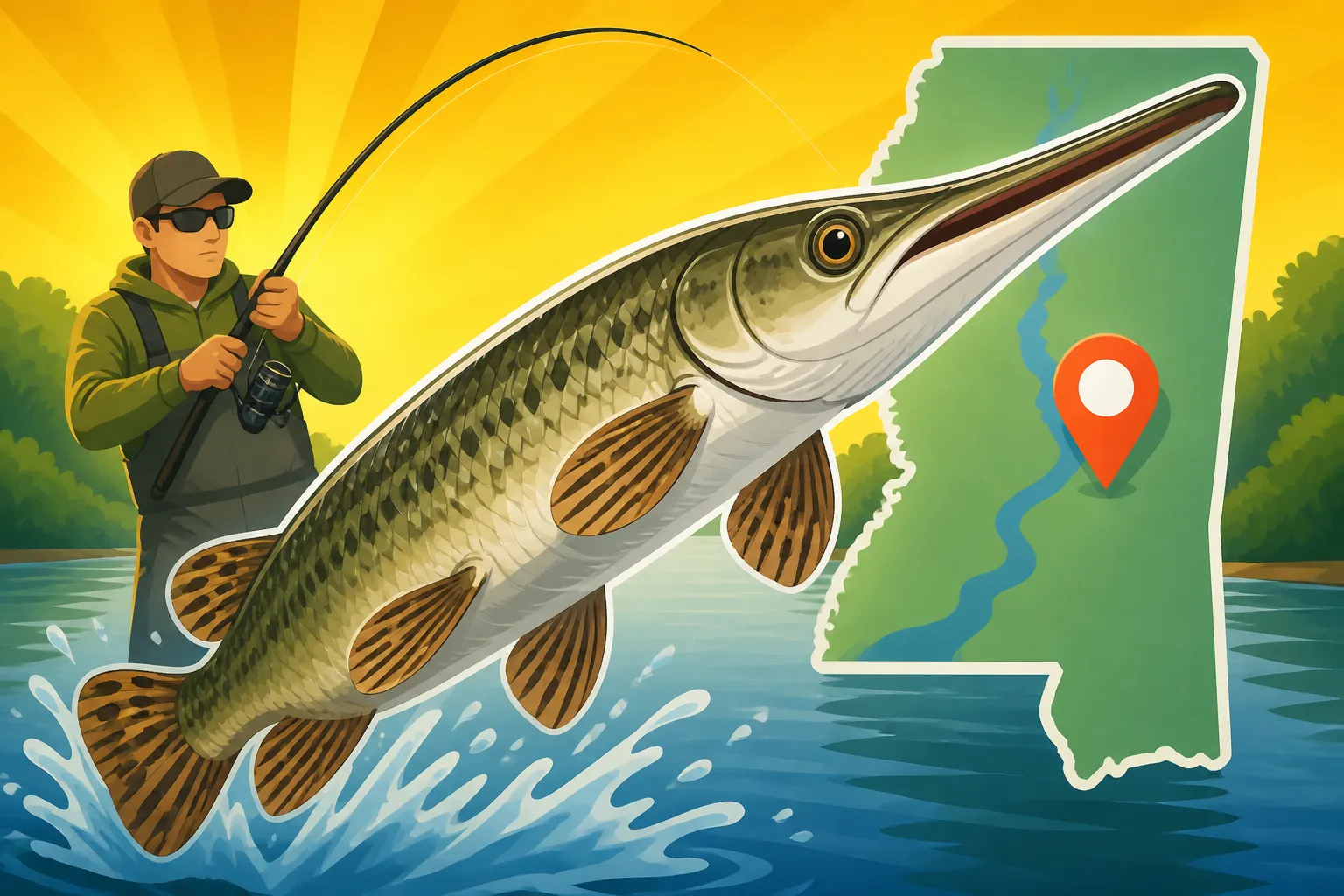
While not as universally "rare" as a pallid sturgeon or a paddlefish in every corner of Mississippi, a truly massive alligator gar is certainly an elusive and awe-inspiring catch for most anglers. These incredible fish are the largest freshwater fish in North America, with armor-plated bodies, long, tooth-filled snouts, and a fearsome appearance. They can grow to immense sizes, sometimes exceeding 8 feet in length and weighing hundreds of pounds. You'll find them primarily in the slow-moving backwaters, oxbow lakes, and large rivers of the Delta region.
Targeting alligator gar is a specialized pursuit, often involving heavy tackle, specialized baits, and a lot of patience. Most anglers who fish for bass or crappie will likely never hook into one, making an accidental catch a truly rare and memorable event. Their prehistoric looks and sheer power make them a bucket-list fish for many, but their management often involves specific regulations to ensure healthy populations. Just like other unique species, if you encounter an alligator gar, particularly a large one, respect the creature and understand that Is It Legal to Keep an Alligator Gar in Mississippi? involves knowing the local rules.
Here's a quick comparison of these unique species:
| Species | Typical Habitat | Rarity in MS (Angler Context) | Key Identifying Feature | Conservation Status | Handling/Regulations |
|---|---|---|---|---|---|
| Paddlefish | Large rivers, oxbow lakes | Rare, incidental snag | Long, paddle-like snout | Species of Concern | Protected, specific snagging seasons/areas, immediate release often required |
| Pallid Sturgeon | Deep, turbid large rivers (e.g., Mississippi River) | Extremely Rare, accidental | Flattened snout, bony plates, pale coloration | Federally Endangered | Immediate release, absolutely no harvest |
| Shovelnose Sturgeon | Large, swift rivers | Rare to Uncommon, incidental | Shovel-like snout, distinct scutes | Species of Concern | Protected, immediate release often required |
| Alligator Gar | Slow backwaters, oxbows, large rivers | Uncommon to Rare (trophy size) | Large, armored body, broad, toothed snout | Stable (but highly regulated) | Regulated harvest, specific gear, requires education on handling |
Preserving the Precious: Conservation and Responsible Angling for Rare Fish
The existence of these rare fish is a delicate balance, and their populations are often impacted by human activity. As anglers, we have a crucial role to play in their protection, whether through responsible fishing practices or supporting conservation initiatives. Every action, big or small, contributes to the health of Mississippi's aquatic ecosystems.
Habitat Loss and Degradation: The Silent Threat
One of the biggest reasons many fish species become rare is the loss or degradation of their habitat. This can include anything from pollution and sedimentation to the alteration of natural river flows through damming or channelization. For species like sturgeon, which rely on specific spawning grounds and migratory routes, a single dam can have devastating effects. For paddlefish, changes in plankton populations due to water quality issues can impact their food source.
Understanding these threats helps us appreciate the importance of clean water and healthy ecosystems. Supporting organizations that advocate for wetland restoration, riparian buffer zones, and responsible land use practices directly benefits these sensitive species. Even small things, like properly disposing of trash and avoiding the use of harmful chemicals near waterways, make a difference. The health of our waters is interconnected, and what impacts one species often affects many others, including the ones we commonly fish for.
What Anglers Can Do: Be Prepared, Be Respectful
If you’re out on the water and happen to hook into one of these truly rare fish, your actions in those critical moments can literally be the difference between life and death for the fish. The most important thing is to be prepared and act quickly and responsibly.
First, identify your catch. Carry a waterproof fish identification guide or keep a reliable app on your phone. Many anglers find great resources on sites like Amazon for these types of guides. If you're unsure, treat it as rare and protected. Second, handle the fish as little as possible. Keep it in the water if you can. If you must bring it aboard, use wet hands or a wet, knotless net to minimize damage to its protective slime coat. Avoid holding fish by the gills or eyes. For large, heavy species, support their entire body weight.
Third, remove the hook quickly and cleanly. Barbless hooks can make this much easier, especially for accidental snags. If the hook is deeply embedded, cut the line as close to the hook as possible rather than tearing at the fish's mouth. Finally, release the fish gently, allowing it time to recover before swimming away on its own. Never just toss a fish back into the water. Taking a quick photo is fine, but prioritize the fish's well-being over getting the perfect shot. These simple steps ensure that if you are blessed with such an encounter, you leave the fish in the best possible condition to survive and thrive. Many anglers even carry a small, waterproof camera from brands available on Amazon just for these unexpected catch-and-release moments.
The Thrill of the Unexpected: When a Rare Catch Makes Your Day
There's a unique satisfaction that comes from catching a fish you've never encountered before. It’s not just about the size or the fight; it’s about the surprise, the mystery, and the connection to something ancient and wild. These moments are what truly enrich our fishing experiences, turning a regular day on the water into an unforgettable adventure.
The Story to Tell: More Than Just a Number
Imagine reeling in a fish and realizing it's unlike anything you've ever seen. The unusual shape of a paddlefish, the bony armor of a sturgeon, or the sheer power of a massive alligator gar. These aren't just fish; they're stories waiting to be told. They become the stuff of legend among your fishing buddies, a testament to the unexpected wonders that Mississippi's waterways hold. While you might keep a photo, the real trophy is the memory and the unique tale you get to share.
These stories also serve a greater purpose. When anglers share their experiences with rare or unusual catches, it raises awareness among the wider fishing community about the incredible biodiversity present in our state. It fosters a deeper appreciation for conservation and encourages others to learn about and respect these vulnerable species. It’s a way for all of us to become stewards of Mississippi’s natural heritage, ensuring that future generations can also experience the thrill of the unexpected.
The Hunt for Knowledge: Deepening Your Angling Expertise
Encountering a rare fish often sparks a deeper curiosity. It encourages anglers to delve into ichthyology, the study of fish, and learn more about the specific habitats, behaviors, and conservation needs of various species. This isn't just about identifying a fish; it's about understanding the intricate web of life beneath the surface. Knowing that What Fish Have No Size Limit in Mississippi? or understanding Mississippi Fishing License Exemptions are practical matters, but learning about a sturgeon's ancient lineage adds a whole new dimension to your passion.
This pursuit of knowledge can lead you to explore different bodies of water, try new techniques, and even engage with local conservation groups. You might start researching specific river systems, learning about historical fish populations, or discovering how different environmental factors influence species distribution. It's a journey that goes beyond simply catching fish; it transforms you into a more informed, responsible, and appreciative angler. Educational books on Mississippi's aquatic life, often found on Amazon, can be invaluable resources in this journey.
Respecting the Sanctuary: Fishing with a Conservation Mindset
Ultimately, the presence of rare fish in Mississippi waters is a powerful indicator of the health of our ecosystems. Their continued survival depends on us, the anglers who spend countless hours on and around these waters. By approaching every fishing trip with a conservation mindset, we ensure that these magnificent creatures, and the wild places they inhabit, are preserved for years to come.
This means adhering to all Mississippi Fishing Regulations Explained, understanding Mississippi Fishing Season Dates and Limits, and perhaps even taking extra steps like using catch-and-release practices for especially sensitive species, even if not strictly mandated. It’s about leaving no trace, respecting private property, and advocating for responsible environmental policies. When you truly understand the value of a rare catch, you understand the value of the entire ecosystem that sustains it. Every time you cast a line, you're not just fishing; you're participating in a rich, natural legacy that deserves our utmost care and respect.
Disclaimer
This article is for general informational purposes only and does not constitute professional advice. Laws, prices and regulations vary by location and change over time. Consult a qualified professional for guidance on your specific situation.