Number of Fish Species in the Mississippi River
It's easy to look at the mighty Mississippi River and wonder, just how many different kinds of fish call these legendary waters home? It's a question that can really get an angler thinking, especially when you consider the sheer length and diverse habitats within the river system. This vast waterway is much more than just a navigational channel; it's a vibrant ecosystem supporting an incredible array of aquatic life. This guide is here to shed some light on the astonishing biodiversity thriving in the Mississippi, from its northern reaches all the way to the Gulf.
The Immense Biodiversity of the Mississippi River System
The Mississippi River, often called the "Father of Waters," is an iconic natural landmark that stretches for thousands of miles, draining a significant portion of the continental United States. This immense scale naturally leads to incredible biodiversity, including a rich tapestry of fish species. When we talk about the "Mississippi River," we're not just referring to the main stem; we're encompassing its vast network of tributaries, backwaters, oxbow lakes, and delta regions, each contributing to the overall species count.
Imagine standing on the banks of the Mississippi near Memphis, casting a line into the swift current. The fish you might encounter there could be vastly different from those caught in the clearer waters further north, or the brackish estuaries closer to the Gulf. This ecological variety is precisely what makes pinning down an exact number so challenging and yet so fascinating. The river acts as a superhighway for some species, while others are more localized to specific habitats. Understanding this broad scope helps us appreciate the complexity of the river's aquatic populations.
Why an Exact Number is Hard to Pin Down
You might think with all our scientific advancements, we'd have a precise number for how many fish species live in the Mississippi. The truth is, it's far more fluid than that. Fisheries biologists and ecologists constantly monitor the river, but several factors make a definitive, unchanging count elusive.
Firstly, fish populations are dynamic. Species can expand their range due to environmental changes, or conversely, decline in certain areas. New invasive species can also enter the system, adding to the count, while some native species might face local extinction pressures. Secondly, the definition of the "Mississippi River system" can vary. Does it include every tiny creek flowing into a major tributary? How far up those tributaries do you count? The broader the definition, the higher the species count. Lastly, identification can be tricky, especially with similar-looking species or hybrids, requiring expert knowledge and sometimes genetic analysis. It's a constant effort to catalog and understand this complex aquatic world.
Factors Shaping Fish Diversity in the Mississippi
The incredible diversity of fish species in the Mississippi River isn't accidental; it's a direct result of a multitude of interconnected environmental factors. From the subtle shifts in water temperature to the dramatic changes in habitat types, every element plays a role in determining which species can thrive and where. Understanding these factors helps us appreciate why certain fish are found in specific stretches of the river and why others are absent.
Habitat Variety and River Segments
The Mississippi River is far from a uniform channel. It's a mosaic of different habitats, and these variations are crucial for supporting diverse fish populations. Think about the stark differences between the Upper, Middle, and Lower Mississippi River segments.
- Upper Mississippi: Up north, closer to its headwaters, the river often flows through more forested, clearer areas, with colder water and rocky or sandy bottoms. You'll find species adapted to these conditions, often with a mix of northern cool-water species and generalists. Think about trout in some of the smaller tributaries, or species like northern pike in the slower backwaters.
- Middle Mississippi: As the river moves south, it broadens, becomes warmer, and often carries more sediment. Here, you'll encounter a wider array of species, including many that prefer slow-moving or pooled water in oxbows and side channels. This segment is a transition zone, supporting a blend of northern and southern species.
- Lower Mississippi (including Mississippi Delta): In Mississippi itself, and further south towards the Gulf, the river is wide, deep, and often turbid, with extensive floodplains, backwater lakes, and bayous. These areas are incredibly rich in biodiversity, supporting a massive population of warm-water species, including many types of catfish, sunfish, and Alligator Gar Fishing in Mississippi. The delta region, where freshwater meets saltwater, introduces a whole new dimension, allowing for species that can tolerate brackish conditions, often seen in the Gulf Coast's estuaries. This amazing range of habitats provides everything from swift currents for certain species to tranquil, vegetation-choked waters for others.
Water Quality and Environmental Influences
Water quality is a foundational pillar for fish diversity, and the Mississippi River, being such a large and developed waterway, experiences a spectrum of conditions. The health of its fish populations is intimately tied to the quality of the water they inhabit.
Runoff from agricultural lands can introduce nutrients and sediments, impacting water clarity and oxygen levels. Industrial discharges, though heavily regulated now, have historically played a role, and accidental spills can still pose threats. Conversely, conservation efforts, such as restoring wetlands and improving wastewater treatment, have shown positive impacts on water quality and, consequently, fish health. The flow of the river itself, influenced by dams and levees, also impacts habitats and nutrient distribution. Periods of drought or heavy rainfall can alter water levels and currents, stressing some species while benefiting others. All these environmental dynamics mean that maintaining healthy fish diversity is an ongoing challenge that requires constant vigilance and active management.
Pinpointing the Number: A Range of Estimates and Key Species
So, what's the magic number? While we can't give you a single, undisputed figure, we can provide a good estimate based on scientific consensus and break down the major groups that contribute to this impressive tally. When people ask about the "number of fish species in the Mississippi River," they're usually referring to the entire basin, including its major tributaries, which paints a much richer picture than just the main channel.
The Estimated Count Across the Basin
Ecologists generally agree that the broader Mississippi River Basin, encompassing its vast network of tributaries like the Ohio, Missouri, Arkansas, and Red Rivers, is home to a staggering number of fish species. While exact counts can vary based on methodology and the specific area studied, most estimates fall within a significant range.
You'll often hear figures ranging from around 200 to over 260 distinct native and established non-native fish species living within the entire Mississippi River system. This isn't just a number; it represents a phenomenal array of life, from tiny minnows to colossal catfish. The main stem of the Mississippi River itself, particularly the lower stretches, often hosts a significant portion of this diversity. For instance, the section of the river running through Mississippi is exceptionally rich, benefiting from warmer waters and abundant backwater habitats. This number is a testament to the river's ecological importance and its ability to support such a wide array of aquatic forms.
Breaking Down the Species by General Categories
To better understand this impressive count, it's helpful to break down the species into broader categories or families. This gives us a clearer picture of the types of fish that dominate the system.
Here's a simplified look at the major groups you'll encounter:
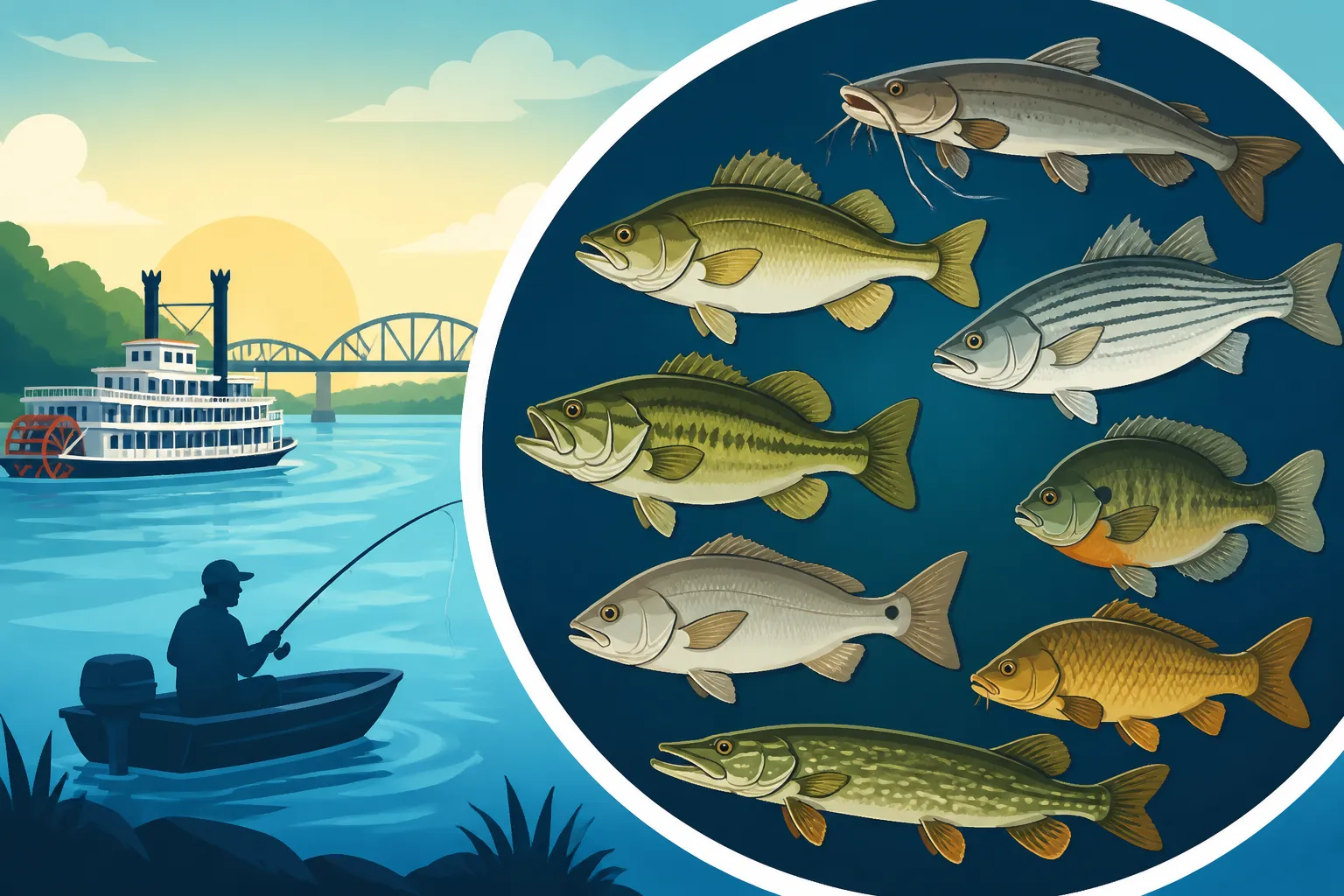
| Fish Family/Group | Examples of Species | Typical Habitat Preference | Notes on Presence |
|---|---|---|---|
| Catfish | Blue Catfish, Channel Catfish, Flathead Catfish | Deep channels, slow currents, backwaters, structure | Iconic, abundant, and often targeted by anglers. |
| Sunfish (Centrarchids) | Largemouth Bass, Smallmouth Bass, Crappie, Bluegill | Vegetation, submerged structures, calmer waters | Very popular game fish, found throughout. |
| Carps & Minnows | Common Carp, Silver Carp, Bighead Carp, Shiners, Chubs | Various, often tolerant of turbid waters, slower sections | Diverse group, includes native baitfish and invasive species. |
| Suckers | Smallmouth Buffalo, Bigmouth Buffalo, River Carpsucker | Bottom feeders, found in various habitats | Important forage fish and sometimes targeted for food. |
| Perch & Darters | Walleye (further north), Yellow Perch (further north), Darters | Cooler, clearer waters, often rocky or sandy bottoms | More prevalent in upper reaches and clearer tributaries. |
| Gars | Alligator Gar, Longnose Gar, Spotted Gar | Backwaters, slower currents, warm, often vegetated areas | Ancient, predatory fish; Is Gar Good to Eat? often asked. |
| Sturgeon | Pallid Sturgeon, Shovelnose Sturgeon | Deep, swift channels, bottom dwellers | Critically endangered (Pallid), highly regulated. |
| Herrings & Shad | Gizzard Shad, Threadfin Shad, Skipjack Herring | Open water, important forage for predators | Abundant, crucial link in the food chain. |
This table provides a glimpse into the incredible diversity. From powerful predators to tiny forage fish, the Mississippi has it all.
Notable Fish Species and Families of the Mississippi River
When you delve into the specific fish species that call the Mississippi River home, you start to get a real sense of its vibrant ecosystem. It's not just about the numbers, but the unique roles each species plays and the thrill they offer to anglers. Let's explore some of the most prominent families and species you're likely to encounter, especially in the Mississippi portion of the river.
Catfish: The River's Bottom Dwellers
No discussion of Mississippi River fish would be complete without talking about catfish. These powerful, whiskered inhabitants are quintessential to the river's identity and provide some of the most exciting fishing opportunities. You'll find three main species thriving here: Blue Catfish, Channel Catfish, and Flathead Catfish.
Blue Catfish are the true giants of the river, capable of growing to immense sizes. They prefer the deeper, faster-moving currents of the main channel and are often found near structure like log jams or underwater humps. Catching a trophy blue cat requires heavy tackle and a strong will, but the reward is unforgettable. Channel Catfish are perhaps the most widespread and adaptable, found in nearly every part of the river system, from swift channels to calmer backwaters. They're excellent eating and readily caught on a variety of baits. Flathead Catfish, on the other hand, are ambush predators that prefer live bait and often hide in submerged timber or rocky areas. They have a distinct, flattened head and a robust body. Anglers often find success targeting them during Night Fishing for Catfish excursions. Each species offers a unique challenge and flavor, making catfish a cornerstone of Mississippi River angling.
Bass and Panfish: Sport and Sustenance
When it comes to popular game fish, bass and panfish reign supreme across much of the Mississippi River's slower sections and backwater lakes. These species provide endless enjoyment for anglers of all skill levels, from seasoned veterans to families just introducing kids to fishing.
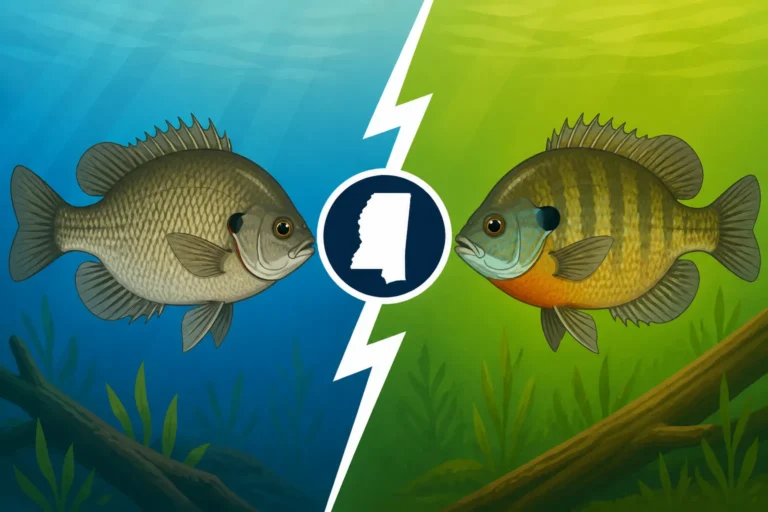
Largemouth Bass are incredibly popular, known for their aggressive strikes and strong fights. They thrive in the quieter, vegetated backwaters, oxbow lakes, and tributary mouths along the Mississippi River. Targeting them with topwater lures, soft plastics, or crankbaits can be incredibly rewarding. You might even find some Spotted Bass Identification and Range in the river's clearer tributaries, offering a slightly different challenge. Then there are the panfish, the true workhorses of family fishing trips. Crappie, both white and black, are abundant in the Mississippi's backwaters and oxbows, often found around submerged brush piles and standing timber. They're famous for their delicious fillets and can be caught jigging or trolling. Crappie Fishing Techniques for Mississippi Lakes often involve finding these structures. Bluegill and other sunfish, or "bream" as they're affectionately known, are plentiful in almost any calm, shallow area, perfect for a cane pole and a worm. These smaller fish are excellent for teaching beginners and provide a consistent bite throughout the warmer months. Many anglers stock up on gear for these species through retailers like Amazon, ensuring they have a good supply of small jigs, bobbers, and hooks.
Unique and Ancient Species
Beyond the common game fish, the Mississippi River is a living museum of unique and ancient fish species that add a fascinating dimension to its biodiversity. These species often have specialized adaptations that allow them to thrive in the river's dynamic environment.
One such group is the gars, which include the impressive Alligator Gar, Longnose Gar, and Spotted Gar. Alligator Gar are truly prehistoric, reaching massive sizes and sporting a formidable set of teeth. While not typically targeted for food by many, they are a powerful sport fish. Longnose and Spotted Gar are more common and are frequently seen basking near the surface in calmer waters. Another ancient marvel is the Paddlefish, sometimes called a "spoonbill" due to its distinctive, elongated snout. These filter feeders are often found in larger river channels and are highly regulated, with snagging being a common, though permitted, method in certain areas. Paddlefish (Spoonbill) in Mississippi Rivers are a true spectacle. Then there are the sturgeon, particularly the Shovelnose Sturgeon, which is more common than the critically endangered Pallid Sturgeon. These bottom-dwelling fish have bony plates instead of scales and are fascinating to observe. Lastly, for those interested in the broader ecosystem, the river is also home to various non-game fish like the Buffalo Fish – Bigmouth and Smallmouth Buffalo – which are large, carp-like suckers often caught by commercial fishermen and sometimes by recreational anglers. Buffalo Fish Identification and Where They Live is a useful read if you're curious. It's these unique species that truly highlight the Mississippi River's incredible and often surprising aquatic diversity. If you're looking for specialized gear for these unique species, Amazon often has a good selection of heavy-duty rods and tackle.
Conservation and the Future of Mississippi River Fish
The incredible fish diversity of the Mississippi River is a precious resource, providing both ecological balance and recreational opportunities for countless anglers. However, it's a resource that requires careful management and ongoing conservation efforts to ensure its health for future generations. The challenges facing the river's fish populations are complex, but so are the solutions being put into place.
Threats to Fish Diversity
The mighty Mississippi, despite its size and resilience, faces several significant threats that can impact its fish diversity. One major concern is habitat degradation. While the river itself is vast, many of the critical backwater lakes, oxbows, and floodplain wetlands—which serve as spawning grounds and nursery areas for numerous species—have been altered or disconnected by levees and development. This loss of diverse habitat can reduce the breeding success and survival rates of many fish.
Water quality remains another persistent challenge. While strides have been made, runoff from agricultural lands carrying fertilizers and pesticides, as well as pollutants from urban areas, can still affect the river's ecosystem. This can lead to issues like hypoxia (low oxygen levels) in certain areas, particularly in the Gulf of Mexico where the river empties. Invasive species also pose a considerable threat. What a Silver Carp Is and Why It's a Problem is a pertinent example; these non-native fish compete with native species for food and habitat, altering the entire food web. Maintaining vigilance against new introductions and managing existing invasive populations is an ongoing battle that requires significant resources and public awareness.
Ongoing Conservation Efforts
Thankfully, there are many dedicated organizations and government agencies working tirelessly to protect and restore the Mississippi River's fish populations and their habitats. The Mississippi Department of Wildlife, Fisheries, and Parks (MDWFP) plays a crucial role in monitoring fish stocks, setting Mississippi Fishing Regulations Explained, and managing public access. They conduct regular surveys to assess population health and implement stocking programs for certain game species when needed.
Habitat restoration projects are vital, focusing on reconnecting oxbow lakes, restoring wetlands, and creating new fish-friendly structures within the river system. These efforts aim to rebuild the natural complexities of the river that are so essential for diverse aquatic life. Furthermore, research into water quality improvements, invasive species control, and sustainable fishing practices is continuously advancing. Anglers themselves play a huge role, not just through license fees that fund these efforts (you can often find MDWFP-approved gear on Amazon, supporting local businesses while adhering to regulations), but also by practicing catch-and-release, reporting illegal activities, and simply being informed stewards of the river. Educating the public about the river's ecological value and the importance of responsible angling ensures that the incredible diversity of Mississippi River fish will continue to thrive for years to come.
Disclaimer
This article is for general informational purposes only and does not constitute professional advice. Laws, prices and regulations vary by location and change over time. Consult a qualified professional for guidance on your specific situation.