Why Sheepshead Is Called the Convict Fish
If you've spent any time fishing the Mississippi Gulf Coast, you've probably heard the term "convict fish" tossed around. It's one of those nicknames that sticks, and for good reason! This isn't just some angler's fancy; it's a direct nod to a truly unique and often frustrating characteristic of the Sheepshead, a species that delights and challenges fishermen all across our beautiful coastal waters. This guide will dive deep into the fascinating world of the Sheepshead, explaining precisely why it's earned its infamous moniker and giving you all the insights you need to understand, appreciate, and maybe even catch this striped bandit.
The Striking Appearance: Why "Convict Fish"?
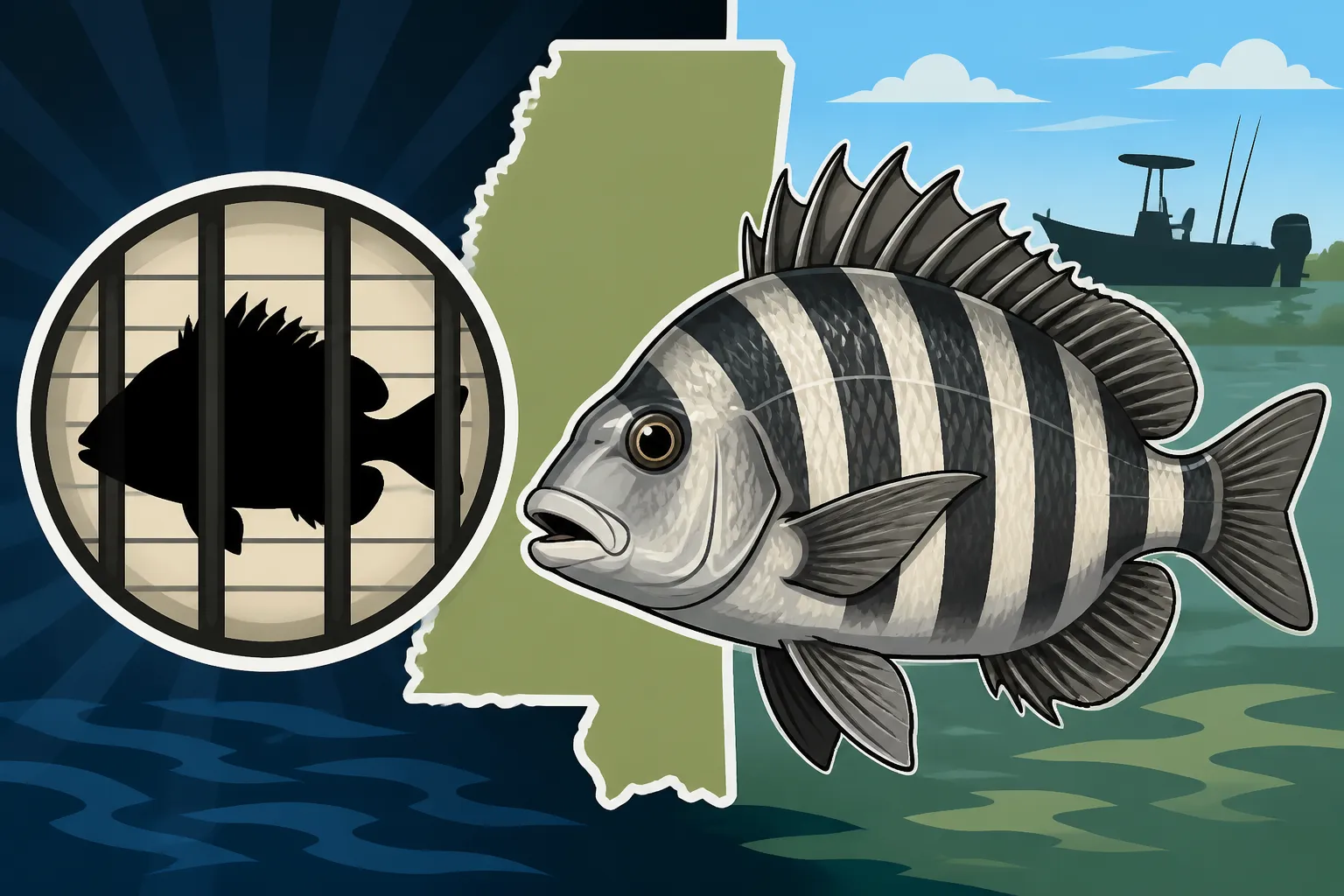
The moment you lay eyes on a Sheepshead, you'll likely understand exactly why it's been saddled with the "convict fish" nickname. It's not just a passing resemblance; it’s an unmistakable visual that evokes images of old-school striped prison uniforms. This fish simply looks like it's wearing jail clothes, and that distinctive pattern is the primary reason for its memorable, albeit slightly unflattering, moniker.
Those Distinctive Stripes: A Uniform on Fins
Imagine a classic black and white striped uniform, the kind you might see in an old movie when someone's been sent "up the river." Now, picture that on a fish. The Sheepshead (scientific name: Archosargus probatocephalus) displays prominent, vertical black bands against a silvery-white or grayish background. Typically, you'll see five to seven of these dark, broad stripes running down its otherwise somewhat oval-shaped body. These stripes are incredibly well-defined, creating a stark contrast that makes them instantly recognizable even in murky water or when they're darting around pilings.
It's this crisp, linear patterning that gives the Sheepshead its distinctive "convict" look. They don't just have random splotches or subtle markings; they have clear, bold stripes that just scream "prisoner uniform." This visual characteristic is so pronounced that it's often the first thing people notice and remember about them, cementing the "convict fish" title firmly in the angling vernacular along the Gulf Coast and beyond.
Not Just Stripes: The Unique Mouth and Teeth
While the stripes are the most obvious reason for the nickname, the Sheepshead's mouth and teeth are equally, if not more, extraordinary and contribute to its "hardened criminal" mystique. These aren't your typical pointy fish teeth; Sheepshead possess an almost human-like dentition that is both fascinating and a little unsettling to behold.
At the front of their mouths, they have several rows of incisor-like teeth, remarkably similar to our own front teeth. Behind those, you'll find molars, perfectly adapted for grinding. This dental arsenal isn't for show; it's a highly specialized toolset designed to crush the shells of their favorite prey. Imagine trying to bite through an oyster or a crab with soft, conical teeth – it simply wouldn't work. The Sheepshead’s strong, flat molars and sharp incisors allow them to effectively "process" hard-shelled organisms with ease, making them a formidable predator in their niche. It also makes them particularly adept at stealing bait, which can feel like they're "getting away with it," adding another layer to their "convict" reputation among frustrated anglers. When you’re trying to pry a hook from one of these toothy critters, you’ll definitely want a sturdy pair of fishing pliers, which you can easily find on Amazon.
To help visualize these unique features, here's a quick rundown:
| Feature | Description | "Convict Fish" Connection |
|---|---|---|
| Body Stripes | 5-7 distinct vertical black bands on a silver/gray body | Resembles old-time prison uniforms. |
| Front Teeth | Incisor-like, almost human, very strong and sharp | Used for biting, nipping, and getting into tight spots. |
| Back Teeth | Molars, flat and powerful | Crushing shells; suggests a "tough" fish, hard to catch. |
| Overall Shape | Deep-bodied, somewhat oval | Adds to the solid, unyielding appearance of a "tough guy." |
Habitat and Diet: The Sheepshead's Natural Environment
Understanding where and how Sheepshead live further explains their resilient nature and why they've adapted such a distinct appearance and formidable set of teeth. These fish aren't out in the open ocean; they are structure-oriented specialists, perfectly at home in environments where hard shells and stubborn obstacles are the norm.
Structure-Loving Species: Barnacle Buffets and Pier Pilings
Sheepshead are masters of structure. You'll almost always find them congregating around barnacle-encrusted pilings, oyster reefs, bridge fenders, rock jetties, sunken debris, and any other submerged hard structure you can imagine. This preference for structure is directly tied to their diet and survival strategy. These areas provide both abundant food sources and protection from larger predators.
Think about fishing the Best Gulf Coast Piers for Fishing in Mississippi. If you're dropping a line near the pilings or around the barnacled supports, you're in prime Sheepshead territory. They'll hug these structures incredibly tightly, often making it challenging to get your bait to them without snagging. Their ability to maneuver in tight spaces, combined with their camouflage from the striped pattern amidst barnacle growth and shadow, makes them excellent ambush predators and master bait thieves. This habit of lurking in the shadows and picking off bait makes them feel like cunning "convicts" escaping capture time and time again. Anglers often find success focusing on these areas when pursuing Sheepshead Fishing on the Mississippi Coast.
A Crustacean's Worst Nightmare: Specialized Eaters
The Sheepshead's diet is a testament to its powerful dental work. These fish are primarily malacophagous, meaning they specialize in eating mollusks and crustaceans. Their menu includes a wide variety of hard-shelled delights:
- Barnacles: These sessile crustaceans are a primary food source, scraped directly off pilings and rocks.
- Oysters and Clams: Sheepshead use their incisors to pry these bivalves open and their molars to crush the shells.
- Crabs: Fiddler crabs, blue crabs, and stone crabs are all on the menu, crunched with ease.
- Shrimp: While not as hard-shelled, shrimp are a readily available and highly favored food item.
If you want to know What Sheepshead Eat Near Jetties, you'll find it's mostly a buffet of these hardy creatures. This highly specialized diet means that presenting the right bait is crucial for success. You won't typically find them chasing flashy lures in open water; they're methodical eaters, meticulously picking off their meals from hard surfaces. Their ability to carefully strip bait from a hook without getting caught, thanks to their precision biting and tough mouths, further cements their reputation as wily "convicts" who are hard to pin down.
Fishing for the "Convict": Techniques and Tips
Catching a Sheepshead is a rewarding challenge that many Mississippi anglers relish. It requires a specific approach, a bit of patience, and the right gear. These fish are notoriously good at stealing bait, making a successful hookset feel like a minor victory.
Tackle for Tooth-Takers: Strong and Sensitive
When targeting Sheepshead, your tackle setup needs to be up to the task of handling both their powerful jaws and their structure-oriented habitat.
First off, a medium-light to medium-heavy spinning rod with a fast action is generally preferred. This allows for the sensitivity needed to detect their subtle bites and the backbone to pull them away from structure once hooked. A good quality reel spooled with 10-20 lb braided line is ideal, as braid offers excellent sensitivity and strength.
Because of their sharp teeth and the barnacled environments they inhabit, your leader material is critical. Fluorocarbon leader in the 20-30 lb range is a must. It’s more abrasion-resistant than monofilament and nearly invisible underwater. A leader of about 18-24 inches should suffice. For hooks, small but strong J-hooks or circle hooks in sizes #1 to 1/0 are popular. Some anglers swear by specialized Sheepshead jigs, which often have stout hooks and smaller profiles designed to imitate their natural forage. You can browse a wide selection of these specialized jigs and fluorocarbon leaders on Amazon. Remember, when Choosing the Right Rod and Reel for Mississippi Fishing, consider the specific challenges Sheepshead present.
Baiting the Sheepshead: Less Is More
This is perhaps the most crucial aspect of Sheepshead fishing. These fish are masters of subtly stripping your hook clean. They don't engulf bait like a bass; they nip and scrape.
The absolute best bait for Sheepshead are small, hard-shelled creatures that mimic their natural diet. Fiddler crabs are king, but live shrimp (peeled or unpeeled, but usually small), small pieces of oyster, clam, or even small pieces of blue crab will work. The key is to use very small pieces of bait. A piece of shrimp no larger than your thumbnail is often more effective than a big chunk, as it allows the hook point to be exposed and readily taken. Check out our guide on the Best Bait for Sheepshead Near Jetties for more specifics.
Presenting the bait typically involves a Carolina rig or a knocker rig, both designed to keep your bait close to the bottom where Sheepshead feed. A light sinker, just heavy enough to hold bottom, is essential for maintaining feel.
The Art of the Hookset: Quick Reflexes Required
Here's where the "convict" really earns its reputation. Sheepshead bites are incredibly subtle. It might feel like a series of light taps, almost imperceptible. Often, anglers describe it as feeling like the bait is being picked up by a tiny crab or a small piece of debris. The challenge is distinguishing these light bumps from an actual fish bite and reacting instantly.
When you feel that characteristic "tap-tap-tap" or a slight pressure, you need to set the hook immediately and firmly. Don't wait for a rod-bending strike, because it likely won't come. A quick, upward sweep of the rod tip is usually all it takes. If you hesitate, even for a second, the Sheepshead will have expertly cleaned your hook and be on its way, leaving you with nothing but a frustrating memory. This consistent ability to get away clean reinforces their "convict" persona – they are cunning escape artists! Our tips for Pier Fishing Tips for Beginners will offer more general guidance that can be adapted for Sheepshead.
Beyond the Nickname: Why Anglers Love Sheepshead
Despite their bait-stealing antics and human-like teeth, Sheepshead are a highly prized catch along the Mississippi Gulf Coast. They offer a unique angling experience and provide delicious table fare, making them a target species for many passionate fishermen.
A Worthy Fight: Strong and Stubborn
Once you manage to hook a Sheepshead, you're in for a respectable fight. These fish are incredibly strong for their size and have a surprising amount of pulling power. They'll use their broad, flat bodies to their advantage, turning sideways to the current and digging hard. Their immediate instinct is to head straight back into the structure they came from, testing the strength of your line and the drag on your reel.
Pulling a decent-sized Sheepshead (which can often reach several pounds, with larger specimens pushing into double digits) out from under a barnacled pier piling or a rocky jetty is a true test of skill and tackle. It’s a battle of wills, and when you finally bring one to hand, there’s a genuine sense of accomplishment. They might be "convicts," but they're tough ones, and earning that catch makes it all the more satisfying. For more general advice, you can consult a Saltwater Fishing Techniques for the Mississippi Gulf Coast guide.
Table Fare Delight: A Delicious Reward
Perhaps the biggest reason Sheepshead remain a popular target is their reputation as excellent eating fish. The meat is white, flaky, and has a mild, sweet flavor that holds up well to various cooking methods. Many anglers consider Sheepshead to be among the best-tasting fish caught along the Gulf Coast, often comparing it to snapper or other highly sought-after species.
Whether you bake it, fry it, grill it, or incorporate it into a fish taco recipe, Sheepshead rarely disappoints. Cleaning them can be a bit of a chore due to their tough scales and unique bone structure, but the effort is well worth the delicious reward. If you're wondering Is Sheepshead Good to Eat?, the answer from most coastal anglers is a resounding yes! A good cooler, easily purchased from Amazon, will ensure your fresh catch makes it home in prime condition for your dinner table.
So, the next time you hear someone refer to a Sheepshead as a "convict fish," you'll know it's not just a whimsical name. It’s a perfect descriptor, born from their striking striped appearance, their cunning bait-stealing tactics, and their formidable strength when hooked. These striped bandits are a true treasure of Mississippi fishing, providing both a challenging pursuit and a delightful meal. Happy fishing!
Disclaimer
This article is for general informational purposes only and does not constitute professional advice. Laws, prices and regulations vary by location and change over time. Consult a qualified professional for guidance on your specific situation.