Best Time of Year to Catch Big Speckled Trout
Every angler dreams of landing that true trophy, the one that makes your heart pound and your arms ache, and for many on Mississippi's beautiful Gulf Coast, that dream fish is a big speckled trout. But figuring out exactly when these elusive giants are most likely to bite can feel like chasing a ghost. This guide will cut through the guesswork, diving deep into the seasonal patterns, environmental factors, and precise windows that offer the best opportunities to hook into a truly memorable speckled trout.
Understanding the Speckled Trout's Seasonal Habits on the Mississippi Coast
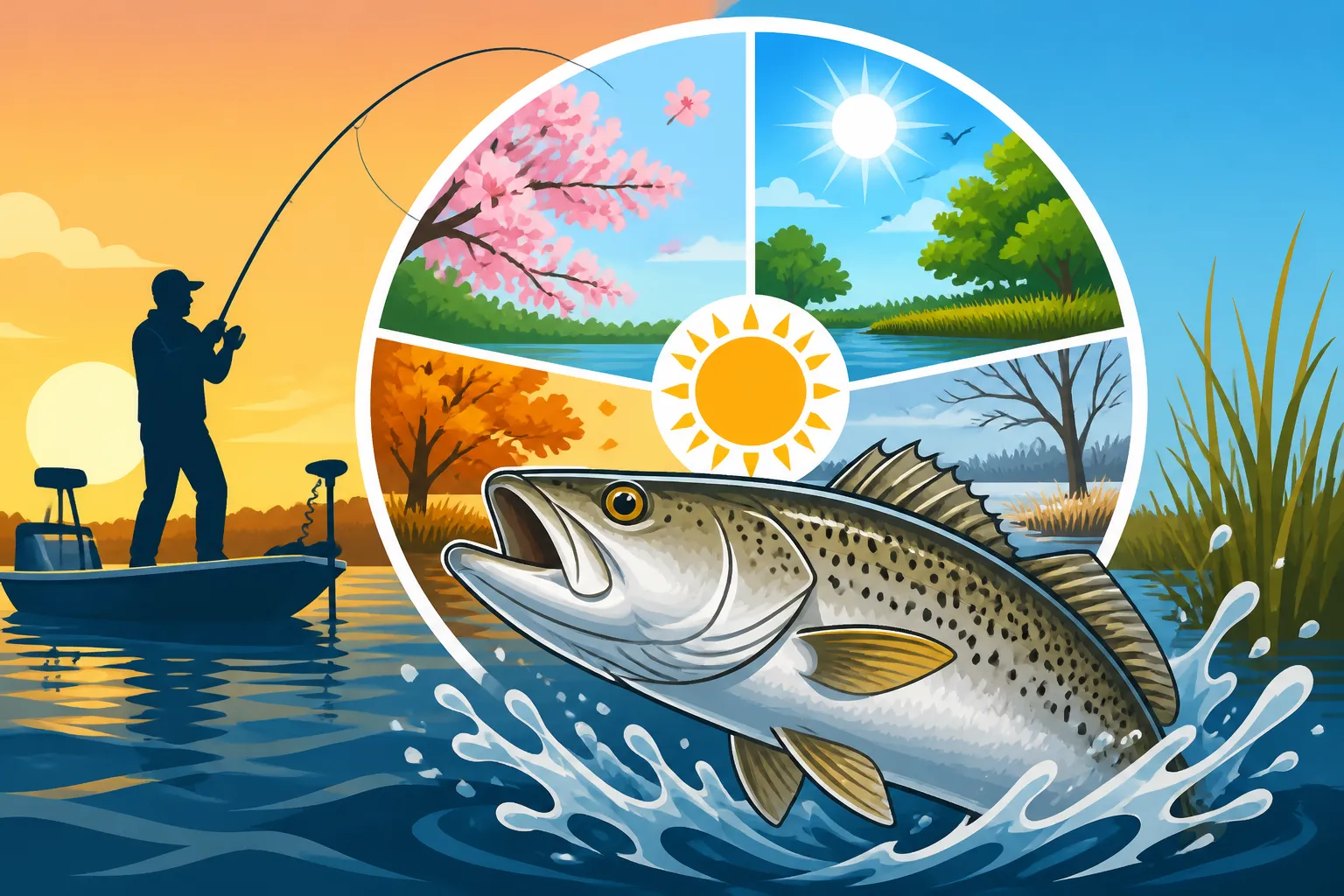
Speckled trout, or "specs" as many of us lovingly call them, are highly migratory and reactive to environmental changes, particularly water temperature and food availability. Their habits shift dramatically throughout the year, and understanding these movements is the first step to intercepting those larger, more desirable fish. Forget simply throwing a line in the water; becoming a successful speckled trout angler means thinking like a trout.
The Spawn: Spring's Promise for Speckled Trout
Spring along the Mississippi Gulf Coast is often heralded as one of the most exciting times to target speckled trout, and for good reason. As the chill of winter finally recedes and water temperatures begin a steady climb, typically into the high 60s and low 70s, the trout start to feel the urge to reproduce. This period usually kicks off around April and can extend into early summer, depending on how quickly the waters warm and stabilize.
During this spawning period, speckled trout, especially the larger females, will move into shallower waters, bays, estuaries, and around marsh grass lines. They seek out areas with good salinity and ample food sources to fuel their strenuous activity. While they might be focused on spawning, they still need to eat, often aggressively, which creates fantastic fishing opportunities. You'll find them actively feeding in preparation for the spawn, or recovering and refueling shortly after it. This increased activity means they're more likely to strike your bait, making it a prime window to encounter larger fish.
Summer's Abundance: Early Mornings and Late Evenings
Once the full heat of summer descends upon the Mississippi Gulf Coast, speckled trout behavior undergoes another significant shift. The scorching sun and rising water temperatures, often climbing into the 80s, can push fish away from the shallow, sun-drenched flats during the brightest parts of the day. They'll seek refuge in deeper holes, shaded areas, near structure like bridges and jetties, or along the edges of channels where cooler, more oxygenated water might be found.
However, this doesn't mean summer fishing is a bust for big trout! Quite the opposite. The key is timing. Early mornings, just as the sun peeks over the horizon, and late evenings, as it dips below, become absolutely critical windows. During these cooler periods, the trout move back into shallower feeding grounds, actively ambushing baitfish. Look for areas with good tidal flow, as moving water concentrates bait and provides feeding lanes for hungry trout. This is also a fantastic time for Topwater Bass Fishing Tips, which can often cross over for speckled trout in low light.
Fall's Feeding Frenzy: The Shrimp Run and Cooling Waters
If spring is a great time, then fall is arguably the superstar season for consistently catching big speckled trout on the Mississippi Coast. As the oppressive summer heat breaks and air temperatures begin to drop, signaling the approach of winter, a phenomenal natural event occurs: the annual shrimp run. Thousands upon thousands of shrimp, one of a speckled trout's absolute favorite meals, begin migrating out of the back bays and marshes and into the open Gulf.
This massive exodus of bait triggers an intense feeding frenzy among speckled trout. They know winter is coming, and they need to pack on as much weight as possible to survive the colder months. Larger trout, especially, become incredibly aggressive, targeting these abundant protein sources. The cooling waters also invigorate them, making them more active and willing to chase down a meal. Focus on areas where shrimp are bottlenecked, such as bayous, passes, and near barrier islands, or where predators like birds are also keying in on the shrimp. It's truly a magical time to be on the water.
Winter's Challenge: Deeper Waters and Slower Bites
Winter presents the most challenging, but potentially rewarding, period for dedicated trophy speckled trout anglers. As water temperatures plummet, the metabolism of speckled trout slows down considerably. They become much less active and seek out the warmest, most stable water they can find. This often means congregating in deeper holes, canals, protected bayous, and other areas that offer a slight reprieve from the cold.
During these colder months, the bite might be slower, and the fish less aggressive. You'll need to adjust your tactics to a much slower presentation, perhaps using lighter tackle or giving your baits more soak time. However, when you do locate a winter school of trout, the fish can be quite large, having spent the year growing and bulking up. Short windows of opportunity exist on warmer, sunny days following a cold front, when the sun can warm shallow mud flats or dark bottom areas, drawing trout in for a brief feeding period. It's a game of patience and precision, but the reward can be a truly impressive spec.
Prime Windows for "Big" Speckled Trout: It's All About Opportunity
While speckled trout can be caught year-round in Mississippi, there are specific windows that consistently produce larger, "gator" trout. These aren't just casual catches; these are the fish that seasoned anglers specifically target and remember.
The Early Spring Transition: Post-Spawn Recovery
After the initial rush of the spawn in spring, there's a particular phase where some of the biggest speckled trout can be found. These are often the larger female trout that have successfully spawned and are now in a recovery phase. They're still in the shallower bay systems and estuaries, but they're focused on regaining their strength and weight. This means they are actively, and often aggressively, feeding on available bait.
Look for these post-spawn giants lurking around structure like oyster reefs, submerged grass beds, and marsh edges. These areas provide both ambush points and an abundance of baitfish and shrimp. While they might not be in the frantic pre-spawn feeding mode, they are still keen to eat a substantial meal, making them susceptible to a well-presented lure or live bait. Targeting these fish requires a good understanding of their immediate post-spawn needs and where they’ll seek refuge and food. This is also a great time to implement Speckled Trout Fishing Techniques that involve patience and targeting specific structure.
The Late Fall Feast: Prioritizing Bigger Meals
As mentioned, fall is fantastic, but late fall is where the trophy hunt really heats up. As water temperatures continue to drop and baitfish begin to thin out, the remaining larger speckled trout become even more opportunistic and selective about their meals. They're not just eating for sustenance; they're eating to survive the coming winter. This often means they'll prioritize bigger, more calorie-rich baits.
During this period, focus on presentations that mimic larger forage, such as bigger soft plastics or larger live mullet. These substantial offerings appeal directly to a big trout's need for a hearty meal. The diminishing bait supply also means less competition from smaller fish, allowing the big ones to dominate feeding lanes. When fishing late fall, concentrate your efforts on deeper pockets of water in bays, around current breaks, and near jetties or passes where trout might stage before heading into deeper, more stable wintering grounds. This intense feeding window offers a fantastic chance to land a true wall-hanger. You might even find some specialized lures on Amazon that mimic these larger fall baitfish.
Key Factors Influencing Speckled Trout Behavior (Beyond Just the Calendar)
While seasons provide a general roadmap, successful trophy trout fishing demands a deeper understanding of the micro-environmental factors that dictate when and where these fish feed. Ignore these at your peril, because even during prime season, the wrong conditions can shut down the bite entirely.
Water Temperature and Salinity: The Trout's Comfort Zone
Speckled trout are highly sensitive to water temperature. Their optimal feeding range is generally between 60 and 75 degrees Fahrenheit. When temperatures fall below this, their metabolism slows down, making them less active. Conversely, when water temperatures get too high, they become stressed and seek deeper, cooler water. Monitoring water temperature is absolutely crucial, and many anglers invest in portable thermometers or use their boat's electronics to keep an eye on this vital metric.
Salinity is another often-overlooked factor. Speckled trout are estuarine fish, meaning they thrive in brackish waters where freshwater mixes with saltwater. Sudden heavy rains can drastically lower salinity in bays and estuaries, pushing trout out towards higher salinity areas closer to the Gulf. Conversely, prolonged droughts can increase salinity further inland, potentially drawing fish deeper into the bay systems. Understanding the recent weather patterns and their impact on salinity can help you pinpoint where the fish have moved. Remember, these fish are constantly seeking their comfort zone, and that zone changes with the conditions.
Tides and Currents: Activating the Bite
Few things influence speckled trout feeding habits more than tidal movement and current. Moving water is essentially the dinner bell for speckled trout. It concentrates baitfish, disorients them, and washes food past the trout's ambush points. Still, stagnant water, especially in hot conditions, usually means a slow bite. Therefore, knowing How to Read Tide Charts for Gulf Coast Fishing is absolutely essential.
Both incoming and outgoing tides can be productive, but understanding where to fish on each tide is key. An incoming tide often pushes bait into bays and marshes, making the mouths of bayous and grass lines prime targets. An outgoing tide, on the other hand, can pull bait out of the marshes, concentrating it in channels, drains, and along main bayou edges. Strong currents also position trout in specific ambush points, usually on the down-current side of structure or current breaks, where they can wait for unsuspecting prey to be swept to them. Always factor the tide into your fishing plans. You can often find durable fishing boots perfect for wading on Amazon, which will help you access those tidal areas.
Baitfish Presence: Following the Food
It sounds simple, but it’s often overlooked: fish go where the food is. Speckled trout are predatory, and their presence in an area is almost entirely dictated by the availability of baitfish and crustaceans. Common forage includes shrimp, mullet, menhaden, and small pinfish. If you're not seeing any signs of life – no jumping baitfish, no diving birds, no slicks on the water – chances are the trout aren't there either, or at least not in feeding mode.
Experienced anglers spend as much time looking for bait as they do for the fish themselves. Keep an eye out for nervous water, baitfish showering on the surface, or seabirds like terns and pelicans actively diving. These are all undeniable indicators that bait is present, and where there's bait, there are usually hungry speckled trout close behind. Sometimes, simply idling around a new area and observing for 10-15 minutes can tell you more than hours of blind casting. Consider checking out Best Bait for Speckled Trout for effective live and artificial options.
Gear and Strategies for Targeting Trophy Trout
Chasing trophy speckled trout isn't just about being in the right place at the right time; it's also about being properly equipped and having the right approach. Big trout are smart and wary, so your gear and technique need to be on point.
Choosing the Right Tackle for the Fight
When you're targeting big speckled trout, you'll want gear that offers a good balance of sensitivity and backbone. A medium-light to medium power spinning rod, typically 6'6" to 7'6" in length, paired with a matching 2500 or 3000 series spinning reel, is a fantastic all-around setup. This combination allows for long, accurate casts with lighter lures while still having enough power to handle a surging 25-inch trout.
For fishing line, braided line in the 10-15 lb test range is a popular choice for its sensitivity and casting distance. Always tie on a fluorocarbon leader (20-30 lb test is common) to provide invisibility and abrasion resistance. When it comes to lures, topwater plugs can be incredibly exciting during low-light conditions, while soft plastics rigged on jig heads, suspending twitch baits, and even live shrimp under a popping cork are consistent producers. You can easily find a wide array of these rods, reels, lines, and lures, including popular brands like Shimano or Penn, on Amazon, often with convenient delivery directly to your door before your next trip.
Mastering Locations: Where the Big Ones Hide
Big speckled trout don't just hang out anywhere; they have preferred ambush points and comfort zones. Knowing these spots dramatically increases your chances. Focus on areas with significant current breaks, such as the mouths of bayous, points, jetties, and bridges. These structures allow trout to conserve energy while waiting for prey to be swept past them. Oyster reefs are also prime locations, providing both food and shelter for baitfish, which in turn attracts trout.
Additionally, look for sharp drop-offs and channel edges, particularly in deeper bays or near passes. Larger trout will often hold along these depth changes, moving up to shallower flats to feed during optimal conditions. Grass beds are also critical, providing cover and feeding grounds. Learning Best Spots to Catch Speckled Trout on the Mississippi Coast will undoubtedly give you an edge in understanding these key habitats. Spend time studying charts, using your boat's electronics, and observing fellow anglers to dial in the hot spots.
Patience and Persistence: The Trophy Hunter's Mindset
Catching a truly big speckled trout is rarely an accident; it's usually the result of dedication, learning, and a whole lot of patience. There will be days when the conditions seem perfect, and the fish just aren't biting. Don't get discouraged! Every trip is a learning experience. Pay attention to the subtle cues: the direction of the wind, the strength of the tide, the type of bait present, and how the fish reacted (or didn't react) to your presentation.
A true trophy hunter understands that success isn't always measured in numbers, but in the quality of the catch. Be willing to experiment with different baits, lures, and retrieve speeds until you find what the fish are keying in on. The reward of feeling that powerful pull of a large speckled trout, the sight of its beautiful speckled flanks flashing in the sun, and the satisfaction of landing a truly magnificent specimen, makes all the effort absolutely worthwhile. For more detailed information, consider exploring Speckled Trout Size Limit in Mississippi and How Many Speckled Trout Can You Keep in Mississippi? before your trip.
| Season | Prime Time for Big Trout | Typical Location | Key Factors | Preferred Baits/Lures | Notes |
|---|---|---|---|---|---|
| Spring | Post-Spawn (April-May) | Shallow bays, estuaries, grass beds, oyster reefs | Rising water temps, bait abundance | Live shrimp, soft plastics, topwater | Females recovering, actively feeding to regain energy. |
| Summer | Early Morning/Late Evening | Deeper holes, shaded areas, near structure/passes | High heat, low light, tidal flow | Live shrimp, topwater, suspending twitch baits | Best bites at dawn/dusk as fish avoid midday heat. |
| Fall | Late Fall (Oct-Nov) | Bayous, passes, barrier islands, channel edges | Shrimp run, cooling water, aggressive feeding | Larger soft plastics, live mullet, topwater | Trout bulking up for winter, targeting larger, calorie-rich meals. |
| Winter | Warmer, Sunny Days | Deep holes, canals, protected bayous | Cold water, slow metabolism, stable temps | Slow-moving soft plastics, live shrimp (slow) | Challenging but can produce very large, healthy fish. |
This article is for general informational purposes only and does not constitute professional advice. Laws, prices and regulations vary by location and change over time. Consult a qualified professional for guidance on your specific situation.