Are Sturgeon Protected in Mississippi?
It's an angler's worst fear: you're out on the water, minding your own business, when you reel in something completely unexpected and realize it might be a rare, protected species. The immediate panic sets in – did I do something wrong? Is this legal? For many Mississippi fishermen, encountering a sturgeon can bring on exactly this kind of anxiety. These ancient, often elusive fish are indeed a special concern, and understanding their protected status is crucial for every responsible angler. This guide will cut through the confusion and explain exactly why sturgeon are protected in Mississippi waters, what you need to do if you encounter one, and how you can help in their conservation.
The Elusive Sturgeon: Are They Protected in Mississippi?
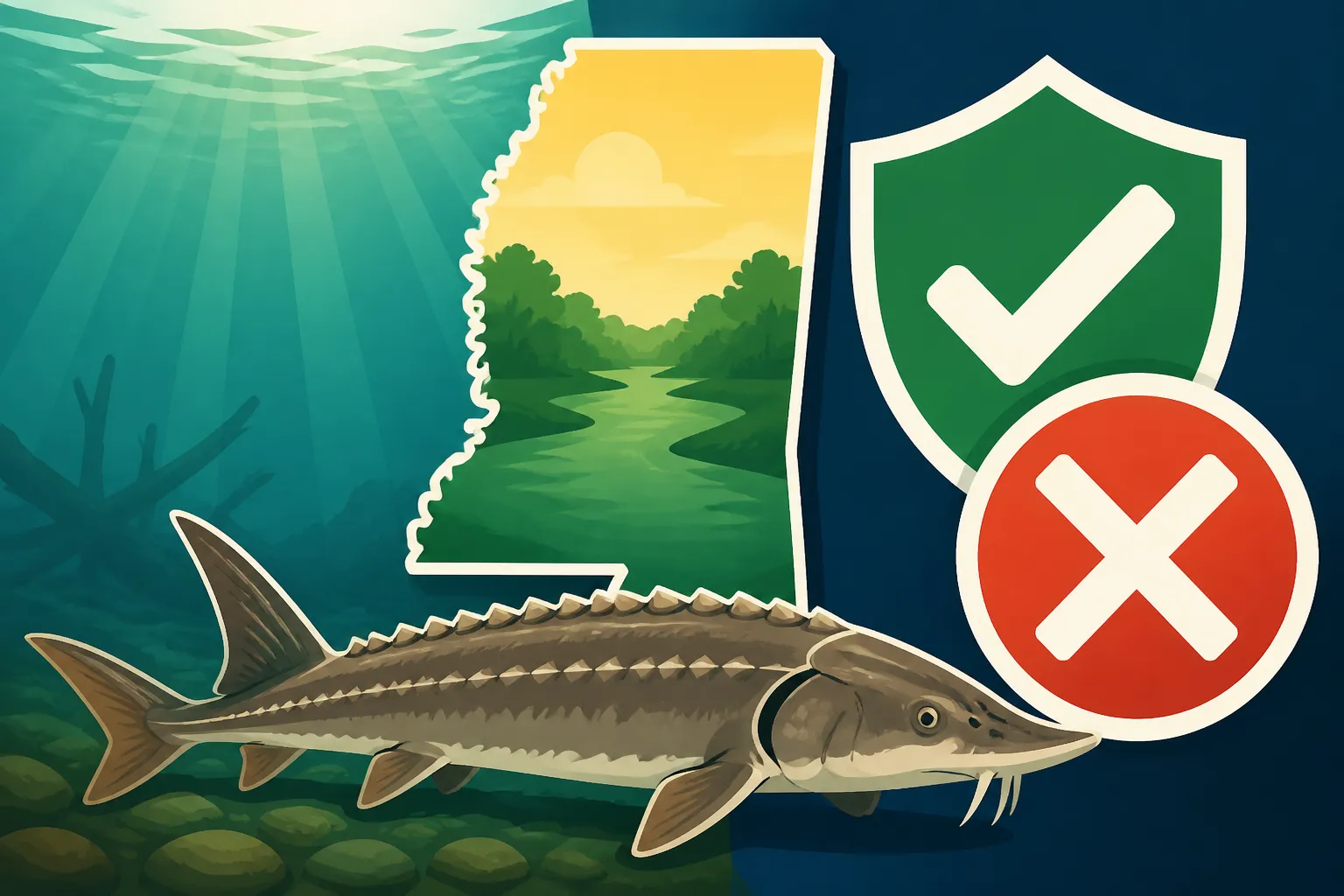
The question of whether sturgeon are protected in Mississippi is a valid one, and the short answer is a resounding yes. These magnificent, prehistoric fish are some of the most critically endangered species in North America, and Mississippi's waters are home to, or historically were home to, several species that are under various levels of federal and state protection. For an angler, encountering a sturgeon isn't just a rare catch; it's a significant event that demands careful handling and adherence to strict regulations. The penalties for harming or possessing a protected sturgeon can be severe, reinforcing the need for every fisherman to be aware and act responsibly.
Identifying Mississippi's Sturgeon Species Past and Present
Mississippi's large rivers and major tributaries, particularly the mighty Mississippi River itself, have historically been vital habitats for several sturgeon species. While some populations are sadly diminished or extirpated, two species remain particularly important to understand when fishing in the state: the Pallid Sturgeon and the Shovelnose Sturgeon. Knowing the difference, and recognizing their unique characteristics, is the first step in ensuring their protection.
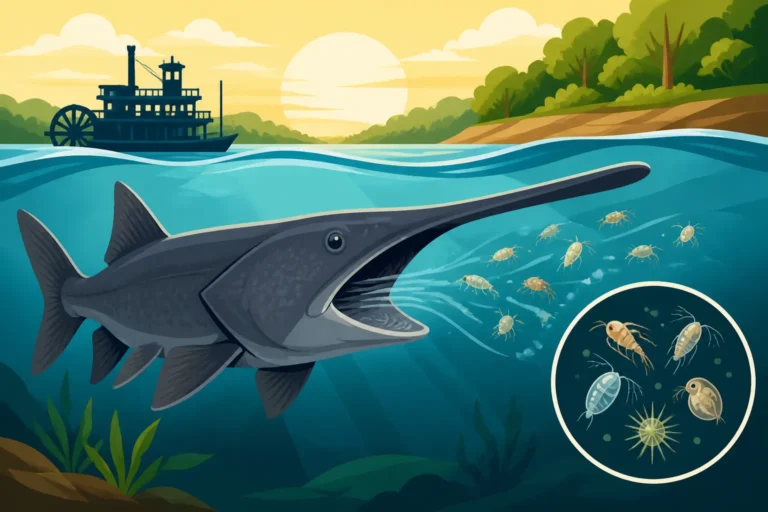
The Pallid Sturgeon (Scaphirhynchus albus) is perhaps the most critically endangered and the one you are least likely, but most significantly, to encounter. These incredible fish are federally listed as endangered, meaning they receive the highest level of protection. They are typically found in the murky, swift-flowing waters of the Missouri and lower Mississippi Rivers. Visually, they have a long, slender body, a flattened, shovel-like snout that's longer than it is wide, and small eyes. Their skin is smooth, lacking the bony plates found on many other sturgeon species, and they generally have a light, almost pallid, coloration, which gives them their name. Accidentally catching one of these is like winning a sad lottery – incredibly rare, and it demands immediate and careful release.
The Shovelnose Sturgeon (Scaphirhynchus platorynchus) is more common than the Pallid, but still protected in many areas and subject to strict regulations. They share a similar "shovel-nosed" appearance, but are generally smaller, darker, and have a distinctive fringed barbel on their lower lip. Their snout is also typically shorter and broader than the Pallid Sturgeon's. Shovelnose sturgeon are found throughout the Mississippi River basin, including within Mississippi's border waters. While not federally endangered, state regulations often protect them with strict size and possession limits, or outright bans on harvest, recognizing their vulnerability and the need to differentiate them from their federally protected cousins.
Historically, other species like the Lake Sturgeon (Acipenser fulvescens) were also found in parts of Mississippi, but their populations have been drastically reduced or eliminated due to habitat loss and overfishing in previous centuries. Today, encountering a Lake Sturgeon in Mississippi would be exceptionally rare, almost unheard of, but they are also a protected species where they still exist. Understanding these differences, even if you just know to identify any sturgeon, is critical. You can often find detailed field guides on Amazon that can help you discern between different fish species in Mississippi, including these subtle but important distinctions.
| Sturgeon Species (Mississippi Relevance) | Federal Status | State Status (Mississippi) | Key Identifying Features (Brief) |
|---|---|---|---|
| Pallid Sturgeon (Scaphirhynchus albus) | Endangered | Protected (No Harvest) | Long, slender; flattened snout; small eyes; no bony plates on belly |
| Shovelnose Sturgeon (Scaphirhynchus platorynchus) | Not Endangered | Protected (Specific Regulations/No Harvest) | Shorter, broader shovel snout; fringed barbel; darker color |
| Lake Sturgeon (Acipenser fulvescens) | Threatened (in some states) | Historically present/Extirpated in MS; Protected where present | Cone-shaped snout; large bony plates; generally larger overall |
The Legal Status: A Blanket of Protection
For any species designated as "endangered" or "threatened" under federal law, there is a comprehensive blanket of protection. This means it is illegal to "take" these fish, which includes harming, harassing, pursuing, hunting, shooting, wounding, killing, trapping, capturing, collecting, or attempting to do any of these things. Essentially, if you catch one, you cannot keep it, injure it, or fail to release it immediately and safely. This strong federal protection for species like the Pallid Sturgeon filters down to state regulations, making it a serious offense to interfere with these fish.
Beyond federal listings, the Mississippi Department of Wildlife, Fisheries, and Parks (MDWFP) also implements state-specific regulations to protect sturgeon populations. Even if a sturgeon species isn't federally listed as endangered, the state may impose its own rules, often prohibiting their harvest entirely or setting extremely restrictive creel and size limits. These measures are put in place to ensure the survival of sturgeon that are vulnerable to habitat changes, pollution, and accidental capture. It's truly a collaborative effort between federal and state agencies to give these ancient fish a fighting chance, and anglers are on the front lines of that effort every time they cast a line in Mississippi River Fishing Guide or other sturgeon habitats.
Understanding the Laws Behind Sturgeon Conservation
The intricate web of conservation laws that protect sturgeon in Mississippi, and across the nation, can sometimes feel a bit overwhelming, but they exist for a very good reason: to prevent the extinction of unique species. These laws are designed to address the various threats sturgeon face, from habitat destruction to incidental catch, and they empower agencies to manage and restore populations.
Federal Oversight: The Endangered Species Act's Reach
The most powerful piece of legislation protecting species like the Pallid Sturgeon is the federal Endangered Species Act (ESA). Enacted in 1973, this law provides for the conservation of species that are endangered or threatened throughout all or a significant portion of their range, and the conservation of the ecosystems on which they depend. When a species is listed under the ESA, it triggers a cascade of protections.
For the Pallid Sturgeon, which is federally listed as endangered, the ESA means that any activity that could "take" the fish is prohibited. This extends beyond intentional harm to include actions that indirectly injure or kill them, or modify their critical habitat. Federal agencies are required to consult with the U.S. Fish and Wildlife Service (USFWS) to ensure that any projects they fund, authorize, or carry out do not jeopardize the continued existence of the Pallid Sturgeon or destroy its critical habitat. This means that large infrastructure projects like dam maintenance, dredging operations, or flood control measures along the Mississippi River Fishing Guide must consider the impact on sturgeon. For an angler, it means that even an accidental catch must be treated with the utmost care, because the species itself is deemed to be in critical peril.
Mississippi's Commitment: State-Level Regulations
While federal laws provide a baseline, Mississippi takes its own commitment to sturgeon conservation seriously through state-level regulations. The MDWFP works closely with federal agencies to monitor sturgeon populations and implement rules that complement federal protections. For example, even for a species like the Shovelnose Sturgeon, which isn't federally listed as endangered but is still vulnerable, Mississippi might impose a statewide ban on harvesting them or establish very specific seasons and size limits. You can find detailed information on these specific rules in the annual Mississippi Fishing Regulations Explained booklet, which is essential reading for any angler in the state.
These state regulations are often more localized, taking into account the specific conditions and populations within Mississippi's unique river systems. They might restrict certain types of gear in areas known for sturgeon habitat, or require immediate release of any sturgeon caught, regardless of species, simply to err on the side of caution. This approach recognizes that every sturgeon is valuable to the overall health and genetic diversity of these ancient fish. Ignoring these regulations, whether federal or state, can lead to significant Mississippi Fishing License Penalties and Fines, underscoring the importance of knowing what's below the surface.
Your Role as an Angler: Encountering and Releasing Sturgeon
Accidentally hooking a sturgeon can be a startling experience, but it's also a chance to play a direct role in conservation. Your actions in those crucial moments can determine the fish's survival. It’s not just about avoiding a penalty; it’s about respecting these incredible creatures and contributing to their future.
Best Practices for Safe Catch-and-Release
If you find yourself with a sturgeon on your line, don't panic. The key is to act quickly, calmly, and with the fish's well-being as your top priority. Remember, it's illegal to remove a federally protected sturgeon from the water, and often illegal for other sturgeon species too. Here’s a step-by-step approach to ensure a safe release:
- Keep it in the Water: This is the most critical rule. Sturgeon need water to breathe, and exposing them to air, especially for too long, can cause severe stress and even death. If possible, net the fish in the water alongside your boat or guide it to a shallow bank.
- Minimize Handling: Touch the fish as little as possible. If you must handle it, wet your hands thoroughly first to protect its delicate slime coat. Avoid squeezing or holding it by the gills.
- Quickly Remove the Hook: Have your tools ready. A good pair of long-nosed pliers or a de-hooker, which you can easily find on Amazon, is invaluable for quickly and efficiently removing hooks. If the hook is deeply embedded and removal would cause more trauma, it's sometimes better to cut the line as close to the hook as possible, leaving the hook in place. Many hooks will rust out over time.
- Avoid Excessive Stress: Don't fight the fish longer than necessary. Once you've got it under control, work to release it. Don't take extra time for photos, especially if it means taking the fish out of the water.
- Revive if Necessary: If the fish seems sluggish after hook removal, hold it gently in the water, facing the current. Move it back and forth slightly to push water over its gills. When it starts to swim strongly on its own, let it go.
Practicing these techniques for catch-and-release isn't just for sturgeon; it's beneficial for all game fish you intend to release, contributing to healthy fish populations. Learning proper handling ensures that the fish you release can go on to reproduce and grow, benefiting the entire ecosystem.
The Importance of Reporting Sturgeon Sightings
Believe it or not, your accidental catch or even a simple sighting of a sturgeon can provide invaluable data to biologists and conservationists. Because these fish are so rare and elusive, every piece of information helps paint a clearer picture of their population numbers, distribution, and habitat use.
If you encounter a sturgeon, especially a Pallid Sturgeon, consider reporting it to the MDWFP or the USFWS. You can usually find contact information for these agencies in the fishing regulations guide or on their websites. What kind of information is helpful?
- Location: Be as precise as possible. GPS coordinates are ideal, but a detailed description of the area (e.g., "about 2 miles downstream from the Vicksburg bridge on the Mississippi River") is also very useful.
- Date and Time: When did you see or catch it?
- Species (if known): Did you get a good look? Was it clearly a Pallid, or perhaps a Shovelnose? Don't worry if you're not 100% sure; just provide your best assessment.
- Size: An estimated length (and maybe girth) is helpful.
- Condition of the fish: Was it healthy? Did it swim away strongly?
- Photos: If you managed to get a quick, in-water photo without stressing the fish, that can be incredibly valuable for identification and documentation.
This data helps agencies track recovery efforts, identify critical habitats, and understand population trends. It allows them to refine conservation strategies and allocate resources more effectively. So, next time you're out on the Mississippi River Fishing Guide and spot something unusual, remember that your observation could make a real difference for the future of Rarest Fish Found in Mississippi Waters. Consider carrying a small, waterproof notepad, available on Amazon, to quickly jot down these details before they slip your mind.
Looking Ahead: The Future of Sturgeon in Our Waters
The story of sturgeon in Mississippi, like many places, is one of decline, but also of hope. Dedicated conservation efforts, backed by both federal and state regulations, are striving to bring these ancient species back from the brink. The success of these programs relies not only on government initiatives but also on the conscious efforts of every angler who respects the waters they fish.
Ongoing Efforts to Restore Sturgeon Populations
Conservation agencies in Mississippi and across the nation are engaged in a variety of efforts to restore sturgeon populations. These aren't quick fixes; they are long-term, complex projects that require significant investment and scientific understanding.
One major focus is habitat restoration and improvement. Sturgeon, especially species like the Pallid, rely on specific riverine habitats that have been altered by dam construction, dredging, and channelization over the past century. Projects aim to restore natural flow patterns, create shallow backwater areas, and re-establish native vegetation, providing critical spawning and rearing grounds. For instance, efforts to manage water levels and flows on the Mississippi River are carefully considered to benefit sturgeon as well as navigation.
Another vital component is stocking programs. For species with severely depleted numbers, agencies might raise sturgeon in hatcheries and then release them into suitable habitats. These fish are often tagged, allowing biologists to track their survival, movements, and reproductive success, providing crucial data on the effectiveness of the stocking efforts. These programs are often complex, as sturgeon have long lifespans and are slow to mature, meaning recovery efforts can take decades to show significant results.
Research is also continuous. Scientists study sturgeon genetics, migratory patterns, diet, and environmental needs to better understand what helps them thrive. This research informs management decisions and helps ensure that conservation resources are used as effectively as possible. Without this dedicated scientific work, our understanding of these mysterious fish would be severely limited. You can imagine the immense effort it takes to gather data on a species that lives deep in murky river waters.
How Anglers Can Contribute to Conservation
Every angler holds a piece of the puzzle when it comes to sturgeon conservation. Beyond simply complying with regulations, there are proactive steps you can take to contribute to the recovery of these magnificent fish.
First and foremost, continued education is key. Staying informed about Mississippi Freshwater Fishing Rules and specific regulations, especially in areas known for sturgeon, is paramount. Regularly check the MDWFP website or pick up the latest fishing guide to ensure you're aware of any changes. Understanding that Do You Need a License to Fish in Mississippi? is just the beginning of your responsibilities as an ethical angler.
Secondly, practicing responsible angling techniques helps all fish, including non-target species like sturgeon. This means using appropriate tackle for the target species (avoiding overly heavy gear that might overtire a sturgeon), using barbless hooks when practical, and being prepared for quick, careful release. If you're fishing in known sturgeon habitat, it's a good idea to have your de-hooking tools easily accessible.
Finally, spreading awareness among your fellow anglers and fishing community can make a big difference. Share what you’ve learned about sturgeon protection and safe handling practices. Encourage others to report sightings and to fish responsibly. The more people who understand the importance of these efforts, the greater the chance that future generations will also have the opportunity to marvel at these ancient survivors in Mississippi's rich waterways. It’s about building a culture of conservation, one angler at a time.
Disclaimer
This article is for general informational purposes only and does not constitute professional advice. Laws, prices and regulations vary by location and change over time. Consult a qualified professional for guidance on your specific situation.