Sturgeon Size in the Mississippi River
When you think about the Mississippi River, images of grand paddlewheel boats, vast stretches of water, and maybe even a giant catfish might come to mind. But lurking beneath those currents are some of the river's oldest residents: sturgeon. Many anglers, new and seasoned alike, often wonder about these ancient fish and just how big they can get, especially given their unique appearance and sometimes elusive nature. This guide will dive deep into the world of sturgeon in the Mississippi River, exploring the species you might encounter and the impressive sizes they can reach.
Understanding Mississippi River Sturgeon Species
Before we talk about size, it’s important to understand which sturgeon we're actually talking about when we discuss the Mississippi River. It’s not a one-size-fits-all situation. The Mississippi River, particularly the stretches within or bordering Mississippi, is primarily home to two distinct sturgeon species: the shovelnose sturgeon and the much rarer pallid sturgeon. These fish have adapted to the strong currents and silty bottoms of this immense river system over millennia, developing unique characteristics that set them apart. Understanding these differences is key to appreciating their roles in the ecosystem and the challenges they face.
The Shovelnose Sturgeon: A Common River Dweller
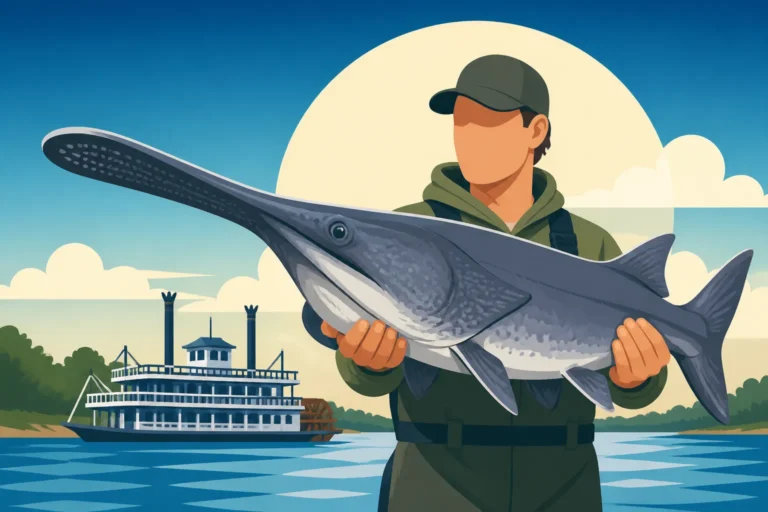
The shovelnose sturgeon is the most commonly encountered sturgeon species in the Mississippi River system. They get their name from their distinctive flattened, shovel-like snout, which is perfectly designed for rooting around in the river bottom for food. These fish are relatively small compared to some of their global sturgeon cousins, but within the context of the Mississippi, they're a significant and fascinating species.
You'll often find shovelnose sturgeon in the main channels of large rivers, preferring areas with strong currents and sandy or gravelly bottoms. They are benthic feeders, meaning they forage on the bottom for insects, crustaceans, and small fish. While they are a native species, their populations have faced pressures from habitat modification and overfishing in the past, though conservation efforts have helped stabilize their numbers in many areas. For those interested in the broader picture of river life, a comprehensive Mississippi River Fishing Guide can offer insights into the diverse ecosystem these fish inhabit.
The Elusive Pallid Sturgeon: A Protected Giant
Then there's the pallid sturgeon – a truly magnificent and, sadly, critically endangered species. The pallid sturgeon is a ghostly, pale-colored fish, which gives it its name, and it’s truly a marvel of evolutionary adaptation to the turbid waters of the Missouri and Lower Mississippi Rivers. Unlike the more common shovelnose, the pallid sturgeon is a federally protected species, meaning it is illegal to intentionally fish for or possess them. Any encounter with a pallid sturgeon by an angler is typically accidental, and the fish must be immediately and carefully released.
Their rarity makes them an almost mythical creature to many river enthusiasts. They prefer the turbid, warm, and broad stretches of the big river, often in areas with complex sandbars and side channels. Their diet is similar to the shovelnose, focusing on invertebrates and small fish found on the river bottom. The plight of the pallid sturgeon highlights the importance of understanding and protecting Sturgeon in Mississippi Waters and the intricate web of life in our rivers.
The Mighty Shovelnose Sturgeon: Typical Sizes in Mississippi
Let's get down to the brass tacks of what most people are curious about: how big these fish actually get! For the shovelnose sturgeon, you might be surprised by their robust, yet manageable, size. These are not the monstrous sturgeon you might hear about in tales from other continents, but they are certainly respectable fish that demand respect and careful handling.
Average Length and Weight of Shovelnose Sturgeon
Typically, adult shovelnose sturgeon in the Mississippi River range from about 20 to 30 inches in length. While 30 inches might not sound like a giant to some, consider the solid, armored body and powerful tail of these fish; they put up a surprisingly strong fight on a rod and reel. In terms of weight, most adult shovelnose sturgeon will fall within the 2 to 5 pound range. These are tough, bottom-dwelling fish built for powerful currents, so every pound feels substantial.
Imagine hooking into one of these while targeting catfish; it's an exciting surprise. While they are a legal catch in certain areas with proper Mississippi Fishing Regulations Explained, it’s always best to consult the latest guidelines for specific creel and size limits before keeping any fish. These regulations are designed to ensure the health of the species for future generations of anglers.
Factors Influencing Shovelnose Sturgeon Growth
Several environmental and biological factors play a significant role in how large a shovelnose sturgeon can grow in the Mississippi River. Just like any fish, their size is not solely about age, but about the conditions they live in.
Firstly, food availability is paramount. A river section rich in their preferred benthic invertebrates and small fish will naturally support larger, healthier sturgeon. Think about a farmer's field – the more fertile, the bigger the crop. Similarly, a healthy river bottom teeming with life provides an ideal environment. Secondly, water quality and habitat stability are crucial. Areas with consistent flows, clean water, and stable bottom substrates allow sturgeon to thrive. Pollution or drastic changes in river flow can stress fish, impacting their growth and overall health. Lastly, population density can also be a factor. In areas with fewer fish competing for resources, individual sturgeon might grow larger and faster. It's all about that delicate balance of nature.
The Elusive Pallid Sturgeon: The River's True Giants
Now, for the really big ones – the pallid sturgeon. While they are far less common to encounter, these fish represent the true potential for size among sturgeon in the Mississippi River. Their existence is a testament to the river's wild history and its ongoing need for protection.
Potential Size and Weight of Pallid Sturgeon
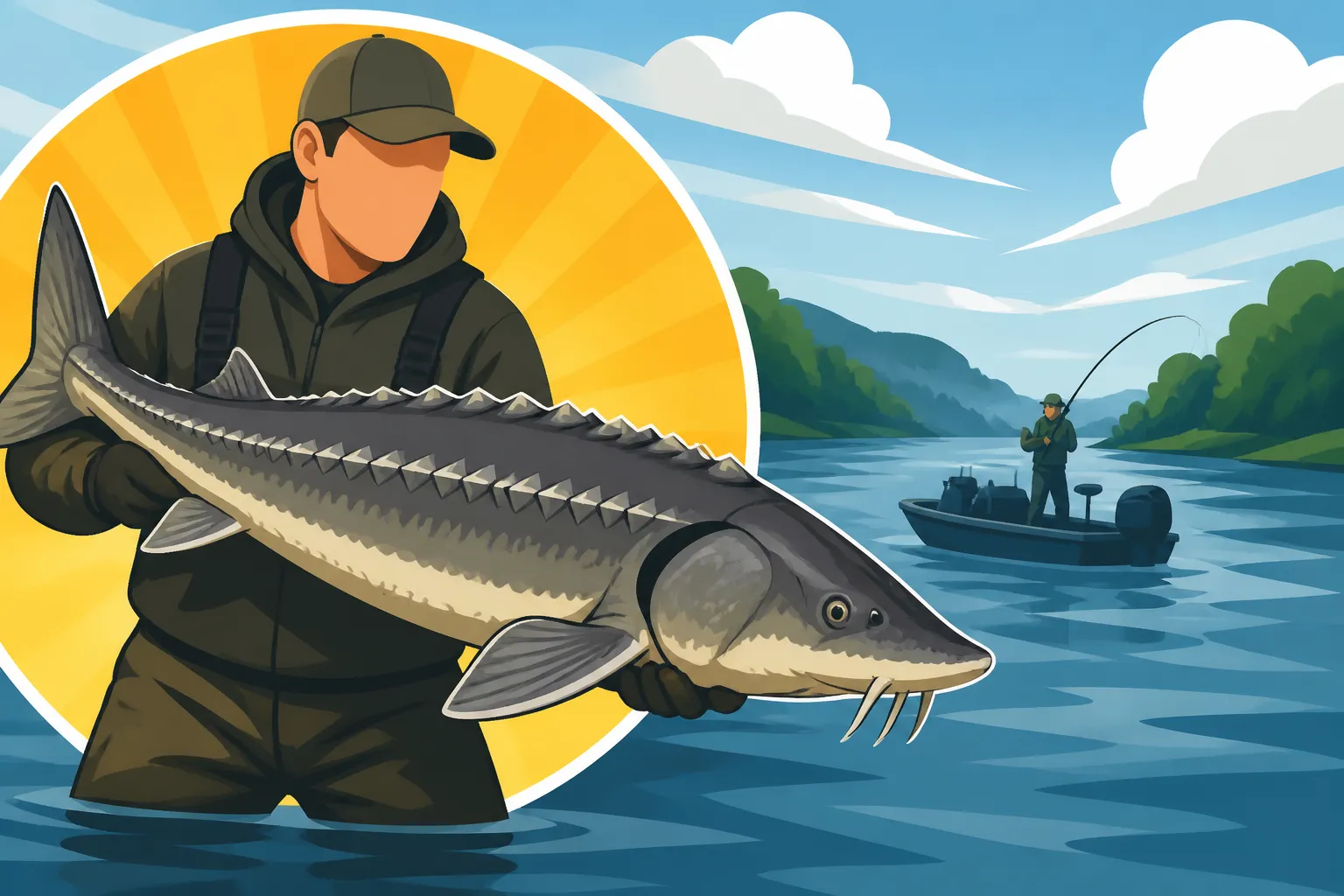
Pallid sturgeon are in a completely different league when it comes to size compared to their shovelnose cousins. These magnificent fish can grow to impressive lengths, often reaching lengths of 5 to 6 feet, and some individuals have been documented even longer! When it comes to weight, a large pallid sturgeon can easily tip the scales at 60 to 80 pounds, with the potential for even heavier specimens. Imagine encountering a fish longer than you are tall, weighing more than a small child, all from the depths of the Mississippi. It's truly a sight to behold, albeit a rare one.
Because they are endangered, catching a pallid sturgeon is a moment for awe and immediate, careful release. It's a reminder of the wild, untamed nature that still exists in our vast river systems. For a broader understanding of various species, the Mississippi Freshwater Fish Species Guide offers invaluable information on what you might encounter.
Why Pallid Sturgeon Are So Rarely Seen
The rarity of the pallid sturgeon is a complex issue, tied deeply to their life history and the changes that have occurred in the Mississippi River over the last century. They are not just scarce; they are on the brink.
One major reason is habitat alteration. Large-scale river engineering projects, such as dams, channelization, and dredging, have profoundly changed the natural flow and habitat dynamics of the Mississippi and Missouri Rivers. Pallid sturgeon rely on specific, dynamic habitats like complex sandbar formations and side channels that have been dramatically reduced or altered. This has impacted their ability to spawn successfully and for their young to survive. Additionally, their slow growth rate and late maturity mean it takes a long time for them to reach reproductive age, making population recovery a painfully slow process. Conservation efforts are ongoing, focusing on habitat restoration and monitoring, but the pallid sturgeon remains a poignant symbol of the challenges facing our river ecosystems. Finding resources, like specialized fishing guides or conservation literature on Amazon, can help support these efforts by raising awareness and providing information.
Comparing Sturgeon Sizes in Mississippi
To give you a clearer picture, here’s a quick comparison of the typical sizes you might find for these two fascinating sturgeon species in the Mississippi River. Keep in mind that these are general ranges, and nature always has its exceptions!
| Feature | Shovelnose Sturgeon | Pallid Sturgeon |
|---|---|---|
| Typical Length | 20-30 inches | 60-72 inches (5-6 feet) |
| Typical Weight | 2-5 pounds | 60-80 pounds |
| Maximum Potential | Up to 3 feet, ~8 pounds | Over 6 feet, ~100 pounds |
| Encounter Rate | Relatively common | Extremely rare |
| Conservation Status | Stable, but monitored | Federally Endangered |
| Legal to Keep? | Yes, with license/regulations | No, must be immediately released |
This table really puts into perspective the difference between the more common shovelnose and the truly monumental, yet imperiled, pallid sturgeon. If you’re ever lucky enough to encounter one of the larger species, consider it an incredible privilege and a signal of the river's wild heart.
What to Do if You Encounter a Sturgeon While Fishing
It’s one thing to read about sturgeon, and another entirely to have one on your line. While shovelnose sturgeon can be legally harvested according to Mississippi Fishing Creel and Size Limits, encountering a pallid sturgeon requires a different approach entirely. Being prepared for either scenario is part of being a responsible angler on the Mississippi River.
Identifying Your Catch: Shovelnose vs. Pallid
Knowing the difference between a shovelnose and a pallid sturgeon is crucial, especially because of the pallid's protected status. The primary difference lies in their coloration and body shape. Shovelnose sturgeon are typically darker, with a more pronounced, shovel-like snout and often have a fringe of barbels (whiskers) that are uneven in length, with the outer barbels usually longer. They also tend to have a scute (bony plate) behind the dorsal fin.
Pallid sturgeon, on the other hand, are much paler, often a grayish-white or yellowish color, helping them blend in with the turbid, silty river bottom. Their snouts are flatter, broader, and more duck-bill-like, and their barbels are typically uniform in length, lying closer to the snout. Crucially, they usually lack a scute behind the dorsal fin. If there's any doubt, always err on the side of caution and treat it as a pallid sturgeon. Knowing your species is vital, and a good field guide, easily found on Amazon, can be an invaluable tool to keep on your boat or in your tackle box.
Handling and Releasing Protected Species
If you believe you have caught a pallid sturgeon, or are simply unsure, the immediate priority is to release it safely and quickly. These are delicate, ancient fish that need every chance to survive. Here’s how to handle such a sensitive situation:
First, try to keep the fish in the water as much as possible. Avoid dragging it onto the bank or into the boat. If you need to bring it closer to remove the hook, do so gently and quickly. Use needle-nose pliers or a dehooking tool to remove the hook. If the hook is deeply embedded, it may be better to cut the line as close to the hook as possible, as the hook will likely rust out over time, and attempting to remove it could cause more harm. Avoid touching the fish’s eyes or gills. Hold the fish gently, supporting its body, and release it in a calm area of the water, allowing it to swim away on its own power. Sometimes, supporting it gently until it shows signs of wanting to swim off is best. Remember, protecting species like the pallid sturgeon is a critical part of ethical angling, as detailed in various guides on Are Sturgeon Protected in Mississippi?.
The Future of Sturgeon in the Mississippi River
The presence of sturgeon in the Mississippi River speaks volumes about the river's health and its ongoing journey of recovery and conservation. These fish are living fossils, connecting us to a time long past, and their future depends on our actions today.
Conservation Efforts and Their Impact
There are extensive conservation efforts underway for both shovelnose and pallid sturgeon throughout the Mississippi River basin. For shovelnose sturgeon, management strategies focus on monitoring populations, ensuring sustainable harvest levels, and protecting critical habitats. Regular surveys help biologists understand population dynamics and adjust Mississippi Fishing Season Dates and Limits as needed.
For pallid sturgeon, the efforts are much more intensive due to their endangered status. These include captive breeding programs, stocking efforts in suitable habitats, and large-scale river restoration projects aimed at recreating the complex, dynamic river environments they need to thrive. These projects often involve working with federal and state agencies, and local conservation groups to ensure the long-term viability of the species. Learning about these efforts can really deepen your appreciation for Mississippi Freshwater Fishing Rules and why they exist.
How Anglers Can Contribute to Sturgeon Preservation
As anglers, we have a vital role to play in the preservation of sturgeon and all aquatic life in the Mississippi River. It’s not just about what we catch, but how we engage with the entire ecosystem.
One of the most important contributions is simply being informed. Know your fish species, understand the regulations, and follow them diligently. Participate in catch-and-release practices for vulnerable species, and always handle fish with care to minimize stress and injury. Report any unusual sightings of protected species to the Mississippi Department of Wildlife, Fisheries, and Parks. Supporting organizations that focus on river conservation and habitat restoration can also make a significant impact. Choosing environmentally friendly fishing gear and practicing responsible waste disposal are also small but crucial steps. By taking these actions, you become a steward of the river, ensuring that magnificent creatures like the sturgeon continue to grace the waters of the Mississippi for generations to come.
Disclaimer
This article is for general informational purposes only and does not constitute professional advice. Laws, prices and regulations vary by location and change over time. Consult a qualified professional for guidance on your specific situation.