Flounder Fishing on the Mississippi Coast
Many anglers dream of landing a delicious flounder on the Mississippi Coast, but let's be honest, these flat, camouflaged fish can be incredibly frustrating to find, let alone catch. It's easy to spend hours casting into what seems like perfect water, only to come up empty-handed while hearing tales of others hauling in limits. If you've ever felt like flounder were just a myth, or that you were missing some secret trick, you're not alone. This comprehensive guide is designed to cut through that frustration, providing you with practical insights into the habits, locations, and techniques necessary to successfully target and reel in flounder from the beautiful waters of our Mississippi Gulf Coast.
Understanding the Elusive Flounder
Flounder are fascinating creatures, true masters of disguise that can make them incredibly challenging targets for even seasoned anglers. Before you can hope to catch one, it's really helpful to understand who you're dealing with.
Identifying the Gulf Flounder
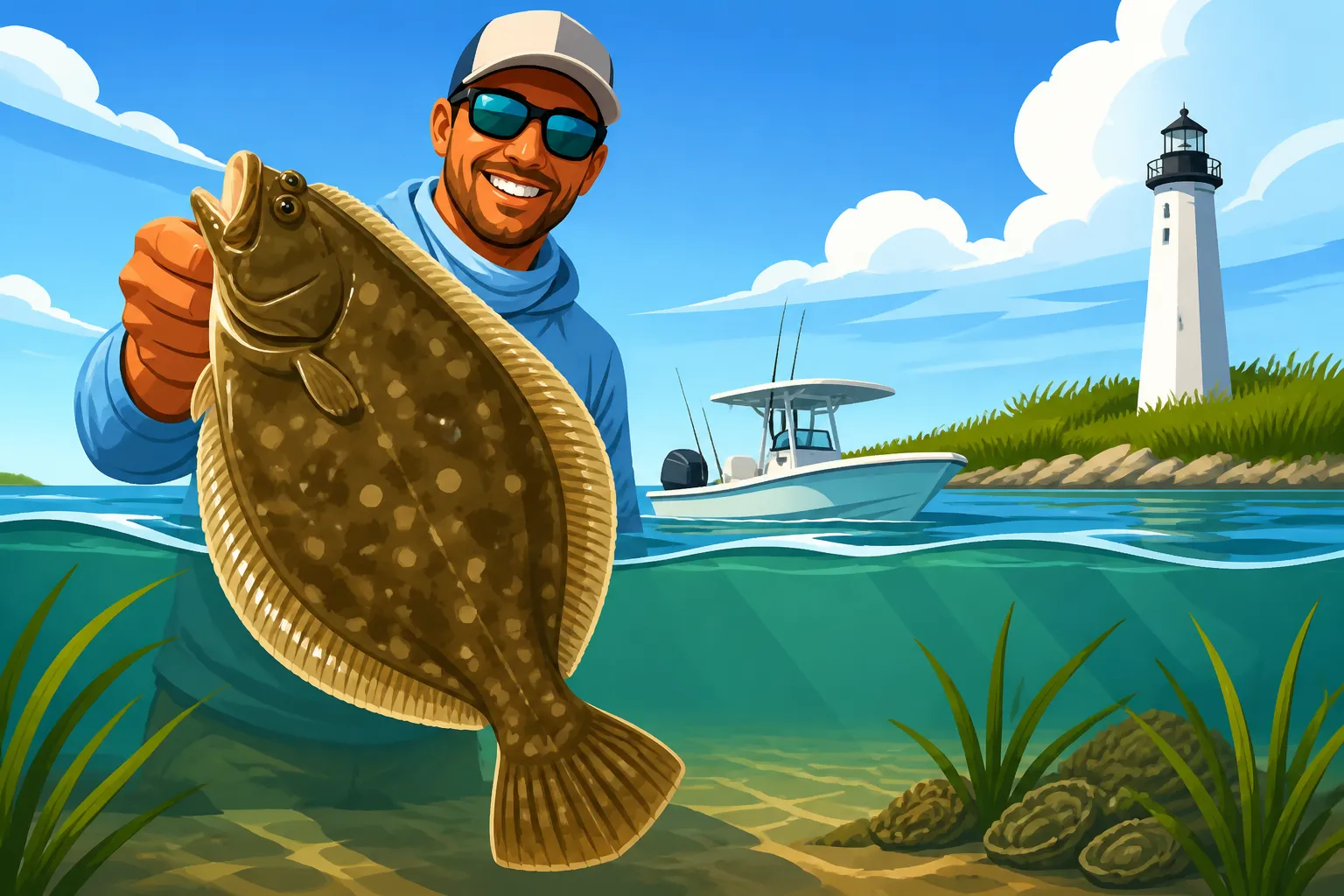
When we talk about flounder fishing on the Mississippi Coast, we're primarily focused on the Gulf Flounder, though you might occasionally encounter others. These fish are truly unique. Born with eyes on either side of their head, one eye actually migrates to the other side as they mature, giving them their characteristic "flat" appearance with both eyes on one side. This adaptation is crucial for their bottom-dwelling lifestyle. Their body color can also change remarkably quickly to match their surroundings – from sandy beige to mottled grey, making them virtually invisible against the seafloor. Look for their distinct diamond or teardrop shape, and pay attention to the eye placement. Usually, Gulf Flounder are right-eyed, meaning both eyes are on the right side of their body when viewed from above with the mouth pointing forward. Knowing how to identify them helps ensure you're targeting the right species and adhering to specific regulations. Flounder Size on the Mississippi Coast covers what to expect in terms of size for these fascinating flatfish.
When you finally get one in hand, you'll notice their relatively small, upturned mouth, which is perfectly designed for ambushing prey from below. They also have sharp teeth, so a bit of caution when handling them is always a good idea! Their unique body shape isn't just for camouflage; it allows them to lie perfectly flat, almost disappearing into the sediment, waiting for an unsuspecting meal to swim by. This incredible ability is why they are such a prized catch – they put up a good fight and are incredibly tricky to fool.
Where Flounder Hide: Masters of Disguise
Flounder aren't just camouflaged; they're strategically camouflaged. They don't just hang out anywhere; they pick specific spots that offer them both cover and an ambush point. You'll typically find them burrowed into sandy or muddy bottoms, often near some kind of structure that breaks the current or provides additional cover. Think about the edges of oyster reefs, the pilings of piers and jetties, submerged rock piles, grass beds, and even subtle changes in bottom contour like small depressions or ledges. These spots create natural current breaks and eddies where baitfish, shrimp, and crabs might congregate or be washed past.
Imagine a flounder lying almost completely buried in the sand, with only its eyes peeking out. As the current pushes bait along, the flounder waits patiently. A perfect ambush spot for them is often where a hard bottom transitions to a soft, muddy bottom, or where a channel edge drops off. These subtle features, which might seem insignificant to us, are prime real estate for a flounder looking for its next meal. Learning to "read" the water and identify these types of bottom structures and current flows will dramatically increase your chances of finding them.
Flounder Feeding Habits: The Ambush Predator
These flatfish are not active chasers; they are classic ambush predators. Their strategy is patience and surprise. They lie perfectly still, often partially buried, waiting for small baitfish, shrimp, or crabs to swim within striking distance. Once their prey is close enough, they erupt from the bottom with astonishing speed, engulfing their meal in one swift motion. This means your presentation needs to mimic either a wounded baitfish struggling near the bottom or a scurrying shrimp or crab.
Understanding this ambush behavior is key to your fishing technique. You're not looking for them to chase your lure across a wide expanse. Instead, you need to present your bait right into their strike zone, often slowly dragging or bumping it along the bottom directly where they might be hiding. The goal is to make your offering look like an easy meal that's just a little too close to pass up. Knowing flounder diet and feeding habits can really help you choose the most enticing bait. They're opportunistic, so anything small and meaty that passes by their camouflaged lair is fair game.
Best Times and Seasons for Flounder on the Mississippi Coast
Timing is everything when it comes to flounder fishing. These fish are migratory, and their activity levels are heavily influenced by the seasons and the tides. Knowing when and where to find them can be the difference between a frustrating day and a successful outing.
Seasonal Migration and Activity Peaks
Flounder on the Mississippi Coast have distinct seasonal patterns. The late fall and early winter months are arguably the absolute best time to target them, a period often referred to as the "flounder run." During this time, larger flounder migrate out of the shallow bays and estuaries into deeper nearshore waters of the Gulf of Mexico to spawn. This means they are actively feeding, preparing for the rigors of spawning, and often congregate in predictable areas. Anglers will find them in higher numbers around inlets, passes, and deeper channels leading out to the Gulf.
While the fall run is prime, you can still catch flounder throughout the year. In spring, after spawning, they begin to move back into the inshore waters, and while they might be a bit more scattered, they're still present. Summer sees them firmly established in the bays, bayous, and along the coastline, often seeking slightly deeper or cooler pockets of water during the hottest parts of the day. They'll also be found around structures and current breaks in these inshore areas. Don't discount those warmer months, but definitely mark your calendar for the fall!
The Influence of Tides and Current
More than almost any other factor, tidal movement and current are absolutely critical for flounder fishing. Flounder are ambush predators that rely on the current to bring food to them. Strong, moving tides are generally your best friend. An outgoing tide is often considered ideal, especially when it's pulling water, bait, and nutrients out of the shallow bayous and estuaries through passes and channels. This concentrates the bait, and where the bait goes, the flounder will be waiting.
Look for areas where the current creates eddies or funnels, such as around points, jetties, bridge pilings, or the mouths of bayous. Flounder will position themselves just out of the main current, in these calmer "slack" areas, waiting for baitfish to be swept past them. Fishing the last half of an outgoing tide and the first part of an incoming tide can also be very productive as water levels change and bait is on the move. Conversely, slack tide – when the water is neither coming in nor going out – usually means slower fishing, as the bait isn't moving as much. Paying close attention to How to Read Tide Charts for Gulf Coast Fishing will significantly boost your success.
Time of Day: When the Bite is On
While tides are paramount, the time of day certainly plays a role too, especially when coupled with optimal tidal conditions. Flounder can bite throughout the day, but they often seem more active during low light conditions – early mornings, late evenings, and even into the night. The cooler water temperatures and reduced light make them feel more comfortable leaving their perfectly camouflaged spots to feed.
During these low light periods, baitfish are also often more active, moving about and making themselves vulnerable. If you're planning a trip, try to align a good tidal swing with either dawn or dusk. Overcast days can also mimic low light conditions, extending the prime bite throughout the midday. Night fishing, particularly for gigging, is a whole different ballgame and is incredibly effective. For traditional rod and reel fishing, though, those sunrise and sunset windows often prove most fruitful, especially when combined with a strong, moving tide.
Prime Flounder Fishing Spots Along the Mississippi Coast
The Mississippi Gulf Coast offers a diverse array of habitats, and fortunately for flounder anglers, many of them hold these flatfish. Knowing where to focus your efforts can save you a lot of time and lead to more hookups.
Piers, Jetties, and Man-Made Structures
Man-made structures like fishing piers, rock jetties, and bridge pilings are absolute magnets for flounder. These structures create current breaks, provide vertical relief, and attract a myriad of baitfish and crustaceans, making them perfect ambush points for flounder. The pilings themselves can hold flounder, and the debris or rocks around their bases offer excellent camouflage. Anglers often find success by casting parallel to the pier or jetty, allowing their bait or lure to drift along the edge or into the eddies created by the structure.
Think about the Biloxi Back Bay piers or the Bay St. Louis Bridge. Flounder will often hug the bottom right next to these structures, waiting for an easy meal to be washed past. You might even find them burrowed into the sand at the very base of a rock jetty. The key is to get your bait right on the bottom and work it slowly near these ambush points. These are also excellent spots for bank-bound anglers, as they provide deep water access without needing a boat. For specific locations, check out the Biloxi Fishing Pier Guide and the Bay St. Louis Pier and Bank Fishing Spots.
Bayous, Estuaries, and Inshore Flats
The extensive network of bayous, estuaries, and shallow inshore flats along the Mississippi Coast are critical habitats for flounder, especially during warmer months. These areas are teeming with life, offering abundant food sources like shrimp, crabs, and juvenile baitfish. Flounder will cruise the edges of marsh grass, oyster reefs, and channels within these systems. Look for areas with slight depth changes, potholes in grass flats, or muddy bottoms adjacent to sandy spots.
When fishing these areas, patience and a keen eye are essential. Often, flounder will be lying on the bottom near the edge of a grass bed or a shallow oyster bar, waiting to ambush anything that passes by. Using a boat or kayak allows you to cover more ground and access these shallower, more secluded spots. Drifting with the current through a bayou mouth or slowly working a jig along the bottom of a tidal creek can be incredibly effective. Consider exploring locations mentioned in the Biloxi Bay Fishing Guide or Pascagoula Bay Fishing Guide for prime inshore action.
Surf Fishing and Nearshore Beaches
Don't overlook the potential for flounder right from the surf or along the nearshore beaches, especially during the fall migration. While it might seem like wide-open water, flounder will position themselves in subtle features along the coastline. Look for troughs, guts (deeper channels parallel to the beach), sandbars, and washouts near the shore. These features often concentrate baitfish and provide excellent ambush points.
When surf fishing for flounder, cast beyond the first sandbar and slowly retrieve your bait or lure, allowing it to bump and drag along the bottom. The key is to cover ground and present your offering where flounder might be lying in wait. Sometimes, a subtle change in the wave pattern can indicate a deeper trough where flounder might be holding. Early mornings and late evenings, particularly during strong outgoing tides, can be very productive in the surf. A good pair of polarized sunglasses will help you spot these subtle bottom changes.
Essential Gear and Tackle for Flounder Fishing
Having the right gear makes a huge difference in your flounder fishing success. You don't necessarily need the most expensive equipment, but matching your tackle to the species and conditions will greatly improve your chances.
Rod, Reel, and Line Selection
For flounder fishing, a light to medium-light action spinning rod, typically 6 to 7 feet in length, is ideal. This rod will provide enough sensitivity to feel those subtle flounder bites while still having enough backbone to handle a decent-sized fish. Pair it with a 2500 to 3000 series spinning reel. This setup is versatile, easy to cast, and provides good control. Many anglers find quality rods and reels perfect for flounder fishing available on Amazon, offering a wide range of options to suit any budget and preference.
For line, a braided line in the 10 to 15 lb test range is an excellent choice for your main line. Braid offers superior sensitivity, allowing you to feel even the slightest tap from a flounder, and its low stretch ensures solid hooksets. Because braid is visible in clear water and flounder have keen eyesight, you'll want to use a fluorocarbon leader. A 15 to 20 lb test fluorocarbon leader, about 2-3 feet long, is practically invisible underwater and offers good abrasion resistance against sharp shells and flounder teeth. This combination provides the best of both worlds: sensitivity and stealth.
Hooks, Weights, and Rigs for Success
The Carolina rig is hands-down one of the most effective setups for flounder fishing. It allows your bait to be presented naturally along the bottom while minimizing snags. To tie a Carolina rig, you'll need:
- Egg Sinker: A 1/2 oz to 1 oz egg sinker (or bank sinker in heavier current) is usually sufficient. The weight depends on the current and depth; you want just enough to keep your bait on the bottom without it being completely stationary.
- Swivel: A small, strong barrel swivel (size 7 or 8) to connect your main line to your leader and prevent line twist.
- Leader: A fluorocarbon leader (15-20 lb test) about 12-24 inches long. The length can vary – a shorter leader keeps the bait closer to the weight, good for feeling subtle bites, while a longer leader gives the bait more natural movement.
- Hook: A Kahle hook (also known as a flounder hook), in sizes 1/0 to 3/0, is excellent. Its wide gap and unique shape are perfect for hooking flounder that mouth the bait. Circle hooks of similar size can also be effective for minimizing gut hooks, especially if you're practicing catch and release.
Another simple but effective option is a jig head with a soft plastic tail. Jig heads from 1/4 oz to 3/4 oz are common, depending on depth and current. These allow for a more active presentation, bumping and dragging along the bottom.
The Best Baits: Live and Artificial
Flounder are primarily meat-eaters, and they rarely turn down a fresh, live meal.
Live Bait:
- Live Shrimp: Always a top choice. Shrimp are natural prey for flounder and their frantic movements are irresistible. Hook them through the horn or the tail.
- Live Minnows (Mud Minnows, Finger Mullet): These are excellent flounder baits. Flounder absolutely love small fish. Hook them through the lips or just behind the dorsal fin. Mud minnows are particularly hardy and can withstand a lot of abuse on the hook.
- Small Live Croaker: Another fantastic flounder bait, especially for targeting larger fish.
Artificial Lures:
While live bait is often king, artificial lures can be incredibly effective, especially when you need to cover a lot of ground or when live bait is hard to come by. Many anglers find great deals on artificial baits and other fishing essentials on Amazon.
- Soft Plastics: Scented soft plastics, like those from Berkley Gulp!, are hugely popular. Shrimp imitations, Gulp! Mullet, or curly-tail grub baits rigged on a jig head are deadly. The key is to work them slowly along the bottom, mimicking a wounded baitfish or scurrying crustacean.
- Bucktail Jigs: These classic lures, tipped with a piece of scented soft plastic or a strip of cut bait, can also be very productive when jigged or dragged along the bottom.
Regardless of your choice, the presentation needs to be slow and on the bottom. Remember, flounder are ambush predators, so your bait needs to come right to them.
Effective Techniques to Catch More Flounder
Catching flounder consistently requires specific techniques that play into their ambush predator nature. It's less about fast retrieves and more about patience and precise presentation.
The Art of Bottom Fishing and Drifting
Bottom fishing is the most common and effective technique for flounder. Using a Carolina rig (as described above) is standard. The goal is to keep your bait directly on the bottom, where flounder are lying in wait.
- Slow Retrieve: Cast your Carolina rig out and let it sink to the bottom. Once it's settled, begin a very slow, subtle retrieve. You want the weight to just barely "tick" along the bottom, creating puffs of sand or mud that can attract a flounder's attention, making your bait look like a natural, struggling meal.
- Bouncing and Pausing: Instead of a continuous retrieve, try a series of short lifts and drops, letting the weight bounce along. Incorporate pauses – sometimes a flounder will strike when the bait is stationary, believing it's an easy target.
- Drifting: If you're in a boat or kayak with a gentle current, drifting can be extremely effective. Let the current carry your Carolina rig or jig along the bottom, allowing your bait to cover a wider area naturally. Periodically lift your rod tip to ensure your bait isn't hung up and to check for bites. This method allows you to scout for flounder in larger areas like inshore flats or wider bayou mouths.
When a flounder bites, it often feels like a subtle "tap-tap" or a sudden increase in weight. Don't set the hook immediately! Flounder often "mouth" the bait first. Give them a few seconds to fully engulf it, then reel up any slack and set the hook with a firm, sweeping motion. Learning to distinguish between a snag and a bite is a skill that comes with practice.
Flounder Gigging: A Unique Approach
Flounder gigging is a traditional and highly exciting method of catching flounder, particularly popular on the Mississippi Coast. This is primarily a nighttime activity, as flounder move into very shallow water to feed under the cover of darkness. The thrill of spotting a camouflaged flounder on the bottom under the beam of a powerful light is truly exhilarating.
- Equipment: You'll need a good quality flounder gig (a long pole with one or more barbed prongs) and a powerful, waterproof light source. Many giggers use specialized LED lights mounted on their boats or headlamps for wading.
- Conditions: The best conditions for gigging are calm, clear nights with very low tides. The clearer the water and the shallower the tide, the easier it is to spot the flounder. Full or new moons can sometimes create stronger tides, which can be advantageous.
- Technique: Whether wading or using a shallow-draft boat, you slowly move through the skinny water, scanning the bottom with your light. Flounder will often be lying perfectly still, partially buried, with only the outline of their body or their eyes visible. Once you spot one, quietly position your gig directly over the fish and then thrust down quickly and firmly to pin it to the bottom.
Flounder gigging requires a keen eye and steady hand, but it's a very selective method of fishing, allowing you to choose the size of fish you take. Always be mindful of local regulations and practice ethical gigging, only taking what you need. Is Flounder Gigging Legal in Mississippi? offers more details on local rules.
Patience and Stealth: Keys to Consistent Catches
Regardless of whether you're using a rod and reel or a gig, patience and stealth are paramount when pursuing flounder. These fish are incredibly wary and easily spooked by sudden movements, loud noises, or heavy footsteps on a pier.
- Slow Movements: When wading or moving a boat in shallow water, move slowly and deliberately. Avoid splashing or dragging your feet.
- Quiet Approach: Keep conversations low, and avoid dropping heavy items in the boat. Sound travels far in water.
- Observe Your Surroundings: Take the time to simply watch the water before you cast. Look for signs of baitfish, changes in bottom contour, or even the subtle flick of a flounder's tail as it relocates.
- Fish the Productive Zones: Don't just cast randomly. Focus your efforts on those specific areas where flounder are most likely to be ambushing prey – current breaks, structure, and depth changes. A patient angler who systematically works these productive zones will almost always outfish someone who is carelessly casting without thought.
Remember, flounder fishing isn't about covering vast amounts of water quickly; it's about methodically presenting your offering in the right place at the right time, with the utmost stealth.
Flounder Regulations and Responsible Angling
Before you even make your first cast, it's absolutely crucial to be aware of and abide by Mississippi's fishing regulations. These rules are in place to ensure the health of our fisheries for generations to come.
Understanding Size and Creel Limits
The Mississippi Department of Wildlife, Fisheries, and Parks (MDWFP) sets specific regulations for flounder, including minimum size limits and daily creel (bag) limits. These limits can change, so it's essential to always check the most current regulations before you head out. Generally, there will be a minimum length a flounder must be to be legally harvested, and a maximum number of flounder you can keep per day.
For example, a common regulation might state a minimum length of 12 inches and a daily creel limit of 10 fish. However, these are just examples; the actual figures might be different. Always carry a measuring device and count your catch carefully. Keeping undersized fish or exceeding the creel limit can result in significant fines and penalties. Familiarize yourself with the Mississippi Fishing Creel and Size Limits to ensure you're compliant. It’s better to be safe than sorry, and by following these rules, you're doing your part to sustain the flounder population on the coast.
Mississippi Fishing License Requirements
Unless you fall under a very specific exemption, anyone aged 16 to 65 fishing in Mississippi's public waters, including the Gulf Coast, needs a valid fishing license. This applies whether you're fishing from the bank, a pier, a boat, or even gigging. If you're specifically targeting saltwater species like flounder, you'll need a saltwater fishing license or a combination license that covers both freshwater and saltwater.
- Where to Buy: Licenses can be purchased online through the MDWFP website, at authorized license retailers (like sporting goods stores or bait shops), or sometimes even at state parks.
- Residency: There are different licenses and pricing for Mississippi residents versus non-residents. Make sure you purchase the correct type.
- Charter Trips: If you're going on a guided fishing charter, it's common for the charter boat to cover the license for all passengers. However, always confirm this with your captain when booking. You can learn more by reading Mississippi Fishing License Guide and Does a Mississippi Fishing Charter Include the License?. It’s a small investment that goes a long way in supporting fisheries management and stocking programs across the state.
Conservation and Ethical Practices
Responsible angling is about more than just following the law; it's about respecting the resource and ensuring healthy fish populations for the future.
- Catch and Release: If you're not planning to eat a fish, or if it's undersized, release it quickly and gently. Minimize handling, use wet hands to protect the fish's slime coat, and revive it if necessary by holding it in the water, allowing water to flow over its gills until it swims away under its own power.
- Minimize Waste: Only harvest what you intend to eat. Flounder are delicious, but there's no need to take more than your family can consume.
- Proper Disposal: Always properly dispose of fishing line, hooks, and other trash. These items can be deadly to wildlife. Carry a small trash bag with you to pack out everything you pack in.
- Identify Your Catch: Be certain of the species you've caught, especially if there are similar-looking fish with different regulations. This goes back to knowing how to identify the Gulf Flounder accurately.
- Report Violations: If you witness any poaching or egregious violations of fishing laws, report them to the MDWFP. Protecting our fisheries is a community effort.
By adhering to these ethical practices, you contribute to the sustainability of flounder populations and ensure that future generations can enjoy the same fantastic fishing opportunities on the Mississippi Coast.
Flounder Fishing Techniques Table
Here's a quick overview of some popular flounder fishing techniques to help you choose the best approach for your next outing:
| Technique | Best Conditions | Key Gear | Pros | Cons |
|---|---|---|---|---|
| Carolina Rig | Moving tides, varied bottom (sand, mud, shell) | Light-medium rod, 10-15lb braid, 15-20lb fluoro leader, egg sinker, swivel, Kahle hook, live bait (shrimp, minnows) | Very natural presentation, effective for all sizes, versatile for many bottom types | Can be prone to snags in rocky areas, requires patience for flounder to take bait |
| Jigging w/ Soft Plastic | Near structure, current breaks, grass flats | Light-medium rod, jig head (1/4-3/4 oz), scented soft plastic (Gulp! shrimp, grub) | Active presentation, allows for scent, covers water faster than static bait | Requires more active technique, can be easily snagged on heavy structure |
| Flounder Gigging | Clear, calm water at night, very low tide | Flounder gig, powerful waterproof light | Highly selective (you see the fish), exciting, effective for large fish | Specific conditions required (night, calm, clear, low tide), physical effort, ethical considerations |
| Drifting Live Bait | Moderate current over open flats, bayou mouths | Similar to Carolina rig, sometimes heavier weight to stay down | Covers large areas efficiently, very natural presentation of live bait | Requires a boat or kayak, current needs to be just right, can be hard to feel light bites |
| Surf Fishing (Carolina Rig) | Incoming/outgoing tides, beach troughs, sandbars | Medium-heavy surf rod, heavier egg sinker (1-3 oz), live bait or cut bait | Accessible from shore, good for fall runs, covers long stretches of beach | Can be challenging in rough surf, wind can affect casting and bite detection |
Disclaimer
This article is for general informational purposes only and does not constitute professional advice. Laws, prices and regulations vary by location and change over time. Consult a qualified professional for guidance on your specific situation.