Best Cut Bait for Blue Catfish
There’s nothing quite like the thrill of feeling that rod bend over, signaling a big, hungry blue catfish has taken your bait. But let's be honest, sometimes getting those massive whiskered warriors to bite feels like a monumental task, especially when you're using the wrong stuff. If you’ve ever sat on the bank or anchored in a river channel, patiently waiting, only to come up empty-handed while others are reeling them in, you know the frustration. This comprehensive guide is here to unravel the mystery of what truly entices Mississippi’s blue catfish, focusing specifically on the power of cut bait and how to use it for maximum success.
Why Cut Bait is a Game Changer for Blue Catfish
When it comes to blue catfish, they aren't finicky eaters, but they do have a preference, and that preference often leans heavily towards something that smells absolutely delicious (to a catfish, anyway). Cut bait shines here because it acts like a potent scent beacon in the water, drawing in catfish from surprising distances. Unlike live bait, which relies on movement, cut bait’s effectiveness is all about the blood, guts, and oils it releases, mimicking an injured or dead fish—an easy meal a large blue cat just can't resist.
Think about it: a blue catfish’s primary hunting tool is its incredible sense of smell and taste, facilitated by those long, sensitive whiskers. They're often found scavenging the bottom, searching for food. A fresh piece of cut bait sinking to the bottom, slowly leaching its savory essence into the current, is practically a dinner bell ringing loudly in a blue cat's world. This makes it particularly effective for targeting the bigger, more opportunistic blues that might ignore a darting live bait in favor of a stationary, scent-rich offering. If you've ever wondered why your live minnows or worms aren't always cutting it for those trophy-sized fish, this is often the reason. The stronger the scent trail, the better your chances of hooking into a genuine Mississippi River monster.
Understanding the Blue Catfish Diet
To truly master the art of choosing the best cut bait, it helps to understand what blue catfish naturally eat. These fish are true omnivores, but their diet heavily consists of other fish, crustaceans, and mussels as they grow larger. In their natural habitat, they’ll feast on whatever is readily available and easy to consume. This includes shad, skipjack herring, drum, smaller carp, and even various forms of freshwater mussels. When you're choosing your cut bait, you're essentially trying to replicate what they would naturally encounter and find appealing in the waters they inhabit.
This is why some baits are more effective than others. A highly oily fish, for instance, will release a much stronger scent trail than a leaner one, making it more detectable to a catfish’s keen sense of smell. Moreover, baits that have a tougher flesh tend to stay on the hook better against strong currents and the persistent nibbling of smaller fish, giving the bigger blue cats more time to find and commit to your offering. Over time, experienced anglers have narrowed down the list to a few key species that consistently deliver results, precisely because they align so well with the blue catfish's dietary preferences and sensory strengths.
The Science of Scent and Attraction
The secret behind cut bait’s success isn't just about mimicry; it’s about concentrated attractants. When you cut open a fish, you release a potent mix of blood, enzymes, and oils. Blood, especially, is a powerful attractant. It disperses quickly in water, creating a wide scent cone that catfish can detect from considerable distances, even in murky conditions. The oils in certain fish, like shad or skipjack, also play a crucial role, creating a greasy film on the water and along the bottom that further carries the scent.
This natural "chumming" effect is hard to beat. Unlike artificial baits that might have a limited range of attraction, fresh cut bait continually leaches out its natural odors, making it an irresistible beacon for any hungry blue cat in the vicinity. This is particularly important when fishing in large bodies of water like the Mississippi River or Ross Barnett Reservoir, where catfish can be spread out. A strong, natural scent trail increases your bait's visibility, so to speak, in an otherwise vast underwater landscape.
Top Contenders for Blue Catfish Cut Bait
Alright, let's get down to brass tacks: what exactly should you be cutting up? The best cut baits share common traits: they're typically oily, have a strong natural scent, and can be tough enough to stay on your hook. Here’s a breakdown of the undisputed champions:
Skipjack Herring: The Oily Powerhouse
If you ask any serious blue catfish angler in Mississippi, many will tell you that skipjack herring (also known as "skippies") are the absolute gold standard for cut bait. Why? They are incredibly oily, which means they release an irresistible, long-lasting scent trail that blue cats simply can't ignore. Their flesh is also quite tough, allowing them to withstand strong currents and the attention of smaller bait stealers, giving a big blue cat ample time to find and gulp down the offering.
Finding skipjack can sometimes be a challenge, as they are typically caught on rod and reel or cast nets in fast-moving water, often below dams on larger rivers. However, if you can get your hands on them, either by catching them yourself or finding a reputable bait supplier, they are well worth the effort. Many anglers will catch a large quantity, cut them into pieces, and vacuum seal them for future trips. A fresh, bloody chunk of skipjack, fished in a known blue cat hotspot, significantly increases your chances of hooking a trophy. This is especially true when targeting blue catfish in the Mississippi River, where skipjack are a natural part of the ecosystem.
Shad (Gizzard and Threadfin): Readily Available and Effective
Shad, particularly gizzard shad and threadfin shad, are fantastic and often easier-to-acquire alternatives to skipjack. They are incredibly common in many Mississippi lakes and rivers, making them a readily available resource for anglers. Both species are quite oily and produce a strong, natural scent that blue catfish are very accustomed to.
Gizzard shad tend to be larger, making them perfect for cutting into bigger chunks or steaks for targeting truly giant blue cats. Threadfin shad are smaller, ideal for smaller pieces of cut bait or for waters with a higher population of medium-sized catfish. You can easily catch shad with a cast net in most major reservoirs like Grenada Lake or Sardis Lake. The key is freshness; the fresher the shad, the better the scent and the more appealing it will be to a hungry blue cat. If you're out fishing and your cast net haul brings in a bunch of these, you've struck gold for blue catfish bait.
Freshwater Drum (Gaspergou): Tough and Reliable
Also known as gaspergou in some parts, freshwater drum are another excellent choice for cut bait. These fish are native to many Mississippi waterways and are a natural food source for blue catfish. What makes them so effective? They have a good amount of oil in their flesh, which helps with scent dispersion, and their meat is quite tough. This toughness means the bait stays on the hook longer, even through multiple bumps and nibbles, giving you more confidence that your bait is still intact and working its magic on the bottom.
Drum can often be caught on jigs or small crankbaits, or even found in cast nets if you're targeting other baitfish. They are a staple for many dedicated catfish anglers who understand their appeal. When you're dealing with strong currents or want to leave your lines soaking for extended periods, a hearty piece of cut drum can be your best friend.
Carp: Abundant and Versatile
Common carp are widely available in most Mississippi waters and make for a decent, if not top-tier, cut bait option. While not as oily or aromatic as skipjack or shad, carp meat is firm and stays on the hook well. They are also relatively easy to catch, providing a consistent source of bait. Cutting a carp into steaks or large chunks provides a substantial offering that can withstand the attention of smaller fish and currents.
The main advantage of carp as cut bait is its sheer availability. If you can’t easily find skipjack or shad, carp is a reliable fallback that will still produce blue catfish. It's an excellent choice for a long day of fishing when you might go through a lot of bait, and you want something you can easily replenish. For those looking to learn more about different species, understanding how carp fit into the larger ecosystem is key.
Other Local Baitfish: Don't Overlook Them
Depending on where you are in Mississippi, other local baitfish might prove effective. Just ensure you're aware of any local regulations regarding what can be used as bait. For example, some anglers swear by cut bream (sunfish) or perch, provided they are legally harvested and used. The key is to check the Mississippi Freshwater Fishing Rules or Mississippi Fishing Regulations Explained to ensure you're compliant. Any oily, freshwater fish that is common in the waters you're fishing can be a potential winner. Experimentation is always a good idea, as local fish populations and blue cat preferences can vary from one body of water to another.
Table: Comparison of Top Cut Baits for Blue Catfish
| Bait Type | Scent Potency | Flesh Toughness | Availability | Best For | Notes |
|---|---|---|---|---|---|
| Skipjack Herring | Very High | High | Moderate (often below dams) | Trophy blue cats, strong currents | Oily, strong scent; considered premier bait. |
| Gizzard Shad | High | Medium-High | Very High (most lakes/rivers) | All sizes of blue cats, general use | Excellent all-around bait, very natural. |
| Threadfin Shad | High | Medium | Very High (most lakes/rivers) | Smaller blue cats, calmer water | Smaller size, good for smaller presentations. |
| Freshwater Drum | Medium-High | High | High (rivers/lakes) | All sizes of blue cats, long soak times | Tough flesh, stays on hook well. |
| Carp | Medium | Medium-High | Very High (most waters) | General use, abundant bait supply | Readily available, decent scent. |
Preparing and Presenting Your Cut Bait for Success
Having the best cut bait is only half the battle; knowing how to prepare and present it effectively is just as crucial. A perfectly cut, fresh piece of bait on the right rig will dramatically increase your hook-up ratio.
Freshness is Non-Negotiable
This cannot be stressed enough: freshness matters. The fresher the bait, the stronger and more appealing its scent trail will be. While frozen bait can work in a pinch, fresh bait that has never been frozen will almost always outperform it. If you're catching your own baitfish, try to use them as soon as possible. If you buy frozen bait, ensure it was properly stored and thawed slowly on ice. Never let your bait spoil to the point where it smells putrid; that's not the "good kind" of funk for catfish, and it can actually deter them.
When storing bait on the water, keep it in a cooler on ice. Some anglers even prefer to keep their bait in a brine solution (saltwater) to firm up the flesh and enhance its keeping qualities throughout the day. This helps the bait stay on the hook longer, especially in strong currents or when smaller fish are pecking at it.
The Art of Cutting: Maximizing Scent Release
How you cut your baitfish can significantly impact its effectiveness. The goal is to maximize the exposed surface area that will leach scent into the water.
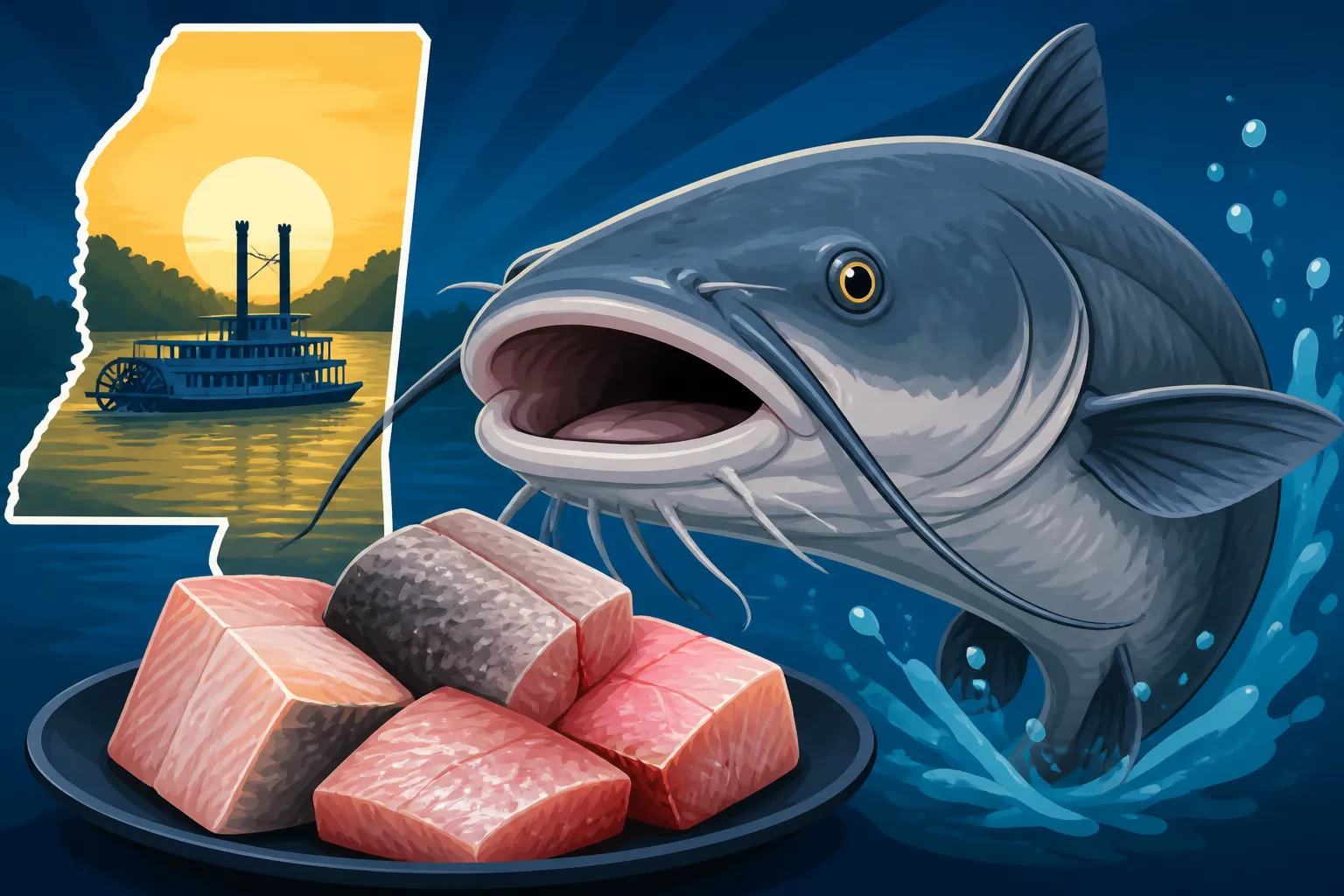
- Steaks: For larger baitfish like bigger shad, carp, or drum, cutting cross-sections (steaks) is a popular method. These thick, round pieces offer a large surface area for scent and are a substantial meal for bigger blue cats. A 1-2 inch thick steak is often ideal.
- Chunks: For medium-sized baitfish, or to get more pieces from a large fish, cutting into irregular chunks works well. Aim for pieces that are roughly 2×2 inches or larger, depending on the size of the blue cats you're targeting. These pieces are versatile and present a good profile.
- Strikes: For smaller baitfish or when targeting slightly smaller blue cats, you can cut the fish lengthwise into strips. This allows you to fish multiple strips if desired or to use a smaller hook.
- Head and Tail Sections: Don't discard the head and tail! These sections, especially the heads of oily fish, contain a lot of blood and vital organs that release powerful scents. They make excellent, long-soaking baits, particularly for very large blue catfish.
Always use a sharp, sturdy bait knife. A dull knife will only frustrate you and create messy cuts that don't present well. You can find quality bait knives easily on platforms like Amazon, ensuring you’re always prepared for the task.
Rigging Your Cut Bait for Optimal Presentation
The right rig ensures your bait is presented naturally and effectively. For blue catfish, a common and highly effective setup is a Carolina Rig or a variation of it.
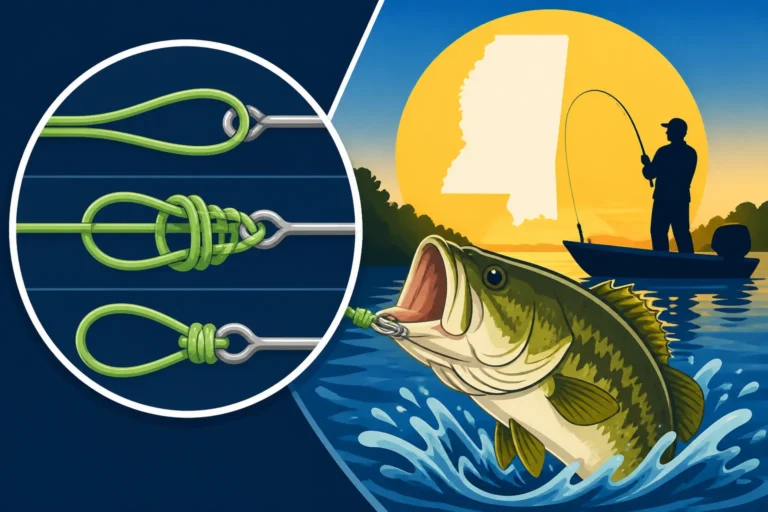
- The Setup: Thread a lead sinker (often a flat, no-roll, or pyramid sinker, varying from 1-6 ounces or more depending on current) onto your main line, followed by a bead to protect your knot. Tie on a heavy-duty swivel. To the other end of the swivel, attach a leader of strong monofilament or fluorocarbon line (typically 30-80 lb test, about 12-24 inches long).
- Hooks: Use a sharp, strong circle hook. Circle hooks are paramount for catfish for several reasons: they are mostly self-setting (meaning the fish hooks itself as it swims away, usually in the corner of the mouth), which reduces gut-hooking and makes for easier, safer catch-and-release. Sizes can range from 7/0 to 10/0 or even larger for trophy fish. Brands like Gamakatsu and Owner make excellent circle hooks that you can find online or at local tackle shops.
- Hooking the Bait: Thread the hook through the toughest part of the cut bait, ensuring the hook point and barb are fully exposed. This allows for a clean hook-set. For a chunk or steak, passing the hook once through the skin side is usually sufficient.
Understanding Catfish Fishing Techniques will further enhance your success, as proper rigging is a cornerstone of effective angling. You might also consider exploring How to Set Up a Trotline for Catfish for stationary, multi-hook methods if allowed in your area, as cut bait excels in these setups.
Where and When to Fish Cut Bait for Blue Cats
Even with the perfect cut bait, you need to know where and when to present it to maximize your chances of success. Blue catfish are creatures of habit, and understanding their movements and preferred habitats is crucial.
Prime Locations for Blue Catfish
Blue catfish thrive in big rivers and reservoirs across Mississippi. They prefer areas with deep water, strong current, and plenty of structure where they can hide and ambush prey.
- River Channels: In large rivers like the Mississippi River or the Tennessee-Tombigbee Waterway, blue cats will often hold in the deepest parts of the main channel. Look for bends, holes, and depressions where current slows slightly. These are classic Mississippi River Catfish Hotspots.
- Tailraces Below Dams: The turbulent waters below dams are renowned for blue catfish. The current washes baitfish down, creating a feeding frenzy. Areas just outside the strongest current, where fish can sit and wait, are prime.
- Reservoir Main Lake Basins: In lakes like Ross Barnett Reservoir, Grenada Lake, or Pickwick Lake, blue cats will congregate in the deepest parts of the old river channels, especially where there are significant drops, humps, or submerged timber.
- Creek and River Mouths: Where smaller creeks or rivers feed into larger bodies of water, these confluence points can concentrate baitfish and, consequently, blue cats, especially after heavy rains wash in food.
Use your fish finder to locate these deep-water structures, baitfish schools, and even large marks that could be blue catfish. Anchoring strategically upstream of a promising spot and letting your cut bait drift into the strike zone is a highly effective tactic.
Best Times for Blue Catfish Action
Blue catfish can be caught year-round in Mississippi, but certain times are more productive.
- Spring and Fall: These are generally considered the peak seasons. In spring, as water temperatures rise, blue cats become highly active and feed aggressively to prepare for spawning. Fall sees them gorging themselves to build up fat reserves for winter. This aligns with the Best Time of Year for Catfish Fishing in Mississippi.
- Summer: While they're active, extreme heat can push them into the deepest, coolest parts of the water column. Night Fishing for Catfish becomes exceptionally effective during hot summer months, as blue cats move shallower to feed under the cover of darkness.
- Winter: Don't count winter out! Blue cats often school up in large numbers in deep holes during cold weather. If you can locate these wintering holes, you can often have incredible days catching multiple large fish. The key is to fish slowly and patiently, as their metabolism slows down.
Always remember that fishing is highly dependent on local conditions, including recent weather, water levels, and temperature. Keeping an eye on these factors will help you decide when and where to deploy your cut bait for the best results.
Essential Gear and Tips for Blue Catfish Anglers
To truly excel at blue catfish angling with cut bait, having the right gear and knowledge beyond just the bait is indispensable. The tools you use can make a significant difference in both your ability to present the bait and successfully land a powerful blue cat.
Rods, Reels, and Line
For blue catfish, especially the larger ones Mississippi is famous for, you need robust tackle.
- Rods: Medium-heavy to heavy action casting rods, typically 7 to 9 feet long, are ideal. These rods provide the backbone needed to cast heavy sinkers and fight strong fish in current. Brands like Ugly Stik or Berkley make durable, affordable options.
- Reels: Baitcasting reels with a good drag system and high line capacity are preferred. Look for reels designed for heavy freshwater or light saltwater use. The Ambassadeur C3 or C4 series by Abu Garcia are classics that many catfish anglers rely on. You can easily find these reliable reels on Amazon.
- Line: Spool your reels with strong monofilament or braided line. Many anglers prefer braided line (50-80 lb test) for its sensitivity and strength, often adding a monofilament or fluorocarbon leader for abrasion resistance. Others stick with heavy mono (20-40 lb test) for its stretch and shock absorption. For more specific guidance, check out the Best Fishing Line for Catfish.
Additional Essentials for Your Catfish Arsenal
Beyond the basic rod and reel, a few other items will make your cut bait fishing experience more productive and enjoyable:
- Heavy Duty Rod Holders: These fish bite hard, and if you’re fishing multiple rods, you need sturdy rod holders that can withstand a powerful strike without losing your setup overboard.
- Pliers/Forceps: Essential for removing hooks safely, especially those big circle hooks from the corner of a cat’s mouth.
- Gloves: Catfish have sharp fins and sometimes sticky slime; a good pair of gripping gloves can protect your hands.
- Net or Gaff: A large, rubberized landing net is ideal for safely landing big blue cats and protecting their slime coat. For truly massive fish, a gaff might be necessary, but only if you plan on keeping the fish and are experienced in its use.
- Scales and Measuring Tape: If you're chasing trophy fish or adhering to Mississippi Catfish Regulations regarding size limits and daily limits, these are a must-have.
- Cooler and Ice: Not just for your drinks! A separate cooler for keeping your catch fresh, especially if you plan on taking some home to How to Fillet a Catfish, is crucial.
Remember, fishing for blue catfish, particularly the big ones, is a battle, and being prepared with the right gear ensures you’re ready for whatever these powerful fish throw at you. A little investment in quality gear will pay dividends in successful trips and memorable catches.
Final Thoughts on Mastering Blue Catfish with Cut Bait
There's a reason why cut bait has been a steadfast choice for serious blue catfish anglers for generations: it works, consistently and effectively. By understanding why blue catfish respond so well to the potent scent trails of fresh, oily cut bait, and by carefully selecting, preparing, and presenting your offerings, you’ll significantly elevate your success on the water.
Mississippi's waters are teeming with incredible blue catfish opportunities, from the mighty Mississippi River itself to the numerous large reservoirs. Whether you’re targeting a new personal best or simply aiming for a delicious catfish fry, the strategy of using the best cut bait is a proven path to success. So, next time you're gearing up for a catfish trip, grab some skipjack, shad, or drum, get out there, and get ready for some bent rods and screaming drags!
Disclaimer
Fishing inherently involves risks and regulations. Always check the latest Mississippi Department of Wildlife, Fisheries, and Parks (MDWFP) regulations before heading out. Fishing conditions can change rapidly, and safety should always be your top priority. The information provided here is for general guidance only.