Surf Fishing Techniques on the Mississippi Coast
There's a unique magic to standing on the sandy shores of the Mississippi Gulf Coast, feeling the warm breeze, and casting a line into the rolling waves. But for many, especially those new to the region or to surf fishing itself, the sheer expanse of the Gulf can feel daunting. You might wonder where to even begin, what gear you truly need, and what mysterious techniques unlock the coast's hidden treasures. This comprehensive guide is designed to demystify surf fishing on the Mississippi Coast, providing you with the practical knowledge and confidence to make your next trip a successful and memorable one.
Understanding the Mississippi Coastline for Surf Fishing
The Mississippi Gulf Coast might not have the crashing surf of an ocean beach, but its unique characteristics offer fantastic opportunities for anglers willing to learn its nuances. From the barrier islands to the many bayous and protected sounds, understanding the local geography is your first step to success.
Key Features of Mississippi Beaches
Unlike some other coastal areas, Mississippi's mainland beaches often feature a more gradual slope into the water. This gentler contour means that fish aren't always in the first gut right by the shore. Instead, they might be cruising over sandbars a bit further out, or tucked into deeper troughs that run parallel to the beach. You'll find long stretches of sandy shoreline punctuated by man-made structures like rock jetties, fishing piers, and the mouths of bayous and small rivers. Each of these features creates different habitats and holding patterns for various species. For example, the expansive beaches around Gulfport and Biloxi offer miles of casting room, while more structured areas near Bay St. Louis or the Pascagoula River mouth might concentrate fish in specific ambush points.
The consistency of the sand can also vary. Some areas might have softer, finer sand, while others present a mix of shell hash and coarser grains. These subtle differences impact everything from how far your sinker digs in to where baitfish congregate. Remember, fish are always looking for food and shelter, and even minor changes in bottom composition can create these desired conditions. Observing the beach at low tide can often reveal hidden sandbars, potholes, and channels that will be underwater when you're fishing, giving you a huge advantage in understanding where fish might be holding.
Reading the Tides and Currents
One of the most critical skills for any surf angler, particularly on the Mississippi Coast where tidal ranges can be less dramatic than other regions, is learning to read the tides and currents. While extreme high and low tides might not expose vast flats, the movement of water, even subtle, dictates when and where fish feed. An incoming tide often brings cooler, cleaner water and baitfish closer to shore, making it an excellent time to target species like speckled trout and redfish. Conversely, an outgoing tide can pull bait from estuaries and bayous into the main sound, creating feeding frenzies at mouths of creeks or passes.
Beyond simply knowing if the tide is rising or falling, pay close attention to current. Look for areas where the current forms a "rip" or a distinct change in water flow, often around points, jetties, or submerged structures. These rips concentrate baitfish and provide easy ambush points for larger predators. A strong current can also mean your rig needs more weight to hold bottom, or that you might need to adjust your casting angle to keep your bait in the strike zone. Websites and apps providing real-time tide charts for locations like Biloxi, Gulfport, and Pascagoula are invaluable tools that every serious surf angler should consult before heading out.
Identifying Productive Structures
While a seemingly uniform sandy beach can be intimidating, the Mississippi Coast is dotted with structures, both natural and man-made, that scream "fish here!" Jetties and rock piles are prime examples, acting as artificial reefs that attract baitfish and provide cover for predatory species like redfish and sheepshead. The Biloxi Fishing Pier, as well as numerous smaller piers and bulkheads along the coastline, also offer excellent opportunities, allowing you to cast into deeper water or target areas inaccessible from the beach.
Subtle underwater structures are equally important. Look for visible sandbars that create a deeper trough between the bar and the shore – these troughs are highways for cruising fish. Cuts or washouts in sandbars can also concentrate bait. Oyster beds, often found in the calmer waters of bays and bayous directly connected to the surf, are another hotspot, as they filter water and provide food and shelter for countless marine organisms. Learning to spot these "fishy" structures, even if it means walking a stretch of beach at low tide or observing the wave patterns, will dramatically increase your chances of success.
Essential Gear for Mississippi Surf Fishing
Getting the right gear for surf fishing on the Mississippi Coast doesn't have to break the bank, but having the proper tools will certainly enhance your experience and increase your catch rate. It's about finding the balance between power, sensitivity, and durability to stand up to the corrosive saltwater environment.
Rod and Reel Setups
For most surf fishing scenarios on the Mississippi Coast, you'll want a medium to heavy action spinning rod, typically between 9 to 12 feet long. The longer length allows for greater casting distance, helping you reach those outer sandbars or deeper troughs where fish might be holding. A 9-foot rod offers a good balance of casting power and maneuverability, especially if you're fishing areas with less backcasting room or targeting smaller species. For throwing heavier weights or targeting larger bull redfish, a 10 or 12-foot rod might be more appropriate. Pairing your rod with a durable, corrosion-resistant spinning reel in the 4000 to 6000 size range is ideal. Look for models with a good sealed drag system, as saltwater can quickly ruin internal components.
When it comes to line, a good quality braided line in the 20-30 lb test range is a popular choice for your main line due to its incredible casting distance and sensitivity. The lack of stretch in braid allows you to feel even the slightest tap from a fish. However, braid is visible in clear water, so you'll always want to tie on a fluorocarbon leader, which we'll discuss next. For those who prefer monofilament, 15-20 lb test is usually sufficient, offering good knot strength and shock absorption, though with slightly less casting distance. Many anglers find great deals on reliable rod and reel combos and line on platforms like Amazon, offering a convenient way to get set up without visiting multiple specialty stores.
Line, Leaders, and Terminal Tackle
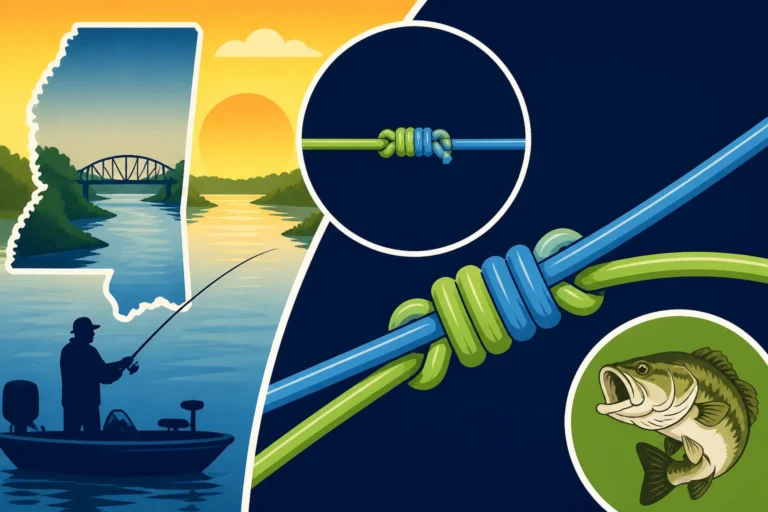
As mentioned, a fluorocarbon leader is a non-negotiable component for surf fishing. Fluorocarbon is nearly invisible underwater, extremely abrasion-resistant, and provides excellent knot strength. A 20-30 lb test fluorocarbon leader, typically 2-4 feet long, is a good starting point for most Mississippi Coast species. You can attach it to your braided main line using a strong knot like the FG knot or a double uni knot.
When it comes to terminal tackle, you'll need a variety of hooks and sinkers. Circle hooks, in sizes ranging from 2/0 to 6/0, are highly recommended because they are designed to hook fish in the corner of the mouth, reducing gut-hooking and making catch-and-release easier. Pyramid sinkers are common for sandy bottoms due to their ability to hold against current, with weights from 2 to 5 ounces being standard. In stronger currents or for longer casts, a Sputnik sinker, with its retractable wires, offers superior holding power. Swivels and snaps are also essential for connecting your main line to your leader and for quickly changing rigs.
Must-Have Accessories
Beyond your rod, reel, and terminal tackle, a few accessories can make your surf fishing trip much more comfortable and productive. Sand spikes, those trusty PVC or metal tubes you push into the sand, are crucial for holding your rods upright, keeping your expensive gear out of the sand and allowing you to set multiple lines. A sturdy bait bucket or cooler to keep your live bait fresh is also a must, along with a pair of long-nose pliers or a hook remover for safely unhooking fish.
Don't forget personal comfort and safety items! The Mississippi sun can be relentless, so a wide-brimmed hat, polarized sunglasses, and plenty of sunscreen are vital. Long-sleeve fishing shirts with UPF protection are also highly recommended. If you plan on any night fishing, a reliable headlamp is indispensable for tying knots, rigging bait, and navigating in the dark. A small cutting board and a sharp bait knife will also prove invaluable for preparing cut bait on the fly. You'd be surprised how much these little things, easily found on Amazon or at local tackle shops, improve the overall experience.
Top Baits and Lures for Mississippi Surf Species
Knowing what to offer the fish is just as important as knowing where to find them. The Mississippi Gulf Coast offers a smorgasbord of natural prey, and understanding which baits and lures appeal to specific species will dramatically improve your chances of a successful outing.
Natural Baits That Consistently Perform
When it comes to catching fish on the Mississippi Coast, it's tough to beat natural bait. Live shrimp, without a doubt, is the undisputed king of baits. Almost every species, from speckled trout to redfish, flounder, and even catfish, will readily strike a live shrimp. You can fish them under a popping cork, on a Carolina rig, or free-lined in the current. If live shrimp aren't available or practical, dead shrimp cut into pieces can still be highly effective, especially for bottom feeders like drum and whiting. You can often find live shrimp at local bait shops along the coast.
Cut bait, typically made from oily fish like mullet, menhaden, or even larger croaker, is a go-to for targeting bigger redfish and large drum. The scent trail it puts out can draw fish from a distance. Simply cut chunks appropriate for your target species and hook them securely. Smaller baits like fiddler crabs, found scurrying along the sand and mud flats, are candy for sheepshead, while tiny sand fleas (mole crabs), which you can often dig up right on the beach, are prime offerings for pompano and whiting. Having a variety of natural baits on hand ensures you're ready for whatever might be biting.
Artificial Lures for Active Fish
While natural bait is a strong contender, artificial lures offer the advantage of covering more water and enticing active, predatory fish. Soft plastics, especially those mimicking shrimp or baitfish, are incredibly versatile. Brands like Z-Man and Berkley Gulp! produce soft plastics that are infused with scent, making them irresistible. Pair these with a jig head and work them slowly along the bottom or twitch them under a popping cork for speckled trout and redfish. Popping corks, specifically, create a commotion that mimics a feeding shrimp, drawing fish in before they see the juicy soft plastic below.
Spoons, particularly gold or silver weedless spoons, are excellent for covering a lot of water quickly and targeting redfish and aggressive speckled trout in grassy areas or across open flats. Their flash and wobble imitate fleeing baitfish. Topwater plugs, especially at dawn and dusk, can provide exhilarating strikes from speckled trout and redfish as they ambush prey on the surface. Choosing the right color often depends on water clarity: natural colors in clear water, and brighter colors or those with a lot of contrast in stained or muddy water. Many anglers swear by particular soft plastic colors from Amazon, noting how certain shades perform better in specific local conditions like the tannin-stained waters of the bayous versus the clearer Gulf waters.
Matching Bait to Target Species
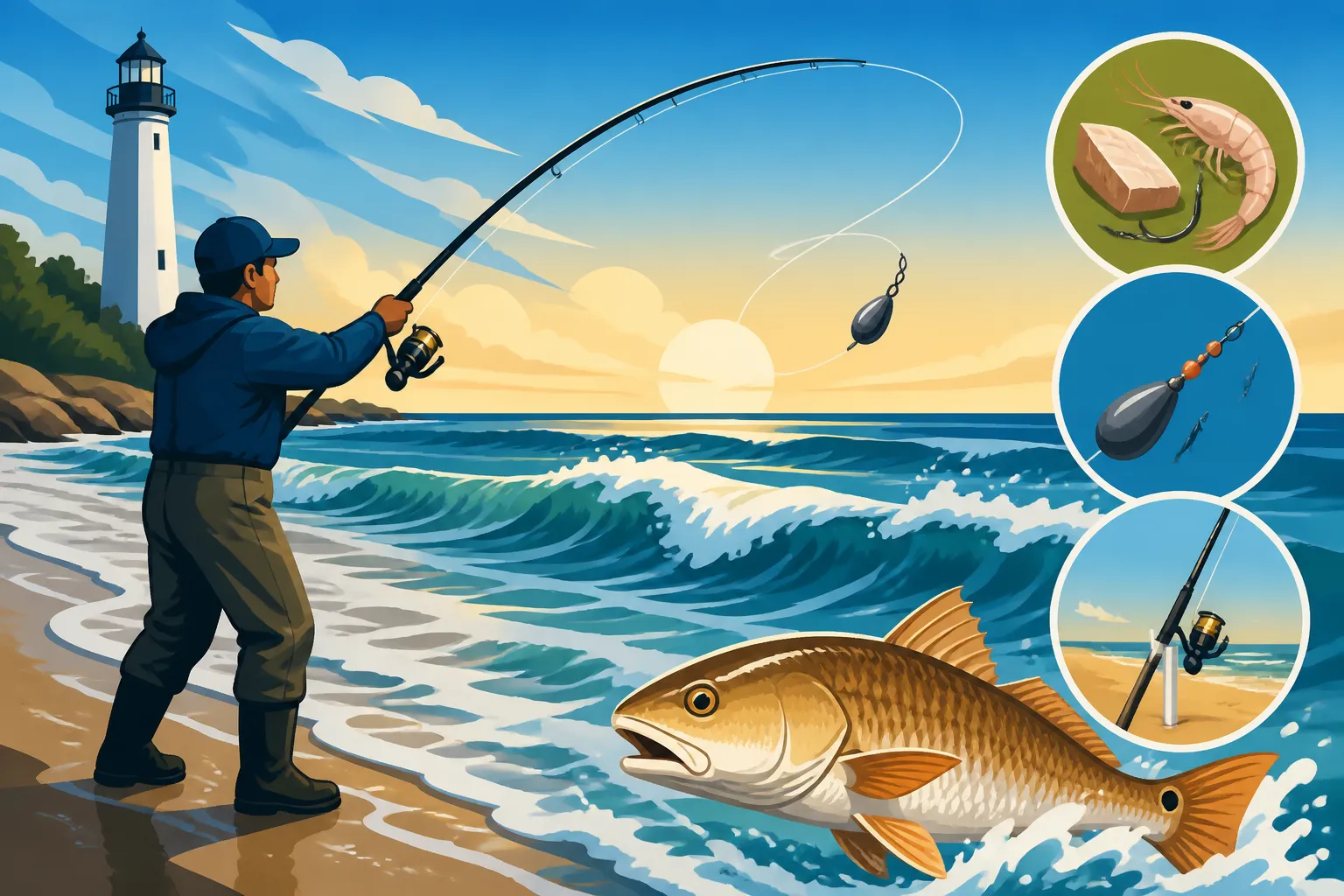
Understanding the preferred diet of your target species is key to selecting the most effective bait or lure. For instance, if you're set on catching Redfish Fishing on the Mississippi Coast, chunks of cut mullet, a whole live finger mullet, or a Gulp! shrimp on a jig head are excellent choices. They are opportunistic feeders that readily strike both live and cut bait.
If Speckled Trout Fishing on the Mississippi Coast is your goal, live shrimp under a popping cork is legendary. However, soft plastic paddle tails or jerk shads in pearl, chartreuse, or clear with glitter, retrieved slowly, can also be deadly. For pompano and whiting, small baits are best. Pieces of dead shrimp, sand fleas, or small FishBites strips fished on a Pompano rig close to the bottom are incredibly effective. Flounder, masters of ambush, prefer live minnows or small soft plastic paddletails bounced right along the sandy bottom near structures. By tailoring your bait presentation to what you're hoping to catch, you increase your chances significantly.
Effective Surf Fishing Techniques and Strategies
Beyond the gear and the bait, it's the techniques and strategies you employ that truly separate a casual outing from a productive fishing trip. Learning to cast efficiently, read the subtle signs of fish activity, and properly rig your lines are fundamental skills for any Mississippi surf angler.
Casting and Presentation
Distance is often a factor in surf fishing, especially on the Mississippi Coast where deeper troughs and sandbars can be a good way out. Mastering the "Mississippi cast," which is simply an efficient overhead cast or even a pendulum cast for maximum distance, is crucial. You don't need to be a professional caster, but being able to consistently reach 60-100 yards can make a huge difference. Practice in an open field to develop a smooth, powerful motion without sacrificing accuracy. Remember, consistency beats pure distance if you can't land your bait where the fish are.
Once your bait is out, presentation is key. Many anglers employ a "fan casting" technique, making casts to the left, center, and right, gradually covering a wider swath of water. This helps locate fish that might be scattered along a sandbar or moving along a trough. When fishing with bait, let your rig settle on the bottom, allowing the current to spread the scent. For lures, vary your retrieve speed and add twitches and pauses to mimic injured baitfish. On a receding tide, casting parallel to the beach into a deeper trough can be highly effective, as fish often patrol these areas.
Reading the Water and Spotting Fish Signs
Experienced surf anglers often say they "read the water," and it's a skill that develops with time and observation. Look for subtle cues that indicate fish activity. Diving birds, for example, are often a dead giveaway that baitfish are schooling near the surface, and where there's bait, there are usually predatory fish like Spanish mackerel or even speckled trout. Nervous water, where the surface looks disturbed without visible wind, can also signal baitfish being pursued from below.
Beyond direct signs of fish, pay attention to the water itself. Areas where the water color changes, perhaps from clear to slightly darker, can indicate a drop-off or a submerged shell bed. Rips, which are visible lines of disturbed water where currents collide, are also prime ambush points. Look for potholes or depressions in the sand just beyond the breaking waves—these often hold fish looking for refuge or an easy meal. Patience is a virtue in surf fishing; spend time observing the water before you even make your first cast, and you'll often discover patterns that lead to success.
Mastering Different Rigs for Varied Conditions
Having a repertoire of rigs is essential for adapting to different conditions and target species. One of the most common and versatile is the Fish Finder Rig. This rig allows your bait to move naturally with the current while keeping your sinker on the bottom. It consists of a main line, a plastic slider with your sinker attached, a swivel, and a leader (typically 18-30 inches) with your hook. This setup is fantastic for presenting cut bait to redfish, black drum, and catfish on the bottom. The slider lets the fish pick up the bait and run without feeling the weight of the sinker, leading to more confident bites.
For smaller, bottom-feeding species like pompano, whiting, and sometimes even small drum, the Pompano Rig is a specialized choice. This rig typically features two dropper loops or small wire arms extending from the main leader, each with a small hook (often a size 1 or 2 circle hook) and a small float or bead. This keeps your bait, usually sand fleas or small pieces of shrimp, suspended just off the bottom in the current. Pompano are notorious for light bites, and this rig helps present the bait perfectly.
The High-Low Rig, also known as a double-drop rig, is another versatile option. It uses two hooks, one above the other, allowing you to present two different baits or cover two different depths simultaneously. This can be great for figuring out what the fish are biting on or for targeting multiple species. For example, you might put a live shrimp on the top hook and a piece of cut bait on the bottom. Here's a quick comparison of these popular rigs:
| Rig Type | Best Use Cases | Target Species | Advantages | Disadvantages |
|---|---|---|---|---|
| Fish Finder Rig | Still water, light current, large cut baits | Redfish, Black Drum, Catfish, Sharks | Allows fish to run with bait without feeling sinker; natural presentation. | Can tangle in strong current; less effective for multiple small baits. |
| Pompano Rig | Sandy bottoms, targeting smaller bottom feeders | Pompano, Whiting, Croaker, Small Drum | Keeps small baits off the bottom; effective for light bites. | Small hooks may limit larger catches; can tangle with larger baits. |
| High-Low Rig | Varying conditions, multiple bait presentations | Mixed bag (Speckled Trout, Redfish, Drum, Whiting) | Presents two baits/depths simultaneously; versatile. | Can be prone to tangles if not tied neatly; requires careful casting. |
Seasonal Considerations and Best Times to Fish
Just like anywhere else, fishing on the Mississippi Coast is heavily influenced by the seasons. Understanding these shifts will help you predict fish movements and choose the best times to hit the surf.
Spring Fishing on the Mississippi Coast
As winter's chill gives way to warmer temperatures, the Mississippi Gulf Coast truly comes alive in spring. This is arguably one of the best times to be surf fishing. The water temperatures begin to rise, signaling many species to move closer to shore and become more active. Baitfish, driven by the warmer water, also make their appearance, drawing predatory species right to the surf zone. You can expect to find good numbers of speckled trout and redfish in the shallow, sun-warmed waters, especially around structure and the mouths of bayous.
Flounder also become more active, often staging in sandy areas near structure or along drop-offs as they prepare for their spawning migrations. Whiting and pompano will also start showing up, making a return to the shallower sandy beaches. For targeting these spring-run fish, live shrimp under a popping cork for trout, or cut bait on a fish finder rig for redfish, are highly effective. Don't overlook artificials either; soft plastics in bright colors can be very productive. For a deeper dive into what to expect during this vibrant period, check out our Mississippi Spring Fishing Guide.
Summer Fishing Challenges and Rewards
Mississippi summers are undeniably hot, and surf fishing during the peak heat of the day can be challenging, both for you and the fish. However, this doesn't mean summer fishing isn't rewarding. It just means adjusting your schedule. Early mornings, just as the sun peeks over the horizon, and late evenings, as it dips below, are prime times. The water temperatures are cooler, and fish are more inclined to feed actively before or after the scorching midday sun.
During summer, the coast is teeming with baitfish, providing ample food for aggressive species. Redfish, speckled trout, and pompano are still abundant. You might also encounter Spanish mackerel, ladyfish, and even small sharks closer to shore, especially if you're using cut bait. The key is to target periods of cooler water and strong tidal movement. If you're fishing during the day, seek out deeper guts or areas with good current flow that brings in cooler, oxygenated water. Hydration is critical for anglers during this season.
Fall and Winter Opportunities
As the sweltering heat of summer fades and the water temperatures begin to cool in the fall, another prime surf fishing season emerges. This "fall run" can be incredible, as baitfish begin to migrate, and predatory species feed aggressively to bulk up for winter. This is often the best time to target larger bull redfish, which move into shallower waters, as well as bigger speckled trout. Black drum also become more prevalent in the surf, often found around deeper cuts and shell bottoms.
Winter brings colder water, and while fishing can slow down, it's not impossible. In fact, some of the largest trout and redfish can be caught during this season by anglers willing to brave the chill. Fish tend to congregate in deeper pockets, channels, and near structures that offer thermal refuge. Slow presentations and patience are key. Look for sunny days after a cold front, when the water might warm up slightly in the shallows. For more detailed information on fishing during these cooler months, refer to our Mississippi Fall Fishing Guide and Mississippi Winter Fishing Guide.
Safety and Etiquette on the Mississippi Beaches
While surf fishing is generally a relaxing pursuit, being aware of safety precautions and practicing good etiquette ensures a pleasant experience for everyone on the beach, including yourself.
Essential Safety Precautions
Your personal safety should always be your top priority. The Mississippi sun, even in cooler months, can cause severe sunburn and dehydration. Always wear sun protection, including a wide-brimmed hat, sunglasses, and high-SPF sunscreen. Bring plenty of water to stay hydrated. Be mindful of the tides and currents; even on a gentle beach, a strong undertow can be dangerous, especially if you wade out. Never turn your back on the waves.
When handling fish, especially species with sharp fins or teeth, always use pliers or a hook remover to protect your hands. If you plan to keep your catch, ensure you know how to humanely dispatch and properly store your fish to maintain freshness. Also, be aware of your surroundings; many Mississippi beaches are popular with swimmers and beachcombers. Avoid casting near people and always assume there might be someone behind you. If you're fishing at night, make sure you have adequate lighting and let someone know your plans. Understanding the Mississippi Saltwater Sportfishing License Cost and having your current Mississippi Fishing License Guide on hand is also a critical safety and legal precaution.
Respecting the Environment and Fellow Anglers
One of the most important rules for any outdoor enthusiast is "leave no trace." This means packing out everything you pack in, including all your trash, discarded fishing line, and bait containers. Monofilament and braided line can be deadly to marine wildlife, so ensure you dispose of it properly in designated receptacles or take it home. Keeping the beaches clean helps preserve the beautiful environment we all enjoy and ensures future generations can continue to fish here.
Show respect for your fellow anglers. Give others ample space, especially when casting. There's nothing more frustrating than having someone set up right next to you when there's plenty of open beach. If you see someone catching fish, a friendly inquiry is fine, but avoid crowding their spot. Understanding and adhering to local regulations, such as specific creel and size limits for species like Redfish Slot Limit on the Mississippi Gulf Coast and How Many Speckled Trout Can You Keep in Mississippi?, is also part of being a responsible angler. Familiarize yourself with the Mississippi Fishing Season Dates and Limits to ensure you're compliant. By following these simple guidelines, you contribute to a positive and sustainable fishing culture on the Mississippi Coast.
Disclaimer
Fishing involves inherent risks, including but not limited to adverse weather conditions, marine life encounters, and injuries from equipment. Always prioritize safety, understand your physical limitations, and adhere to all local, state, and federal fishing regulations. The information provided in this guide is for informational purposes only and does not constitute professional advice. We recommend consulting with local authorities and experienced professionals before engaging in any fishing activities.