Bank Fishing Tips for Beginners
It’s easy to feel overwhelmed when you first decide to get into fishing, especially if you don't own a boat. Many aspiring anglers think they need a fancy vessel and expensive gear to catch anything worthwhile, leading to frustration and sometimes giving up before they even start. The good news is, you absolutely don't need a boat to enjoy a fantastic day of fishing in Mississippi! This comprehensive guide will walk you through everything you need to know to get started with bank fishing, turning those shoreline dreams into reel-life catches.
Why Bank Fishing is a Great Starting Point for Anglers
Bank fishing, by its very nature, is one of the most accessible and enjoyable ways to experience the great outdoors and the thrill of the catch. It strips away a lot of the complexities and costs associated with boat fishing, allowing you to focus on the pure joy of the sport. For anyone just dipping their toes into the vast world of fishing, starting from the bank is a wise and incredibly rewarding decision.
Accessibility and Cost-Effectiveness
One of the biggest hurdles for new anglers is often the perceived high cost of entry. Boats, motors, specialized electronics – it all adds up quickly. Bank fishing, however, requires minimal investment, making it incredibly budget-friendly. You don't need to worry about fuel costs, boat maintenance, trailer hitches, or the specific regulations that come with operating a vessel. You just need some basic gear, a comfortable spot on the shoreline, and a willingness to learn. This low barrier to entry means more people can experience the relaxation and excitement that fishing offers without breaking the bank. Think about it: a decent rod and reel combo, a small tackle box with a few essentials, and your Mississippi fishing license is often all you need to get started.
Moreover, bank fishing significantly expands your options for where to fish. Instead of being limited to boat ramps or navigable waters, you can explore countless public lakes, ponds, rivers, and creeks accessible directly from the shore. This opens up a world of possibilities for finding new spots and enjoying diverse fishing environments without the logistical headaches of launching a boat. You can often find great fishing right in your local community park or a short drive to a state lake, making impromptu fishing trips a breeze.
Learning the Ropes Without the Pressure
Beginning your fishing journey from the bank provides an ideal learning environment. Without the added responsibilities of navigating a boat, dealing with crowded ramps, or understanding complex marine electronics, you can truly concentrate on the fundamental skills of fishing. This means you can focus on mastering your casting technique, understanding how different baits behave in the water, and learning to "read" the water for signs of fish activity. The slower pace and reduced distractions of bank fishing allow for more thoughtful observation and experimentation.
Imagine casting your line into a quiet pond, feeling the subtle tugs as a fish investigates your bait, and learning to set the hook. This hands-on experience, gained without the pressure of an expensive guided trip or the watchful eyes of experienced boat anglers, builds confidence and competence at your own pace. You can experiment with different retrieves, try various baits, and simply enjoy the process of trial and error. This foundational knowledge will serve you well, whether you decide to stick with bank fishing or eventually venture out onto the water in a boat. It's about developing an intuition for fishing, a skill that can only truly be honed through quiet observation and repeated practice.
Essential Gear for Your First Mississippi Bank Fishing Trip
Getting started with bank fishing doesn't require a truckload of expensive equipment, but having the right foundational gear can make all the difference in your comfort and success. Think of it as building a basic toolkit – you want reliable items that will cover most situations without overcomplicating things.
Choosing the Right Rod and Reel Setup
For beginners in Mississippi, especially when bank fishing, a medium-light or medium-action spinning rod and reel combo is generally the best choice. This type of setup is incredibly versatile, forgiving for casting errors, and suitable for catching a wide variety of popular freshwater fish like crappie, bass, catfish, and bream. A rod length of 6 to 7 feet is a good starting point, as it offers a balance between casting distance and maneuverability in tighter bank-side spots.
When selecting your rod, look for one that feels comfortable in your hands – not too heavy, not too stiff. The "action" describes where the rod bends. A medium action rod bends more towards the middle, offering a good balance of sensitivity for detecting bites and backbone for fighting fish. The "power" refers to the rod's strength. A medium power rod can handle a wider range of lure weights and fish sizes than, say, an ultralight. As for the reel, a spinning reel in the 2000-3000 size range is perfect. These reels are easy to operate, less prone to tangles than baitcasters for beginners, and typically come pre-spooled with appropriate fishing line, often monofilament. You can find excellent beginner combos from reputable brands readily available on platforms like Amazon or at your local sporting goods store. When considering your setup, remember that versatility is key for a beginner who might encounter different species.
Basic Tackle Box Essentials
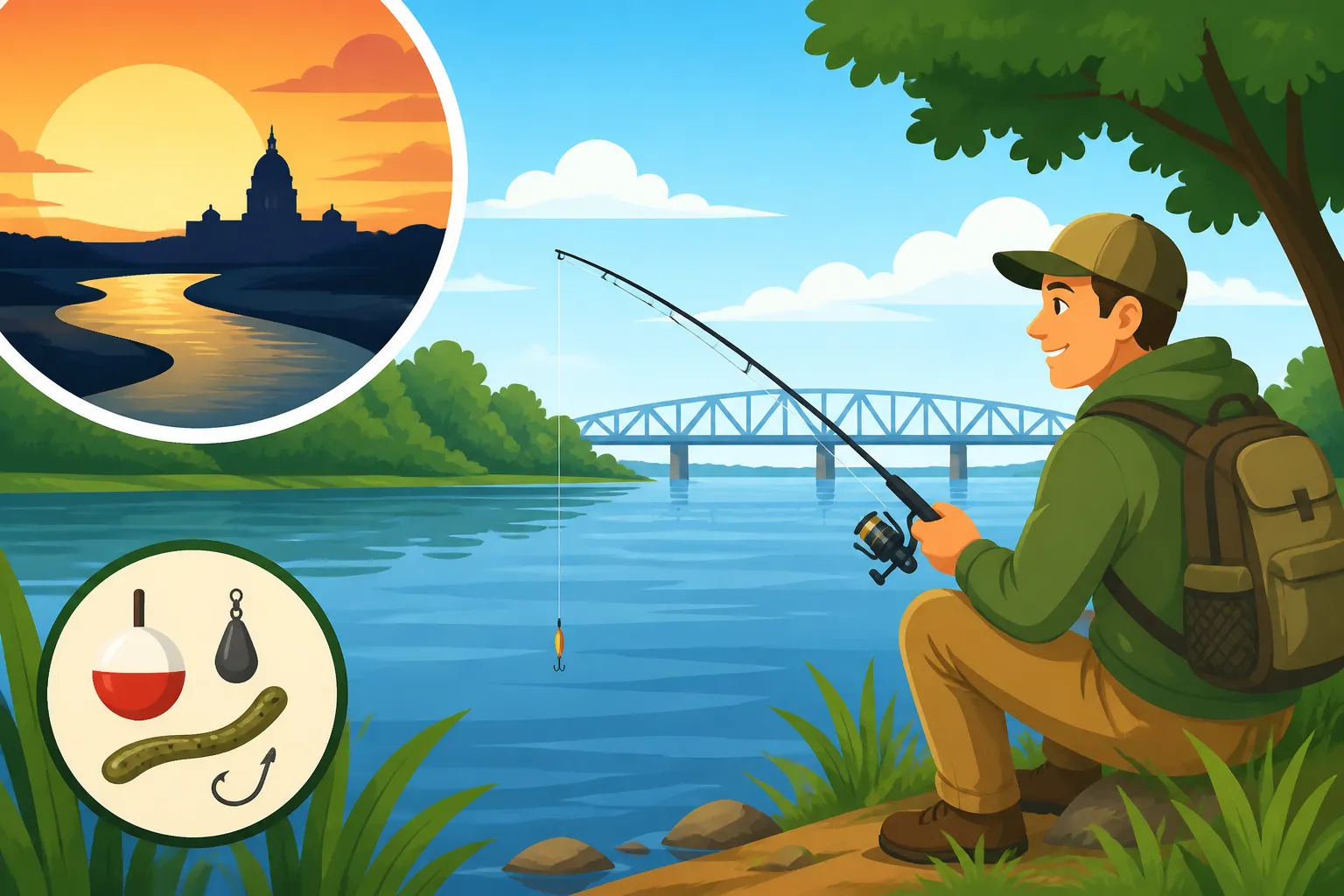
Your tackle box doesn't need to be huge, but it should hold a few key items that will maximize your chances of success. Start with a selection of hooks in various sizes – Aberdeen or Kahle hooks for live bait in sizes #4 to 1/0 are great for panfish and smaller bass/catfish. You'll also want some weights or sinkers; split shot weights are easy to attach and remove, while egg sinkers are good for bottom fishing. Don't forget bobbers or floats, which help you detect bites and keep your bait at a specific depth, especially useful when fishing for crappie or bream.
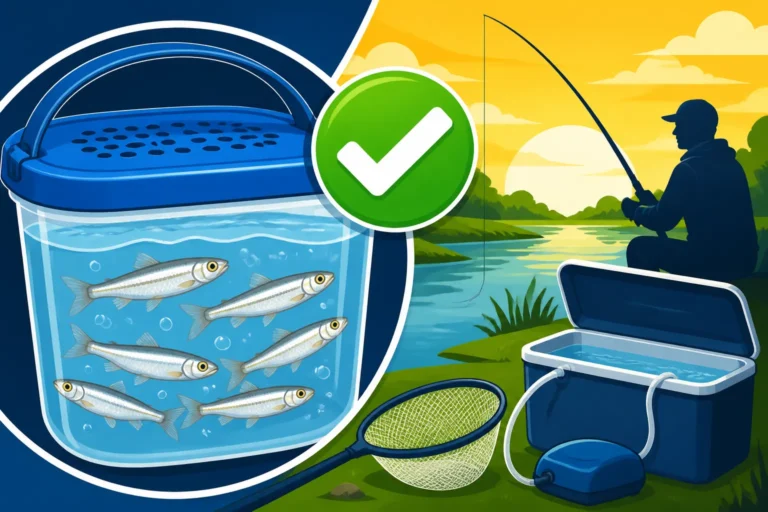
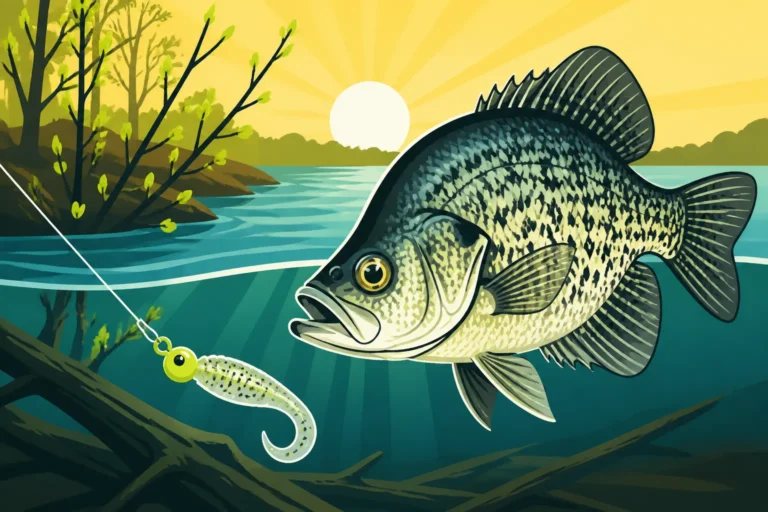
Beyond terminal tackle, a few basic lures can also be incredibly effective from the bank. Small jigs (1/16 to 1/8 ounce) with grub tails in chartreuse, white, or black are crappie magnets. Spinnerbaits and small crankbaits can entice bass. For live bait, worms, crickets, and minnows are readily available at most bait shops and are universally effective for a multitude of species. A pair of needle-nose pliers for hook removal, line clippers, and a small stringer or cooler to keep your catch fresh round out your essential tackle kit. This minimalistic approach keeps things simple and manageable for your first few outings.
Comfort and Safety Gear
Fishing, even from the bank, is an outdoor activity, and being prepared for the elements and potential hazards is crucial. First and foremost, wear comfortable clothing appropriate for the weather. Lightweight, breathable fabrics are great for Mississippi's warm climate, and layering is smart for cooler days. A wide-brimmed hat and polarized sunglasses are not just about style; they protect you from the sun and help you see through the water's glare to spot structure or even cruising fish.
Sunscreen is non-negotiable, even on cloudy days. A small backpack with water, snacks, and perhaps a basic first-aid kit is also a good idea. Consider a comfortable folding chair, as sitting while waiting for bites can make the experience much more enjoyable. If you plan to wade into shallow areas, water-friendly shoes with good grip are essential. Always be aware of your surroundings, especially near water's edge, and remember to keep your phone charged in case of an emergency. Being prepared for your personal comfort and safety allows you to fully immerse yourself in the fishing experience.
Finding the Best Bank Fishing Spots in Mississippi
Mississippi is blessed with an abundance of natural beauty and fantastic fishing opportunities, many of which are easily accessible from the bank. Knowing where to look and what to look for can significantly improve your chances of a successful and enjoyable outing. You don't need secret spots; often, the best places are right under your nose.
Public Parks and State Lakes
For beginners, public parks and state fishing lakes are often goldmines for bank fishing. These locations are typically well-maintained, offer easy access, and are often stocked with popular species like bass, crappie, bream, and catfish. Many state parks, like those found around Grenada Lake or Sardis Lake, provide excellent shoreline access, fishing piers, and amenities such as restrooms and picnic areas. These managed lakes are designed to be family-friendly and provide consistent fishing opportunities.
Check the Mississippi Department of Wildlife, Fisheries, and Parks (MDWFP) website for a list of state fishing lakes and public access points. They often provide valuable information on fish populations, recent stockings, and specific regulations for each body of water. When visiting a state park, you might need a Mississippi State Park Lake Fishing Permits, in addition to your regular state fishing license. These spots are fantastic for honing your skills because they're generally safer, easier to navigate, and specifically designed to encourage fishing. Look for areas with benches, piers, or cleared banks, as these are usually indicators of good public access.
Rivers, Creeks, and Spillways
Beyond the calm waters of state lakes, Mississippi's extensive network of rivers and creeks offers incredible bank fishing experiences. Larger rivers like the Pearl River or Big Black River have numerous public access points, bridges, and easements where you can cast a line. These river systems often hold robust populations of catfish, bass, and various panfish. Smaller creeks, especially during spring, can be excellent for targeting panfish like bream and crappie in calmer pools and eddies.
Spillways, found below dams on major reservoirs like the Ross Barnett Reservoir, are particularly productive bank fishing spots. The churning water below a spillway often concentrates baitfish, which in turn attracts larger game fish such as striped bass, white bass, and catfish. Always exercise extreme caution when fishing near spillways due to strong currents and fluctuating water levels. Check local regulations for these specific areas, as rules regarding access and fishing methods can sometimes differ. While the currents can be challenging, the sheer volume of fish can make for an unforgettable experience.
Reading the Water for Fish Hotspots
Once you've found a promising location, the next step is learning to "read the water" to identify where fish are likely to be hiding. Fish are creatures of comfort and convenience, always looking for food, cover, and favorable water conditions. From the bank, look for visible structures like fallen trees (often called "brush piles"), docks, submerged rocks, and weed beds. These provide ambush points for predatory fish and shelter for baitfish.
Changes in depth, such as drop-offs or submerged creek channels, are also prime locations, especially for species like crappie and bass. Look for areas where the current slows down, creating eddies, or where two different water bodies meet. Pay attention to subtle signs: ripples on the water's surface might indicate feeding activity, while baitfish jumping could signal a predator below. Even shadows cast by trees or bridges can offer cooler, darker retreats for fish on sunny days. Taking the time to observe these details before casting can drastically increase your success. Understanding Bass Fishing Techniques for Mississippi Anglers often starts with identifying these key structures.
Simple and Effective Bank Fishing Techniques for Beginners
Once you've got your gear and found a great spot, it's time to actually start fishing! Don't overthink it; the beauty of bank fishing, especially for beginners, is that simple, consistent techniques often yield the best results.
Mastering Basic Casting
The foundation of successful bank fishing is a decent cast. For spinning gear, the basic overhead cast is your bread and butter. Hold the rod with your dominant hand, keeping your thumb on the line and your index finger ready to "feather" the line. Open the bail, bring the rod up to about 10 or 11 o'clock (just past vertical), and then smoothly sweep it forward, releasing your index finger as the rod reaches roughly 2 o'clock. The key is a smooth motion, not a jerky one. Practice this in an open area, aiming for a consistent target, before you try to pinpoint a specific fishy-looking spot.
Don't get discouraged if your first few casts are wobbly or land short. Everyone starts there! The more you practice, the more natural it will feel. Focus on keeping your wrist stiff and letting the rod do the work. Remember to retrieve your lure or bait at a steady pace, engaging the reel handle as soon as your lure hits the water. A good cast ensures your bait gets to where the fish are, and a consistent retrieve makes your offering look natural. Many YouTube videos offer excellent visual demonstrations of proper casting techniques if you need a little extra help.
Understanding Bait Presentation
Presenting your bait naturally is critical to fooling fish. The goal is to make your offering look like an easy, appealing meal. If you're using live bait like worms or crickets for bream and crappie, a simple bobber rig is often the most effective. This setup allows your bait to suspend naturally at a desired depth, just above structure where fish might be hiding. Adjust the depth of your bobber until you find where the fish are biting. When you see the bobber dip, give it a moment, then set the hook with a gentle but firm upward sweep of the rod.
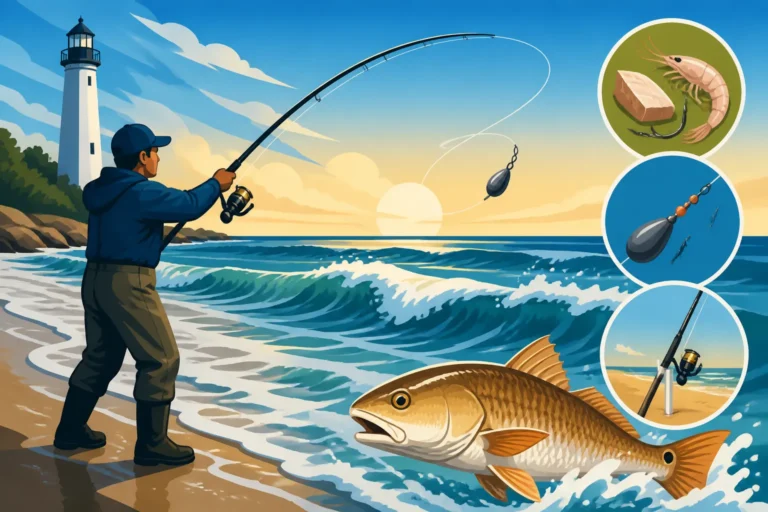
For bottom-dwelling fish like catfish, a Carolina Rig or a simple slip sinker rig works wonders. This allows your bait (cut bait, shrimp, or stink bait) to rest on the bottom while the line runs freely through the sinker, giving the fish a chance to take the bait without feeling immediate resistance from the weight. When fishing with lures, vary your retrieve speed and add pauses or twitches to mimic an injured baitfish. Different species respond to different presentations, so don't be afraid to experiment. For instance, Catfish Fishing Techniques often involve letting bait sit for a while, while bass fishing might require more active retrieves.
Live Bait vs. Artificial Lures for Bank Anglers
Both live bait and artificial lures have their place in bank fishing, and understanding when to use each can boost your success. For beginners, live bait often provides a higher chance of success, especially for species like bream, crappie, and catfish. Worms, crickets, and minnows are readily available, relatively inexpensive, and inherently appealing to fish because they are natural food sources. You just hook them on, cast them out, and wait.
Artificial lures, while requiring a bit more skill to present effectively, can be incredibly rewarding. Small jigs are fantastic for crappie and bream, especially when paired with a light action rod. Spinnerbaits, soft plastic worms, and small crankbaits can be highly effective for bass. The advantage of lures is that they allow you to cover more water and mimic a wider variety of prey. They also don't require the same delicate handling or storage as live bait. Many anglers keep a small selection of both in their tackle box, allowing them to adapt to different conditions and fish preferences. For those targeting crappie, knowing the Best Bait for Crappie in Mississippi whether live or artificial, can be a game changer.
What You Need to Know About Mississippi Regulations
Even for casual bank fishing, understanding and adhering to Mississippi's fishing regulations is absolutely essential. These rules are in place to protect fish populations, ensure fair chase, and keep everyone safe on the water. Ignorance of the law is never an excuse, and penalties for violations can include hefty fines and even loss of fishing privileges.
Fishing Licenses and Exemptions
The first and most important rule of thumb: almost everyone needs a fishing license to legally fish in Mississippi. Whether you're casting from a pier, a riverbank, or a private pond (unless it's entirely on your own property and not connected to public waters), you'll likely need a valid Mississippi Fishing License Guide. This applies to residents and nonresidents alike. Licenses can be purchased online through the MDWFP website, at various retail locations like sporting goods stores, or even some Walmart stores. It's usually a quick and straightforward process, but always double-check your options.
However, there are some exemptions to be aware of. Children under the age of 16 typically do not need a license. Mississippi also offers specific Mississippi Fishing License Exemptions for residents who are totally disabled or those over a certain age (often 65 and older), though they may still need to apply for a free "Exempt" license. Additionally, there are "Free Fishing Days in Mississippi" a few times a year where residents can fish without a license, making it a perfect time for beginners to try out the sport. Always carry your license with you when fishing, either physically or digitally on your phone, as wardens can request to see it at any time.
Creel and Size Limits from the Bank
Beyond just having a license, it's crucial to understand the specific creel limits (the maximum number of fish you can keep) and size limits (the minimum or maximum length of fish you can keep) for the species you're targeting. These limits can vary not only by species but also by specific body of water. For example, the daily limit for crappie on Sardis Lake might be different from the limit on Grenada Lake, and bass limits can vary statewide.
Before you head out, consult the current MDWFP Outdoor Digest or their website for the most up-to-date Mississippi Fishing Creel and Size Limits. Pay close attention to rules for popular species like largemouth bass, crappie, and catfish. If you accidentally catch a fish that is undersized or over the limit, you must immediately release it back into the water unharmed. Carrying a tape measure or a fish ruler is highly recommended to quickly check your catch. Not adhering to these limits can result in significant fines. These regulations are designed to ensure sustainable fishing for future generations, so doing your part is incredibly important.
Common Mistakes and How to Avoid Them
Bank fishing, while simple, still has its nuances. Many beginners fall into common traps that can lead to frustration. Being aware of these pitfalls and knowing how to navigate them will save you a lot of headaches and help you enjoy your time on the water even more.
Patience is Your Best Tool
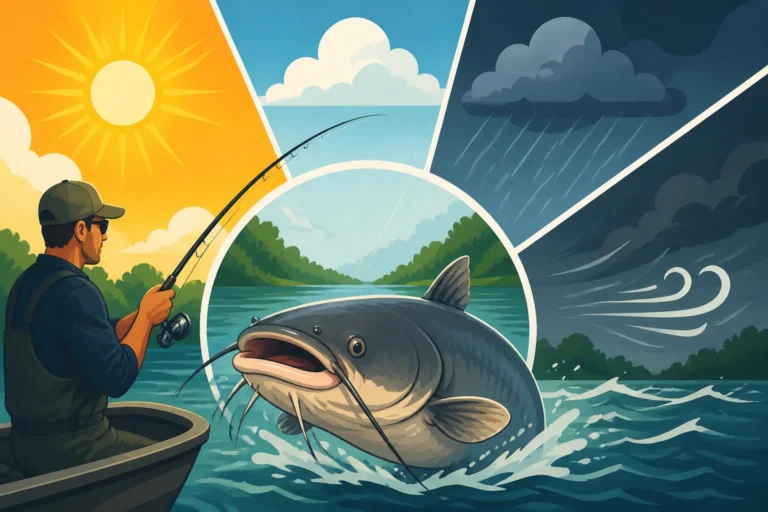
One of the biggest mistakes beginners make is lacking patience. Fishing is not always about constant action; there will be lulls, sometimes long ones, where you don't get a single bite. It's easy to get discouraged, reel in your line every few minutes, or pack up and leave. However, fish activity often comes in waves, influenced by factors like time of day, weather, and water conditions. Reeling in constantly means your bait isn't in the water long enough to be discovered by a passing fish.
Instead of rushing, embrace the stillness. Enjoy the scenery, listen to the birds, and observe your surroundings. Let your bait soak for a good amount of time, especially when targeting slower-moving fish like catfish. Try to stay in one spot for at least 30 minutes to an hour before considering a move, unless you're absolutely sure the area is devoid of fish or conditions are rapidly changing. Patience not only increases your chances of a catch but also enhances the overall relaxing experience of fishing. It's a key ingredient, whether you're fly fishing for bream or waiting for a big blue cat.
Don't Be Afraid to Move Around
While patience is vital, it's equally important not to be too patient in a spot that's clearly not producing. If you've spent a significant amount of time in an area, tried different baits and presentations, and still haven't had a sniff, it's time to move. Fish are not evenly distributed throughout a lake or river; they congregate in specific areas where conditions are favorable. What looks like a perfect spot to you might be barren on a particular day.
Think of it like a treasure hunt. Don't commit all your efforts to one "X" on the map if it's not paying off. Walk the bank, explore different coves, points, or sections of a creek. Sometimes moving just 50 yards down the bank can put you onto a whole new school of fish. Pay attention to how the landscape changes – a sudden drop-off, a new brush pile, or a shady overhang could be exactly what you need. Mobility is one of the distinct advantages of bank fishing; you can easily explore without the hassle of moving a boat. This willingness to explore new areas is often what separates successful bank anglers from those who go home empty-handed.
Respecting the Environment and Other Anglers
A truly successful fishing trip isn't just about the fish you catch; it's also about how you conduct yourself. As bank anglers, we share these precious outdoor spaces with other fishermen, hikers, birdwatchers, and wildlife. Always practice good stewardship by packing out everything you pack in – and then some. Leave no trash behind, including discarded fishing line, which can be deadly to wildlife. Dispose of old bait properly and avoid leaving food scraps that can attract unwanted pests.
When you encounter other anglers, be courteous and respectful of their space. Avoid casting too close to someone else, and don't make excessive noise that might disturb their experience or spook fish. If you see someone catching fish, a polite "Howdy" or "What are they biting on?" is usually fine, but avoid directly intruding on their spot. Respect private property signs and always ask for permission before fishing on private land. By being a responsible and considerate angler, you contribute to a positive experience for everyone and help preserve the beautiful fishing opportunities Mississippi offers for years to come.
Here's a quick comparison of popular species and suitable bank fishing setups:
| Species | Common Bank Fishing Baits | Recommended Lures | Best General Setup | Typical Habitat (Bank) |
|---|---|---|---|---|
| Crappie | Live minnows, worms | Small jigs (1/16 – 1/8 oz) | Light to Medium-Light Spinning | Brush piles, fallen trees, docks, piers |
| Bass | Worms, minnows | Soft plastics, spinnerbaits, crankbaits | Medium to Medium-Heavy Spinning/Baitcasting | Weeds, stumps, structure, shaded areas |
| Catfish | Cut bait, chicken livers, worms | None (bait specific) | Medium-Heavy Spinning | Deep holes, river bends, bottom structure |
| Bream (Panfish) | Crickets, worms | Tiny jigs, small spinners | Ultralight to Light Spinning | Shallow cover, lily pads, structure |
Disclaimer
Fishing involves inherent risks, and conditions can change rapidly. Always prioritize safety, be aware of your surroundings, and check local weather forecasts before heading out. This guide provides general information and recommendations; always consult the official Mississippi Department of Wildlife, Fisheries, and Parks (MDWFP) regulations for the most current and specific rules and guidelines regarding fishing licenses, creel limits, and size restrictions. The information provided here is for educational purposes and should not be considered a substitute for official legal or safety advice.