Horn Island Fishing Guide
Dreaming of an unforgettable fishing trip where the sound of waves is your only company and the tug on your line promises something truly special? Many of us crave those pristine, untouched angling experiences, but finding reliable information and navigating the logistics can feel like a maze. This comprehensive guide will cut through the confusion, equipping you with everything you need to know for a successful, rewarding, and truly wild fishing adventure around Mississippi's magnificent Horn Island.
Discovering Horn Island's Unique Fishing Appeal
Horn Island isn't just another spot on the map; it's a living, breathing testament to the wild beauty of the Mississippi Gulf Coast. This barrier island, part of the Gulf Islands National Seashore, offers an angling experience that truly stands out from the crowded piers and busy bayous. Its isolation and pristine nature are what make it so special, drawing serious anglers seeking a connection with nature and incredible fishing opportunities.
The Allure of a Barrier Island Ecosystem
What truly makes Horn Island a gem for fishermen is its untouched barrier island ecosystem. Unlike many developed coastal areas, Horn Island remains largely wild and undeveloped, protected by its National Seashore status. This means miles of undisturbed beaches, vast expanses of seagrass beds, intricate marsh systems, and healthy oyster reefs – all critical habitats for a thriving fishery. When you cast a line here, you're tapping into a rich biodiversity, a nursery ground for countless species, and a sanctuary where fish can grow large and healthy away from constant pressure. It’s an escape, a place where the only sounds are the gulls, the wind, and the splash of a leaping fish, offering a rare sense of solitude that's hard to find elsewhere.
Geographical Advantages for Anglers
Horn Island's strategic location within the Mississippi Sound provides incredible geographical advantages for anglers. Situated roughly 10 miles south of Ocean Springs, it acts as a natural buffer between the calmer waters of the sound and the more turbulent expanse of the Gulf of Mexico. This positioning creates a diverse range of fishing environments. On the Sound side, you'll find shallower, protected waters perfect for sight fishing the flats. The island's numerous guts, sloughs, and passes, like the famous Horn Island Pass, act as highways for baitfish and predators alike, channeling nutrients and creating current breaks where fish love to ambush. On the Gulf side, the beaches offer surf fishing opportunities, while the deeper waters just beyond the sandbars can hold migratory species. This varied topography means that regardless of the wind direction or tidal stage, there’s almost always a productive spot to wet a line.
Getting to Horn Island: Access and Logistics
Reaching Horn Island is part of the adventure, as it’s only accessible by boat. Planning your journey carefully is key to ensuring a smooth and enjoyable trip to this remote paradise. It’s not a place you can just drive up to, and that’s precisely what preserves its wild character.
Public Ferry Services and Private Charters
For those without their own vessel, the most common way to get to Horn Island is via the official National Park Service ferry, operated by the Horn Island Ferry. This service typically departs from Ocean Springs, offering a convenient and reliable way to reach the island. However, ferry schedules can vary seasonally, and reservations are highly recommended, especially during peak times. It’s a great option for day-trippers or campers who want to experience the island without the hassle of boat ownership.
Alternatively, many private charters offer trips to Horn Island. These can range from smaller boats focused on dropping off and picking up passengers to full-service fishing charters that include a guided angling experience. If you’re serious about fishing and want the flexibility of a dedicated captain, a private charter is an excellent choice. Many captains specializing in Mississippi Gulf Coast Fishing Charters will know the best spots around Horn Island and can tailor a trip to your preferences. Several reputable companies along the Mississippi Gulf Coast offer these services, and a quick search on platforms like FishingBooker can help you find one that suits your needs, whether you're looking for an inshore specialist or someone who knows the deeper passes. Just remember to discuss exactly what you're looking for, as not all charters focus solely on the island itself.
Navigating the Waters Around Horn Island
If you're bringing your own boat, navigating the waters around Horn Island requires a good understanding of local conditions. The Mississippi Sound and the approaches to Horn Island can be shallow in many areas, particularly at low tide. Having up-to-date nautical charts, a reliable GPS, and a depth finder are absolutely essential. Many of the productive fishing flats are quite shallow, so a shallow-draft boat, like a bay boat or even a kayak, is often ideal.
The passes and channels can experience strong currents, especially during tidal changes, so boat handling skills are paramount. Always keep a close eye on the weather forecast; conditions on the open water can change rapidly, and a calm morning can quickly turn choppy. Fuel capacity is another critical consideration, as there are no services on Horn Island. Always ensure you have more than enough fuel for your round trip, plus a reserve. It's also wise to have emergency communication devices, like a VHF radio, beyond just your cell phone. This isn't the place to run out of gas or get caught unprepared, but with proper planning, it’s an incredibly rewarding boating experience.
Prime Fishing Spots and Target Species Around Horn Island
Horn Island's diverse aquatic habitats mean there's a fishing spot and a target species for every angler's preference. From shallow, clear flats to deep, current-swept passes, the island offers a smorgasbord of opportunities to bend a rod.
Inshore Flats and Grass Beds
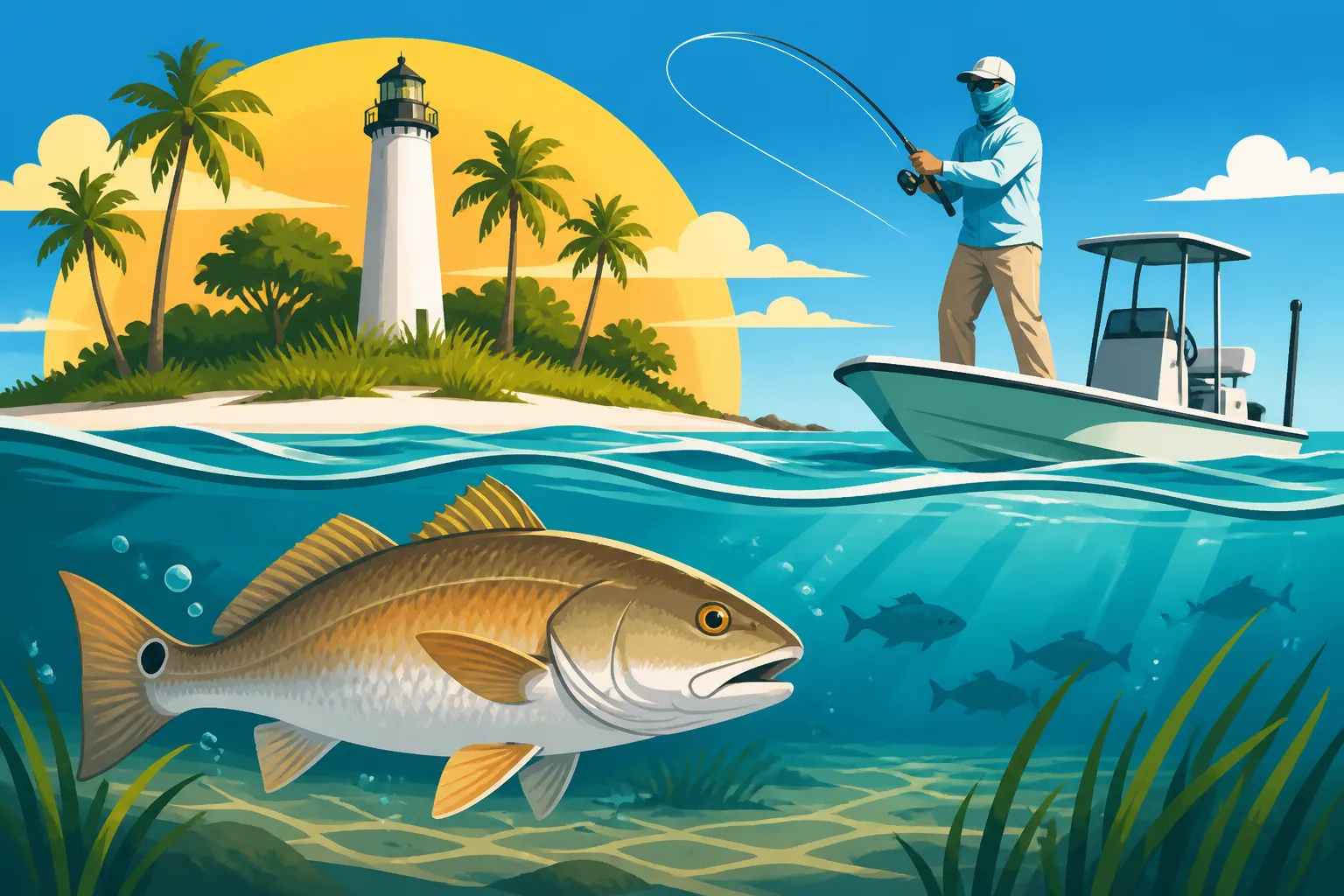
The vast, shallow flats and extensive seagrass beds on the north (Sound) side of Horn Island are a haven for numerous inshore species. This is prime territory for sight fishing, where you can often spot fish cruising in the clear water before you even cast. The dominant species you'll encounter here are Speckled Trout and Redfish, often found stalking baitfish or foraging over oyster shell bottom. You'll also find Flounder camouflaged against the sandy bottom, especially near the edges of grass beds and around submerged structure. Sheepshead are another common catch, identifiable by their prominent "human" teeth, often found around oyster reefs and pilings (though Horn Island has fewer man-made structures).
For these areas, light tackle is your friend. Popping corks with live shrimp or artificial shrimp imitations are incredibly effective for trout. For Redfish, soft plastics rigged weedless or a gold spoon can draw aggressive strikes. Fishing these areas often involves wading, poling a skiff, or using a kayak to quietly approach fish without spooking them. Timing your trip with the tides is crucial; an incoming or outgoing tide often sees fish more actively feeding as bait is moved through the shallows. If you're hoping to land some truly nice 'specks,' focusing on these grass beds during the cooler months can lead to some impressive catches. For detailed tips, check out our guide on Speckled Trout Fishing Techniques.
Deep Water Channels and Passes
As you move away from the shallow flats, particularly around Horn Island Pass to the west and the various cuts and channels that dissect the island, the water deepens, and the currents become more pronounced. These deeper waters are magnets for larger, more powerful fish. Bull Redfish frequently patrol these areas, especially during their spawning aggregations in the fall, feeding on larger baitfish. You might also encounter Black Drum, which can grow to impressive sizes, particularly around oyster beds or ledges within these channels.
Predatory species like Jack Crevalle and Spanish Mackerel can also be found busting bait schools in these turbulent zones. Fishing these spots often involves heavier tackle to combat the currents and larger fish. Bottom fishing with cut bait or live croaker can be effective for drum and bull reds. Jigging with heavy bucktails or metal jigs is another productive method, especially when baitfish are schooling. Trolling through the passes with spoons or plugs can also yield Spanish mackerel and even smaller King Mackerel during certain times of the year. Always be aware of boat traffic in major passes, as these are also navigation routes. If you're looking for general strategies on the wider region, our Mississippi Gulf Coast Fishing Guide offers broader insights into these deeper waters.
The Gulf Side: Surf Fishing and Nearshore Opportunities
The southern, Gulf-facing beaches of Horn Island present a completely different fishing experience: surf fishing. These pristine, white sand beaches offer excellent opportunities to cast into the waves directly from shore. While it might seem less active than inshore fishing, the surf can be incredibly productive, especially during certain seasons. Target species here often include Pompano, known for their delicious white meat and strong fight; Whiting (Gulf Kingfish), a smaller but abundant bottom fish; and occasionally Spanish Mackerel or smaller Redfish that cruise the beach fronts.
Techniques usually involve surf casting with a classic bottom rig, often a Pompano rig, baited with fresh shrimp, sand fleas (mole crabs), or small pieces of cut bait. Long casting rods are an asset here, helping you reach beyond the breaking waves to deeper troughs where fish often feed. The presence of natural troughs and sandbars just offshore creates excellent ambush points for these species. Migratory species like Spanish Mackerel can also be caught by casting spoons or small plugs into schools of baitfish that move along the beaches. The beauty of surf fishing on Horn Island is the sheer solitude and the meditative rhythm of casting into the open ocean, making it a favorite for many.
Essential Gear and Best Techniques for Horn Island Fishing
Having the right equipment and knowing how to use it effectively are paramount for a successful fishing trip to Horn Island. The dynamic environment, from shallow flats to open gulf waters, demands versatility in your gear choices and fishing techniques.
Rods, Reels, and Line for Coastal Angling
For the inshore flats and grass beds on the Sound side of Horn Island, a medium-light to medium power spinning rod, typically 6'6" to 7'6" in length, paired with a 2500-3000 series reel, is ideal. This setup provides enough backbone to handle a feisty Redfish but is sensitive enough for delicate Speckled Trout bites. Spool your reel with 10-15 lb braided line for its casting distance and sensitivity, and always use a fluorocarbon leader of 20-30 lb test, as the water can be incredibly clear. The nearly invisible fluorocarbon is critical for presentation, especially when targeting wary fish.
When venturing into deeper channels or considering surf fishing on the Gulf side, you'll want to step up your gear. A medium-heavy spinning rod, 7' to 8' in length, coupled with a 4000-5000 series reel spooled with 20-30 lb braid, will give you the power to cast heavier baits and lures and handle larger fish like bull Redfish or Black Drum in stronger currents. A heavier fluorocarbon leader, around 40-50 lb test, is advisable here. Given the corrosive nature of saltwater, investing in reels specifically designed for saltwater use, with sealed drag systems and corrosion-resistant components, is a smart long-term choice. For a general overview, our guide on Choosing the Right Rod and Reel for Mississippi Fishing can help you determine the best setup for various scenarios.
Baits and Lures That Get Bites
The choice of bait and lures can make or break your trip to Horn Island. For live bait enthusiasts, fresh live shrimp are king. They are irresistible to nearly every inshore species, from Speckled Trout and Redfish to Flounder and Sheepshead. Live mud minnows or finger mullet are also excellent choices, especially for larger Redfish and Flounder. You can often net your own bait in the shallows around the island if you're prepared.
When it comes to artificials, soft plastics are incredibly versatile. Paddle tail shads and shrimp imitations (like those from FishingBooker's recommended gear lists or local tackle shops such as those found at the Coast) in natural colors (clear, smoke, chartreuse) are highly effective when fished under a popping cork or on a jig head. Topwater plugs can provide exhilarating strikes for Speckled Trout, particularly during low light conditions. For Redfish, weedless spoons (gold or silver) or scented soft plastic jerkbaits can be deadly when retrieved across the flats. In the deeper channels, bucktail jigs or large soft plastics on heavy jig heads mimic the bigger baitfish that predatory species are chasing. Our articles on Best Bait for Speckled Trout and Best Bait for Redfish offer even more specific recommendations for these popular species.
Mastering the Tides and Weather
Understanding and "reading" the tides and weather patterns is perhaps the most crucial skill for fishing Horn Island. Tides significantly influence fish behavior; an incoming tide often pushes baitfish into the shallows, making predators more active. An outgoing tide can concentrate bait and fish in deeper channels or near passes. Slack tide, the period of minimal current, can be slower for some species but might be ideal for others, especially those feeding on the bottom. Always consult a local tide chart before your trip, paying attention to the magnitude of the tide (spring vs. neap tides).
Weather, too, plays a massive role. Clear, calm days are beautiful, but sometimes a light chop can actually make fish less wary and more aggressive. Strong winds, however, can make boat navigation difficult, stir up the water, and make casting a nightmare. Cold fronts in the fall can trigger intense feeding frenzies, while hot summer days often mean fishing is best at dawn, dusk, or even into the night. Always check marine forecasts before heading out and be prepared to adjust your plans. Fishing after a significant rain can also change water clarity and salinity, impacting fish location. Being flexible and observing the conditions on the water will greatly improve your chances of success.
Regulations, Conservation, and Responsible Angling
Fishing on Horn Island isn't just about catching fish; it's about respecting the environment and adhering to the rules that protect this incredible natural resource. Understanding the regulations and practicing responsible angling ensures that Horn Island remains a pristine fishery for generations to come.
Understanding Mississippi's Saltwater Regulations
Before you even think about casting a line around Horn Island, you absolutely must familiarize yourself with Mississippi's saltwater fishing regulations. This starts with acquiring the correct license. Anyone over the age of 16 needs a Mississippi Saltwater Fishing License Guide to fish in these coastal waters, unless specifically exempt. This applies even if you're fishing from a private boat or charter; while many charters handle the license for their clients, it’s always best to confirm.
Beyond the license, you need to know the specific creel limits (how many fish you can keep) and size limits (the minimum and sometimes maximum length a fish must be) for the species you're targeting, such as Redfish and Speckled Trout. These regulations are in place to ensure sustainable fish populations. For example, our guide on Mississippi Redfish and Speckled Trout Limits provides detailed information on what you can legally harvest. These rules can change, so always check the latest information from the Mississippi Department of Wildlife, Fisheries, and Parks (MDWFP) before each trip. Ignorance of the law is not an excuse, and penalties for violations can be steep.
Protecting Horn Island's Pristine Environment
Horn Island is a federally protected wilderness area, and its pristine condition is largely due to strict adherence to Leave No Trace principles. This means packing out everything you pack in – and then some. Do not litter, and properly dispose of all fishing line, bait containers, and other refuse. Respect the island's wildlife; it’s a nesting ground for many bird species and home to a variety of animals, including alligators in some interior brackish ponds. Maintain a respectful distance and avoid disturbing them.
Practicing catch and release, especially for larger breeding-size fish, is highly encouraged, particularly for species like Redfish and Speckled Trout. If you do plan to harvest fish, only keep what you'll realistically eat, and handle fish gently if you intend to release them to maximize their survival chances. Use appropriate dehooking tools and minimize their time out of the water. By taking these steps, you contribute directly to the health and longevity of Horn Island's unique ecosystem.
When to Plan Your Horn Island Fishing Adventure
Choosing the right time of year to visit Horn Island can significantly impact your fishing success. Generally, the spring (March-May) and fall (September-November) offer the most comfortable weather and some of the best fishing for a wide variety of species. During these transitional seasons, water temperatures are ideal, and many fish are actively feeding. You'll find strong runs of Speckled Trout and Redfish in the grass beds and around the passes. Spring also sees migratory species starting to arrive.
Summer (June-August) can be incredibly hot, and fishing often requires an early morning or late evening start to avoid the intense midday sun and heat. However, summer nights can offer fantastic opportunities for species like Speckled Trout under the moonlight. Winter (December-February) can be chilly, but for anglers willing to brave the cold, it can be a prime time for targeting larger, colder-tolerant species like bull Redfish in deeper waters and aggregations of Speckled Trout in protected bayous and canals. Each season offers its unique charm and challenges, so consider your target species and preferred fishing style when planning. For a broader perspective on the region, our Best Time of Year to Fish in Mississippi guide offers seasonal insights that can inform your Horn Island trip planning.
| Target Species | Prime Season | Preferred Habitat | Recommended Baits/Lures |
|---|---|---|---|
| Speckled Trout | Spring, Fall | Seagrass flats, bayous | Live shrimp, popping corks, soft plastics, topwater plugs |
| Redfish | Spring, Fall | Shallow flats, oyster reefs, passes | Live finger mullet, cut bait, weedless spoons, soft plastics |
| Flounder | Fall | Sandy bottoms, channel edges | Live mud minnows, Gulp! shrimp, jig & grub combos |
| Sheepshead | Winter, Spring | Oyster reefs, pilings | Fiddler crabs, live shrimp, small pieces of cut bait |
| Spanish Mackerel | Summer | Open water, surf, passes | Spoons, small plugs, live finger mullet |
| Black Drum | Year-round | Deep channels, oyster beds | Cut bait, dead shrimp, crabs |
Disclaimer
Fishing regulations and conditions in Mississippi can change. While we strive to provide the most accurate and up-to-date information, it is always your responsibility to verify current rules with the Mississippi Department of Wildlife, Fisheries, and Parks (MDWFP) before heading out. This guide is for informational purposes only and does not constitute legal advice.