Pascagoula Bay Fishing Guide
Navigating the unique fishing opportunities of Pascagoula Bay can feel like a puzzle, especially with its mix of freshwater influences and Gulf Coast saltwater dynamics. Anglers often struggle to understand where the fish are hiding, what techniques truly work in this diverse ecosystem, and how to stay on the right side of the regulations. This comprehensive guide will untangle the complexities of fishing in Pascagoula Bay, providing you with the knowledge and strategies to make your next trip a successful and memorable one.
Understanding Pascagoula Bay's Unique Ecosystem
Pascagoula Bay isn't just another body of water on the Mississippi Gulf Coast; it's a dynamic, intricate system where the mighty Pascagoula River, one of the last unimpeded rivers in the lower 48 states, meets the Gulf of Mexico. This unique confluence creates a rich, brackish environment teeming with life, offering angling opportunities that differ significantly from other coastal areas. Understanding this ecosystem is paramount to consistently finding and catching fish here.
Geographic Features and Water Dynamics
The geography of Pascagoula Bay is defined by its namesake river, which carves its way through extensive marshlands before fanning out into a broad, shallow bay. This creates a fascinating blend of fresh and saltwater habitats. The river's influence means that the bay's salinity can fluctuate greatly depending on rainfall and tidal cycles. During periods of heavy rain, the river pushes a large volume of freshwater into the bay, driving saltwater species further out towards the Gulf or into deeper pockets. Conversely, during dry spells or strong incoming tides, saltwater can push far up into the river's lower reaches and bayou systems.
This constant push and pull creates distinct transition zones where brackish-tolerant species thrive. The tidal creeks, bayous, and smaller tributaries feeding into the main bay become vital arteries, offering refuge and feeding grounds. Anglers need to pay close attention to recent weather patterns and tide charts, not just for navigation, but for predicting fish movement. A strong incoming tide can bring baitfish and predators into shallower areas, while an outgoing tide might concentrate fish in deeper channels or around structure as water recedes from the marshes. The intricate network of islands and marsh grass also contributes to the bay's character, providing shelter, nursery areas, and prime ambush points for predatory fish.
Dominant Habitat Types and Their Importance
Pascagoula Bay boasts a variety of critical habitats, each playing a crucial role in supporting its diverse fishery. The most prominent are the vast marshlands, dominated by smooth cordgrass (Spartina alterniflora). These marshes act as natural filters, improving water quality, and providing an incredible nursery ground for juvenile fish, shrimp, and crabs, which form the base of the food chain. Fishing along marsh edges, particularly those with good current flow or adjacent to deeper channels, is often highly productive as baitfish seek cover and predatory species patrol these zones.
Beyond the marshes, you'll find numerous oyster reefs scattered throughout the bay. These reefs are underwater cities, providing hard structure, food, and shelter for countless organisms. Oysters filter water, and their irregular surfaces create eddies and current breaks that attract baitfish, which in turn attract larger game fish like redfish, speckled trout, and sheepshead. Targeting the edges of these reefs, especially during tidal changes, can lead to explosive bites. Another key habitat is the system of deepwater channels and bayous. These provide migratory pathways for fish moving between the river and the Gulf, as well as holding areas during extreme weather or low tides. Understanding where these channels run and how they connect to shallower feeding flats is a significant advantage for any angler.
Top Fish Species to Target in Pascagoula Bay
Pascagoula Bay is a playground for inshore anglers, offering a fantastic opportunity to chase some of the Gulf Coast's most prized game fish. While conditions can vary, certain species are consistently present and provide thrilling action. Knowing what to expect and where these fish typically congregate will greatly improve your chances of a successful outing.
Speckled Trout: Habits and Hotspots
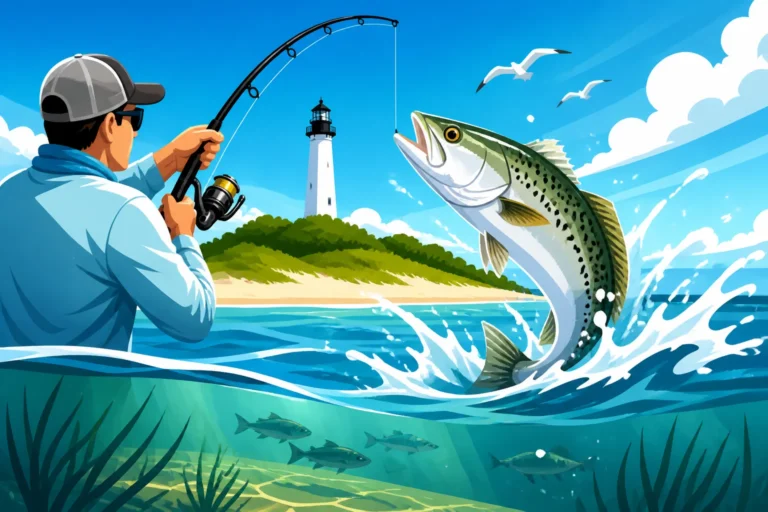
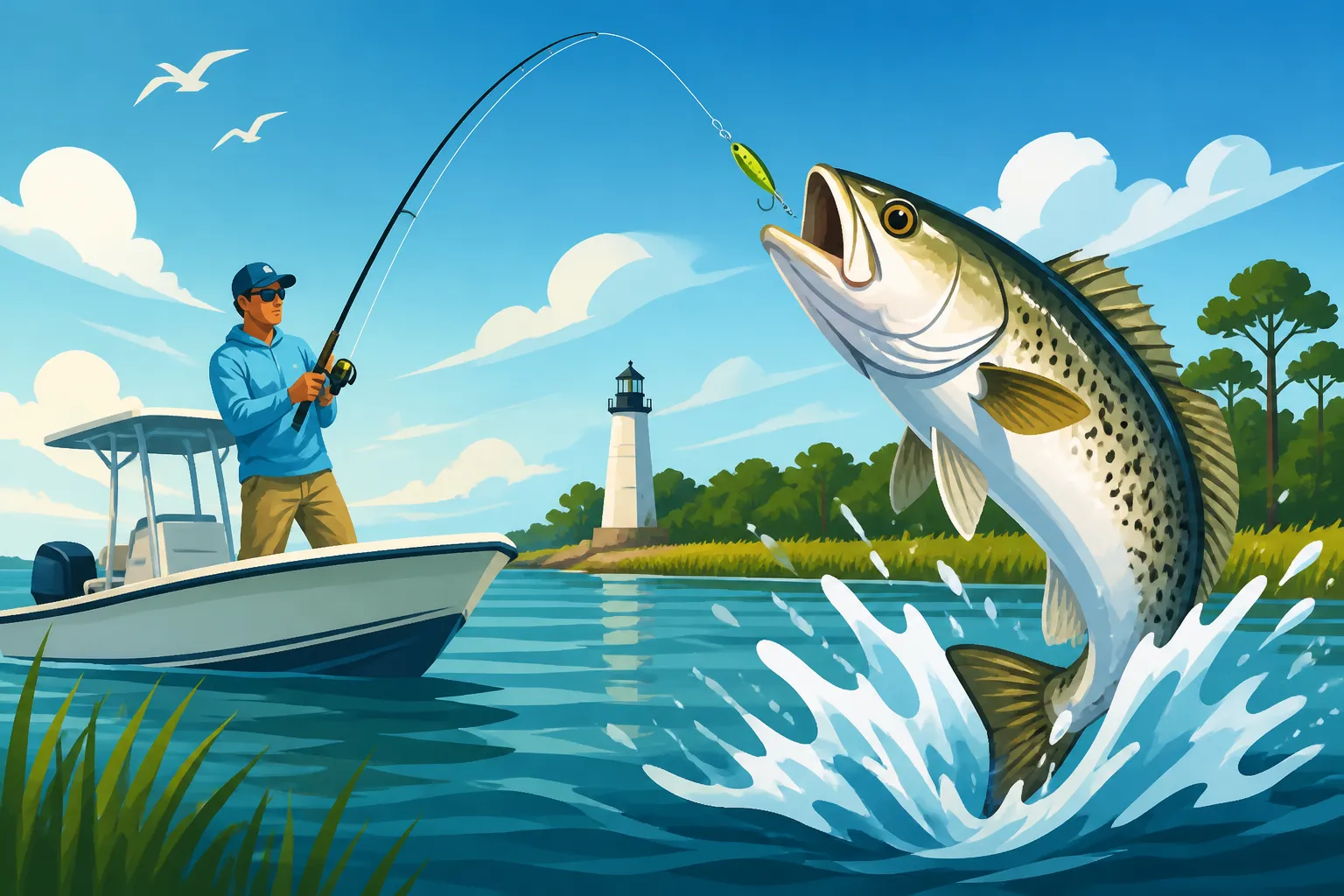
The speckled trout, or "specks" as they're affectionately known, are a perennial favorite in Pascagoula Bay, prized for their aggressive bites and excellent table fare. These beautiful fish thrive in the brackish waters of the bay, especially around grass beds, oyster reefs, and points where current creates ambush opportunities. Their diet primarily consists of shrimp, small baitfish like pilchards and mullet, and sometimes even smaller crabs. When targeting speckled trout, think about ambush points. They love to lie in wait, darting out to snatch unsuspecting prey.
Prime trout fishing locations often include the many smaller bayous and creeks that empty into the main bay, especially during an outgoing tide when bait is flushed out. The edges of the extensive marsh grass are also top producers. Look for areas where submerged grass beds meet slightly deeper water or sandy bottom transitions. A particular hotspot includes the lower Pascagoula River and its myriad of tributaries where there's a good mix of fresh and saltwater influence. Early mornings and late evenings are often the most productive times, as trout are more active in lower light conditions. You'll find great tips on how to target these fish in our guide on Speckled Trout Fishing Techniques.
Redfish: Where and How to Find Them
Redfish, or red drum, are another dominant species in Pascagoula Bay, offering powerful fights and a distinctive bronze hue. Unlike speckled trout, redfish are often found rooting around on the bottom, nose down, searching for crabs, shrimp, and small finfish. They're incredibly hardy and can tolerate a wider range of salinity, often venturing further up into the brackish marshes than trout might. Their broad tails and powerful bodies make them exceptional fighters, especially when hooked in shallow water.
When searching for redfish, focus on shallow flats with oyster shell, muddy bottoms, or scattered grass. They frequently "tail" in extremely shallow water, revealing their presence as they feed. Look for cuts and drains in the marsh, especially those with moving water. Structure like submerged logs, dock pilings, and bridge supports also hold redfish. The extensive marsh system around the mouth of the Pascagoula River and the numerous tidal creeks are excellent starting points. Areas around the Pascagoula Ship Channel and its feeder bayous can also be productive. Don't forget to check out our detailed guide on Redfish Fishing Techniques on the Gulf Coast for more advanced strategies. If you're planning a trip, a local guide on FishingBooker can often put you directly on these spots, making the most of your time on the water.
Other Popular Catches
While speckled trout and redfish are the stars of Pascagoula Bay, the diverse ecosystem supports a host of other exciting species that can add variety to your catch.
- Flounder: These masters of camouflage are ambush predators, lying in wait on sandy or muddy bottoms. They're excellent eating and can be caught by jigging artificial lures or bottom fishing with live bait like finger mullet or shrimp. Look for them around channel edges, oyster reefs, and sandy potholes near structure.
- Sheepshead: Known as "convict fish" due to their striped patterns and human-like teeth, sheepshead are structure-oriented feeders. They love to pick crabs, barnacles, and oysters off pilings, jetties, and bridge supports. Small hooks and fresh shrimp, fiddler crabs, or barnacles are the ticket for these tenacious fighters.
- Black Drum: Cousins to the redfish, black drum grow much larger and also feed on crustaceans and mollusks on the bottom. While less frequently targeted, they can be a pleasant surprise catch, especially when fishing deeper channels or around oyster reefs. They respond well to cut bait or shrimp on a bottom rig.
- White Trout and Croaker: These smaller, schooling fish are abundant and offer consistent action, particularly for families or novice anglers. They're usually found in deeper parts of the bay or channels and readily bite small pieces of shrimp on a bottom rig. They make for great panfish.
Effective Fishing Techniques for Pascagoula Bay
Success in Pascagoula Bay hinges on adapting your techniques to the conditions and the specific species you're targeting. The interplay of tides, currents, and the bay's unique structure demands a versatile approach. Whether you prefer casting artificials or soaking live bait, having a solid understanding of effective strategies will pay dividends.
Inshore and Nearshore Strategies
Inshore fishing in Pascagoula Bay predominantly involves targeting species within the bay's protected waters, marsh systems, and river delta. The primary goal is often to find schools of speckled trout or individual redfish actively feeding.
- Casting Artificial Lures: Soft plastic jigs, like Berkley Gulp! or D.O.A. shrimp imitations, rigged on a 1/8 to 1/4 ounce jighead are incredibly versatile. Work them with a slow retrieve, bouncing them off the bottom, or twitching them just above submerged grass. Topwater lures like a Heddon Super Spook Jr. can be devastating for aggressive trout and redfish during low light conditions or when fish are active near the surface. Experiment with colors; chartreuse, "new penny" (copper/gold flake), and "opening night" (purple/chartreuse) are local favorites.
- Live Bait Fishing: Nothing beats live bait for consistency, especially when fish are finicky. Live shrimp, whether free-lined, suspended under a popping cork, or fished on a Carolina rig, is a universal offering. Popping corks are particularly effective for speckled trout over grass beds, mimicking the sound of feeding shrimp. For redfish, live finger mullet or mud minnows (killifish) can be irresistible. A simple kahle hook or circle hook threaded through the bait's lips or back is usually sufficient.
- Trolling: While less common for the primary targets, trolling can be effective for covering ground and locating schools, especially for white trout or smaller redfish. Small diving lures or weighted jigs can be trolled slowly along channel edges. For crappie, which can sometimes be found in the upper reaches of the bay's freshwater influenced zones, methods like spider rigging could be considered, as detailed in our guide on Spider Rigging Techniques.
Nearshore strategies extend slightly beyond the main bay, often venturing into the Mississippi Sound or just outside the passes. Here, anglers might target larger redfish, flounder, or even Spanish mackerel and pompano, depending on the season. Deeper jigging, casting larger spoons, or fishing cut bait on bottom rigs are common approaches.
Tides, Currents, and Weather Considerations
Ignoring the tides and currents in Pascagoula Bay is a recipe for a slow day. These forces dictate when and where fish feed, and understanding them is crucial.
- Tidal Flow: Generally, the most productive fishing occurs around tidal changes. An incoming tide often pushes cleaner, more saline water (and bait) into the bayous and marsh flats, activating predatory fish. An outgoing tide flushes baitfish and crustaceans out of the marshes, concentrating them in feeder creeks and channels, creating an easy meal for waiting predators. Pay attention to the strength of the tide; strong tidal currents can be excellent for certain spots, but too much current can make fishing difficult.
- Water Clarity: The Pascagoula River's freshwater input means that water clarity can vary significantly. After heavy rains, the bay might become muddy or "stained," which can turn off sight-feeders and make artificial lure presentations less effective. In these conditions, baits with strong scent (like Berkley Gulp! or cut bait) or lures that create a lot of vibration (like spinnerbaits or rattling plugs) can be more successful. Cleaner water usually means more opportunities for sight fishing or subtle lure presentations.
- Weather Patterns: Like all coastal fishing, weather plays a huge role. Cold fronts can send fish seeking deeper, more stable water, making them lethargic. Warm, stable weather, especially during spring and fall, often brings fish into shallower feeding grounds. Wind is another critical factor; too much wind can make boat control difficult and muddy up shallow flats. However, a gentle breeze can create a 'chop' on the water, breaking up the surface and making fish less wary. Always check the forecast and adjust your plans accordingly. Our Best Time of Year to Fish in Mississippi guide can help you understand seasonal patterns. Before heading out, consider checking an app like FishingBooker for local weather and fishing reports shared by guides, giving you real-time insights.
Prime Fishing Locations and Access Points in Pascagoula Bay
Pascagoula Bay offers a wealth of fishing opportunities, from easily accessible public spots to remote marsh areas best reached by boat or kayak. Knowing where to launch, where to cast from shore, and where the fish tend to congregate can save you precious fishing time and greatly increase your success.
Public Piers, Ramps, and Shoreline Access
Even if you don't own a boat, Pascagoula Bay provides several excellent options for land-based anglers or those looking to launch smaller craft. These public access points are often hubs of activity and can be surprisingly productive.
- Pascagoula Beach Park Pier: Located at 600 Beach Blvd, this pier extends into the bay, offering access to deeper water without needing a boat. It's a fantastic spot for catching speckled trout, white trout, croaker, and even some redfish, especially during tidal changes. The pier often has lights at night, which can attract baitfish and subsequently, game fish. There are restrooms and parking available, making it a convenient spot for families.
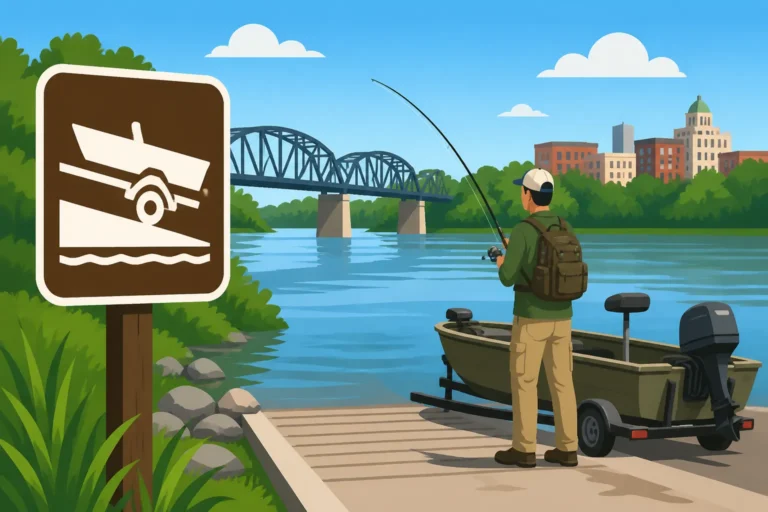
- Jackson County Public Boat Ramps: Several public ramps provide easy access for boaters. The Pascagoula River Park (at the end of River Road) has excellent facilities, including multiple ramps and ample parking, offering direct access to the main river and bay system. The Lighthouse Park Boat Launch (at 3200 Frederic St) also provides quick access to the eastern side of the bay and adjacent bayous. These ramps are essential for those with trailered boats, allowing them to explore the vastness of the bay.
- Shoreline Access Along Causeway and Bay Front: While extensive private property limits some shoreline access, there are pockets along the Pascagoula Beach Causeway (Highway 90) and other bayfront areas where you can pull over and cast a line. These spots are usually shallower but can be excellent for wade fishing or targeting redfish and flounder in the grass. Always be mindful of private property signs and respect local regulations. Check out our guide on Best Bank Fishing Spots on Grenada Lake for more general bank fishing tips that can be adapted to the coast.
Navigating the Bay by Boat and Kayak
For the most comprehensive fishing experience in Pascagoula Bay, a boat or kayak is indispensable. These allow you to reach remote marshes, oyster reefs, and deeper channels that are inaccessible from shore, opening up a world of possibilities.
- Boating the Channels and Bayous: A shallow-draft boat, like a bay boat or flatboat, is ideal for navigating the bay's intricate network of channels and bayous. The Pascagoula River system itself is a prime target, particularly its numerous offshoots and oxbow lakes. These areas offer protection from wind and can hold significant numbers of redfish and speckled trout, especially during cooler months or when the main bay is churned up. The main Pascagoula Ship Channel also has productive edges and spoil islands that attract various species. Always be aware of navigation markers and watch your depth, as many areas can be quite shallow.
- Kayak Fishing the Marshes: Kayak anglers truly shine in Pascagoula Bay's marsh environment. Their ability to stealthily paddle into skinny water and remote pond systems gives them access to untouched fishing grounds. The quiet approach of a kayak is perfect for sight fishing redfish tailing in inches of water. Focus on tidal creeks, small marsh ponds, and the edges of expansive grass flats. Always use a stake-out pole or small anchor to hold your position, especially in current. Be mindful of tides, as dropping water levels can leave you stranded in shallow marsh guts. For tips on how to prepare, consider guides like Kayak Fishing Techniques.
- FishingBooker's local listings can also help you find experienced guides who specialize in navigating Pascagoula Bay's unique waterways, ensuring you hit the best spots safely and efficiently. Many of these guides run shallow-water boats perfect for accessing the rich marsh ecosystems.
Essential Gear and Bait for Pascagoula Bay Success
Having the right tackle and bait can make all the difference between a frustrating day and a fantastic one on Pascagoula Bay. While you don't need a boatload of expensive gear, understanding what works best for the local conditions and target species is crucial.
Rod and Reel Setups for Different Species
Versatility is key when gearing up for Pascagoula Bay, as you might encounter anything from aggressive redfish to delicate sheepshead.
- All-Around Inshore Setup: A medium-light to medium power spinning rod, 6'6" to 7'6" in length, paired with a 2500-3000 size spinning reel, is the workhorse for most inshore fishing. This setup offers enough backbone to handle a decent redfish but is sensitive enough for speckled trout. Spool it with 10-15 lb braided line, which offers superior casting distance and sensitivity, and tie on a 2-3 foot leader of 20-30 lb fluorocarbon. Fluorocarbon is nearly invisible underwater and more abrasion-resistant, crucial around oyster shells and dock pilings. Popular brands for this type of reel include Shimano and Daiwa, known for their smooth drags and durability in saltwater environments.
- Targeting Larger Reds/Drum: If you're specifically targeting bigger redfish or black drum, you might opt for a slightly heavier medium-heavy power rod, 7 to 7'6" long, with a 3000-4000 size reel. This provides extra leverage and line capacity for those powerful runs. Increase your main line to 15-20 lb braid and your leader to 30-40 lb fluorocarbon. This setup is also suitable for lighter nearshore action.
- Sheepshead/Flounder Specifics: For the precise bite of a sheepshead, a more sensitive medium-light rod with a fast action tip is beneficial to detect subtle nibbles. A smaller 2000-2500 reel with 10 lb braid and a 15-20 lb fluorocarbon leader is perfect. For flounder, especially if jigging, the all-around inshore setup works well, but some anglers prefer a slightly shorter rod for better control when working jigs along the bottom.
Live Bait vs. Artificial Lures
The choice between live bait and artificial lures often comes down to personal preference, prevailing conditions, and target species. Both have their merits in Pascagoula Bay.
- Live Bait: When fish are finicky, or you simply want the highest chance of a bite, live bait is hard to beat.
- Live Shrimp: The quintessential inshore bait. It's irresistible to virtually all game fish in the bay, including speckled trout, redfish, flounder, and even smaller species. Fish it under a popping cork, free-lined, or on a Carolina rig. You can often buy live shrimp at local bait shops in Pascagoula.
- Live Mullet/Finger Mullet: Excellent for redfish and larger trout. The erratic swimming action can trigger aggressive strikes. Hook them through the lips or just behind the dorsal fin.
- Fiddler Crabs/Oysters/Cut Bait: Fiddler crabs are prime sheepshead bait, while small pieces of fresh shrimp or cut bait (like mullet or croaker) work wonders for black drum and larger catfish in the brackish zones.
- Artificial Lures: For anglers who enjoy the challenge of working lures and covering ground, artificials are incredibly effective once you understand the bite.
- Soft Plastic Jigs: As mentioned, these are a staple. Colors like chartreuse, pink, clear with glitter, and dark greens or purples are popular. Pair them with appropriate jighead weights (1/8 oz to 3/8 oz) based on depth and current. Brands like Matrix Shad, H&H Lures, and Z-Man offer a variety of proven options.
- Topwater Lures: Walk-the-dog style baits (e.g., Heddon Super Spook, MirrOlure MirrO-Lure) or poppers can be exhilarating for trout and redfish, especially during calm mornings and evenings. The visual strike is unforgettable.
- Spoons: Gold or silver spoons (e.g., Johnson Silver Minnow) can be effective for redfish in shallow grass and for Spanish mackerel in the deeper parts of the bay or just outside the passes.
- Subsurface Hard Baits: Suspending or slow-sinking twitchbaits (e.g., MirrOlure MirrO-Dine, Paul Brown Original) can be deadly for trout when they're feeding on baitfish just below the surface.
Learning to present these baits and lures effectively is part of the fun of fishing Pascagoula Bay. Whether you prefer the natural draw of live bait or the active engagement of artificials, having a selection of both will prepare you for any situation.
Pascagoula Bay Fishing Regulations and Best Practices
To ensure the long-term health of Pascagoula Bay's incredible fishery and to avoid costly penalties, it's absolutely essential to be familiar with and adhere to the local fishing regulations. Responsible angling also extends beyond just the rules; it encompasses ethical practices that protect the environment and enhance the experience for everyone.
Licensing and Creel Limits
Fishing in Mississippi's public waters, including Pascagoula Bay, requires a valid fishing license. This is not just a formality; the funds generated from license sales directly support conservation efforts, habitat restoration, and fisheries management within the state.
- Mississippi Fishing License Guide: All residents and non-residents aged 16 to 64 must possess a valid fishing license. For saltwater fishing in Pascagoula Bay, you will generally need a freshwater/saltwater combination license or a specific Mississippi Saltwater Fishing License. Even if you're fishing from a pier or shore, a license is required. There are specific exemptions for seniors, youth, and disabled veterans, which you can explore in our comprehensive Mississippi Fishing License Exemptions guide.
- Creel and Size Limits: The Mississippi Department of Wildlife, Fisheries, and Parks (MDWFP) sets strict creel (daily bag) and size limits for various species to prevent overfishing and protect juvenile fish.
- Speckled Trout: Typically, there is a daily creel limit of 15 fish per person, with a minimum size of 15 inches. There may also be a slot limit, allowing only one fish over a certain length (e.g., 20 inches) to be kept.
- Redfish: Generally, the daily limit is three fish per person within a specific slot size (e.g., 16 to 30 inches), with only one fish over the slot allowed. These regulations are designed to protect the breeding stock of larger redfish.
- Flounder: Flounder often have a daily limit of 10 fish per person, with a minimum size of 12 inches.
- Other Species: White trout, croaker, sheepshead, and black drum also have specific regulations. It's imperative to consult the latest MDWFP regulations handbook or their website before each trip, as rules can change seasonally or annually. Our guide on Mississippi Fishing Creel and Size Limits provides a detailed overview.
- Charter Regulations: If you're fishing with a charter captain, they usually handle the vessel's licensing, but individual anglers may still need to possess their own personal fishing license, especially if they are non-residents. Always confirm this with your guide or charter operator, as detailed in our Does a Mississippi Fishing Charter Include the License? article. You can often book experienced, licensed guides through platforms like FishingBooker, ensuring you're fishing legally and responsibly.
| Species | Minimum Size (Inches) | Daily Creel Limit | Special Notes |
|---|---|---|---|
| Speckled Trout | 15" | 15 | Max. 1 over 20" allowed within daily limit |
| Redfish | 16" | 3 | Slot limit (e.g., 16-30"), Max. 1 over 30" |
| Flounder | 12" | 10 | |
| Sheepshead | 14" | 10 | |
| Black Drum | 14" | 10 | Max. 1 over 30" allowed within daily limit |
Note: Regulations are subject to change. Always consult the latest MDWFP regulations before fishing.
Conservation and Ethical Angling
Beyond simply following the rules, practicing ethical angling ensures that Pascagoula Bay remains a vibrant fishery for future generations.
- Catch and Release Best Practices: For fish you intend to release, minimize handling time, use circle hooks to reduce gut hooking, and support the fish horizontally when possible. If a fish is exhausted, revive it by holding it upright in the water, allowing water to flow over its gills, until it swims away strongly. This is especially important for oversized redfish or any fish near the upper end of the slot limit, as they are crucial for breeding.
- Minimize Environmental Impact: Pack out everything you pack in. Dispose of all trash, including discarded fishing line, properly. Monofilament and braided line can be deadly to wildlife. Avoid disturbing sensitive marsh habitats, oyster reefs, and seagrass beds, especially when operating a boat. Propeller scars on seagrass beds take a very long time to heal and can harm critical nursery grounds.
- Respect Other Anglers and Property Owners: Share the waterways and access points courteously. Keep noise levels down, especially in residential areas or near other fishing parties. Always ask for permission before accessing private property. A positive reputation among the local fishing community benefits everyone.
- Report Violations: If you witness illegal fishing activity or environmental harm, report it to the MDWFP. Your vigilance helps protect the resources we all enjoy.
By understanding the unique challenges and opportunities of Pascagoula Bay, selecting the right gear, mastering effective techniques, and adhering to regulations and best practices, you're not just fishing; you're becoming a more skilled, responsible, and successful angler in one of Mississippi's most special coastal treasures.
Disclaimer
Fishing regulations, license requirements, and creel limits are subject to change by the Mississippi Department of Wildlife, Fisheries, and Parks (MDWFP). This guide provides general information and recommendations. It is the responsibility of each angler to consult the latest official MDWFP regulations before engaging in any fishing activity to ensure compliance. The author and publisher are not responsible for any violations incurred. Always prioritize safety on the water and practice responsible angling.