Pascagoula River Fishing Guide
The Pascagoula River, a true gem of Mississippi, offers some of the most diverse and exciting fishing opportunities in the Southeast, but its sprawling, untamed nature can feel overwhelmingly complex to new anglers. It’s easy to feel lost trying to figure out where to start, what to target, or even what regulations apply across its vast system. This guide is designed to cut through that confusion, giving you the insider knowledge you need to confidently explore and successfully fish the magnificent Pascagoula River.
Understanding the Pascagoula River System
Often called "The Singing River" due to a local legend, the Pascagoula River is truly one of a kind. It's the largest undammed river in the contiguous United States, flowing freely for over 80 miles before emptying into the Mississippi Sound and the Gulf of Mexico. This free-flowing characteristic is what makes it so incredibly special and diverse, but it also contributes to its wild, sometimes challenging, nature. Its dynamic environment means that fishing conditions, and even the types of fish you'll encounter, can vary dramatically as you move from the freshwater reaches far inland to the brackish estuarine areas closer to the coast.
A Unique Untamed Wilderness
Unlike many other major river systems, the Pascagoula River remains largely untouched by man-made dams, allowing its waters to ebb and flow naturally with rainfall and tidal influences. This natural hydrology creates a pristine habitat that supports an incredible array of flora and fauna, making it a dream destination for anglers who appreciate wild, scenic beauty alongside fantastic fishing. The lack of impoundments means you won't find the stagnant, reservoir-style fishing that's common elsewhere; instead, you'll experience a constantly shifting, current-driven environment.
Fishing here feels like stepping back in time, with dense cypress and tupelo swamps giving way to expansive marshes as you head south. This untamed character provides a sanctuary for a myriad of species, from the largemouth bass lurking in oxbow lakes to the redfish cruising the coastal flats. It also means navigating the river requires a keen eye and respect for nature, as sandbars can shift, and submerged timber is common. The beauty of the Pascagoula is truly in its wildness, offering an authentic outdoor experience that's increasingly rare.
Key Tributaries and Basins
The Pascagoula River system isn't just one river; it's a vast network fed by several major tributaries, each contributing its own unique characteristics and fishing opportunities. The main stem of the Pascagoula is formed by the confluence of the Leaf River and the Chickasawhay River near Merrill, Mississippi. These two rivers, along with others like the Black Creek, Bowie River, and Red Creek, drain a significant portion of southeastern Mississippi, bringing a diverse mix of nutrients and water levels into the main channel.
Understanding these tributaries is key to successful fishing. For example, the upper reaches of the Leaf and Chickasawhay Rivers are prime spots for traditional freshwater species, offering quieter, more intimate fishing experiences. As these rivers converge and flow south, they pick up speed and volume, carving out deeper channels and forming oxbow lakes that are absolute havens for bass and crappie. Each tributary has its own rhythm and habitat, creating micro-environments within the larger system that can hold specific fish species or offer better fishing depending on recent weather and water conditions.
Water Conditions and Tidal Influence
Given its free-flowing nature and proximity to the Gulf, the Pascagoula River's water conditions are highly dynamic. Freshwater levels are primarily influenced by rainfall upstream, leading to significant fluctuations in current speed and depth. During periods of heavy rain, the river can rise dramatically and become muddy, which might scatter some species but can concentrate catfish in specific areas. Conversely, during dry spells, lower water levels expose sandbars and make navigation tricky in some spots, but can also make fish more predictable as they congregate in deeper holes.
Closer to the coast, tidal influence from the Mississippi Sound becomes a dominant factor. The twice-daily ebb and flow of tides push saltwater far upstream, creating extensive brackish water zones that are a melting pot for both freshwater and saltwater species. Understanding tide charts is crucial for fishing the lower Pascagoula. A falling tide can pull baitfish out of marsh grass and into deeper channels, making them easy targets for redfish and speckled trout. A rising tide, on the other hand, can push these predatory fish deep into the marsh, where they feed on shrimp and crabs. Knowing how to read these conditions will significantly boost your success rate, especially when targeting saltwater species.
Prime Fishing Spots and Access Points
The sheer length and diverse habitats of the Pascagoula River mean that prime fishing spots are incredibly varied. From serene oxbows tucked away in dense forests to the wide-open expanse of the lower estuary, there's a perfect spot for every kind of angler and every target species. The key is knowing where to go for what you're after.
Upper River Freshwater Hotspots
The upper reaches of the Pascagoula, including its main tributaries like the Leaf and Chickasawhay Rivers, are quintessential freshwater environments. Here, you'll find classic southern river fishing, often characterized by cypress trees draped in Spanish moss and relatively clear, flowing water. These areas are fantastic for targeting largemouth bass, various panfish like bream and bluegill, and an abundance of catfish.
One of the most productive strategies in the upper river involves exploring the numerous oxbow lakes and backwater sloughs. These areas are often cut off from the main current, creating calmer, nutrient-rich environments where baitfish thrive, and therefore, so do predator species. Look for fallen timber, lily pad fields, and grass beds as prime ambush points for bass. You might also consider fishing around the mouths of smaller creeks that feed into the main river, especially after a rain, as these spots wash bait into the river. Popular access points for the upper river include numerous small boat ramps and public landings near towns like Merrill, Lucedale, and McLain, offering a more rustic and secluded fishing experience.
Mid-River Transition Zones
As you move downstream, the Pascagoula River begins its transition from purely freshwater to a mix of fresh and brackish water. These mid-river zones, often stretching from the area around Gautier northward, are incredibly exciting because they offer the chance to catch both freshwater and saltwater species on the same trip. Imagine reeling in a hefty channel catfish one minute, then hooking into a feisty redfish the next!
These transition zones are characterized by a gradual increase in salinity and a wider river channel. Look for areas where freshwater creeks meet the main river, or where brackish marshes begin to appear. The edges of marsh grass, oyster beds, and any submerged structure like old docks or logs can hold a variety of fish. This is a great area for those targeting hybrid striped bass, which are often found where the salinity levels are fluctuating. For access, public boat ramps in Gautier or those slightly further north on the river system provide excellent starting points to explore these rich, diverse waters. Remember, the Mississippi Statewide Creel Limits and specific regulations like those in the Mississippi Fishing Regulations Explained will apply here, so it's vital to know your limits for all species you might encounter.
Lower River Estuarine Adventures
The lower Pascagoula River, from Gautier south to the Mississippi Sound, is a vibrant estuary teeming with saltwater life. This is where the river truly embraces its coastal identity, with expansive marshes, bayous, and deep channels that are perfect for targeting popular Gulf Coast species. If you're chasing speckled trout, redfish, or flounder, this is your playground.
The primary structure in the lower estuary includes vast marsh grass flats, oyster reefs, jetties, and the deeper main channels of the river. During outgoing tides, fish will often stage along the edges of the marsh grass, waiting to ambush bait being pulled out. During incoming tides, they'll push deep into the grass, so targeting feeder creeks and small bayous becomes crucial. The Pascagoula River also empties directly into the Mississippi Sound, providing access to larger areas for sportfishing. Public boat ramps in Pascagoula, Gautier, and Moss Point offer convenient access to these productive waters. Don't forget that a Mississippi Saltwater Fishing License Guide is essential for these areas. You can find many local guides specializing in these inshore areas, and platforms like FishingBooker can help you connect with captains who know these waters intimately.
Targeting Key Fish Species in the Pascagoula
The unparalleled diversity of the Pascagoula River ecosystem means you can target an incredible range of fish, from classic freshwater game fish to sought-after saltwater trophies. Knowing what species thrive where, and what they prefer to eat, is half the battle.
Freshwater Favorites: Bass, Crappie, and Catfish
In the upper and middle sections of the Pascagoula, away from significant saltwater intrusion, the fishing for freshwater species is outstanding.
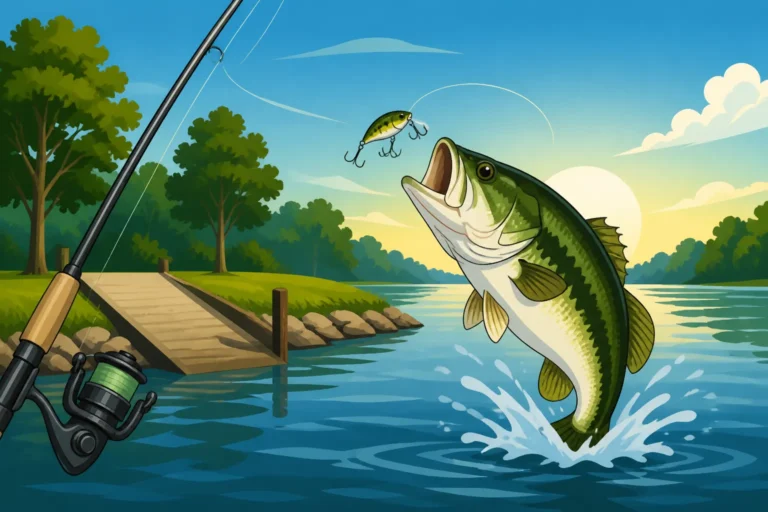
Largemouth Bass: The Pascagoula system, particularly its oxbow lakes and slower-moving backwaters, is a haven for largemouth bass. These aggressive predators love cover, so focus your efforts around cypress trees, fallen logs, lily pads, and submerged vegetation. Topwater lures like poppers and frogs work wonders during low light conditions or over dense grass. Spinnerbaits, chatterbaits, and Texas-rigged plastic worms are excellent choices for working through and around submerged structure. Anglers frequently have success targeting the bass around the many feeder creeks and small bayous in the upper reaches. Understanding Mississippi Black Bass Regulations is crucial to ensure you're compliant with size and creel limits.
Crappie: Both white and black crappie thrive throughout the freshwater portions of the river and its tributaries. Look for them holding tight to brush piles, submerged timber, and bridge pilings in deeper water, especially during the warmer months. In spring, they'll move into shallower areas to spawn. Small jigs tipped with minnows or soft plastics are exceptionally effective. Spider rigging, where multiple rods with baits are fanned out from the boat, is a popular and productive technique for locating crappie. While the Pascagoula isn't a "lake" per se, understanding general Mississippi Crappie Regulations by Lake can give you a good benchmark for what to expect in terms of limits.
Catfish: The Pascagoula is a catfish paradise, home to abundant channel, blue, and flathead catfish. These bottom-dwelling powerhouses can be found throughout the entire freshwater and even slightly brackish sections of the river. Channel cats prefer live or cut bait, and often congregate in deeper holes or along current seams. Blue cats, the largest of the three, are also often found in deeper channels, especially on bends or near submerged cover, and respond well to large chunks of cut bait. Flatheads are solitary ambush predators, typically preferring live bait and hiding in heavy cover like log jams. The Pascagoula River Best Catfish Spots often involve these deeper river channels and holes. Jug fishing and trotlines are popular techniques for targeting catfish in the Pascagoula, but make sure you're familiar with Mississippi Catfish Regulations regarding these methods.
Brackish & Saltwater Gems: Speckled Trout, Redfish, and Flounder
As you move into the lower Pascagoula estuary and toward the Mississippi Sound, the fishing transitions to a saltwater focus, offering thrilling opportunities for some of the Gulf Coast's most beloved species.
Speckled Trout: These aggressive and delicious fish are abundant in the brackish and saltwater marshes of the lower Pascagoula. Look for them around oyster reefs, grass beds, and drop-offs, especially where there's good current flow. They often feed heavily on shrimp and baitfish. Live shrimp under a popping cork is a classic and highly effective method, as are soft plastic lures like "Cocahoes" or "Matrix Shads" rigged on jig heads. Topwater lures can also produce explosive strikes during low light conditions. Pay close attention to the Speckled Trout Size Limit in Mississippi to stay within legal harvest guidelines.
Redfish: Known for their distinctive "bullseye" spot and powerful fight, redfish are another staple of the Pascagoula estuary. They patrol the shallow flats, marsh edges, and around oyster bars, searching for crabs, shrimp, and baitfish. During a rising tide, they'll often push deep into the marsh grass, making sight-fishing an exciting challenge. Gold spoons, weedless soft plastics, and live or cut mullet are all excellent choices. For those seeking a guided experience, many charter captains listed on FishingBooker specialize in targeting redfish in this area. Remember to check the Redfish Slot Limit on the Mississippi Gulf Coast as there are strict rules about what size fish you can keep.
Flounder: These masters of camouflage are ambush predators that lie on the bottom, waiting for an unsuspecting meal to swim by. They are often found on sandy or muddy bottoms near structure like oyster reefs, jetties, or channel edges. Live or cut bait, fished slowly along the bottom, is the most effective way to catch them. Bucktail jigs tipped with shrimp or soft plastics also work well. Gigging for flounder at night is a popular activity in the shallow flats of the Pascagoula, though it requires specific knowledge of the area and regulations. For the combined limits on both redfish and trout, consult the Mississippi Redfish and Speckled Trout Limits to ensure you're fishing responsibly.
Non-Game Challenges: Alligator Gar and Bowfin
Beyond the traditional game fish, the Pascagoula River also harbors some truly ancient and powerful non-game species that offer a unique challenge for adventurous anglers.
Alligator Gar: These prehistoric giants are truly apex predators of the river. Known for their massive size and toothy grins, alligator gar can grow to incredible lengths and weights. They are often found in the slower-moving sections of the river, oxbows, and deeper pools. Targeting them requires heavy tackle, strong lines, and robust hooks. Large cut bait, particularly mullet or carp, fished on the bottom, is the most common method. The fight of an alligator gar is legendary, a true test of strength and patience. Catching one is an unforgettable experience, but be prepared for a difficult and potentially lengthy battle. It's crucial to understand the specific rules for Alligator Gar Fishing in Mississippi before you head out, as these species are closely managed.
Bowfin (Grinnel): Often mistaken for a snakehead or a mudfish, the bowfin is another powerful and aggressive freshwater fish native to the Pascagoula. They are extremely hardy and will strike a variety of baits and lures with ferocity. You'll often find them in sluggish backwaters, oxbows, and areas with dense vegetation. They'll readily hit spinnerbaits, plastic worms, and live bait. While not typically considered a table fish, their powerful fight makes them a thrilling catch for sport anglers. They are a sign of a healthy, biodiverse ecosystem, and the Pascagoula definitely delivers on that front.
Essential Techniques and Baits for Pascagoula Anglers
Fishing the Pascagoula River isn't just about knowing where to go or what to catch; it's also about understanding the techniques and baits that will give you the best chance of success in its dynamic waters. Adapting your approach to the specific conditions and target species is paramount.
Mastering Freshwater Approaches
For the freshwater sections of the Pascagoula, many techniques will feel familiar to experienced river anglers, but the unique structure and flow of this undammed system require a nuanced approach.
When targeting largemouth bass, versatility is your friend. In areas with heavy cover like cypress trees or laydowns, pitching and flipping jigs or Texas-rigged worms into tight spots is highly effective. During periods of lower water or in clearer backwaters, topwater lures in the early morning or late evening can produce explosive strikes. For crappie, the key is often finding structure. Look for brush piles, submerged logs, or deeper channel edges, and present small jigs or minnows vertically or by spider rigging. When the river is high and muddy, focus on areas with slightly calmer water, like the mouths of creeks or small eddies, as fish will often move out of the main current. For catfish, especially blue and channel cats, find deeper holes and bends in the main river channel. Use strong circle hooks with fresh cut bait (mullet, shad, or even chicken liver) fished on the bottom with a heavy weight to combat the current. For flatheads, live bait like bream or small mullet is often preferred.
Inshore Saltwater Strategies
Down in the estuary, the game changes, and your techniques need to adapt to the tidal influences and the behavior of saltwater species.
For speckled trout, a classic popping cork rig with a live shrimp or a soft plastic shrimp imitation is a go-to. The "pop" of the cork attracts attention, mimicking a feeding fish. Work these rigs along marsh edges, over oyster reefs, and in feeder creeks. Alternatively, jigging soft plastics on a light jig head (1/8 to 1/4 oz) can be deadly, especially in deeper pockets or when fish are holding tighter to the bottom. For redfish, versatility is also key. In shallow flats, a weedless gold spoon or a weighted soft plastic lure worked slowly will help prevent snagging on grass or oyster shells. When fish are deeper or in stronger current, live or cut mullet fished on a Carolina rig can be very effective. Flounder, being bottom dwellers, are best caught by slowly dragging live or cut bait (shrimp, minnows, small mullet) on a Carolina rig or a three-way swivel rig along the bottom near structure. Patience is crucial for flounder, as they often take a moment to commit to the bite.
Adapting to River Conditions
The Pascagoula's free-flowing nature means conditions can change rapidly, and successful anglers are those who can adapt on the fly. Heavy rains upstream can cause the river to swell, bringing in muddy water and increased current. In these situations, fish often move out of the main current into calmer eddies, backwaters, or floodplains. They may also hug the bank more closely, where the current is less intense. Lures with strong vibrations or scents become more effective in stained water, as fish rely more on lateral line senses and smell rather than sight.
Conversely, during periods of low water, sandbars and shallow areas become more pronounced, concentrating fish in deeper channels and holes. This can make them easier to locate but potentially harder to fool. Clarity might also increase, necessitating lighter line and more natural bait presentations. Tidal fluctuations in the lower river also demand constant adaptation. Fishing the outgoing tide along marsh edges or over oyster beds is often productive, as bait is washed out. During an incoming tide, pushing deep into the marsh with weedless lures can yield great results. Staying informed about local weather patterns and river levels is just as important as knowing your knots and baits.
Navigating the Pascagoula: Boating and Safety Tips
The wild beauty of the Pascagoula River is part of its charm, but it also means that proper navigation and safety are paramount. This isn't a manicured lake; it's a living, breathing river system that demands respect and preparedness.
Launching and Navigating the Channels
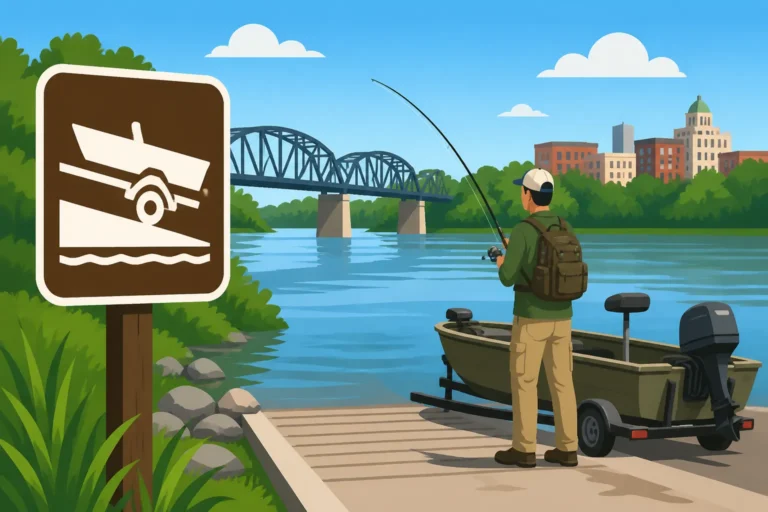
Accessing the Pascagoula River system is possible through numerous public and private boat ramps scattered along its length and tributaries. In the upper freshwater sections, these ramps might be simpler, often just concrete slabs, while closer to the coast, you'll find more developed marinas with amenities. Always check ramp conditions before heading out, especially after heavy rains or during periods of low water, as some ramps might become difficult to use.
Once on the water, navigation requires constant attention. The main channels of the Pascagoula can be deep, but numerous sandbars, submerged timber, and shallow flats can appear suddenly, especially in areas where tributaries merge or on the inside bends of the river. Pay close attention to channel markers if they are present, but also rely on your depth finder and GPS. Many experienced local anglers prefer to use maps that highlight historical river channels and known hazards. If you're exploring unfamiliar backwaters or oxbows, proceed slowly and cautiously, as these areas can be riddled with submerged stumps and shallow spots. Familiarizing yourself with Mississippi Boat Fishing Regulations is also crucial for safe and legal operation.
Essential Safety Gear and Practices
Safety should always be your top priority on the Pascagoula. Because of its wild nature, you can quickly find yourself far from immediate help. Always inform someone of your float plan – where you're going, when you expect to return, and who is with you.
Essential safety gear includes a properly fitting life jacket for everyone on board (required for children under 13), a fully charged cell phone (though service can be spotty in some remote areas), a first-aid kit, a whistle or air horn, a fire extinguisher, and extra drinking water. It's also wise to carry a spare prop, tools, and a basic repair kit, as shallow encounters are not uncommon. Given the dense wilderness, insect repellent is a must, especially during warmer months. During the summer, staying hydrated is crucial due to the intense heat and humidity. If you find yourself in an unfamiliar area or if conditions worsen, it's always better to err on the side of caution and turn back rather than risk getting stranded.
Understanding Local Regulations
Fishing in Mississippi comes with a set of rules and regulations designed to protect the state's natural resources, and the Pascagoula River is no exception. Before you even cast a line, ensure you have the appropriate licenses. A Mississippi Fishing License Guide is your first stop, covering what you need for both freshwater and saltwater. Since the Pascagoula transitions from fresh to saltwater, you'll likely need both or a combination license if you plan to fish its entire length. There are also specific exemptions, so check the Mississippi Fishing License Exemptions if you think you might qualify.
Beyond licensing, you need to be aware of creel limits, size limits, and season dates for the species you target. These can vary not only by species but sometimes by specific bodies of water. For instance, Mississippi Freshwater Fishing Rules might differ slightly from the general statewide guidelines for certain fish. Always consult the latest Mississippi Department of Wildlife, Fisheries, and Parks (MDWFP) regulations before each trip. Ignorance of the law is not an excuse, and violating regulations can lead to fines and penalties.
Planning Your Pascagoula Fishing Trip
A successful trip to the Pascagoula River involves more than just knowing how to fish; it requires careful planning, especially given the river's unique characteristics. From choosing the right time of year to deciding whether to go with a guide, a little forethought goes a long way.
When to Visit: Seasonal Considerations
The Pascagoula River offers fantastic fishing opportunities year-round, but the best time to visit often depends on what species you're hoping to target.
- Spring (March-May): This is arguably one of the best times for a mixed bag. As water temperatures rise, freshwater species like bass and crappie become very active during their spawning periods. Catfish are also highly active. In the lower estuary, speckled trout and redfish are moving out of their winter haunts and becoming more aggressive. The weather is generally pleasant, making for comfortable fishing days.
- Summer (June-August): While the heat can be intense, summer offers excellent fishing, especially in the early mornings, late evenings, or at night. Catfish bite well throughout the summer. Bass can be found in deeper, cooler waters or around heavy cover. The saltwater bite for speckled trout, redfish, and even flounder remains strong, particularly in the productive marshes of the lower river.
- Fall (September-November): Many consider fall to be another prime season. As temperatures cool, both freshwater and saltwater species enter a feeding frenzy, often referred to as the "fall bite." Bass become highly active, chasing baitfish. Speckled trout and redfish gorge themselves in preparation for winter, making for some aggressive strikes. It's an excellent time for quantity and quality.
- Winter (December-February): Don't count out winter! While some species slow down, others become more concentrated. Crappie can be found schooling in deep holes. Catfish remain a viable target. In the lower estuary, speckled trout often move into deeper channels and bayous, where they can be concentrated and offer some incredible fishing on warmer winter days.
Hiring a Local Guide or Charter
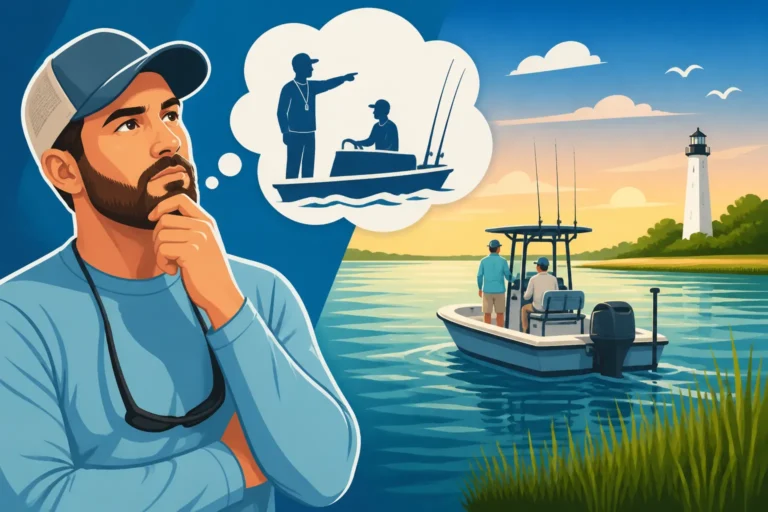
For many, navigating the vast and intricate Pascagoula River system can be daunting, especially on a first visit. This is where a local fishing guide or charter captain becomes an invaluable asset. A professional guide possesses intimate knowledge of the river's ever-changing conditions, secret spots, and the specific patterns of the fish. They can save you countless hours of searching and ensure you maximize your time on the water.
Local guides will provide all the necessary gear, bait, and often even clean your catch. They're also a wealth of information on local regulations and safety. If you're interested in booking a guide, platforms like FishingBooker are excellent resources. You can browse various captains who specialize in different parts of the Pascagoula, whether it's freshwater bass and crappie trips or inshore saltwater adventures for redfish and trout. They often have detailed profiles, reviews from past clients, and availability information, making it easy to find the perfect fit for your trip. For a comprehensive overview, checking a Mississippi fishing charters guide can also provide additional options and insights.
Accommodations and Amenities
While the Pascagoula River itself is wild, the surrounding areas offer a range of accommodations and amenities to make your fishing trip comfortable. Along the Mississippi Gulf Coast, towns like Pascagoula, Gautier, Moss Point, and Ocean Springs provide hotels, motels, vacation rentals, and a variety of dining options. These towns also have bait and tackle shops where you can stock up on supplies, get local advice, and purchase your Mississippi Fishing License Guide.
Further inland, near the freshwater sections, options might be more limited to smaller towns or state park campgrounds, offering a more rustic experience. Many boat ramps and public access points provide parking, but not all have restrooms or other facilities, so plan accordingly. If you're staying closer to the coast, you'll also find amenities like fish cleaning stations at many marinas, making it easy to prepare your fresh catch. Whether you prefer a comfortable hotel with easy access to restaurants or a quiet campground near a secluded river bend, the Pascagoula region has options to suit your style.
Disclaimer
Please note that fishing regulations, conditions, and access points can change. Always consult the latest Mississippi Department of Wildlife, Fisheries, and Parks (MDWFP) regulations and local authorities before your trip. Safety should be your priority at all times on the water.