Enid Lake Fishing Guide
Trying to figure out where to cast your line in Mississippi can feel like a puzzle, especially when you hear whispers about incredible fishing but aren't sure where to start. Many anglers, myself included, have been drawn to the reputation of North Mississippi's flood control reservoirs, only to feel a little overwhelmed by their sheer size and how to approach them effectively. This comprehensive guide is designed to cut through that confusion, giving you all the insider knowledge on how to successfully fish Enid Lake, one of the state's true angling gems, from finding the hot spots to understanding the local regulations.
Discovering Enid Lake: A North Mississippi Treasure
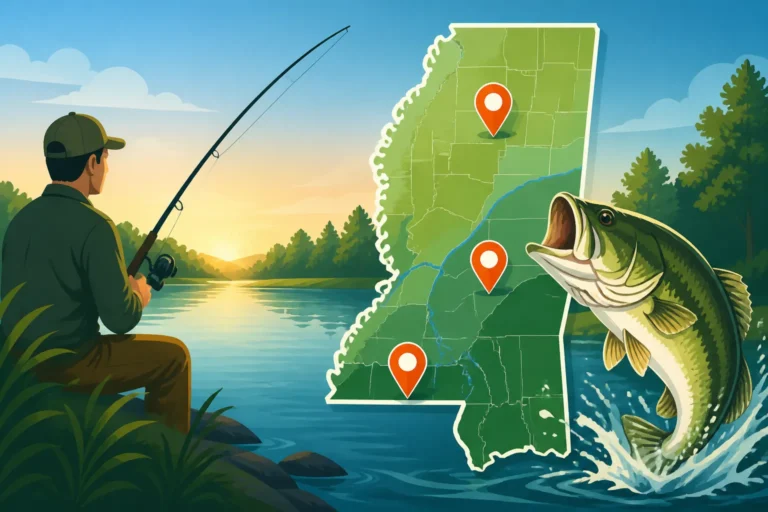
Enid Lake, nestled in the rolling hills of North Mississippi, is often spoken of in the same breath as its sister reservoirs like Sardis and Grenada, and for good reason. These flood control lakes, managed by the U.S. Army Corps of Engineers, are not only vital for flood protection but also serve as incredible recreational hubs, particularly for fishing. Enid Lake itself is a sprawling body of water, covering approximately 16,000 acres at pool stage, which expands significantly during flood events. This dynamic nature means the lake is constantly changing, offering a diverse array of habitats for various fish species. It’s a place where the landscape transitions from deep, timber-laden channels to expansive, shallow flats, making it a truly versatile fishery.
Understanding Enid Lake's Unique Characteristics
What sets Enid Lake apart is its topography and its fluctuating water levels. The lake's main body follows the winding path of the Yocona River, creating distinct creek channels that serve as highways for fish. These channels are often lined with standing timber, submerged brush, and old roadbeds, all of which provide crucial cover and structure. The constant rise and fall of water, while sometimes challenging, also replenishes nutrients and creates new feeding opportunities, especially in the shallower bays and flats where vegetation can flourish. Anglers visiting Enid often find themselves navigating a blend of open water and dense cover, which demands adaptability in their fishing approach. The lake's diverse structure supports a healthy ecosystem, leading to robust populations of popular game fish.
Why Enid Lake is a Prime Fishing Destination
Enid Lake has earned its reputation as a premier fishing destination, particularly for crappie, a species for which it holds national acclaim. Beyond its famous crappie, the lake boasts excellent populations of largemouth bass, various catfish species, and panfish like bluegill and redear sunfish. The sheer size of the lake, combined with its varying depths and abundant cover, means there’s always a new corner to explore or a different technique to try. Whether you're a seasoned tournament angler or a family looking for a relaxing day on the water, Enid offers opportunities. The public access is fantastic, with numerous boat ramps, camping facilities, and picnic areas managed by the Corps of Engineers, making it easy for anyone to enjoy this Mississippi natural wonder. It’s a fantastic place to spend a weekend, whether you’re chasing a trophy or just putting some fillets in the cooler.
Key Fish Species Thriving in Enid Lake
Enid Lake is a biological hotspot, home to a vibrant community of fish species, each offering a unique challenge and reward to anglers. While some lakes might specialize in one or two species, Enid truly provides a smorgasbord, appealing to a wide range of fishing preferences. Understanding the dominant species, their habits, and what makes them tick is the first step to a successful outing on this impressive body of water.
Enid Lake's Legendary Crappie Fishing
When you talk about Enid Lake, the conversation invariably turns to crappie. It's not just good; it's legendary. Enid Lake is renowned nationally for its abundant crappie population and the size of its fish, with anglers routinely pulling in slabs that make for fantastic photo opportunities and even better meals. Both white and black crappie thrive here, benefiting from the lake's rich food sources and extensive submerged timber. The lake's fluctuating water levels play a significant role in crappie behavior; during high water, they move into the flooded timber and shallow cover to spawn and feed, while lower levels concentrate them in creek channels and around deeper structure. Understanding the seasonal patterns of crappie on Enid is paramount for consistent success, whether you're shallow-water jigging in spring or probing deep brush piles in winter. For more specific details on what you can legally keep, make sure to consult our guide on the "Enid Lake Crappie Daily Limit".
Chasing Largemouth Bass in Enid's Waters
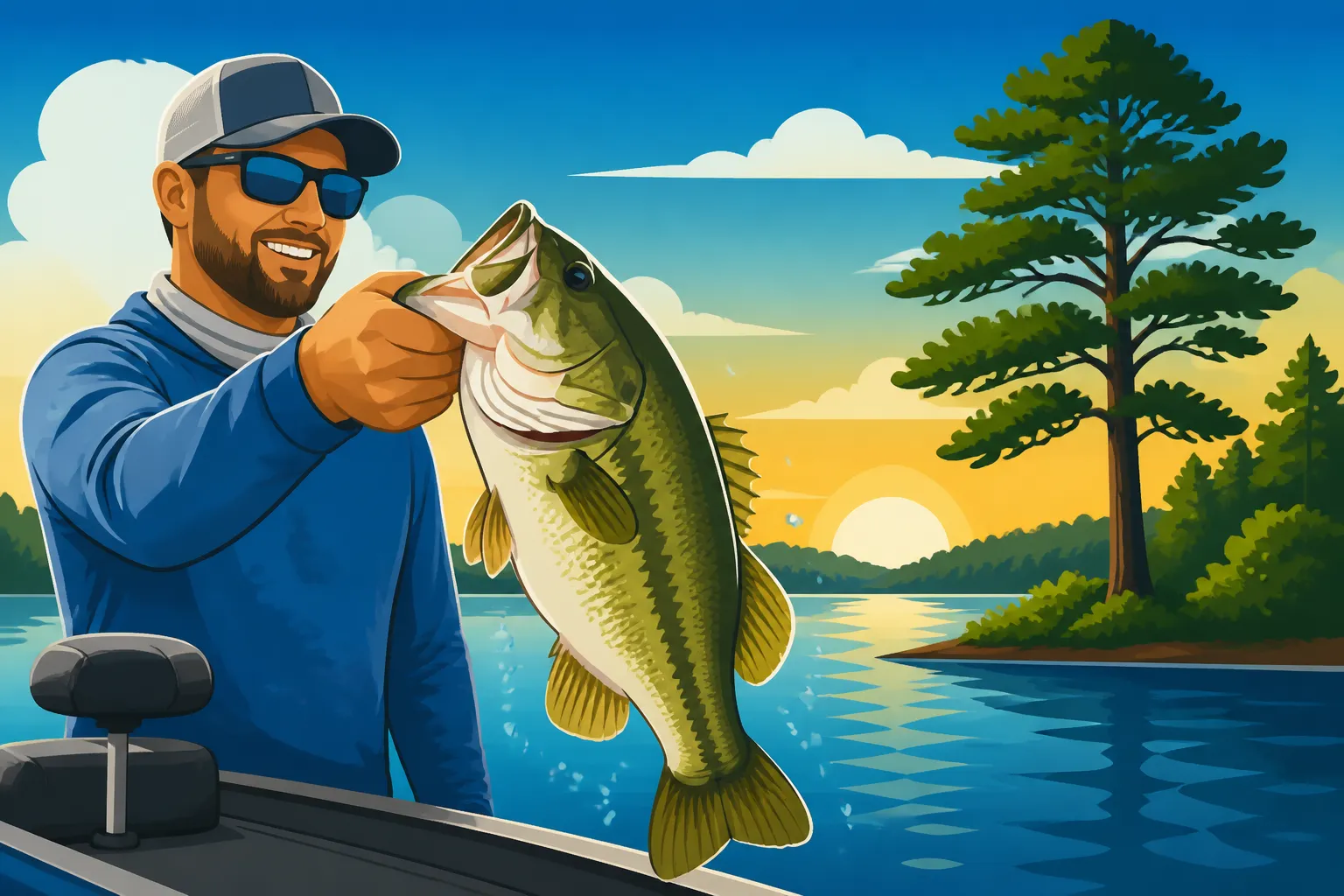
While crappie often steal the spotlight, Enid Lake offers fantastic opportunities for largemouth bass anglers. The lake’s diverse habitat, featuring flooded timber, creek channel edges, main lake points, and shallow grass beds, provides ideal conditions for healthy bass populations. Anglers frequently report catching bass in the 2-5 pound range, with larger trophy fish always a possibility. The bass here are often associated with the same cover that attracts crappie, especially standing timber and brush. During the spring spawn, bass move into the shallower bays and coves, offering exciting sight-fishing opportunities. As summer heats up, they retreat to deeper, cooler waters, often found along the river channel ledges or suspended in timber. Learning to read the lake's structure and adapt your presentation to conditions is key to consistent bass success. If you're looking to dive deeper into techniques, check out our "Largemouth Bass Fishing in Mississippi" guide.
Catfish and Panfish Opportunities
Beyond the famous crappie and bass, Enid Lake is a strong fishery for various catfish species, including channel, blue, and flathead catfish. These bottom-dwelling giants are abundant and can be caught year-round, offering a different kind of angling thrill. The deeper creek channels, especially where there's current or access to deeper holes, are prime catfish territory. Jug lining, trotlining, and bank fishing with natural baits are popular and highly effective methods. For a comprehensive overview of how to target these whiskered warriors, our "Catfish Fishing Techniques" article is a great resource. Additionally, panfish like bluegill and redear sunfish are plentiful, providing excellent action for younger anglers or anyone looking for consistent bites. These feisty fish can be found around almost any shallow cover, from docks to submerged brush, and readily strike small jigs, worms, or crickets. Enid Lake truly has something for every angler, no matter their preference or experience level.
Best Fishing Spots on Enid Lake
Navigating a lake the size of Enid can be daunting, even for experienced anglers. Knowing where to start and what to look for can drastically improve your chances of success. Enid Lake has several key areas and types of structure that consistently hold fish, from the shallow, fertile backwaters to the deep, defined creek channels. Targeting these high-percentage areas, and understanding why fish congregate there, is the secret to unlocking Enid’s full potential.
Crappie Hotspots: Timber, Channels, and Brush Piles
Enid Lake's crappie fishing is legendary, and much of that legend is built on its incredible structural diversity. One of the absolute best places to find crappie is within the vast expanses of standing timber, particularly in the upper reaches of the lake and along the old river and creek channels. These submerged forests provide both cover from predators and ambush points for baitfish. Anglers often spider-rig with multiple poles, slowly trolling jigs or live minnows through the timber lines, or vertically jigging next to individual trees or stumps.
Another prime location is the main river and creek channels themselves, especially where they intersect with submerged humps, ledges, or old roadbeds. These areas act as highways for crappie, particularly during colder months when they seek deeper, more stable water. Local anglers often create brush piles – submerged bundles of timber or Christmas trees – in these deeper channels to concentrate fish. Using a good fish finder to locate these hidden gems is crucial. Once found, slow-trolling or tight-lining over these brush piles with minnows or jigs can be incredibly effective. The bays and coves, especially those with deeper access, become very active during the spring spawn, as crappie move shallow to lay their eggs, seeking cover around fallen trees, stumps, and early-season vegetation. The key is to pay attention to water temperature and depth to pinpoint exactly where they are in their seasonal cycle.
Bass Structure: Points, Ledges, and Flooded Cover
For largemouth bass, Enid Lake offers a variety of compelling structures. Main lake points and channel swings are perennial favorites, providing bass with quick access to both shallow feeding grounds and deeper, cooler water. These spots are excellent for throwing crankbaits, spinnerbaits, or dragging soft plastics. As the lake rises, the flooded timber and shoreline vegetation become bass magnets. Casting jigs, Texas-rigged worms, or even topwater lures around these newly submerged areas can produce aggressive strikes. The edges of the old river and creek channels are also crucial, acting as migratory routes and holding areas. Bass often suspend along these ledges, especially when baitfish are schooling nearby. During the summer, looking for deeper grass beds or submerged timber in the main lake or larger creek arms is a good strategy. Many anglers use techniques like Carolina rigs or deep-diving crankbaits to probe these deeper structures. In cooler months, bass often hold tight to channel bends and deep wood, requiring a slower, more deliberate approach with jigs or slow-rolled spinnerbaits.
Bank Access and Family-Friendly Spots
Not everyone has a boat, and thankfully, Enid Lake offers numerous opportunities for bank anglers and families looking for a relaxed day of fishing. Several well-maintained recreation areas and campgrounds, such as Wallace Creek, Longtown, and George P. Cossar State Park, provide easy access to the shoreline. These areas often feature fishing piers, designated bank fishing spots, and clearings where you can cast a line without navigating dense brush.
One excellent example is the Enid Lake Tailwater Fishing area below the dam. Here, you'll find accessible areas where the spillway discharges, often concentrating various species like catfish, bass, and even some panfish due to the flowing water and abundance of baitfish. This can be a fantastic spot for a quick trip, especially for those targeting catfish with cut bait or worms. For younger anglers, any quiet cove or section of shoreline with a gentle slope and some submerged structure (like a few fallen branches) can be a goldmine for bluegill and other small panfish, providing consistent action and building enthusiasm for fishing. Always remember to check local signs regarding access and regulations within these recreation areas to ensure a pleasant and legal outing. You can also look for fishing guides who operate on the lake, many of whom are listed on platforms like FishingBooker, offering guided bank or boat trips perfect for families or beginners.
Optimal Fishing Techniques for Enid Lake
Fishing Enid Lake successfully means understanding its nuances and adapting your techniques to the specific conditions and target species. It's a dynamic body of water, and what works one day might not the next. However, by mastering a few core techniques, you can significantly increase your chances of a memorable catch.
Mastering Crappie Techniques: Jigging, Trolling, and Spider Rigging
Crappie fishing on Enid Lake is an art form, with several highly effective techniques depending on the season and fish behavior.
Vertical Jigging: This is a go-to method for crappie holding tight to vertical structure like standing timber or brush piles. Using light spinning gear, drop a small jig (1/16 to 1/8 ounce) tipped with a soft plastic or a live minnow directly down to the fish. A good fish finder is invaluable here to pinpoint brush piles and individual fish. The key is to gently lift and drop the jig, keeping it in the strike zone, which is often right at or slightly above the fish. This method is particularly effective in winter when crappie are tightly schooled and less willing to chase.
Trolling with Jigs or Minnows: When crappie are more scattered, or you want to cover a lot of water, trolling is the answer. Many Enid Lake anglers employ spider rigging, using multiple long poles (often 10-16 feet) fanned out from the boat. This allows you to present several baits at different depths and distances simultaneously. Slow-trolling at speeds between 0.5 to 1.5 mph with jigs or minnow rigs (like a double minnow rig) along creek channels, contour lines, or through standing timber is a deadly technique. Pay close attention to your electronics to identify schools of crappie or baitfish, and adjust your depth and speed accordingly. This can be an incredibly productive way to find active fish, especially during the spring and fall transitions. For more detailed insights into this approach, our "Trolling for Crappie on Mississippi Reservoirs" guide offers valuable tips.
Effective Bass Strategies: Plastics, Crankbaits, and Topwaters
Enid Lake bass are aggressive and will hit a wide array of lures, but certain presentations consistently produce results.
Soft Plastics: These are fundamental for bass on Enid, especially when they're holding tight to cover. Texas-rigged worms, creature baits, and jigs are excellent for probing flooded timber, brush piles, and weed lines. The key is to present them slowly and methodically, allowing the bait to penetrate cover and entice strikes from hidden bass. Carolina rigs can also be very effective for targeting deeper structure like ledges and points, allowing you to present a bait subtly above the bottom.
Crankbaits and Spinnerbaits: These lures are fantastic for covering water and triggering reaction strikes. Square bill crankbaits excel when bass are shallow, bumping off stumps and laydowns. Deep-diving crankbaits are perfect for working those creek channel ledges and main lake points, especially in warmer months. Spinnerbaits are incredibly versatile, effective in stained water, around timber, and even burned over grass beds. Experiment with different colors and retrieve speeds to match the conditions. Our "Best Lures for Largemouth Bass" article provides more suggestions.
Topwater Lures: When conditions are right – typically early morning, late evening, or on overcast days – topwater fishing for bass on Enid can be explosive. Poppers, walk-the-dog baits (like Heddon Super Spook), and prop baits are excellent choices. Cast them around shallow cover, points, or over submerged grass, working them with pauses and twitches to mimic a struggling baitfish. The visual strike of a bass exploding on a topwater is one of fishing's greatest thrills.
Catfishing and Panfishing Made Easy
Enid Lake is also a fantastic destination for more relaxed fishing for catfish and panfish, perfect for families or those just looking for consistent action.
Catfish Techniques: For channel and blue catfish, simplicity often reigns. Bottom fishing with natural baits is highly effective. Cut bait (shad, skipjack herring), chicken livers, nightcrawlers, and shrimp are all excellent choices. Target deeper holes in creek channels, around the spillway, or any area with a gradual slope leading to deeper water. A simple Carolina rig or a three-way swivel rig works well. For flatheads, live bait like bream or shad fished near heavy cover in deeper water is usually the ticket. Many anglers also enjoy jug fishing or trotlining, particularly in the larger bays or main lake areas, using a variety of baits set overnight. These passive methods can yield impressive results, especially for larger catfish. Our "Catfish Fishing in Mississippi" guide has more details on these techniques.
Panfish Prowess: Bluegill, redear sunfish, and other panfish are abundant in Enid. They are often found in shallow, calmer waters around any type of cover – docks, lily pads, submerged brush, or fallen trees. Crickets, worms, and small beetle spins or jigs are irresistible to them. A small bobber rig, fished near cover, is incredibly effective and easy for anglers of all ages. Fly fishing with small poppers or wet flies can also provide exciting action for these feisty fish. These species offer consistent bites and are perfect for introducing children to the joy of fishing, as they don't require specialized gear or complex techniques.
When to Fish Enid Lake for Peak Action
Timing is everything in fishing, and Enid Lake is no exception. Understanding the seasonal patterns and even the daily nuances can dramatically impact your success. Each season offers unique opportunities and challenges, influencing where the fish are, what they’re eating, and how best to catch them.
Seasonal Breakdown: Spring, Summer, Fall, and Winter
Spring (March – May): The Crappie and Bass Explosion
Spring is arguably the most popular time to fish Enid Lake, primarily due to the crappie spawn and the aggressive feeding patterns of bass. As water temperatures rise, crappie move from deeper wintering holes into the shallower bays, coves, and flooded timber to lay their eggs. This is when vertical jigging in the timber, casting small jigs and minnows near cover, and spider rigging in 5-15 feet of water become incredibly productive. Bass also move shallow for their spawn, making them accessible to anglers throwing spinnerbaits, jigs, and soft plastics around newly flooded vegetation and points. This period offers some of the fastest and most exciting action of the year. For more specific dates and patterns, our "Mississippi Spring Fishing Guide" is an excellent resource.
Summer (June – August): Deeper Water and Early Mornings
As Mississippi's summer heat sets in, fish in Enid Lake tend to move deeper, seeking cooler, more oxygenated water. Crappie will often suspend in creek channels or congregate around deep brush piles and standing timber. Trolling deep-diving crankbaits or slow-trolling minnows and jigs over these deeper structures is effective. Bass will also move off the shallow banks, preferring main lake points, channel ledges, and deeper submerged cover. Early mornings and late evenings offer the best topwater and shallow-water action before the sun gets high. During midday, deep-diving crankbaits, Carolina rigs, and heavy jigs are the tools of choice. Catfish, however, remain active throughout the summer, often feeding heavily in the deeper holes of the river channel.
Fall (September – November): The Shad Run and Feeding Frenzies
Fall is a transitional period, often characterized by cooler temperatures and the shad run, where baitfish school up and move into shallower water. This triggers aggressive feeding frenzies among both crappie and bass. Crappie will often move to shallower main lake points and creek channel bends, feasting on the abundant bait. Trolling and casting jigs or small crankbaits are effective. Bass will chase shad in open water and around points, making spinnerbaits, crankbaits, and even topwater lures (especially during cloudy conditions) highly productive. Fall offers some of the most consistent and exciting fishing as fish fatten up for winter.
Winter (December – February): Cold Water, Concentrated Fish
Winter fishing on Enid Lake can be challenging due to cold temperatures but also incredibly rewarding. Fish tend to congregate in predictable, deeper areas, making them easier to locate once found. Crappie will school tightly in deep creek channels, often near major channel bends or prominent brush piles. Vertical jigging with minnows or tiny jigs, presented slowly, is the most effective method. Bass will also hold to deep structure, often found on ledges or suspended in standing timber within the river channel. A slow, methodical approach with jigs, blade baits, or suspending jerkbaits can entice strikes. Catfish remain active in deeper water and can be caught with cut bait or worms. While colder, winter fishing can yield some of the biggest fish of the year for those patient enough.
Daily Considerations: Time of Day and Weather Impact
Beyond the seasons, the time of day and prevailing weather conditions play a significant role in fishing success on Enid Lake.
Time of Day: Generally, early morning and late evening are peak feeding times for most game fish, especially bass and crappie. The lower light levels and cooler temperatures make fish more active and willing to move into shallower water to feed. This is when topwater lures, shallow-running crankbaits, and spinnerbaits shine for bass, and crappie can often be found suspended higher in the water column or closer to cover. Midday, especially during summer, typically sees fish retreat to deeper, cooler water, requiring different tactics. Catfish, however, can be active throughout the day, and even more so at night.
Weather Impacts:
- Fronts: Fishing before a cold front moves in can be excellent, as fish tend to feed aggressively in anticipation of the change. After a front, fishing often slows dramatically as fish become lethargic and less willing to bite.
- Wind: A light to moderate chop on the water can be beneficial, breaking up the surface and making fish less wary. It also creates current and concentrates baitfish. However, strong winds can make boat control and casting extremely difficult.
- Rain: Light rain can sometimes improve fishing by washing nutrients into the water and lowering light levels. Heavy rains can muddy the water, disperse fish, and make fishing tough, especially in the shallower areas. It's often best to target areas where water is clearer after heavy rain.
- Cloud Cover: Overcast days often prolong prime feeding periods, as the reduced sunlight allows fish to remain active in shallower water for longer. This is particularly good for topwater and shallow-water presentations.
Understanding these daily variables, combined with seasonal knowledge, will empower you to make more informed decisions and increase your catch rate on Enid Lake. For a broader perspective on the best times to cast a line, take a look at our "Best Time of Year to Fish in Mississippi" guide.
Boating and Access on Enid Lake
Enid Lake is a large, public reservoir, and thankfully, the U.S. Army Corps of Engineers has provided excellent infrastructure for boaters and bank anglers alike. However, due to its flood control purpose, water levels can fluctuate significantly, which sometimes impacts access. Knowing where to launch, what facilities are available, and general boating etiquette will ensure a smooth and enjoyable trip.
Public Boat Ramps and Marinas
Enid Lake offers several well-maintained public boat ramps scattered around its perimeter, providing convenient access to various parts of the lake. These ramps are typically concrete and can accommodate a wide range of watercraft, from small jon boats to larger bass boats and pontoon boats. Some of the most popular ramps include:
- Wallace Creek: Located on the north side, it provides access to excellent crappie and bass habitat. It's known for its good facilities.
- Longtown: Also on the north side, it’s another popular choice with good amenities.
- George P. Cossar State Park: This park not only offers lodging and camping but also has a public boat ramp, making it a convenient base for a fishing trip.
- Plum Point: Situated on the south side, it offers access to different sections of the lake.
Each ramp usually has ample parking, and some include courtesy docks for easy loading and unloading. While full-service marinas with gas pumps and tackle shops are less common directly on Enid Lake compared to some larger commercialized lakes, many smaller bait and tackle shops can be found in nearby towns like Enid, Oakland, and Water Valley. Always check the current water levels, especially if planning a trip after a prolonged dry spell or heavy rains, as extreme high or low water can temporarily affect ramp usability. You can find detailed information, including locations and current conditions, on the Corps of Engineers website or by searching for "Enid Lake Boat Ramp Locations".
Navigation and Boating Safety Tips
Navigating Enid Lake, especially during periods of fluctuating water levels, requires diligence and attention to safety. The lake is filled with standing timber, particularly in its upper reaches and along creek channels. While these offer fantastic fish habitat, they can be hazardous to boaters.
- Know Your Channels: Stick to marked navigation channels, especially if you're unfamiliar with the lake. Use a good GPS unit with detailed mapping to help you stay in safe water.
- Watch for Timber: Be extremely cautious when running in areas with standing timber, even if you see an open lane. Submerged stumps and logs can be lurking just beneath the surface, especially at lower water levels. Trim up your motor when running in unfamiliar shallow areas.
- Life Jackets: Ensure everyone on board has a properly fitting U.S. Coast Guard-approved life jacket. Children under 13 must wear one at all times while the vessel is underway. Our article on "Mississippi Life Jacket Rules for Anglers" provides a full breakdown of the requirements.
- Weather Awareness: Mississippi weather can change rapidly. Always check the forecast before heading out and be prepared for sudden thunderstorms or strong winds. Have a plan for seeking shelter if conditions deteriorate.
- Night Boating: If you plan to fish at night, ensure your boat’s navigation lights are functioning correctly and always proceed with extreme caution, as submerged hazards are even harder to spot in the dark.
Kayak and Canoe Access
Enid Lake is also a fantastic destination for kayak and canoe anglers. The ability to silently paddle into secluded coves, shallow backwaters, and tight timber stands gives paddlers an advantage, particularly for bass and crappie that might be spooked by larger boats. While formal kayak launches are less common than traditional boat ramps, many of the public boat ramps offer easy access for launching kayaks and canoes.
- Small Craft-Friendly Areas: Look for the shallower, more protected coves and arms of the lake, especially in the upper reaches where the main channels narrow. These areas are often less exposed to wind and boat traffic.
- Safety First: Even in a kayak or canoe, carry all required safety gear, including a whistle, a PFD (which should always be worn), and navigation lights if paddling near dawn, dusk, or at night. Inform someone of your float plan – where you're going and when you expect to return.
- Fishing from a Kayak: Kayaks provide excellent platforms for vertical jigging, casting soft plastics into tight cover, and even fly fishing for panfish. Their stealth allows you to get much closer to fish without spooking them. Many experienced guides on platforms like FishingBooker now offer guided kayak fishing trips, perfect for getting introduced to the lake from a different perspective.
Regulations and Licenses for Enid Lake Fishing
Before you even think about casting a line in Enid Lake, understanding and complying with Mississippi's fishing regulations is crucial. The Mississippi Department of Wildlife, Fisheries, and Parks (MDWFP) sets these rules to ensure sustainable fishing for future generations. Ignoring them can lead to hefty fines and a ruined day on the water.
Essential Mississippi Fishing Licenses
Unless you fall under specific exemptions, every angler aged 16 through 64 needs a valid Mississippi fishing license to fish in Enid Lake's public waters. There are various options available depending on your residency and how long you plan to fish:
- Resident vs. Non-Resident: Mississippi residents typically pay less for licenses than non-residents. Make sure you meet the state's residency requirements before purchasing a resident license.
- Annual Licenses: These are the most common choice for regular anglers and are valid for a full year from the date of purchase.
- Short-Term Licenses: For visitors or those planning a single trip, options like 1-day or 3-day non-resident licenses are available, offering flexibility without committing to an annual pass.
- Combination Licenses: If you also enjoy hunting, a Sportsman's License or a combination hunting and fishing license might be a cost-effective option.
- Senior and Youth Exemptions: Residents aged 65 and older can often obtain a free or reduced-cost senior exempt license, and youth under 16 generally do not require a license. However, always verify the current regulations for age requirements.
It's vital to remember that Enid Lake is a freshwater body, so a standard freshwater fishing license is what you'll need. You can purchase licenses online through the MDWFP website, at various sporting goods stores like Bass Pro Shops or even Walmart locations throughout the state, and from authorized license agents. Always carry your license with you while fishing, either physically or digitally on your phone, as wardens frequently patrol the lake. For a complete breakdown of requirements and options, our "Mississippi Fishing License Guide" is an indispensable resource.
Enid Lake Specific Creel and Size Limits
Beyond the general license, specific regulations govern the types and quantities of fish you can keep from Enid Lake. These limits are subject to change, so always check the latest MDWFP regulations before your trip. For Enid Lake, key regulations often include:
- Crappie: Enid Lake is renowned for its crappie, and usually has a generous daily creel limit (e.g., 30-40 fish per person). There may also be a minimum size limit (e.g., 10 or 11 inches) to help protect smaller fish and promote growth. However, these numbers can vary, so always confirm. Our "Enid Lake Crappie Daily Limit" article provides the most current specifics for this popular fishery.
- Black Bass (Largemouth, Spotted, Smallmouth): A statewide daily limit (e.g., 10 fish in aggregate) is typically in place, with a minimum size limit (e.g., 12 inches). Some lakes might have slot limits, where fish within a certain size range must be released, but Enid usually follows standard statewide rules. You can find more comprehensive details in our "Mississippi Black Bass Regulations" guide.
- Catfish (Channel, Blue, Flathead): Catfish often have generous daily limits, though flatheads may have stricter limits. There are typically no size limits for catfish, but this can vary. For a detailed look at statewide rules, refer to "Mississippi Catfish Regulations."
- Panfish (Bream, Bluegill, Redear Sunfish): These often have very liberal daily limits, sometimes up to 50 or more in aggregate, and generally no size limits. They are considered excellent table fare and perfect for family outings.
These limits are in place to ensure healthy fish populations for everyone to enjoy. Exceeding creel limits, keeping undersized fish, or fishing during closed seasons (though rare for most species in Enid) can result in significant penalties. It's not just about avoiding a fine; it's about being a responsible angler and contributing to the conservation efforts that make Enid Lake such a fantastic place to fish. Familiarize yourself with the "Mississippi Fishing Regulations Explained" to be fully prepared.
General Mississippi Freshwater Fishing Rules
Beyond licenses and species-specific limits, a few other statewide regulations apply to fishing in Enid Lake:
- Number of Poles: There are typically limits on how many fishing poles or lines an individual can actively use at one time. In Mississippi, it's generally three poles per person, but certain methods like jug fishing or trotlining have their own specific rules regarding the number of devices.
- Prohibited Methods: Certain fishing methods, such as dynamiting, poisoning, or shocking fish, are strictly prohibited. Always ensure your chosen fishing method is legal.
- Bait Restrictions: While common baits like minnows, worms, and crickets are usually fine, there might be regulations on using game fish as bait or transporting certain invasive species.
- Boat Registration: If you're using a motorized boat, it must be properly registered with the state of Mississippi.
- Courtesy and Conservation: Beyond the written rules, remember to practice good conservation ethics. "Catch and release" is encouraged for trophy-sized fish, especially bass, to help grow the lake's lunker population. Always dispose of trash properly, respect private property boundaries, and be courteous to other anglers and boaters.
By understanding and adhering to these regulations, you're not just staying out of trouble; you're playing an active role in preserving the fantastic fishing opportunities that Enid Lake offers.
Tips for a Successful Enid Lake Fishing Trip
A successful fishing trip to Enid Lake involves more than just knowing where the fish are; it’s about preparedness, understanding the environment, and employing smart strategies. From gearing up to adapting your approach, these tips will help you maximize your time on the water and bring home some great memories, and hopefully, some fish.
Gear Up: Essential Tackle and Equipment
Having the right gear for Enid Lake's diverse fishing opportunities can make all the difference.
- Rods and Reels: For crappie, light to ultralight spinning combos with 4-6 lb test monofilament or fluorocarbon line are ideal for jigging and small minnow rigs. Many crappie specialists also use longer (10-16 ft) jigging poles for spider rigging. For bass, medium to medium-heavy spinning or baitcasting setups with 10-20 lb test line will cover most situations, from throwing plastics to heavier crankbaits. Our "Choosing the Right Rod and Reel for Mississippi Fishing" guide can help you pick the perfect setup. For catfish, heavier action rods with 20-50 lb test line are necessary for handling larger fish and heavy sinkers.
- Lures and Baits:
- Crappie: Stock up on various sizes and colors of soft plastic crappie jigs (e.g., Bobby Garland, Arkie Jigs), especially in chartreuse, white, black/chartreuse, and natural shad patterns. Live minnows are also highly effective, so a good minnow bucket or livewell is key.
- Bass: Bring a selection of soft plastics (worms, creature baits, jigs), crankbaits (square bills, deep divers), spinnerbaits, and topwater lures. Common colors include green pumpkin, black and blue, shad, and crawfish patterns.
- Catfish: Cut bait (shad, skipjack), chicken livers, nightcrawlers, and stink baits are all excellent choices.
- Electronics: A good quality fish finder/depth finder is invaluable on Enid Lake. It will help you locate creek channels, submerged timber, brush piles, and schools of fish and bait. Side imaging and down imaging technologies are particularly useful for dissecting underwater structure.
- Safety Gear: Don't forget your PFDs, a first-aid kit, whistle, anchor, paddle, and a fully charged cell phone. If you're boating, having navigation lights and a fire extinguisher is legally required.
Navigating the Elements and Staying Comfortable
Mississippi weather can be unpredictable, especially around large bodies of water like Enid. Being prepared for the elements will ensure a more enjoyable and safer trip.
- Sun Protection: The Mississippi sun can be intense, even on cloudy days. Pack sunscreen, a wide-brimmed hat, sunglasses (polarized lenses are a huge plus for spotting fish and structure), and lightweight, long-sleeved clothing to protect yourself from harmful UV rays.
- Rain Gear: Always have a good quality rain suit on hand, even if the forecast looks clear. Pop-up showers are common, and getting soaked can quickly turn a fun day into a miserable one.
- Hydration: Bring plenty of water and other non-alcoholic beverages, especially during the warmer months. Dehydration can creep up quickly when you're out on the water.
- Layered Clothing: Dress in layers, particularly during spring and fall. Mornings can be cool, but temperatures often rise significantly by midday. Being able to add or shed clothing layers will keep you comfortable throughout the day.
- Bug Spray: Depending on the season and location, mosquitoes and other biting insects can be an issue, especially in calmer coves or near shore. Pack some repellent to keep them at bay.
Respecting the Resource and Fellow Anglers
Fishing Enid Lake is a privilege, and treating the resource and other users with respect ensures everyone can continue to enjoy it for years to come.
- Leave No Trace: Pack out everything you pack in. Dispose of all trash, including fishing line, bait containers, and food wrappers, properly. Many ramps and recreation areas have trash receptacles; use them.
- Be Courteous: Share the water. If another boat is already fishing a spot, give them ample room. When passing other boats, do so at a safe speed and distance. Avoid loud music or excessive noise that might disturb wildlife or other anglers.
- Practice Conservation: Consider practicing catch and release for larger or non-target species. This helps maintain healthy populations. If you plan to keep fish, only keep what you'll realistically eat and adhere strictly to all creel and size limits. Many fishing guides, easily found on platforms like FishingBooker, emphasize sustainable practices and can teach you how to properly handle fish for release.
- Know Your Limits: Don't push your boat or your body beyond its capabilities. If the weather turns rough, or you're feeling fatigued, it's always best to head back to shore. There's always another day to fish.
By following these tips, you're not just planning a fishing trip; you're crafting an experience that's both productive and responsible, allowing you to fully appreciate the beauty and bounty of Enid Lake.
Disclaimer
Please note that fishing regulations, license requirements, and local conditions can change. While every effort has been made to provide accurate and up-to-date information in this guide, it is your responsibility to verify all current rules and regulations with the Mississippi Department of Wildlife, Fisheries, and Parks (MDWFP) before engaging in any fishing activities. Always prioritize safety and adhere to all boating laws.