Is Noodling Legal in Mississippi?
You've heard the whispers, seen the videos, and maybe even know someone who swears by it: hand-fishing for catfish, often called noodling. It's a primal, exhilarating way to catch some of Mississippi's biggest bottom dwellers, but a question always looms for curious anglers – is noodling legal in Mississippi? Navigating the specific regulations around this unique sport can be confusing, with rules changing and misconceptions aplenty. This comprehensive guide is here to clear the muddy waters, providing a definitive look at the legalities, requirements, and best practices for noodling in the Magnolia State.
Understanding Noodling: The Basics of Hand Fishing
Let's face it, for many, the idea of sticking your hand into a dark hole underwater to wrestle with a massive catfish sounds absolutely bonkers. But for those who embrace the thrill, noodling is more than just fishing; it's a test of grit, patience, and a deep understanding of catfish behavior. It's an age-old tradition, particularly prevalent in the Southern states, and Mississippi has its own rich history with this unique method.
What Exactly is Noodling?
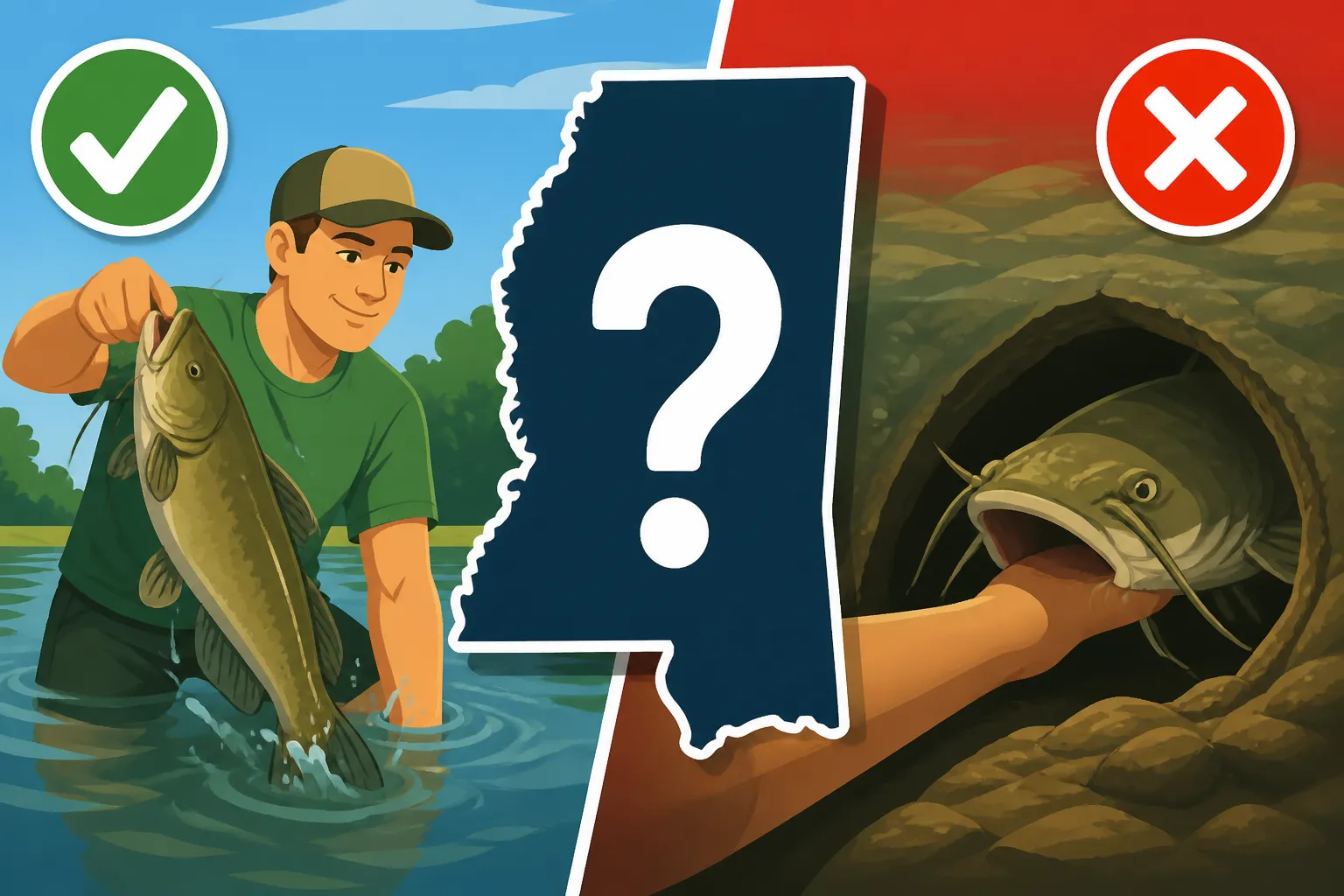
At its core, noodling, or hand-fishing, involves using only your bare hands and arms to catch fish, typically large catfish, within their natural hiding spots. These spots could be submerged hollow logs, undercut banks, rock crevices, or even man-made structures like old tires or concrete pipes that have settled on the lakebed. The angler submerges themselves, feels around for a catfish's lair, and once a fish is located, they entice it to bite their hand, allowing them to pull it out by its mouth. It's an incredibly intimate and often intense encounter with the fish, demanding a good deal of courage and physical strength. Unlike traditional rod and reel fishing, there's no bait on a hook, no fancy tackle – just you, the water, and the fish.
The Appeal and Risks of Hand Fishing
The appeal of noodling is multifaceted. For some, it's the sheer adrenaline rush of grappling with a powerful fish underwater. For others, it's a connection to ancestral methods of harvesting food, a way to truly earn their catch. There's a distinct sense of accomplishment that comes with bringing up a monstrous blue or flathead catfish by hand. It’s also often a communal activity, with friends and family assisting in spotting holes, securing the boat, and helping to land the fish, making it a social event as much as a solo endeavor.
However, it's crucial to acknowledge the significant risks involved. Being underwater, in often murky conditions, means you can't always see what you're reaching into. Beyond the powerful jaws of a large catfish, there's the potential to encounter snakes, snapping turtles, beavers, or other aquatic creatures that might not take kindly to a hand invading their home. There's also the risk of getting stuck in a tight spot, drowning, or suffering injuries from sharp objects or rough underwater terrain. Proper preparation, a clear understanding of the environment, and always going with a partner are not just good ideas; they are essential safety protocols for anyone considering this challenging pursuit.
The Legal Status of Noodling in Mississippi
Now, let's get to the brass tacks. Is this wild, hands-on style of fishing actually allowed in Mississippi? The short answer is yes, but with some very specific conditions and regulations that every aspiring noodler absolutely must understand and follow. Mississippi is one of the states where this tradition is recognized, but it's not a free-for-all.
Current Mississippi Regulations
Mississippi officially permits noodling for certain species of catfish, but it's strictly regulated by the Mississippi Department of Wildlife, Fisheries, and Parks (MDWFP). This isn't something you can just decide to do spontaneously; you need to be aware of the rules governing seasons, species, and methods. For example, using any type of artificial aid to trap or snare fish is generally prohibited. The core principle of noodling is that it is strictly "hand-fishing," meaning your hands are the only tools.
According to the MDWFP, hand-fishing is allowed specifically for catfish species. This means you can't go noodling for bass, crappie, or any other type of fish. It's a method reserved for the catfish family, which are known for their den-dwelling habits. It's also important to remember that all general fishing regulations, such as needing a valid fishing license and adhering to statewide creel and size limits, still apply to noodlers. Before you even dip a toe in the water, make sure you're up to date on all the Mississippi Fishing Regulations Explained and have your Mississippi Fishing License Guide in hand.
Historical Context of Noodling Laws
The legality of noodling has been a bit of a rollercoaster ride in many states, and Mississippi is no exception. For many years, noodling existed in a gray area, often practiced as a local tradition without explicit statewide laws governing it. As the sport gained more attention, and with growing concerns about conservation, safety, and potential abuse, many states began to either ban it outright or implement strict regulations.
Mississippi officially legalized noodling in 1997, a significant moment for enthusiasts. Prior to this, it was largely unregulated, leading to varying local interpretations and enforcement. The move to legalize it with clear guidelines brought it out of the shadows, allowing for better management, conservation efforts, and angler safety. This legislative decision recognized the cultural significance of noodling while aiming to prevent irresponsible practices that could harm fish populations or the environment. This history underscores the importance of staying informed, as regulations can always be reviewed and updated.
What Happens If You Noodle Illegally?
Ignoring the rules or assuming noodling is a free-for-all can lead to serious consequences. Fishing without a valid license, exceeding catch limits, or attempting to noodle for species not approved for hand-fishing can result in significant penalties. These aren't just slaps on the wrist; they can include hefty fines, confiscation of equipment, and even jail time in some cases. It's not worth the risk, plain and simple.
Conservation officers are out there, and they are well-versed in the nuances of state fishing laws. If you're caught breaking the rules, you could face charges for Mississippi Fishing License Penalties and Fines. For instance, hand-fishing for anything other than catfish is a clear violation. Always prioritize legality and ethical practice to ensure you're contributing to the sustainability of Mississippi's fisheries, rather than risking a run-in with the law. Make sure your actions align with what's outlined in the Mississippi Catfish Regulations.
Specific Rules and Requirements for Legal Noodling
Alright, so noodling is legal for catfish in Mississippi. But what does that really mean in practice? It’s not just about dipping your hand in the water; there are specific guidelines regarding species, equipment, and permits that you need to follow to ensure your adventure is both legal and safe.
Which Fish Species Are Permitted for Noodling?
As we touched on, the MDWFP is very clear: hand-fishing in Mississippi is specifically permitted for catfish. This typically includes:
- Channel Catfish: A common and popular target, known for their strong fight.
- Blue Catfish: These can grow to enormous sizes, offering the ultimate challenge for noodlers.
- Flathead Catfish: Often found in similar habitats to blue and channel cats, they are also a prized catch.
You absolutely cannot noodle for other species like bass, crappie, or sunfish. The unique biology and behavior of catfish, particularly their tendency to occupy confined spaces for spawning and shelter, make them suitable for this method. Attempting to hand-fish for any other species is considered illegal and will lead to penalties. Understanding the specific characteristics of these catfish species is crucial for successful and legal noodling, as you'll be identifying them by touch underwater. You might even want to brush up on the Mississippi Freshwater Fish Species Guide to learn more about your potential quarry.
Essential Gear and Safety Considerations
While noodling emphasizes the "bare hands" aspect, there are some essential items that contribute to safety and success. Think of it as gearing up smart, not cheating.
Key Gear:
- Protective Gloves: Heavy-duty, abrasion-resistant gloves are a must. They protect your hands from sharp teeth, barnacles, or other underwater hazards. Brands like Youngstown or Mechanix Wear offer durable options. You can find many suitable options on Amazon.
- Wetsuit or Protective Clothing: Depending on water temperature and conditions, a wetsuit can provide warmth and some protection from scrapes and bites. Even durable long-sleeved shirts and pants can offer a layer of defense.
- Life Vest: Always, always wear a life vest, especially if you're venturing into deeper water or unfamiliar territory. Even strong swimmers can get into trouble quickly.
- Snorkel Mask (Optional but Recommended): For scouting potential holes or understanding the underwater environment before committing your hand.
- Boat or Kayak: Essential for accessing many prime noodling spots and for safety support.
- First-Aid Kit: Accidents can happen, and having a well-stocked kit for cuts, scrapes, or minor bites is non-negotiable.
- Fishing License: As mentioned, a current Mississippi fishing license is required for all anglers, including noodlers.
Safety Considerations:
- Never Noodle Alone: This is paramount. Always go with at least one partner who can assist if you get into trouble.
- Know Your Limits: Don't attempt to noodle in areas beyond your physical capabilities or comfort level.
- Scout Your Spots: Before diving in, try to visually inspect the area for submerged hazards or clear signs of dangerous wildlife.
- Awareness of Surroundings: Be mindful of currents, boat traffic, and weather conditions.
- Respect the Fish: While exciting, remember you're interacting with a wild animal. Be prepared for a strong fight and handle the fish respectfully once caught.
Licensing and Permit Requirements for Noodlers
Just like any other form of fishing in Mississippi, noodling requires a valid fishing license. There isn't a separate "noodling license"; your standard freshwater fishing license covers it.
Who Needs a License?
- Residents: Generally, Mississippi residents aged 16 through 64 are required to possess a freshwater fishing license. There are exemptions for certain age groups or conditions, such as residents under 16 or over 65, or those with specific disabilities. You can explore Mississippi Resident Fishing License Options to see what applies to you.
- Non-Residents: All non-residents aged 16 and older need a non-resident freshwater fishing license to noodle in Mississippi waters.
Where to Get Your License:
- Online: The easiest way is through the MDWFP website.
- Retailers: Many sporting goods stores, bait shops, and even places like Walmart or local hardware stores are authorized license vendors.
- MDWFP Offices: You can also purchase licenses directly from MDWFP offices.
For a detailed walkthrough, check out How to Get a Mississippi Fishing License. Always keep your license on your person while fishing. It’s also wise to double-check if any specific state parks or private waterways have additional permit requirements, though this is less common for general state-managed waters.
Best Practices for Responsible Noodling in Mississippi
Noodling, while thrilling, carries a responsibility to the environment and the fish populations. As a unique and impactful method, practicing it responsibly ensures its sustainability and minimizes negative ecological effects. It’s about being a good steward of Mississippi’s natural resources.
Ethical Noodling and Conservation
Responsible noodling goes beyond just adhering to the letter of the law; it embraces the spirit of conservation. This means making choices that support healthy fish populations and ecosystems.
Key Ethical Practices:
- Respect Creel and Size Limits: Always know and abide by the daily catch limits and minimum/maximum size restrictions for catfish. For example, understanding Is There a Daily Limit on Catfish in Mississippi? is non-negotiable. These limits are in place to ensure fish can reproduce and maintain a healthy population structure. Taking too many large breeding fish can severely impact future generations.
- Target the Right Fish: Focus on the permitted catfish species. Avoid disturbing other fish or wildlife that may be sheltering in the same areas. If you feel something that isn't a catfish, gently withdraw your hand.
- Minimize Habitat Disturbance: Noodling inherently involves reaching into fish habitats. Be mindful not to destroy natural structures like undercut banks or log piles. Avoid making new "holes" or significantly altering the natural environment to create a fishing spot. When you're done, leave the area as undisturbed as possible.
- Catch and Release Responsibly (If Applicable): While many noodlers keep their catch, if you do decide to release a fish, do so quickly and carefully. Minimize its time out of water, handle it gently, and ensure it can swim away strongly. This is particularly important for smaller fish or those you don't intend to keep for consumption.
- Learn Catfish Fishing Techniques: Understanding their habits, spawning cycles, and preferred environments will make you a more ethical and successful angler, whether you're noodling or using a rod and reel.
Finding Public Access for Noodling
Mississippi boasts numerous rivers, lakes, and reservoirs where catfish thrive, offering a wealth of potential noodling spots. However, not all land or water is publicly accessible for fishing.
Prime Public Noodling Locations:
- Large Reservoirs: Lakes like Ross Barnett Reservoir, Grenada Lake, and Sardis Lake are popular spots for catfish, and many areas are open for public access. These large bodies of water often have ample submerged timber, rock formations, and undercut banks where big cats love to hide. For more ideas, explore Best Fishing Spots in Mississippi.
- Major Rivers: The Mississippi River itself, along with the Pearl River, Pascagoula River, and Tombigbee River, offer excellent catfishing opportunities. River systems typically have abundant natural structures.
- State Fishing Lakes: MDWFP-managed state lakes are generally great for fishing, but always verify specific rules as some may have unique regulations.
Important Access Considerations:
- Public vs. Private Land: Always respect private property. Do not trespass to access fishing spots. If you're unsure, assume it's private or seek explicit permission from the landowner.
- Boat Ramps and Access Points: Utilize designated public boat ramps and access points. These areas are established for angler use and often come with parking and other facilities.
- MDWFP Resources: The Mississippi Department of Wildlife, Fisheries, and Parks website is an invaluable resource. They often provide maps, regulations, and information on public access areas. Local bait shops and fishing guides can also offer excellent, up-to-date local knowledge on where to go.
By combining adherence to regulations, a strong commitment to ethical practices, and smart decisions about access, you can enjoy the unique and exciting challenge of noodling in Mississippi for years to come. It’s a rewarding pursuit for those who respect the tradition, the fish, and the waters they call home.
Disclaimer
Please note that fishing regulations, including those pertaining to noodling, can change. While this guide provides current information as of its publication, it is always the angler's responsibility to consult the most up-to-date regulations directly from the Mississippi Department of Wildlife, Fisheries, and Parks (MDWFP) before engaging in any fishing activity. This article is for informational purposes only and does not constitute legal advice.