What Fish Have No Size Limit in Mississippi?
It can be incredibly frustrating to hit the water, reel in a beautiful catch, and then second-guess whether you’re even allowed to keep it. The world of fishing regulations, especially when it comes to size limits, can feel like navigating a maze, leaving many anglers scratching their heads. This guide is here to clear the confusion and explicitly detail which fish species in Mississippi generally do not have a minimum size limit, helping you fish with confidence and stay within the law.
Understanding Mississippi's Fish Regulations and Limits
Before we dive into the specific species that don't have size limits, it's helpful to understand why these regulations exist in the first place. It's not just about making things complicated; there's a real science and purpose behind every rule.
The Rationale Behind Fishing Regulations
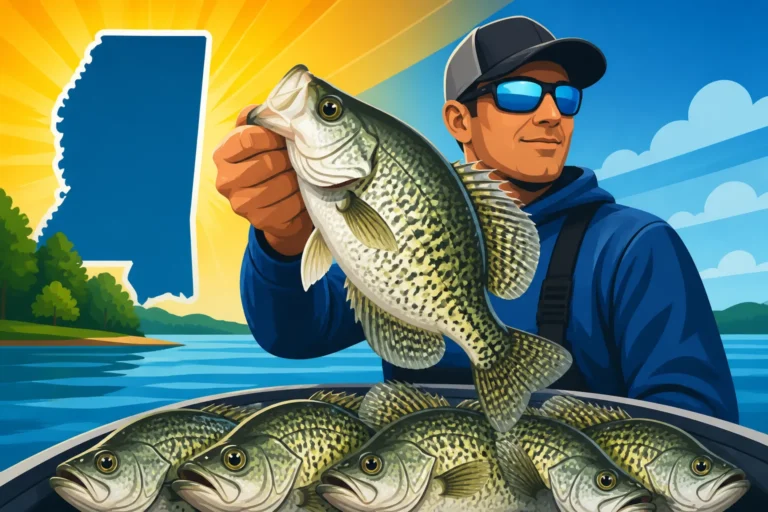
Size limits, along with daily creel limits and season restrictions, are crucial tools for conservation and ensuring sustainable fisheries. For many popular game fish like largemouth bass, crappie, and speckled trout, a minimum size limit allows younger fish to grow to maturity and reproduce at least once, contributing to the next generation. This helps protect the breeding stock and prevents overfishing, which could devastate a population. Imagine if everyone kept every small bass they caught; eventually, there wouldn't be enough big fish left to reproduce, and our favorite fishing holes would suffer. The goal is to balance recreational opportunity with ecological health, making sure future generations can enjoy the same great fishing we do today.
How the MDWFP Sets Limits
The Mississippi Department of Wildlife, Fisheries, and Parks (MDWFP) is the governing body responsible for setting all fishing regulations in the state. They employ fisheries biologists who conduct extensive research, monitoring fish populations, growth rates, and reproductive cycles across various lakes and rivers. This data, combined with public input, informs their decisions on specific limits. For instance, if a particular lake's crappie population is showing signs of stunted growth or overharvesting of large individuals, the MDWFP might implement special Mississippi Crappie Regulations by Lake that include minimum size limits or protected slot limits unique to that water body. It's a dynamic process, constantly adjusted to ensure the health of Mississippi's aquatic resources. Always refer to the most current official MDWFP guidelines when you're planning your trip.
The List: Fish Species Without Minimum Size Limits
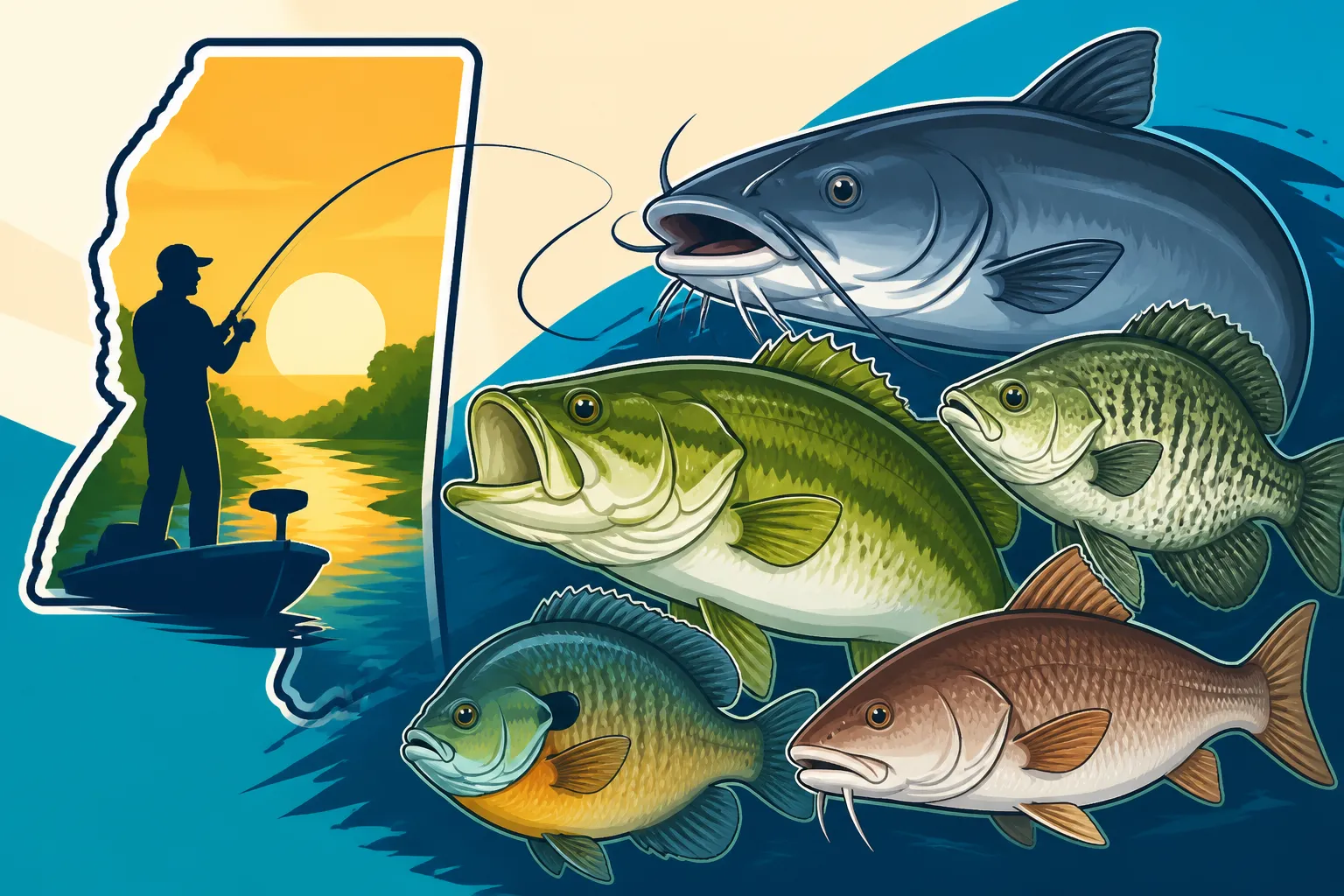
Now for the main event! While many popular game fish have strict size requirements, several species in Mississippi generally do not have a minimum size limit, meaning that as long as you adhere to daily creel limits (if any), you can keep what you catch, regardless of how small it is.
Abundant Panfish: Bream and Sunfish
When it comes to smaller, prolific species often grouped under the "bream" or "sunfish" umbrella, you'll generally find that minimum size limits are absent across Mississippi waters. This is fantastic news for anglers, especially those just starting out or fishing with kids, as it allows for a lot of action and keeps the learning curve gentle.
- Bluegill (Bream): These feisty little fish are arguably the most common and beloved panfish in Mississippi. They are widely distributed, bite readily, and are excellent table fare. You won't find a minimum size limit for bluegill. You can keep bluegill of any size, up to the statewide aggregate daily creel limit for bream. This makes them perfect for a fish fry, no matter how small they are. If you're wondering, "Is There a Limit on Bream in Mississippi?", remember the daily bag limit applies, but not a size one.
- Redear Sunfish (Shellcracker): Known for their crushing power on snails and mussels, redear sunfish are another popular panfish with no minimum size limit. Like bluegill, they contribute to the collective bream creel limit.
- Warmouth: Often found in slower, murkier waters, warmouth are also included in the general bream category without specific size restrictions.
- Other Sunfish Species: This also extends to other lesser-known sunfish species that might be caught incidentally, such as green sunfish or spotted sunfish. As long as they fall under the general "bream" designation, they don't have an individual size limit.
The reason these fish typically don't have minimum size limits is due to their rapid growth, high reproductive rates, and often high population densities. Managing them via length restrictions isn't usually necessary for conservation; rather, daily creel limits help manage overall harvest. You can often find great gear for bream fishing, from ultralight rods to small bobbers and hooks, easily available on platforms like Amazon.
Catfish Considerations: Daily Limits, Not Size Restrictions
Mississippi is a paradise for catfish anglers, offering fantastic opportunities for channel, blue, and flathead catfish. Here's where the nuance comes in: for many of these species, statewide, you won't encounter a minimum size limit. However, there are absolutely daily creel limits and, very importantly, lake-specific slot limits that you must be aware of.
- Channel Catfish: Widely stocked and naturally abundant, channel catfish typically do not have a minimum size limit in Mississippi. This means you can keep smaller "friers" for the pan, or larger ones for a trophy photo. However, a statewide aggregate daily creel limit of 100 channel and blue catfish combined usually applies.
- Blue Catfish: Similar to channel catfish, blue catfish generally have no statewide minimum size limit. This allows anglers to harvest fish of all sizes, from small eaters to growing juveniles. But remember that 100-fish aggregate daily limit for channel and blue catfish.
- Crucial Exception: This is where checking local regulations is paramount. While statewide minimum size limits are rare for catfish, certain lakes, especially those managed intensively, can have slot limits for blue catfish. For example, Lake Calling Panther has specific regulations designed to promote trophy blue catfish, often including a protected slot limit where fish within a certain size range must be immediately released. Always check the current Mississippi Catfish Regulations for the specific body of water you intend to fish.
- Flathead Catfish: These powerful predators also typically do not have a statewide minimum size limit in Mississippi. You might find a daily creel limit of 10 flathead catfish, but not a minimum length requirement. Like other species, it's always wise to double-check for any localized regulations.
So, while you might not have to measure your catfish before deciding to keep it, you definitely need to count them and be aware of any special lake rules. Many anglers find the larger flatheads and blues put up an incredible fight, and specialized heavy-duty gear, often found on Amazon, is a must for targeting these monsters.
Non-Game and Rough Fish: Free-for-All (Mostly)
This category includes a wide array of fish species that aren't typically classified as "game fish" but are often caught by anglers, sometimes incidentally, sometimes intentionally. For most of these, there are no size limits, and often no creel limits either, particularly when caught by pole and line.
- Common Carp: These widespread bottom feeders are often targeted for sport or for food in various cultures. In Mississippi, common carp generally have no minimum size limit and no daily creel limit when caught by hook and line.
- Buffalo Fish (Smallmouth, Bigmouth, Black): These large, carp-like fish are native to Mississippi and are excellent fighters. Like common carp, buffalo fish caught by traditional angling methods typically have no minimum size limit and no daily creel limit.
- Freshwater Drum (Gaspergou): Found in many rivers and reservoirs, freshwater drum are often caught accidentally by bass or catfish anglers. They have no minimum size limit or creel limit in Mississippi.
- Gar Species (Longnose, Spotted, Shortnose): Most gar species in Mississippi—longnose, spotted, and shortnose—do not have minimum size limits or daily creel limits when harvested by legal recreational methods. They offer a unique angling experience and are often targeted by bow fishermen.
- Crucial Exception: Alligator Gar: It is absolutely vital to note that alligator gar is a significant exception. This prehistoric giant is heavily regulated in Mississippi due to conservation efforts. Alligator gar does have a specific daily limit (often one per day, usually requiring a tag or permit in certain areas), and it may have size restrictions or specific harvest seasons. Do not confuse other gar species with alligator gar when it comes to regulations. Always consult the Mississippi Non-Game Fish Rules Explained for the most accurate information on these unique species.
- Bowfin (Grinnel): Another aggressive, hard-fighting native species, bowfin typically have no minimum size limit or daily creel limit when caught by hook and line.
These "rough fish" can provide exciting angling opportunities, and their lack of size restrictions often means you can focus purely on the fight!
Important Nuances and What to Always Remember
Even when a fish species has no minimum size limit, there are critical details that anglers must keep in mind to ensure they are fishing legally and responsibly. Ignoring these can lead to fines and penalties.
Daily Creel Limits: Still a Crucial Factor
The most significant point to remember is that "no size limit" does not mean "unlimited catch." Almost every fish species, whether it has a minimum size limit or not, is subject to a daily creel limit (also known as a bag limit). This is the maximum number of fish of a particular species or group of species that an angler can possess in one day. For example, while bluegill have no size limit, there is a statewide aggregate daily limit for bream. Similarly, while channel catfish don't have a minimum size, they contribute to an aggregate daily limit for catfish.
Failing to adhere to these daily limits is a violation of Mississippi Fishing Regulations Explained and can result in significant fines. It's essential to understand the Mississippi Statewide Creel Limits for all species you might target. This is a fundamental aspect of conservation and fair chase, ensuring that everyone gets a chance to catch fish and that populations remain healthy.
Local Rules and Exceptions: The Devil is in the Details
While statewide regulations provide a baseline, many individual lakes, reservoirs, and rivers in Mississippi have special regulations that supersede the general statewide rules. These local rules are implemented by the MDWFP to address specific management needs for a particular water body.
- Lake-Specific Regulations: A prime example is the catfish slot limits at Lake Calling Panther mentioned earlier. Grenada Lake, famous for its crappie, also has specific Grenada Lake Crappie Daily Limit rules. Similarly, Mississippi Black Bass Regulations can vary significantly from one reservoir to another, even if the general statewide rule for largemouth bass has a minimum size.
- State Park Lakes: Some state park lakes may have their own unique rules, often with more restrictive limits or requiring special permits in addition to a standard Mississippi Fishing License Guide.
- Border Waters: Fishing in waters that border other states, such as the Mississippi River along Louisiana or Arkansas, or waters bordering Alabama, often involves reciprocal agreements or specific rules unique to those shared boundaries.
Always check the MDWFP's current fishing guide for the specific body of water you plan to fish. A quick search on their website or a call to a local office can save you a lot of trouble. Don't assume that just because one lake has no size limit for a certain species, another will follow suit.
Staying Current with MDWFP Resources
Fishing regulations are not static; they can change annually, or even within a season, based on biological assessments, environmental factors, or conservation needs. Relying on outdated information is a sure way to find yourself in violation.
- Official MDWFP Fishing Guide: The best practice is to always consult the current official Mississippi Fishing Guide, published annually by the MDWFP. This document is the definitive source for all regulations, including information on specific species like Mississippi Freshwater Fish Species Guide and rules for different water bodies. It's usually available online as a PDF and often in print at license vendors.
- MDWFP Website and App: The MDWFP website is regularly updated, and many states now offer mobile apps that provide instant access to regulations, which can be a lifesaver when you're on the water.
- Local Bait Shops: Your local bait and tackle shops are also invaluable resources. The folks working there are often avid anglers themselves and stay very current on local rules and changes.
Knowing the law is your responsibility as an angler. Taking a few minutes to review the regulations before each fishing trip is a small investment that protects you and the future of fishing in Mississippi. Don't forget, a valid Do You Need a License to Fish in Mississippi? is always required, even for species without size limits.
Summary of Mississippi Fish with No Minimum Size Limits (General Guidelines)
Here's a quick overview of fish species that typically do not have minimum size limits in Mississippi, with the important reminder that daily creel limits and local exceptions always apply.
| Fish Category | Common Species Examples | Minimum Size Limit (Statewide) | Daily Creel Limit (Statewide, General) | Important Notes |
|---|---|---|---|---|
| Panfish/Bream | Bluegill, Redear Sunfish, Warmouth, Green Sunfish | No | 50 (aggregate for bream) | Excellent for beginners, prolific, check local rules for specific water bodies. |
| Catfish | Channel Catfish, Blue Catfish, Flathead Catfish | No | 100 (Channel/Blue aggregate), 10 (Flathead) | CRITICAL: Lake-specific slot limits and exceptions common for Blue Catfish. Always check local regulations. |
| Non-Game/Rough Fish | Common Carp, Buffalo (all species), Freshwater Drum, Bowfin | No | Often no limit (by hook & line) | CRITICAL: Alligator Gar is a major exception with strict limits and tags. Other gar species usually have no limits. |
Disclaimer: This table provides general information. Always consult the official Mississippi Department of Wildlife, Fisheries, and Parks (MDWFP) regulations for the most current and specific rules for your intended fishing location.
Disclaimer
The information provided in this guide is intended for general informational purposes only and is not a substitute for official legal advice or the official regulations published by the Mississippi Department of Wildlife, Fisheries, and Parks (MDWFP). Fishing regulations can change frequently and may vary significantly by specific body of water, season, and species. It is the individual angler's responsibility to review and comply with all current state and local fishing laws and regulations before engaging in any fishing activity. Always refer to the most recent official MDWFP fishing guide and local postings for accurate and up-to-date information.