Does a Fishing Charter Include the License in Mississippi?
One of the most common questions and biggest sources of confusion when planning a fun fishing trip in Mississippi, especially if you're venturing out with a charter service, is whether that pesky fishing license is already taken care of. It's a valid concern, and nobody wants to get caught on the water without the proper paperwork. This guide will clarify the nuances of fishing license requirements when booking a charter in Mississippi, ensuring you're fully prepared for a stress-free day on the water.
Understanding Mississippi Fishing Licenses for Charter Trips
It’s easy to assume that if you're paying a professional charter captain, all the nitty-gritty details, like licenses, are automatically included. After all, they're the experts, right? While charter captains are indeed experts at finding fish and navigating the waters, the responsibility for holding a personal fishing license almost always falls squarely on your shoulders as the individual angler.
The General Rule: Angler Responsibility
In the vast majority of cases across Mississippi, whether you're casting lines in a freshwater reservoir like the Ross Barnett or chasing redfish on the Mississippi Gulf Coast, each individual angler on board a charter boat is required to possess their own valid Mississippi fishing license. Think of it this way: your charter captain holds specific commercial licenses to operate their vessel for hire, but these licenses don't typically extend to cover every person who steps foot on their boat and decides to fish. Their license permits them to run a business, not to act as a blanket license for their clients.
For example, if you're visiting from out of state and book a fantastic full-day trip on Biloxi Bay, aiming to catch some speckled trout, you'll need to secure a non-resident saltwater fishing license before you ever step onto the boat. The charter captain might have all the tackle, bait, and local knowledge, but they won't have a magical license that exempts you from state regulations. It’s crucial to understand that Mississippi’s wildlife and fisheries department (MDWFP) views each person participating in fishing activities as responsible for their own compliance with licensing laws. This helps ensure that the funds generated from license sales go directly back into conservation efforts, habitat restoration, and managing fish populations, which benefits all anglers in the long run.
When a Charter Might Cover It (and what that means)
While rare, there can be specific, limited scenarios where a charter might alleviate some of the individual licensing burden, but it’s vital to understand what this truly entails. Most commonly, this isn't about covering your personal recreational fishing license, but rather about the vessel itself being properly licensed for commercial operations. For instance, a larger "party boat" or "headboat" operation, especially those venturing further offshore for species like red snapper, often holds a federal reef fish permit or other specific commercial licenses for the vessel. These permits allow the boat to harvest certain species, but again, they generally do not exempt individual anglers from holding a basic state fishing license.
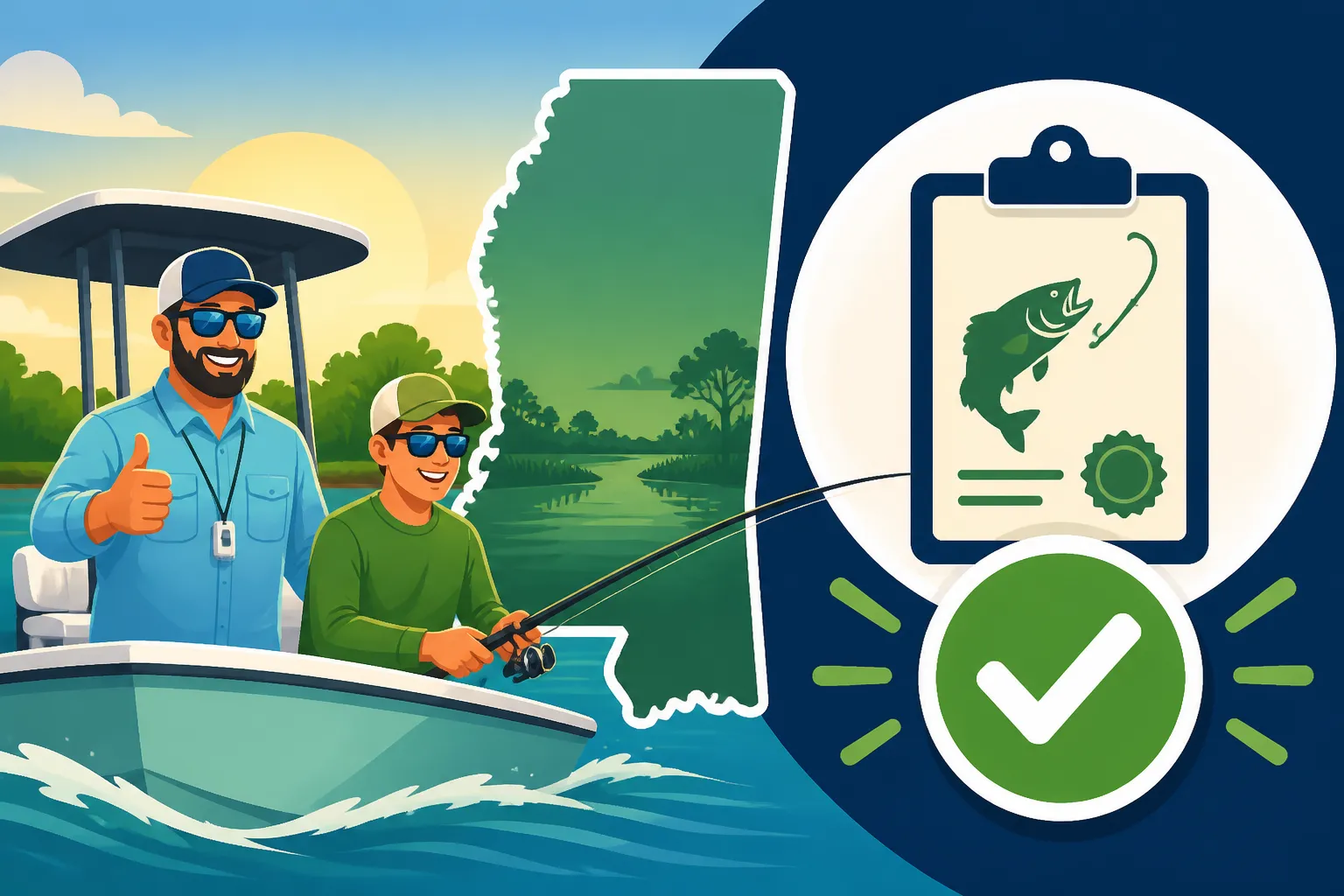
Some very specific operations, particularly those catering to younger children or offering very short, introductory "fishing experiences" rather than full-fledged charters, might occasionally operate under special exemptions or combined permits. However, these are exceptions, not the rule. It's never safe to assume. The only way to be absolutely certain is to have a direct conversation with your charter captain or booking agent before you finalize your trip. Ask them directly, "Does a fishing charter include the license in Mississippi for guests, or do I need to purchase my own?" A reputable charter service will be transparent and happy to guide you through the requirements.
Types of Fishing Licenses You Might Need in Mississippi
Mississippi offers a range of fishing licenses tailored to different situations, and knowing which one applies to you is the first step toward a worry-free fishing experience. The type of license you need largely depends on where you plan to fish and your residency status.
Freshwater vs. Saltwater Licenses
Mississippi is a diverse fishing destination, boasting rich freshwater lakes and rivers in the northern and central parts of the state, as well as prime saltwater fishing opportunities along its beautiful Gulf Coast. This geographical distinction means there are separate licensing requirements:
- Freshwater Fishing: If your charter trip is on an inland lake like Grenada Lake, Sardis Lake, or the Pearl River, you will need a freshwater fishing license. These licenses cover species such as largemouth bass, crappie, and catfish. Even if you're fishing a large river system like the Mississippi River, you'll still fall under freshwater regulations, although there are specific Mississippi Border Water Fishing Rules that can sometimes apply if you're right on the state line.
- Saltwater Fishing: For those amazing adventures targeting redfish, speckled trout, or flounder along the Mississippi Sound, you'll need a Mississippi Saltwater Fishing License Guide. This applies to charter trips departing from coastal towns like Biloxi, Gulfport, or Bay St. Louis. It's a common misconception that if you're with a charter, you don't need a specific saltwater license, but this isn't true for recreational anglers. It's always best to be sure.
If you plan to fish in both freshwater and saltwater during your stay, you will likely need both types of licenses or a comprehensive combination license, such as a Sportsman's License, which we'll touch on next.
Resident vs. Non-Resident Options
The cost and duration of your Mississippi fishing license will vary significantly based on whether you are a resident of Mississippi or visiting from another state.
- Mississippi Residents: Residents typically have access to more affordable annual licenses, combination licenses (like the All-Game Hunting & Fishing or Sportsman's License), and even lifetime options. For instance, a Mississippi Resident Fishing License Options annual license is quite affordable and covers a full year of fishing. There are also specific exemptions for certain age groups, which we'll cover shortly.
- Non-Residents: If you're coming from out of state, you'll need a non-resident license. Recognizing that many visitors only come for short trips, Mississippi offers convenient short-term options. The Mississippi 1-Day and 3-Day Fishing Licenses are particularly popular for tourists booking a charter. These are ideal if you're only planning one or two days of fishing and don't want to commit to a full annual non-resident license, which costs more. Make sure to specify whether you need a freshwater or saltwater non-resident license, or a combination if you plan on casting in both types of water bodies. You can find more details in our Mississippi Nonresident Fishing License Guide.
Age Exemptions and Special Cases
Mississippi does offer some exemptions and special licenses for certain groups of anglers. It’s important to understand these before you buy:
- Youth: Generally, residents under the age of 16 are not required to purchase a fishing license in Mississippi. This is fantastic news for families looking to introduce their kids to the joys of fishing! However, even if exempt from a license, they must still adhere to all other fishing regulations, such as creel and size limits. Our guide, Do Kids Need a Fishing License in Mississippi?, offers more in-depth information on this.
- Seniors: Mississippi residents aged 65 or older can obtain a special Senior Exempt Fishing License at no charge. This is a huge benefit for Mississippi's seasoned anglers and a wonderful way for the state to acknowledge their contributions. Remember, even though it's free, you still need to obtain this specific license to be legally covered. For details on how to get it, check out Mississippi Senior Fishing License Discounts.
- Disabled Veterans: Eligible disabled veterans who are Mississippi residents may also qualify for a special exemption or discounted license. These programs are designed to honor and support those who have served our country. It's always best to check the MDWFP website or contact them directly for the most current requirements and application procedures.
- Fishing on Private Ponds: In most cases, if you are fishing in a private pond that is entirely enclosed on private land and not connected to any public waters, you generally do not need a state fishing license. However, if the pond has a direct connection to a public waterway, a license would be required. Always err on the side of caution and verify locally if you have any doubts.
How to Ensure You're Legally Prepared for Your Charter
The last thing you want on what should be a relaxing and exciting fishing trip is a run-in with a game warden because of a licensing oversight. Being proactive and informed is key to a smooth experience.
Communicating with Your Charter Captain
This is arguably the single most important step. Don't leave it to chance or assume anything. When you're making arrangements for your charter trip, whether you're calling a local outfitter like Southern Comfort Charters in Biloxi or booking through an online platform, make sure to ask direct questions about licensing:
- "Do I, as an individual angler, need a state fishing license for this trip?"
- "If so, what type of license do I need – freshwater or saltwater, resident or non-resident, and for how many days?"
- "Where can I easily purchase this license before my trip?"
Most reputable charter captains and booking agents are well-versed in these requirements and will be more than happy to provide clear instructions. They don't want any legal issues on their boat either, and they understand that tourists and new anglers might be unfamiliar with local regulations. Getting this clarified upfront saves everyone a headache and ensures you won't face any surprises on the day of your departure.
Purchasing Your License
Once you know what you need, acquiring your license is usually a straightforward process:
- Online: The quickest and often most convenient way to purchase a Mississippi fishing license is through the official Mississippi Department of Wildlife, Fisheries, and Parks (MDWFP) website. You can do this from the comfort of your home or even on your smartphone before you head to the boat ramp. You'll simply select the type of license you need, provide your personal information, and pay with a credit card. You'll then usually receive an immediate digital copy of your license that you can print or display on your phone. Learn more about the process in our guide, How to Buy a Mississippi Fishing License Online.
- Authorized Vendors: Many sporting goods stores, bait shops, and even some large retail chains across Mississippi are authorized to sell fishing licenses. Places like local Walmart stores or outdoor retailers like Bass Pro Shops are common spots. This can be a great option if you prefer an in-person transaction or need to pick one up last minute.
- Physical Document: While a digital copy is often sufficient, it's always a good idea to have a printed copy or keep a screenshot on your phone in case you lose signal on the water. You might even consider picking up a waterproof license holder (you can find plenty of affordable options on Amazon) to protect your paper license from spray and humidity, keeping it legible for inspection.
What Happens Without a License
Fishing without a valid license in Mississippi is a violation of state law and can lead to serious consequences that will definitely put a damper on your fishing trip. Game wardens are diligent in enforcing these regulations to protect Mississippi's natural resources.
- Fines and Penalties: If caught without a license, you will likely receive a citation and be subject to a fine. The amount of the fine can vary, but it's always significantly more expensive than the cost of a license itself. Repeat offenses can lead to even steeper penalties. Our article, Mississippi Fishing License Penalties and Fines, delves deeper into the potential repercussions.
- Confiscation: In some cases, your fishing gear (rods, reels, tackle) or even your catch could be confiscated. This is a rare but possible outcome, designed to deter illegal fishing activities.
- Court Appearances: Depending on the severity of the infraction, you might even be required to appear in court. This turns a fun day on the water into a bureaucratic nightmare.
- Loss of Privileges: Serious or repeated violations could lead to a suspension of your fishing privileges in Mississippi, and potentially other states as well through interstate compacts.
It’s just not worth the risk. A few minutes and a small fee to get your license ensures peace of mind and allows you to enjoy your fishing adventure fully.
Beyond the License: Other Preparations for Your Charter Trip
Getting your license squared away is a huge step, but a truly successful and enjoyable charter trip involves a few more preparations to make the most of your time on the water.
Essential Gear and Supplies
While your charter captain will provide all the necessary fishing gear—rods, reels, bait, and tackle—there are other items you should bring to ensure your comfort and safety:
- Sun Protection: The Mississippi sun, especially on the water, can be intense. Pack plenty of high SPF sunscreen, a wide-brimmed hat, and polarized sunglasses to protect your eyes and skin. Long-sleeved, breathable shirts are also a great idea. You can easily find comfortable and effective fishing apparel on Amazon before your trip.
- Appropriate Clothing: Dress in layers. Even on a hot day, mornings can be cool, and an afternoon shower might pop up. Quick-drying fabrics are always a good choice.
- Food and Drinks: Most charters don't provide meals, so bring your own snacks, sandwiches, and plenty of water or other non-alcoholic beverages. A small cooler packed with ice is usually welcome.
- Motion Sickness Medication: If you're prone to seasickness, especially on Gulf Coast offshore charters, take preventative medication well before you board. Dramamine or Bonine are popular choices.
- Camera: Don't forget a camera (or your phone) to capture those memorable catches and beautiful Mississippi scenery!
- Cooler for Your Catch: If you plan on keeping your fish, ask your captain if they provide ice for your catch. It’s often a good idea to bring an empty cooler in your vehicle to transport your fillets home.
Understanding Catch Limits and Regulations
Even with a valid fishing license, your responsibility doesn't end there. You must also adhere to all state fishing regulations, including size and creel limits for various species. These rules are in place to ensure sustainable fish populations for future generations of anglers.
- Creel Limits: This refers to the maximum number of a particular species of fish you can keep in a single day. For example, there's a specific daily limit for crappie on Mississippi's major reservoirs like Grenada or Sardis, and different limits for redfish and speckled trout on the Gulf Coast.
- Size Limits: Many species also have minimum or maximum size limits (slot limits). For instance, there might be a minimum size for keeping a largemouth bass, or a slot limit for redfish where only fish within a certain size range can be retained.
- Seasons: While many species are open year-round, some, like red snapper in the Gulf, have very specific and often short seasons. Your charter captain will definitely know about these, but it's good to be aware.
Your charter captain will be an excellent resource for these regulations on the day of your trip, but reviewing resources like our Mississippi Fishing Creel and Size Limits or the comprehensive Mississippi Fishing Regulations Explained before you go can help you understand the framework.
Tipping and Etiquette
A final, but important, point for charter guests is understanding tipping etiquette. Fishing guides and deckhands work incredibly hard to put you on fish, ensure your safety, and make your trip enjoyable. It’s customary to tip your captain and crew for their hard work, typically 15-20% of the total trip cost, assuming you had a good experience. They rely on these gratuities as a significant part of their income. Our detailed guide on Tipping Etiquette for Mississippi Fishing Guides offers more insights into this common practice. Showing your appreciation goes a long way and helps support the dedicated professionals who make these amazing fishing experiences possible.
| License Type | Who Needs It | Where to Buy | Cost Range (Approx.) | Covers | Notes |
|---|---|---|---|---|---|
| MS Resident Annual | MS Residents (age 16-64) | MDWFP Online, Authorized Vendors | $10 – $20 | Freshwater OR Saltwater (separate purchase) | Most common for residents, valid for 1 year from purchase |
| MS Resident Senior Exempt | MS Residents (age 65+) | MDWFP Online, Authorized Vendors | Free | Freshwater AND Saltwater | Must obtain this specific free license, not automatic |
| MS Non-Resident Annual | Non-MS Residents (age 16+) | MDWFP Online, Authorized Vendors | $30 – $40 | Freshwater OR Saltwater (separate purchase) | Valid for 1 year from purchase |
| MS Non-Resident 1-Day | Non-MS Residents (age 16+), short trips | MDWFP Online, Authorized Vendors | $10 – $15 | Freshwater OR Saltwater (separate purchase) | Ideal for single-day charter trips, specific date selected |
| MS Non-Resident 3-Day | Non-MS Residents (age 16+), weekend trips | MDWFP Online, Authorized Vendors | $20 – $25 | Freshwater OR Saltwater (separate purchase) | Good for extended weekend charter plans |
| MS Sportsman's License | MS Residents, combines hunting & fishing | MDWFP Online, Authorized Vendors | $30 – $40 | Freshwater AND Saltwater Fishing, Hunting | Comprehensive option for avid outdoor enthusiasts |
Note: Costs are approximate and subject to change. Always verify current prices and regulations on the official MDWFP website.
Disclaimer
The information provided in this guide is for general informational purposes only and is not intended as legal advice. Fishing regulations in Mississippi can change, and it is always the angler's responsibility to verify the most current rules and license requirements with the Mississippi Department of Wildlife, Fisheries, and Parks (MDWFP) before engaging in any fishing activities.