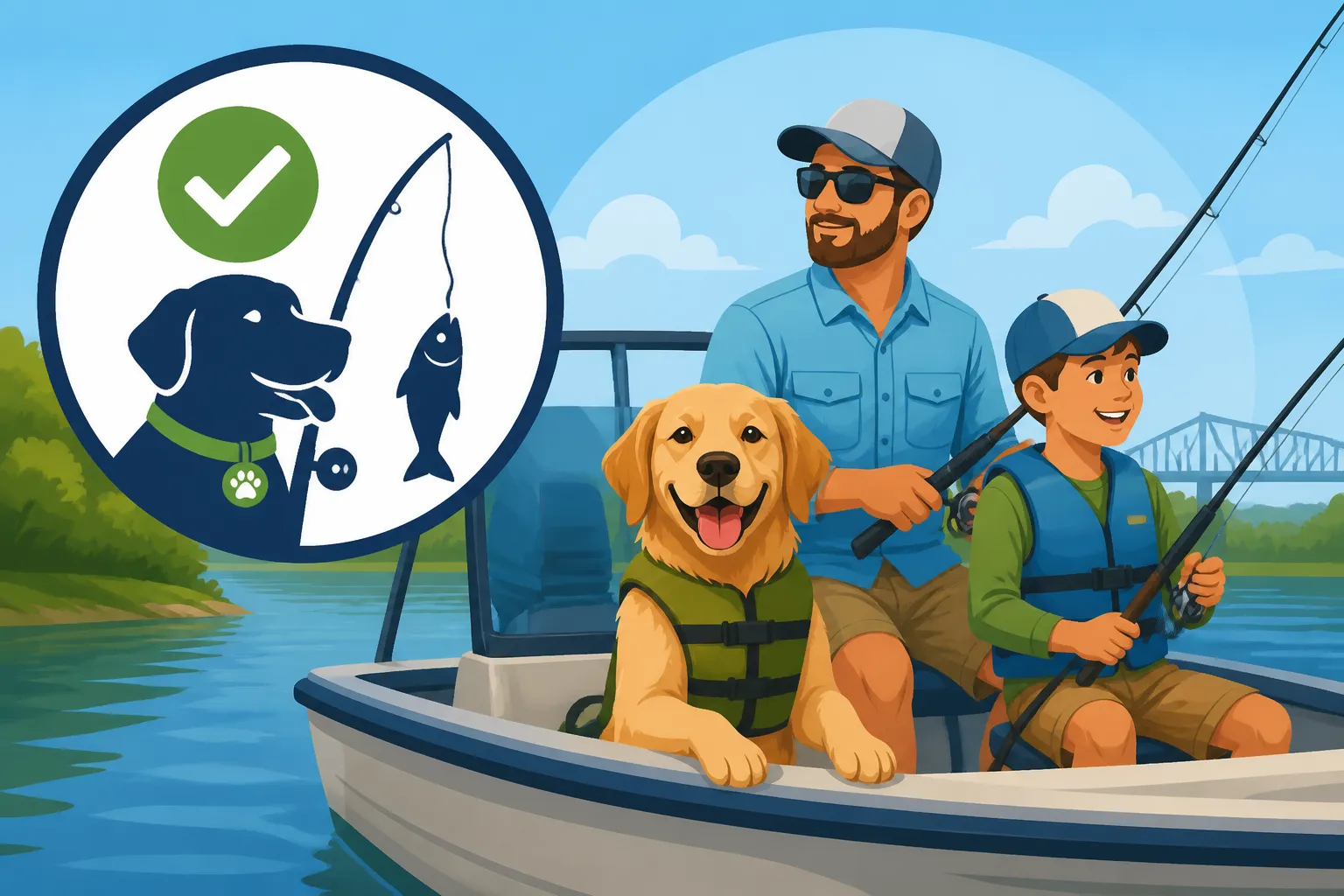
Are Mississippi Fishing Charters Pet Friendly?
It's such a common desire for us pet parents, isn't it? We love our furry companions and want to share every adventure with them, especially something as fun and memorable as a fishing trip in beautiful Mississippi waters. But when it comes to booking a fishing charter, the question of whether our four-legged friends are welcome can be a real head-scratcher, and honestly, it often leads to frustration because there isn't one universal answer. This guide will walk you through the nuances of bringing your pet on a Mississippi fishing charter, helping you understand why policies vary and how to find an experience that works for everyone, including your beloved dog or cat.
Why Pet Policies Vary on Mississippi Fishing Charters
The idea of a one-size-fits-all policy for pets on fishing charters in Mississippi is simply a dream. The reality is far more diverse, with each captain and boat operating under their own set of rules and considerations. This isn't just about personal preference; it's deeply rooted in practicalities, safety, and the unique dynamics of running a successful charter business.
Individual Captain's Discretion and Boat Specifics
Think about it this way: every fishing charter captain is essentially running their own small business, and their boat is their office. Just like some restaurants allow dogs on their patio while others don't, a captain's decision to allow pets is often a very personal one. Factors such as the size of their vessel play a huge role. A small center console designed for quick inshore trips might have very limited deck space, making a larger dog a genuine tripping hazard or simply uncomfortable for everyone on board. Conversely, a larger, more stable offshore boat with ample room might be more accommodating.
Beyond space, the type of fishing being done can influence the decision. Imagine trying to deep-sea fish for red snapper with a lively dog underfoot, potentially getting tangled in lines or stepping on expensive gear. It’s a different scenario than a calm afternoon spent targeting crappie on a wide, open deck of a freshwater boat. Some captains have their own pets, or have had previous positive experiences, making them more open to the idea. Others might have allergies themselves, or previous negative experiences with unruly animals, leading them to have a strict "no pets" policy. It really comes down to the individual captain and the specific layout and operation of their boat.
Insurance and Liability Considerations
This is a big one that many anglers don't immediately consider, but it's paramount for charter operators. Commercial fishing charters carry specific insurance policies to cover their passengers, crew, and vessel. Introducing a pet into that environment can introduce a whole new layer of liability that some insurance policies simply don't cover, or would require a significant premium increase to do so. What if your dog, even a well-behaved one, suddenly gets spooked by a loud engine noise, jumps overboard, and the captain has to stop fishing to perform a rescue? What if it bites another passenger, or trips a crew member, leading to an injury?
These aren't far-fetched scenarios in the fast-paced, sometimes unpredictable environment of a fishing trip. Captains must weigh these risks carefully. Even if they personally love animals, their insurance provider might have explicit clauses against allowing non-service animals on board, or they might fear legal repercussions if an incident occurs. It's not about being anti-pet; it's about protecting their business, their livelihood, and the safety of everyone on board. Always remember, a captain's primary responsibility is the safety of their human passengers, and anything that potentially compromises that will be a significant factor in their decision-making.
Safety Concerns for Pets and Passengers
Beyond liability, there are very real safety concerns that influence a captain's pet policy. The open water environment, whether it's the Mississippi Gulf Coast or a sprawling freshwater lake like Ross Barnett Reservoir, presents unique hazards for animals. Strong currents, unexpected waves, slick decks, and the presence of sharp hooks, lines, and heavy fishing gear all pose risks.
Imagine a sudden swell that sends a small dog sliding across the deck, or a curious cat batting at a live baitfish, only to get a hook embedded in its paw. Even well-trained pets can react unexpectedly to the unfamiliar sights, sounds, and movements of a boat. For the safety of your pet, and for the safety of the human anglers who might trip over a furry friend or get scratched by an anxious animal, captains often err on the side of caution. It's a loud, often chaotic environment, especially when the fish are biting, and not all pets are suited for it. Some captains might also worry about pets interfering with the fishing experience for other paying customers, such as barking at fish being reeled in or chasing after discarded bait.
Common Challenges and Considerations for Pets on Charters
Bringing a pet on a fishing charter isn't just a matter of finding a willing captain; it involves a whole host of practical challenges and considerations that need to be addressed to ensure a safe and enjoyable trip for everyone.
Motion Sickness and Disorientation
Just like humans, many animals are susceptible to motion sickness, especially on a moving boat. The constant rocking and swaying, combined with unfamiliar smells and sounds, can quickly turn an exciting adventure into a miserable experience for your pet. A dog or cat suffering from seasickness can become lethargic, nauseous, and even vomit, which nobody wants on a fishing trip. This isn't just unpleasant for your pet; it creates an unsanitary environment for other passengers and the boat crew.
Even without full-blown sickness, the constant motion can be disorienting and stressful for an animal unaccustomed to it. They might struggle to find their footing, become anxious, or vocalize their discomfort. It’s crucial to know how your pet typically handles car rides or other moving vehicles before even considering a boat trip. If they get carsick easily, a fishing charter is likely not a good idea. Consulting your vet about motion sickness medication for pets might be an option, but it's a decision to be made well in advance and with professional guidance.
Heat Exposure and Hydration
Mississippi summers are no joke, and temperatures can soar, especially out on the water where shade is often limited. Boats, particularly fiberglass decks, can heat up incredibly quickly, posing a serious risk of overheating and heatstroke for animals, especially those with thick coats or brachycephalic (short) snouts. Unlike humans, pets don't sweat efficiently and rely on panting to cool down. High humidity further exacerbates this problem.
Ensuring constant access to fresh water is critical, but even with that, the intense sun exposure can be dangerous. Overheating can lead to severe health issues, and a fishing trip is not the place for an emergency veterinary situation. A responsible pet owner must consider whether their pet can truly tolerate hours in the sun with minimal relief, even if a captain is gracious enough to allow them on board. Mississippi Summer Fishing Guide might offer further insights into the heat challenges during the warmer months.
Limited Space and Restroom Breaks
Boats, even larger ones, have finite space. When you add fishing gear, coolers, and several passengers, the available deck area for a pet to comfortably sit, lie down, or move around can become very restricted. A cramped pet can quickly become agitated or simply uncomfortable, leading to stress for both the animal and those around it.
Then there's the inevitable need for restroom breaks. Unlike a car trip where you can pull over, a boat on the water doesn't offer easy solutions. Expecting a pet to "hold it" for several hours is unfair and potentially unhealthy. While some savvy boaters train their dogs to use designated potty pads on deck, this isn't a universal skill, and it requires significant pre-planning and training. Most charter captains won't be thrilled about cleaning up accidents on their deck, and it's certainly not the experience you or other passengers paid for. This logistical challenge is one of the biggest reasons many charters shy away from allowing pets.
How to Find Pet-Friendly Fishing Charters in Mississippi
Even with all the challenges, don't despair! Finding a pet-friendly fishing charter in Mississippi is possible, but it requires a bit of detective work and proactive communication. It's not as simple as showing up with your furry friend, so preparation is key.
Research and Direct Communication with Captains
The absolute best way to determine if a Mississippi fishing charter is pet-friendly is to pick up the phone and talk directly to the captain or booking agent. Do not assume anything. A website or online booking platform might not explicitly state their pet policy, and even if it says "pets allowed," that could mean small, crated animals, or it could refer to service animals only. Be upfront and honest about your intentions.
When you call, be prepared to provide details about your pet: their breed, size, temperament, and whether they have any boating experience. Explain that your pet is well-behaved, leash-trained, and doesn't suffer from motion sickness (if that's true!). Ask specific questions:
- "Do you allow dogs/cats on your charter trips?"
- "Are there any size or breed restrictions?"
- "What are the expectations regarding my pet's behavior on board?"
- "Is there a designated area for them, or shade available?"
- "Are there any additional fees for bringing a pet?"
Some online platforms, like FishingBooker, often have fields for captains to list amenities or specific rules, and you might find clues there. If not, don't hesitate to use the contact information provided to reach out directly. Many captains, especially those running smaller, private trips, might be more flexible if you demonstrate responsibility and preparedness. How to Book a Mississippi Fishing Charter can give you a head start on the booking process.
Look for Specialized Private Charters
While large party boats are almost universally not pet-friendly due to the sheer number of passengers and the logistical nightmare of managing multiple animals, smaller, private charters offer more flexibility. These are trips where you book the entire boat for your group, giving you more control over the environment. When it's just your family and a few friends, a captain might be more inclined to accommodate your well-behaved pet.
Focus your search on captains who advertise "private" or "family-friendly" trips. These operators are often more adaptable and willing to work with individual requests. Some might even explicitly state they are pet-friendly in their descriptions, particularly if they cater to niche markets or understand the growing demand from pet owners. Don't be afraid to search terms like "pet-friendly fishing charter Mississippi" online, but always follow up with a direct call to confirm details and discuss expectations. Remember, it's about finding a captain who is genuinely comfortable and equipped to welcome your furry companion.
Read Reviews and Online Listings Carefully
Before making any commitments, always thoroughly read reviews and the full descriptions on booking platforms. Sometimes previous customers will mention whether they successfully brought a pet on a trip, or they might praise a captain for their pet-friendly attitude. Photos from past trips can also offer clues about boat size and general amenities.
While a site like FishingBooker might allow filters, always take that as a starting point, not a definitive answer. A captain's profile might say "family-friendly," which usually implies kids are welcome, but not necessarily pets. If a captain explicitly states "no pets" (other than service animals), respect that policy. If they don't mention it at all, assume they are not pet-friendly until you've confirmed otherwise with a direct conversation. This due diligence can save you a lot of disappointment and ensure you're not in an awkward situation on the day of your trip. Don't just skim; dig deep for any mention or hint regarding pet policies.
Preparing Your Pet for a Fishing Charter Adventure
So, you've found a unicorn captain who's happy to welcome your four-legged friend on board for a Mississippi fishing adventure! That's fantastic! But the work isn't over. Proper preparation is paramount to ensuring your pet has a safe, comfortable, and enjoyable experience, and that you remain a welcome guest for future trips.
Essential Gear for Your Furry First Mate
Just like you pack your own essentials for a day on the water, your pet needs their own specialized gear to stay safe and comfortable. This isn't optional; it's absolutely crucial.
First and foremost, a properly fitted pet life vest is a non-negotiable item. Even the best swimmers can become disoriented in open water, especially if they fall overboard unexpectedly or are exhausted. A bright-colored vest with a handle on the back can make retrieval much easier and safer. Ensure it fits snugly but doesn't restrict movement.
Next, bring plenty of fresh water and a collapsible bowl. Dehydration is a serious risk in the sun, and your pet will need constant access to hydration. Pack their regular food and treats, as an upset stomach from new food combined with motion could be disastrous. A favorite blanket or bed can provide a familiar scent and comfortable spot, helping to reduce anxiety. Don't forget poop bags – you are responsible for cleaning up after your pet, even on a boat. A sturdy leash and harness are also essential for keeping them secure when needed, especially when boarding or disembarking, or when navigating busy docks. Consider paw protection, like booties, if the boat deck gets excessively hot.
Acclimating Your Pet to the Boat Environment
Rushing a pet onto a boat without prior exposure is a recipe for disaster. If possible, introduce your pet to the boat environment gradually before the actual charter day. Even if it's not your boat, perhaps you can visit the marina or dock area beforehand to let them get used to the smells, sounds, and sensation of being near water.
If your chosen captain allows it, a short "meet and greet" on the boat before the trip can work wonders. Let your pet explore the deck while the boat is docked, getting comfortable with the confined space and the feel of the deck under their paws. Introduce them to their life vest in advance, making it a positive experience with treats. Practice getting on and off the boat, and ensure they are comfortable with any boarding ramps or steps. The more familiar and less surprising the environment is on charter day, the less anxious your pet will be, leading to a much more pleasant experience for everyone. This preparation is especially vital if your trip involves active fishing like Redfish Fishing on the Mississippi Coast or Largemouth Bass Fishing in Mississippi, where distractions could be abundant.
Training and Behavior Expectations
A well-behaved pet isn't just a courtesy; it's a safety requirement on a fishing charter. Your pet should ideally be leash-trained and respond reliably to basic commands like "sit," "stay," "come," and "leave it." This is crucial for their safety, the safety of others, and for the smooth operation of the boat. Imagine a dog that constantly barks, jumps on other passengers, or tries to snatch bait – it would quickly become a nuisance and a safety hazard.
Discuss specific behavioral expectations with the captain beforehand. They might have rules about where your pet can or cannot go on the boat, or when they need to be leashed. Always keep your pet under control and ensure they don't interfere with fishing activities or other passengers. If your pet has a habit of getting overly excited or can be unpredictable around strangers or in new environments, a fishing charter might not be the best choice for them, regardless of a captain's willingness. Being honest about your pet's temperament ensures a safe and enjoyable trip for all parties involved.
Here's a handy checklist for preparing your pet for a fishing charter:
| Item | Importance | Notes |
|---|---|---|
| Pet Life Vest | Essential | Must be well-fitted, bright-colored, with a rescue handle. |
| Fresh Water & Bowl | Essential | Plenty of water to prevent dehydration; collapsible bowl for convenience. |
| Regular Food & Treats | High | Avoid upset stomachs; treats for positive reinforcement. |
| Poop Bags | Essential | Be responsible for immediate cleanup; maintain boat hygiene. |
| Sturdy Leash & Harness | Essential | For control, especially during boarding/disembarking and on deck. |
| Favorite Blanket/Bed | High | Provides comfort, familiar scent, and a designated resting spot. |
| Paw Protection (Booties) | Medium | Optional, but helpful if boat decks get very hot. |
| Motion Sickness Meds | Consult Vet | Discuss with your veterinarian well in advance if your pet is prone to motion sickness. |
| ID Tags | Essential | Ensure up-to-date contact information in case of accidental separation. |
| Vet Records/Info | Medium | Quick access to vet's number and any critical medical info. |
Disclaimer
This article is for general informational purposes only and does not constitute professional advice. Laws, prices and regulations vary by location and change over time. Consult a qualified professional for guidance on your specific situation.