What Happens If the Weather Is Bad on Charter Day
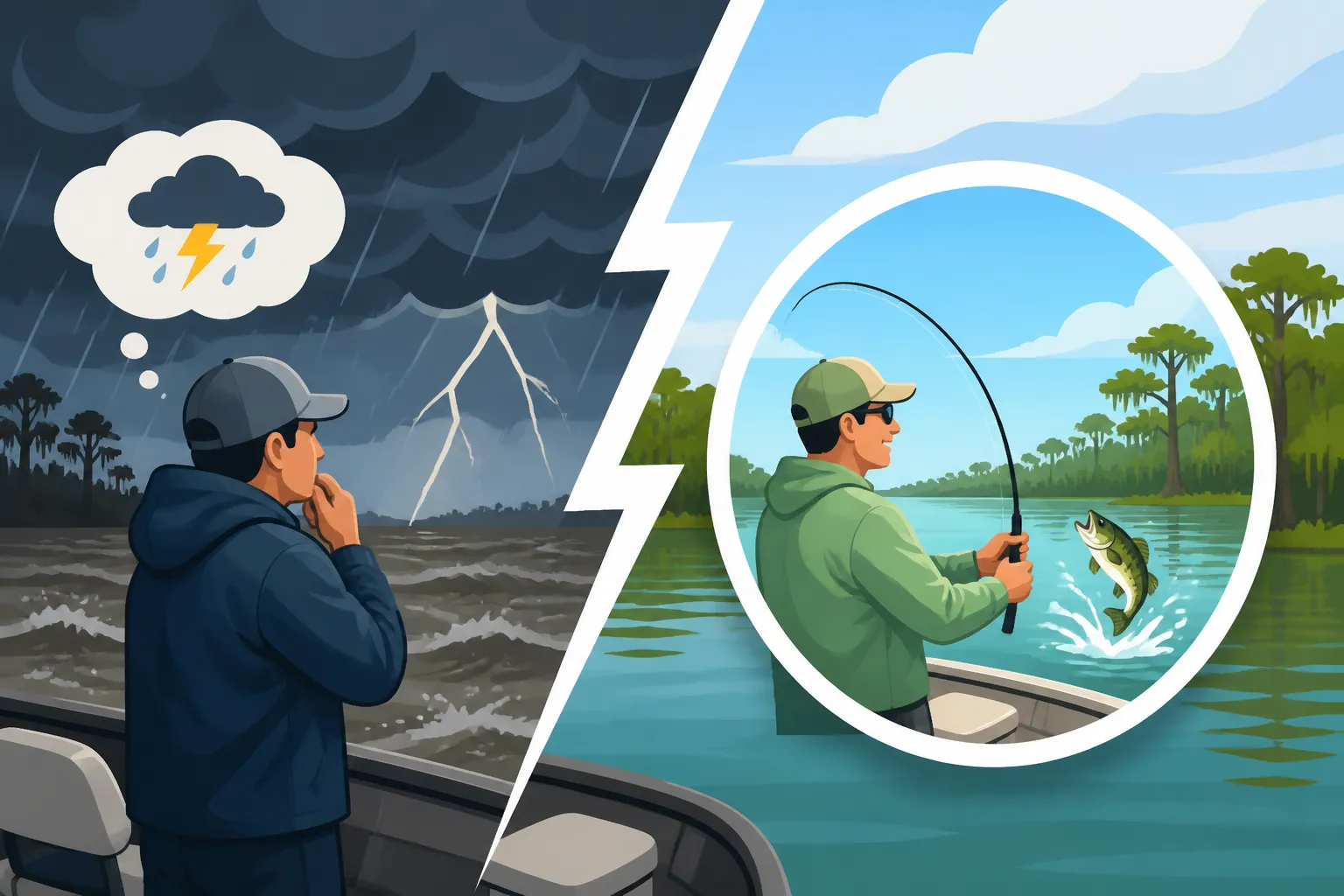
There’s almost nothing worse than looking forward to a long-awaited Mississippi fishing charter, only to wake up to ominous skies or a blustery forecast. The thought of your perfect day on the water being ruined by Mother Nature can be incredibly frustrating and disheartening. This guide is here to walk you through exactly what happens when bad weather strikes on your charter day, what your options are, and how to best navigate those unexpected changes so you can still make the most of your trip.
The Captain's Ultimate Call: Safety on the Water
When it comes to fishing charters, the captain holds the ultimate responsibility for everyone's safety on board. This isn't just a suggestion; it's a fundamental principle of maritime law and good seamanship. Their decision about whether to go out, delay, or cancel a trip due to weather is final, and it's always made with your well-being as the absolute top priority. It might feel like a letdown when a trip is called off, but trust me, no fish is worth putting yourself or others in harm's way.
Why Weather Warrants a Cancellation
It’s easy to look out a window and think, "It doesn't look that bad," but conditions on the open water, especially offshore or in large bays, can be drastically different and much more dangerous than what you see from shore.
Captains are constantly monitoring marine forecasts, radar, and real-time conditions. They're looking for several key indicators that could make a trip unsafe:
- High Winds: Strong winds don't just make for a choppy ride; they can create dangerous waves that overwhelm a boat, make casting impossible, and even cause sea sickness to quickly set in for even seasoned anglers. A mild breeze on land can translate to 2-4 foot waves, or more, once you're out in the Gulf or on a large reservoir like Ross Barnett.
- Lightning and Thunderstorms: This is a no-brainer. Being in a boat on the water during an electrical storm is incredibly risky. Most charters will immediately head for port or delay departure at the first sign of close lightning.
- Dense Fog: Visibility is crucial for safe navigation. Dense fog can make it impossible to see other vessels, navigation markers, or even land, leading to potential collisions or getting lost. This is particularly concerning in busy shipping channels or near coastlines.
- Heavy Rain: While some captains might brave a light drizzle, heavy, sustained rain can drastically reduce visibility, make the deck slippery, and simply make for a miserable and unproductive experience. Combined with wind, it can also lead to hypothermia.
- Rough Seas/Large Swells: Even without high winds, large swells can make a boat roll violently, posing a risk of injury from falls and making it difficult to maintain balance. Deep sea fishing charters often target areas far offshore where these conditions can develop rapidly.
Your captain isn't trying to spoil your fun; they're trying to prevent a bad situation from becoming a dangerous one. They know their vessel, the local waters, and the forecast better than anyone.
Communication from Your Captain
So, when does a captain usually make this tough call, and how will you know? Most reputable charter captains are proactive about communicating weather concerns.
- Advance Notice: For major weather events like hurricanes or tropical storms, you'll likely get a call or text several days in advance, as these are usually well-forecasted.
- The Day Before: For more localized thunderstorms or strong wind forecasts, captains often make a preliminary call the day before your trip. They might say, "Looks like strong winds tomorrow, we'll reassess first thing in the morning." This gives you some warning and allows you to make alternative plans if needed.
- Morning of the Trip: Sometimes, conditions can change rapidly overnight or the forecast wasn't quite accurate. In these cases, the final decision might come just hours before your scheduled departure. A good captain will usually contact you early in the morning, perhaps an hour or two before you'd typically head to the dock, to give you an update. This way, you're not driving all the way out there only to be turned away.
Always make sure your captain has your best contact number and email, and be responsive. Also, don't hesitate to reach out to them the day before if you have concerns about the forecast you're seeing. Clear communication is key for everyone involved. If you booked through a platform like FishingBooker, they often have systems in place to facilitate this communication between you and the captain.
Navigating Rescheduling and Cancellation Policies
Okay, so the trip's off. Now what? This is where understanding the charter's specific policies becomes crucial. Most professional charter services have clear guidelines for weather-related cancellations. While the exact terms can vary, there are some common scenarios you'll encounter.
Typical Charter Cancellation Policies
When a captain cancels a trip due to unsafe weather, it's generally handled in one of two ways, and the choice is usually yours:
- Reschedule: This is often the preferred option for both parties. You get to keep your fishing trip experience, and the captain doesn't lose a booking entirely. If you have flexibility in your travel plans, finding another open slot later in your visit or even a different date in the future is usually the smoothest path. Many charters will work with you to find a mutually agreeable date. It's always a good idea to discuss potential backup dates with the captain as soon as the initial cancellation is made.
- Full Refund: If rescheduling isn't possible – maybe you're only in town for a short vacation, or the captain's schedule is completely booked – you are almost always entitled to a full refund of your deposit or the entire trip cost. This is standard practice when the captain initiates the cancellation due to weather.
It's important to differentiate this from your decision to cancel due to personal reasons, which would typically fall under different terms (often losing your deposit unless sufficient notice is given). When it's a captain's call for safety, you're protected.
What to Expect When Using a Booking Platform
If you used an online platform like FishingBooker to book your charter, their policies often align with the captain's and are designed to protect both parties.
- Clear Policies: These platforms usually display the weather cancellation policy prominently on the charter's listing. This transparency helps you know what to expect upfront.
- Facilitated Refunds/Reschedules: If a cancellation occurs, the platform often helps facilitate the refund process or assists with rescheduling by coordinating with both you and the captain. This can be a huge relief, as you don't have to navigate payment disputes directly.
- Communication Hub: Booking platforms can also serve as a central hub for communication, ensuring that cancellation notices and rescheduling discussions are well-documented and easy to track. This can be especially helpful if there's any ambiguity, though most captains are very straightforward about weather.
Before booking any trip, whether directly or through a platform, it’s always wise to review the Cancellation Policy for Mississippi Fishing Charters to avoid any surprises.
Here's a quick overview of what you might expect:
| Situation | Who Calls It? | Angler's Options | Notes |
|---|---|---|---|
| Unsafe Weather (e.g., severe storms, high seas) | Captain | Reschedule (preferred), Full Refund | Safety is paramount. Captain's decision is final. |
| Unfavorable but Safe Weather (e.g., light rain) | Captain | Proceed with trip, or potentially reschedule/modify (at captain's discretion, policy dependent) | Captain might offer options if fishing is still possible but less comfortable. No guaranteed refund if you cancel if captain deems it safe enough to go. |
| Angler-Initiated Cancellation (non-weather) | Angler | Depends on charter's specific cancellation window (e.g., 48-72 hours notice) | Typically involves forfeiture of deposit if within the cancellation window. Always check your specific charter's rules before booking How to Book a Mississippi Fishing Charter. |
| Captain-Initiated Mechanical Issue | Captain | Reschedule, Full Refund | Similar to weather cancellations, as it's beyond the angler's control and impacts safety/trip viability. |
Considering Alternative Options for Your Fishing Day
Sometimes, a severe storm means all fishing is off the table. Other times, the offshore conditions might be too rough, but the bay or a protected river might still be fishable. Always ask your captain if there are any alternative, safer options they might offer.
For instance, if a deep sea charter is canceled due to rough offshore conditions, an inshore trip targeting speckled trout or redfish in the calmer waters of Biloxi Bay or the Mississippi Sound might still be possible. Some captains might even offer a reduced rate or a shorter trip in these circumstances. It doesn't hurt to ask! Inshore Fishing Charters on the Mississippi Coast can be a great alternative if the open Gulf is too wild.
Making the Most of a Weathered-Out Day in Mississippi
While a canceled charter is a bummer, it doesn't have to ruin your entire day or trip. Mississippi offers plenty of other activities, and sometimes, a slight change of plans can lead to new discoveries.
Exploring Alternative Fishing Spots
If your offshore trip gets called off but the rain isn't torrential and the winds aren't too severe, you might still find some local spots that offer decent fishing.
- Piers and Jetties: The Mississippi Gulf Coast has several public fishing piers that can provide good action, even when conditions are rougher further out. These structures offer some protection and attract a variety of species. Places like the Biloxi Pier or piers in Gulfport and Bay St. Louis can still offer a chance to catch some fish. Just be mindful of lightning and high winds, as piers can be exposed. Check out Best Gulf Coast Piers for Fishing in Mississippi for ideas.
- Bank Fishing: For freshwater enthusiasts, if a lake charter is called off, you might still be able to find some sheltered bank fishing spots. State parks around lakes like Sardis or Grenada often have accessible bank fishing areas. Just ensure conditions are safe and you have the proper Mississippi Fishing License Guide for the area you choose. For something entirely different, you could explore bank fishing opportunities on the Pearl River or other rivers.
- Smaller Lakes and Ponds: Many smaller, more protected lakes and ponds across Mississippi might be less affected by high winds than the large reservoirs. If you're near a smaller community lake, it could be a pleasant alternative for an hour or two of fishing. Don't forget, if you're venturing out on your own, always have your Mississippi Fishing License Guide in order.
Non-Fishing Activities and Local Exploration
Sometimes, the weather simply shuts down all fishing. But Mississippi is rich in history, culture, and natural beauty, offering plenty to do even on a rainy day.
- Gulf Coast Attractions: If you're on the coast, explore the numerous casinos, museums (like the Ohr-O'Keefe Museum of Art in Biloxi), or the Mississippi Aquarium in Gulfport. A casual drive along Beach Boulevard can still be enjoyable, even in light rain, offering views of the Gulf. You could also visit the Maritime & Seafood Industry Museum in Biloxi for a dose of local heritage.
- Inland Discoveries: If you're further inland, consider visiting some of Mississippi's charming small towns, exploring historic sites like Vicksburg National Military Park, or checking out local antique shops. Jackson, the state capital, has several excellent museums, including the Mississippi Civil Rights Museum and the Museum of Mississippi History.
- Dining and Relaxation: A bad weather day is a perfect excuse to sample some of Mississippi's incredible local cuisine. Find a cozy restaurant for some fresh seafood on the coast, or enjoy some classic Southern comfort food further inland. Or, simply relax, read a book, and recharge for hopefully better weather tomorrow.
A weather-induced cancellation is definitely a curveball, but with a little flexibility and knowledge of your options, you can still salvage your day. When booking your next adventure, consider using platforms like FishingBooker, which often streamline the communication and resolution process for unforeseen events like bad weather. Being prepared and understanding policies upfront will make any changes much smoother.
Disclaimer
This article is for general informational purposes only and does not constitute professional advice. Laws, prices and regulations vary by location and change over time. Consult a qualified professional for guidance on your specific situation.