Redfish Size on the Mississippi Coast
There's nothing quite like the thrill of feeling that powerful tug on your line, knowing a redfish is on the other end, fighting with all its might. For many anglers on the Mississippi Coast, targeting redfish is a passion, a dance with one of the most iconic inshore species we have. But the excitement can quickly turn to confusion when you're trying to remember exactly what the rules are for keeping your catch. This guide is here to clear up all that head-scratching about redfish size limits and regulations, helping you confidently enjoy your time on the water without worrying about accidental violations.
Understanding Redfish Size Regulations on the Mississippi Coast
When you're out on the water, whether you're poling through the shallow marshes or casting from a pier, knowing the legal size for a redfish (also known as red drum) is paramount. These regulations aren't arbitrary; they're in place to protect our fish populations and ensure healthy fishing for generations to come. It’s all about sustainable angling, allowing enough fish to reach maturity and spawn.
The Mississippi Department of Wildlife, Fisheries, and Parks (MDWFP) sets these guidelines, and they're crucial for every angler to follow. For redfish, it's not just a minimum size; it's a specific window that you need to be aware of. This concept, often called a "slot limit," is a bit different from just a simple "must be at least X inches" rule, and it's something that often trips up even experienced fishermen if they're not paying close attention. Getting it wrong can lead to some pretty hefty fines, which definitely puts a damper on a great day of fishing.
What is the Redfish Slot Limit?
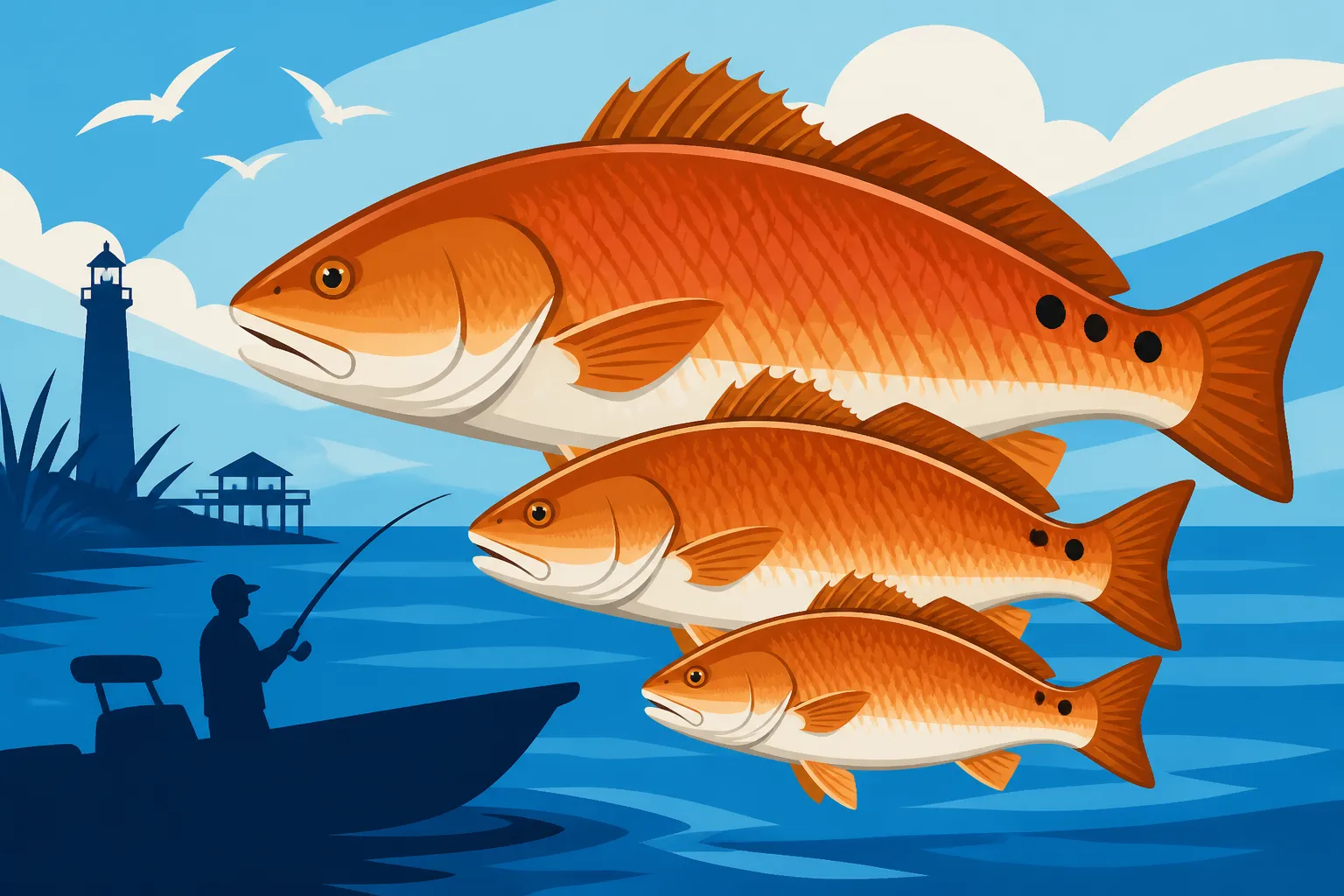
On the Mississippi Coast, redfish are managed with a slot limit. What does that mean exactly? Well, instead of just a minimum length, there's also a maximum length. This means you can only keep redfish that fall within a specific size range. The idea behind a slot limit is to protect the younger, rapidly growing fish, giving them a chance to mature and reproduce, and also to protect the very large, older "bull reds" which are often the most prolific spawners. These big breeders are essential to the health of the fishery.
Currently, the slot limit for redfish along the Mississippi Coast typically falls between a certain minimum and maximum length. For instance, a common regulation might be something like "16 to 30 inches total length." This means if you catch a redfish shorter than 16 inches, you have to release it. If you catch one longer than 30 inches, that's a "bull red," and you also have to release it. Only the fish within that 16-to-30-inch window are legal to keep. Always double-check the most current regulations before heading out, as these numbers can occasionally be adjusted by the MDWFP. You can often find a current summary in the Mississippi Fishing Regulations Explained guide.
This system is a smart way to manage the population. The smaller fish get to grow up, and the larger, more mature fish get to continue contributing to the next generation of redfish. It's a win-win for the ecosystem and for anglers who want to keep catching these fantastic fish for years to come.
Daily Bag Limits and Possession
Beyond the slot limit, there's also a daily bag limit that dictates how many legal-sized redfish you can actually bring home. This limit applies per person, per day. For example, the bag limit might be three redfish per person, per day, within the legal slot. This means even if you catch ten redfish within the slot, you can only keep three of them. The others must be released unharmed.
It's also important to understand the possession limit, which sometimes differs from the daily bag limit, especially if you're on a multi-day trip. The possession limit refers to the total number of fish you can have in your cooler, on your boat, or at your camp at any given time. Often, the possession limit is simply the daily bag limit. However, if you're on a longer trip and returning to a dock, there might be specific rules about how many limits can be in your possession. This is less common for typical day trips but is good to be aware of for extended adventures.
Always remember that these limits are in place for a reason. Overfishing can quickly deplete a species, and by adhering to both the slot and bag limits, you're playing a crucial role in conservation. It's a collective effort to keep our waters vibrant and full of fish. If you're planning a trip, be sure to consult Mississippi Fishing Creel and Size Limits for the latest official numbers.
Factors Influencing Redfish Size and Growth
Redfish don't just magically appear at a certain size; their growth is influenced by a multitude of environmental and biological factors. Understanding these elements can give you a better appreciation for the fish you're targeting and even help you anticipate where you might find bigger reds.
The Mississippi Gulf Coast offers a rich tapestry of habitats, from expansive open bays to intricate marsh systems and tidal creeks. Each of these environments plays a role in how well redfish grow. A healthy ecosystem translates directly into healthier, larger fish. It's a complex interplay of food, space, and environmental conditions that shapes the life of every redfish.
Habitat and Food Availability
The availability of food is, of course, a huge factor in how quickly and how large a redfish will grow. Redfish are opportunistic predators, and the Mississippi Coast's estuaries and marshlands are teeming with their preferred forage. Think about the shrimp, crabs, and smaller baitfish like mullet and menhaden that thrive in these waters. Areas with abundant grass beds, oyster reefs, and muddy bottoms are essentially redfish buffets.
Younger redfish, often called "puppy drums," will spend their early lives in these protected, food-rich shallow waters, like the back bays and tidal creeks, where they can grow rapidly without too much competition. As they get larger, they might move to more open areas, like the Mississippi Sound, seeking larger prey and deeper water. The sheer productivity of our Gulf Coast ecosystems means that redfish generally have plenty to eat, allowing them to pack on the pounds. This rich environment is a key reason why we see such robust redfish populations in Mississippi. Learning about Redfish Diet and Feeding Habits can certainly give you an edge in finding them.
Age and Spawning Cycles
Like most fish, redfish grow throughout their lives, but their growth rate can vary. Typically, a redfish will grow rapidly in its first few years, easily reaching the lower end of the slot limit. By the time they hit the upper end of the slot, they are generally mature and actively spawning. The really big "bull reds" that are over the slot limit are typically older fish, sometimes ten years or more, and they are incredibly important for reproduction.
Redfish tend to spawn in the late summer and fall in the passes and nearshore waters of the Gulf. These massive spawning aggregations are why protecting the larger fish through the slot limit is so critical. Allowing these big breeders to continue their cycle ensures that there will be a constant influx of new redfish into the system. It’s a delicate balance, and knowing that the fish you release might be contributing to future generations adds a layer of satisfaction to the catch-and-release experience.
Environmental Factors
Beyond food and age, environmental factors significantly influence redfish growth and distribution. Water temperature is a primary driver. Redfish are warm-water fish, and while they can tolerate a range of temperatures, prolonged cold snaps can slow their metabolism and growth, or even cause winter kills in shallow waters if temperatures drop too low. Conversely, consistently warm temperatures with ample food allow for faster growth.
Salinity levels also play a role. Redfish are euryhaline, meaning they can tolerate a wide range of salinities, from almost fresh water in the upper reaches of estuaries to full-strength saltwater in the Gulf. However, extreme fluctuations, such as prolonged freshwater inundation from heavy rains or droughts that lead to hypersalinity, can stress the fish and impact their health and growth. The health of the entire coastal ecosystem, including the seagrass beds and oyster reefs, directly impacts the redfish, as these habitats serve as nurseries and feeding grounds. You might also want to explore Best Spots to Catch Redfish on the Mississippi Coast for locations where these environmental factors are favorable.
Practical Tips for Measuring and Handling Redfish
So, you've hooked a beautiful redfish, and it's time to determine if it's a keeper. This is where careful measuring and proper handling come into play. It’s not just about avoiding a ticket; it's about treating the fish with respect, whether you plan to keep it or release it. A poorly handled fish, even if released, might not survive.
Having the right tools and knowing the correct technique for measuring and releasing are essential skills for any responsible angler. It reduces stress on the fish and ensures you're complying with the law, making for a much more enjoyable fishing trip.
Accurate Measuring Techniques
Measuring a redfish correctly is crucial to determine if it falls within the legal slot. Here’s how you do it:
- Lay the Fish Flat: Gently lay the fish on its side on a flat surface, such as a measuring board or a cooler with a measuring tape attached. Make sure the fish is not bent or curved, which can give an inaccurate reading.
- Close the Mouth: Push the fish's mouth closed. The measurement is taken from the tip of the nose (snout) to the tip of the tail.
- Squeeze the Tail: The tail fin of a redfish can be spread or pinched together. For redfish, the "total length" measurement requires you to pinch the tail together to get the maximum length. This is a common point of confusion, so remember to squeeze the tail.
- Read the Measurement: Read the length at the very end of the pinched tail.
Having a reliable measuring board is key. You can find excellent, durable measuring devices on Amazon that are perfect for boat or pier use. These usually have a raised end to butt the fish's nose against, ensuring accuracy. Always measure twice if you're unsure, especially if it's a borderline fish. When in doubt, let it go.
Catch and Release Best Practices for Oversized Fish
More often than not, especially if you're targeting those powerful "bull reds," you'll encounter fish that are over the slot limit and must be released. Releasing a fish properly is just as important as catching it, if not more so. Here are some best practices:
- Minimize Handling Time: The less time the fish is out of the water, the better. Have your measuring device, camera (if you plan to snap a quick photo), and release tools ready.
- Handle with Wet Hands: If you must touch the fish, wet your hands first. This helps protect their slime coat, which is a vital defense against infection.
- Support the Fish Horizontally: If lifting the fish for a photo, support its body horizontally with one hand under the belly and the other gripping the lower jaw (without putting pressure on the gills). Avoid holding large fish vertically by the jaw or gills, as this can cause internal damage.
- Use Circle Hooks: Whenever possible, use circle hooks, especially if fishing with natural bait. Circle hooks dramatically increase the chance of a jaw hookup, reducing gut hooking and making release much easier.
- Cut the Line: If a fish is deeply gut-hooked and you can't easily remove the hook without causing more damage, cut the line as close to the hook as possible. Stainless steel hooks will eventually corrode and fall out.
- Revive the Fish: If the fish seems sluggish, hold it gently in the water, facing into the current (if any), and move it back and forth to force water over its gills until it regains strength and swims off on its own.
Practicing responsible catch and release not only respects the fish but also helps conserve the fishery, allowing those big breeders to continue their vital role. Learning Redfish Fishing Techniques on the Gulf Coast can often incorporate these best practices.
Essential Gear for Responsible Angling
Having the right gear makes a world of difference in your ability to measure and handle redfish responsibly. A few key items can significantly improve your success rate and the well-being of the fish:
- Measuring Board or Tape: As mentioned, a dedicated measuring board is ideal. Many tackle boxes or boat coolers come with integrated measuring tapes, which are also very handy. Make sure it's clearly marked and easy to read.
- Pliers or Hook Removers: Long-nosed pliers or specialized hook removers are essential for quickly and safely extracting hooks, especially when they're deep in the fish's mouth. These tools help you avoid putting your fingers too close to sharp hooks or the fish's teeth. Brands like Amazon Basics offer affordable and functional options.
- Landing Net: A rubberized landing net is far superior to traditional nylon nets. Rubber nets are gentler on the fish's slime coat and fins, reducing injury, and they are less likely to tangle hooks, making the release process smoother.
- Gloves: Some anglers prefer to use fishing gloves for better grip on slippery fish and for protection against fin spines, gill plates, and hooks.
- Camera: If you plan on taking a picture, have your camera or phone easily accessible so you can snap a quick shot and get the fish back in the water promptly.
Investing in these few pieces of gear will not only make your fishing trips more efficient but also ensure that you're an ethical and responsible angler contributing to the health of Mississippi's redfish population.
Beyond the Slot: What to Do with a Keeper
So, you’ve measured your redfish, and it falls perfectly within the legal slot. Congratulations! Now what? Whether you’re preparing it for the table or simply enjoying the moment, there are a few things to consider.
Catching a legal redfish is a reward for your patience and skill. These fish are known not just for their fighting spirit but also for their delicious taste. Knowing how to properly handle your catch from the moment it leaves the water until it's ready for cooking ensures the best quality for your meal.
Preparing Your Catch
Once you've decided to keep a legal redfish, proper care immediately after the catch is crucial for maintaining its freshness and flavor.
- Icing Down: The absolute best thing you can do for your fish is to get it on ice as quickly as possible. A cooler full of ice (a mixture of ice and water is even better for quick chilling) will rapidly lower the fish's body temperature, preventing spoilage and maintaining the quality of the meat. Don't just toss it in a dry cooler; direct contact with ice is key.
- Bleeding (Optional but Recommended): Some anglers choose to bleed their fish immediately after catching them. This involves making a small cut behind the gills to allow the blood to drain. Bleeding can significantly improve the taste and appearance of the fillets, especially for larger fish, as it removes much of the blood that can impart a "fishy" flavor.
- Filleting or Grilling Whole: Redfish are incredibly versatile in the kitchen. They have firm, white, flaky meat that's excellent grilled, baked, fried, or blackened. Many people love to cook smaller redfish whole, especially on the grill, while larger ones are typically filleted. Always refer to local regulations regarding fish cleaning stations and disposal of carcasses, as there can be specific rules to follow, sometimes covered in Mississippi Fish Cleaning Station Rules.
Remember, the goal is not just to catch fish, but to respectfully utilize the fish you keep. Proper preparation is the final step in this process.
The Thrill of the Bull Red
While the slot limit is designed to encourage harvest of medium-sized, reproductively active but not primary breeding redfish, there’s an undeniable allure to catching those colossal bull reds. These magnificent fish, often weighing in at 20, 30, or even 40 pounds, are true giants of the inshore waters. They represent years of survival and countless spawning cycles.
Catching a bull red is an incredible experience – they pull hard, make long runs, and test your tackle and your stamina. However, remember that any redfish over the maximum slot limit must be released. It's a testament to good conservation practices that these impressive fish are protected. For many anglers, the fight is the prize, not the fillet. Taking a quick photo, carefully reviving the fish, and watching it swim away strong is a profound and rewarding moment. Best Bait for Big Bull Redfish is a great resource if you're specifically targeting these giants for the pure thrill of the catch. These experiences, combined with responsible angling, ensure that the Mississippi Coast remains a premier destination for redfish enthusiasts.
Disclaimer
This article is for general informational purposes only and does not constitute professional advice. Laws, prices and regulations vary by location and change over time. Consult a qualified professional for guidance on your specific situation.