Freshwater Drum Uses and Table Quality
It's a common story in Mississippi. You're out fishing, reeling in what feels like a solid bite, and when it finally breaks the surface, you see that familiar, deep-bodied, silvery fish with the downturned mouth. "Ah, just a drum," you might sigh, or perhaps even an exasperated, "A gaspergou again!" Many anglers in our great state tend to overlook the freshwater drum, often seeing it as nothing more than a nuisance or, at best, a baitfish. But this perception couldn't be further from the truth! This guide is here to shed light on the often-misunderstood freshwater drum, revealing its surprising culinary qualities and other valuable uses, proving it's far more than just another "trash fish" in Mississippi waters.
What Exactly Is a Freshwater Drum?
Before we dive into how you can best utilize these often-underestimated fish, let's first get to know them a little better. The freshwater drum, sometimes known by local names like "gaspergou" or "sheephead" (though it's not actually related to the saltwater sheepshead), is a native freshwater fish that is incredibly abundant across many parts of Mississippi. Its widespread presence means you've likely encountered it more than once, even if you weren't actively targeting it.
Identifying the Peculiarities of the Drum
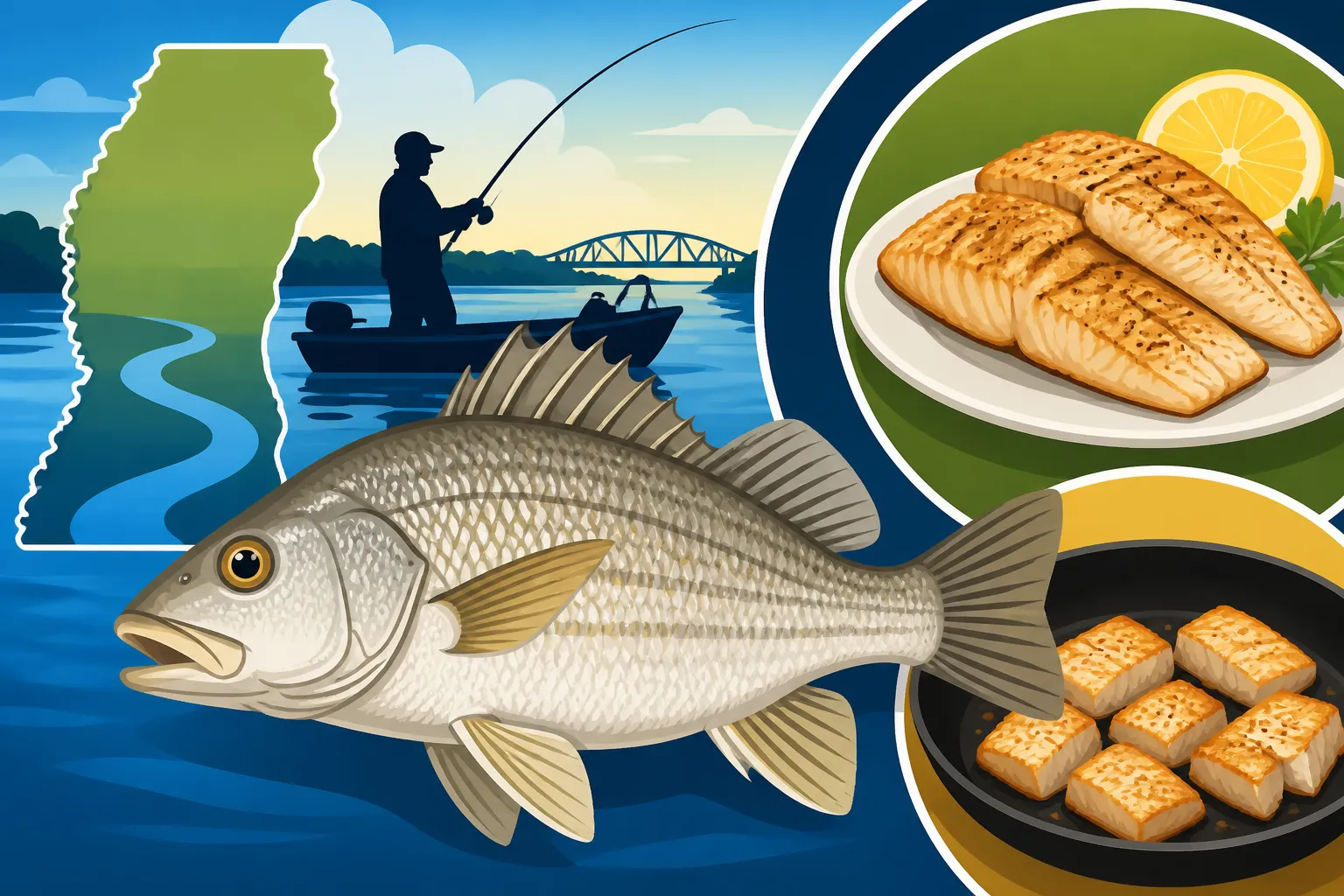
The freshwater drum (scientific name Aplodinotus grunniens) has a very distinctive look that helps it stand out, even if not always for the reasons anglers might prefer. Typically, they have a deep, laterally compressed body, meaning they're tall and thin. Their coloration is usually a silvery-gray or brownish-silver, often with a white belly. One of their most noticeable features is their high, arched back and a mouth that points slightly downwards, which is perfectly adapted for bottom-feeding. They also have a long dorsal fin and a rounded tail fin.
What makes them truly unique, though, are their otoliths, often called "lucky stones." These are ear bones found in their heads, which are surprisingly large and have a distinct "L" shape. Many anglers save these as curiosities or good luck charms. They are an ancient species, and you can learn more about their biology in articles like Freshwater Drum Identification and Habits.
When you're out on the water, whether it's the Mississippi River Fishing Guide or one of our larger reservoirs, recognizing a drum quickly can help you decide how you want to handle your catch. Knowing what you've got in your hands is the first step to appreciating this hardy fish.
Where You'll Find These Bottom Dwellers
Freshwater drum are incredibly adaptable and can be found in a wide range of aquatic environments throughout Mississippi. They thrive in large rivers, reservoirs, and even some larger lakes. You'll often find them preferring turbid (cloudy) waters, deeper channels, and areas with soft bottoms composed of mud, sand, or gravel, where they can forage for their favorite foods.
They are bottom feeders, using that unique downward-pointing mouth to suck up insects, small crustaceans like crayfish, mussels, and other invertebrates from the substrate. This feeding habit is precisely why they're so often caught incidentally by anglers targeting catfish or other bottom-dwelling species. If you're fishing a deep hole on the Pearl River or working a channel edge in the Ross Barnett Reservoir, chances are good you'll run into a drum. They are truly one of the most common Mississippi Freshwater Fish Species Guide you'll encounter.
Their presence indicates a healthy ecosystem, as they play a crucial role in the food web. So, while they might not be as glamorous as a largemouth bass, they are certainly a vital part of Mississippi's aquatic landscape.
Common Misconceptions Anglers Hold
It's unfortunate, but a lot of the stigma around freshwater drum comes from widespread misconceptions. Many anglers immediately write them off as a "trash fish" or believe they taste inherently "muddy." These beliefs often stem from outdated information or experiences with poorly handled fish.
One common misconception is that drum are sluggish fighters. Anyone who has hooked a decent-sized drum knows this isn't true! They pull hard, often make strong runs, and deliver powerful headshakes, providing an exhilarating fight on appropriate tackle. You'll feel every ounce of their determination on the other end of your line.
Another big one is the "muddy taste" myth. This can sometimes be true, but it’s often due to environmental factors (like catching them from warm, stagnant, muddy water) or, more commonly, improper handling and cleaning. Just like any fish, if you don't take care of it immediately after catching, its table quality will suffer. We'll dive much deeper into how to avoid this later in this guide, but for now, understand that these are often myths born of misunderstanding, not inherent flaws in the fish itself.
Using Freshwater Drum: Beyond the Catch
Alright, let's get to the good stuff: transforming that "gaspergou" into a gourmet meal. This is where the freshwater drum truly shines, defying expectations and delighting palates. The key, like with many fish, lies in proper handling, cleaning, and cooking.
Unpacking the Table Quality Debate
The burning question for many is: Is Freshwater Drum Good to Eat? The short answer is a resounding YES, when handled correctly. The meat of a freshwater drum is white, flaky, firm, and has a mild, sweet flavor, very similar to red snapper or even cod. It holds up exceptionally well to various cooking methods, making it quite versatile.
The "muddy" taste often associated with drum primarily comes from a few factors:
- Water Quality: Fish caught from genuinely stagnant, overly warm, or heavily polluted waters might indeed have an off-flavor, regardless of species. This is why choosing your fishing location matters. Fish from cooler, cleaner, flowing waters like river channels or deep lake basins tend to have superior flavor.
- Size: Larger, older drum can sometimes develop a stronger, fishier flavor due to accumulating more compounds from their diet over time. Smaller to medium-sized drum (say, 1-3 pounds) are generally considered to have the best table quality.
- Handling: This is perhaps the most critical factor. Like many fish, drum meat deteriorates quickly in warm temperatures. Getting your drum on ice immediately after catching is paramount. Bleeding the fish out (by cutting the gills) and submerging it in an ice bath will significantly improve its flavor and texture, washing away any residual blood that can impart a strong, "fishy" taste. Many anglers carry a dedicated cooler for their catch, readily available on platforms like Amazon, ensuring their fish stays cold from the moment it leaves the water.
By being mindful of these points, you'll find that freshwater drum can be an unexpectedly delicious addition to your dinner plate.
Cleaning and Preparing Your Catch for the Plate
Proper cleaning is where many turn away from the drum, but it's really not much harder than cleaning a catfish, and in some ways, it's easier because they don't have those sharp spines. The key to ensuring excellent table quality is to remove the lateral line, a reddish, sometimes greyish, strip of meat that runs along the side of the fish, just under the skin. This lateral line is often responsible for any strong or "muddy" flavors.
Here’s a general approach:
- Filleting: Start by filleting the drum as you would a bass or crappie. Make a cut behind the gill plate, down to the backbone, and then turn your knife flat to run it along the backbone towards the tail. Peel the fillet off.
- Skinning: Drum have fairly tough scales, so skinning the fillet is usually preferred over scaling. Lay the fillet skin-side down, hold the tail end, and run your knife at a shallow angle between the meat and the skin.
- Removing the Lateral Line: Once you have a skinless fillet, you'll clearly see the lateral line. It's a darker strip of meat that runs lengthwise through the center of the fillet. Simply use your knife to cut this section out. You can also trim off any belly fat or dark spots.
What you're left with is pure, white, firm meat that's ready for cooking. Investing in a good filleting knife, easily found on Amazon, can make this process much smoother and more efficient. Think of it as a small extra step that pays huge dividends in flavor.
Cooking Methods to Bring Out the Best
Once you have those clean, skinless, lateral-line-free fillets, the culinary possibilities are wide open. The firm, flaky texture of drum meat holds up well to various cooking methods.
Here are a few popular and delicious ways to prepare freshwater drum:
- Pan-Frying: This is a classic for a reason. Dredge the fillets in seasoned flour or cornmeal (I love a blend with a little garlic powder, paprika, and cayenne for a kick!). Fry them in hot oil (vegetable, peanut, or even butter for extra richness) until golden brown and flaky. This method creates a crispy crust and a tender, moist interior.
- Baking or Broiling: For a healthier option, drum fillets bake beautifully. Place them on a baking sheet, drizzle with olive oil, season with lemon pepper, dill, and a touch of salt. Bake at a moderate temperature (around 375°F or 190°C) until the fish flakes easily with a fork. Broiling works just as well for a quick cook and a slightly crisper top.
- Grilling: If you enjoy grilling, drum fillets are substantial enough to hold together on the grates. Marinate them briefly in your favorite citrus-herb marinade, then grill over medium-high heat. The smoky flavor from the grill complements the mildness of the fish perfectly.
- Fish Tacos: The firm, white meat of the drum makes it an ideal candidate for fish tacos. You can pan-fry or grill the fillets, then flake them into warm tortillas with your favorite toppings like cabbage slaw, salsa, and a creamy sauce.
The key is not to overcook the fish. Drum cooks relatively quickly, so keep an eye on it until it's just opaque and flakes easily. Don't be afraid to experiment with your favorite seafood seasonings; they'll likely enhance the drum's natural flavor.
Fishing for Freshwater Drum in Mississippi
Catching freshwater drum can be a lot of fun, and they offer a strong fight that will test your tackle and technique. They’re readily available, making them an excellent target for a casual outing or when you want to put some delicious fish in the cooler.
Simple Techniques to Hook a Drum
Drum are not particularly finicky eaters, which makes them quite accessible to anglers of all skill levels. Because they are primarily bottom feeders, techniques that put your bait on or near the bottom will be most effective.
- Bottom Fishing with Natural Baits: This is arguably the most consistent method. Worms (nightcrawlers, red wigglers), pieces of cut bait (shad, minnows), and even crayfish are all excellent choices. A simple Carolina rig or a slip sinker rig with a circle hook will present your bait naturally on the bottom. The drum will often pick up the bait and move off slowly before you feel the distinct thump-thump-thump of their headshakes.
- Jigging: While less common for drum, vertical jigging with heavier jigs tipped with soft plastics or live bait can also entice them, especially if you locate schools on your fish finder.
- Patience is Key: Drum can be subtle biters at times, so don't be too quick to set the hook at the first nibble. Let them take the bait for a moment before reeling into the fish. These techniques are quite similar to those used for Catfish Fishing Techniques, so if you're already familiar with those, you're in good shape.
Remember, drum will take almost anything that smells good and stays on the bottom, so don't overthink your bait choice.
Prime Locations to Target Drum in Mississippi
As mentioned earlier, drum are widespread, so you probably don't have to go far to find them. However, certain areas are more productive than others, especially if you're looking for larger specimens or a good number for the table.
- Large Rivers: The Mississippi River itself is teeming with drum, particularly in its deeper channels, eddies, and bends. The Pearl River and Pascagoula River also hold healthy populations. Look for areas with slower currents adjacent to faster flows.
- Major Reservoirs: Lakes like Ross Barnett, Sardis, Grenada, and Pickwick are all excellent spots. Focus on main lake channels, deeper humps, and the mouths of larger creeks where they meet the main body of water. Drum often congregate around submerged structure like old riverbeds or brush piles. Check out our Best Fishing Spots in Mississippi for more detailed information on specific locations.
- Lake Washington and Eagle Lake: These oxbow lakes, connected to the Mississippi River at times, can also be productive, especially in their deeper sections.
Drum often move in schools, so if you catch one, it's a good bet there are more in the immediate vicinity. Keep your bait in the water!
Gear Considerations for Drum Anglers
While you don't need highly specialized gear for drum, having the right setup can make the fight more enjoyable and improve your success rate.
- Rod and Reel: A medium to medium-heavy spinning or baitcasting combo is ideal. Drum are strong fighters, so you'll want something with a good backbone. A 7-foot rod with a fast action will give you the power to set the hook and control the fish, while still having enough sensitivity to feel those subtle bites. You can find a wide array of durable rods and reels suitable for drum on Amazon.
- Line: Opt for a monofilament line in the 10-15 lb test range or braided line of similar strength (20-30 lb test equivalent). Braided line offers excellent sensitivity, which can be a real asset when targeting bottom feeders.
- Hooks and Sinkers: Circle hooks in sizes 1/0 to 3/0 are great for drum, as they tend to hook the fish in the corner of the mouth, making for easier release if you're not keeping them, and better hookups when they're mouthing the bait. Assorted sinkers, including egg sinkers or no-roll sinkers for current, will be essential for keeping your bait on the bottom. Having a well-stocked tackle box, perhaps one you ordered from Amazon, with a variety of hooks and weights will serve you well.
- Net: A landing net is always a good idea, especially for larger drum, to ensure a safe landing and to prevent losing your catch at the boat or bank.
Don't underestimate the fight a drum can put up; they'll test your gear!
Dispelling Myths and Embracing the Drum
It's time we collectively give the freshwater drum the respect it deserves. It’s more than just a bycatch; it’s a robust, entertaining, and delicious game fish that thrives in Mississippi's waters.
Why the Freshwater Drum Gets a Bad Rap
The drum's poor reputation is largely a historical artifact, often stemming from comparisons to more "glamorous" game fish like bass and crappie. Its bottom-feeding habits, appearance (which some consider less aesthetically pleasing than other fish), and the "gaspergou" nickname (which doesn't exactly sound appetizing) have all contributed to its undeserved status.
Many anglers were taught to view them as trash fish by previous generations, who perhaps didn't understand the nuances of proper handling and preparation. It's a shame, because while everyone loves catching a trophy bass, ignoring a perfectly good drum simply because of a bad rap means missing out on a truly enjoyable fishing and eating experience. We need to move past these outdated notions and evaluate each fish for its true merits.
Ecological Role and Underrated Value
Beyond the dinner plate, the freshwater drum plays a crucial role in our aquatic ecosystems. As omnivorous bottom feeders, they help to keep insect and mollusk populations in check. Their presence is a sign of a healthy and diverse fishery. They are incredibly resilient and can adapt to various conditions, further testament to their value.
For anglers, their value is multi-faceted:
- Accessibility: They're abundant and relatively easy to catch, making them perfect for beginners, kids, or when other species aren't biting.
- Fight: As discussed, they offer a powerful, spirited fight that can surprise even experienced anglers.
- Table Fare: When properly handled, their table quality rivals many more sought-after species. It's a fantastic, sustainable protein source.
Embracing the drum means appreciating the full spectrum of fishing opportunities that Mississippi offers.
The Joys of Catching and Consuming Drum
There's a unique satisfaction in catching a fish that many others overlook, bringing it home, and preparing it into a delicious meal that surprises even the skeptics. Imagine the look on your friends' faces when you tell them the amazing fish tacos they just devoured were made from a "gaspergou"!
The journey from hook to plate with a freshwater drum is a testament to the fact that good things often come in unexpected packages. So, the next time you feel that familiar tug on your line and pull up a freshwater drum, don't let those old misconceptions win. Take the time to properly care for your catch, clean it meticulously, and cook it with care. You might just discover a new favorite fish to target and eat, right here in the heart of Mississippi. Who knows, you might even find some specialized seasonings or cooking tools for your next drum feast on Amazon.
| Aspect | Traditional View (Often Misleading) | Reality (With Proper Handling & Preparation) |
|---|---|---|
| Taste | Muddy, strong, fishy | Mild, sweet, clean, similar to snapper |
| Texture | Soft, mushy | Firm, flaky, holds up well to cooking |
| Fight | Sluggish, no fun | Strong, powerful, head-shaking, exciting |
| Effort | Not worth the cleaning | Requires a bit of extra trimming, but easy |
| Overall Value | "Trash fish," only good for bait | Excellent table fare, sporting fish, abundant |
Disclaimer
This article is for general informational purposes only and does not constitute professional advice. Laws, prices and regulations vary by location and change over time. Consult a qualified professional for guidance on your specific situation.