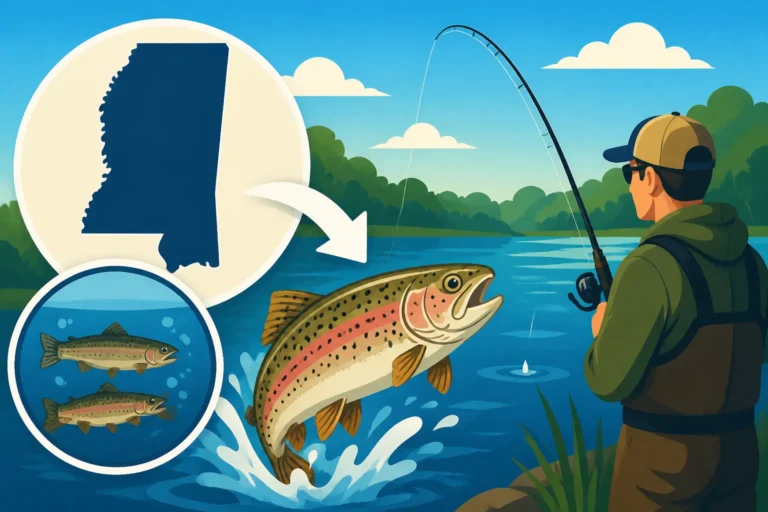
Why Silver Carp Jump Out of the Water
There's nothing quite like a peaceful day out on the water, rod in hand, enjoying the tranquil beauty of Mississippi's rivers and lakes. That is, until you're suddenly dodging airborne fish, sometimes weighing dozens of pounds, leaping out of the water at startling speeds! This phenomenon, often associated with Silver Carp, can be a real shocker and even a safety concern for unsuspecting anglers and boaters. If you've ever wondered why these fish seem to have a penchant for aerial acrobatics and what it means for your time on the water, you're in the right place. This guide will dive deep into the fascinating, albeit sometimes frightening, reasons behind the Silver Carp's famous leaps and what you can do to stay safe and enjoy your fishing adventures in Mississippi.
The Silver Carp Phenomenon: What Are We Even Talking About?
When we talk about fish jumping out of the water in Mississippi, especially with any real force or frequency, more often than not, we're discussing Silver Carp. These aren't your typical local bass or crappie making a playful splash. Silver Carp are an invasive species, and their unique behavior has made them quite infamous among those who recreate on our waterways. Understanding what they are and where they come from is the first step to understanding their peculiar jumping habit.
Identifying the Silver Carp
Silver Carp, along with other Asian carp species, were originally imported to the United States in the 1970s to help control algae in aquaculture ponds and wastewater treatment facilities. Unfortunately, floods and escapes eventually led to their introduction into the Mississippi River basin, where they have since thrived and spread. They're easily identifiable by their silver scales, large heads, and eyes that are set low on their heads, almost below the midline of their bodies. They can grow quite large, with adults commonly reaching lengths of 2 to 3 feet and weighing anywhere from 20 to 60 pounds, though larger specimens have been caught. Imagine a fish of that size rocketing out of the water right at you!
Unlike many native fish that actively hunt prey, Silver Carp are filter feeders. They consume phytoplankton and zooplankton, which puts them in direct competition with native species like gizzard shad, paddlefish, and even juvenile sport fish for food resources. This feeding strategy is part of why they can grow so quickly and in such large numbers, further exacerbating their impact on our aquatic ecosystems. Their rapid reproduction and lack of natural predators in our waters allow them to dominate, altering the food web and outcompeting beloved game fish. If you're keen to learn more about these fish, you might find What a Silver Carp Is and Why It's a Problem to be a helpful read.
Where Silver Carp Are Found in Mississippi
While Silver Carp originated further up the Mississippi River system, they have progressively moved downstream and are now firmly established in many of Mississippi's major river systems and connecting waterways. The Mississippi River itself is a primary highway for these fish, allowing them to disperse into tributaries and floodplains. They are particularly prevalent in the lower Mississippi River and its connected backwaters and oxbow lakes, as well as portions of the Yazoo River basin and other large river systems that flow into the Gulf of Mexico.
Boaters and anglers on these major arteries are the most likely to encounter jumping Silver Carp. Areas with significant boat traffic, where the fish are more frequently startled, tend to be hotbeds for these aerial displays. While they prefer large, open riverine habitats, their ability to survive in a variety of conditions means that they can be found in a surprisingly wide range of environments. Their presence is a stark reminder of the challenges posed by Invasive Fish Species in Mississippi and the ongoing efforts needed to manage them. For those fishing specific locations, understanding the local populations of these fish is crucial for both safety and fishing strategy.
The Science Behind the Leap: Why Do They Jump?
It’s not just for show, I promise! The jumping behavior of Silver Carp isn’t random; it's a deeply ingrained physiological response that has evolved over time. While it might seem chaotic to us, there's a method to their madness, driven by survival instincts and unique biological adaptations.
Startle Response and Predation Avoidance
The most widely accepted theory behind the Silver Carp's jumping is a heightened startle response, primarily triggered by sudden, low-frequency vibrations in the water. In their native habitats in Asia, these vibrations might come from large predators, like river dolphins or large predatory fish. By leaping out of the water, the fish might be attempting to escape an immediate threat or disorient a predator. It’s a very effective, if somewhat extreme, defense mechanism.
When a boat, especially one with an outboard motor, moves through the water, it generates strong underwater vibrations. To a Silver Carp, these vibrations mimic the sound and feel of a large predator. Instead of swimming away or diving deeper like many native fish, their instinct is to launch themselves upwards, often in groups. This isn't a conscious decision; it's a reflex, a panicked reaction to perceived danger. Think of it like a sudden loud noise making you jump – for a Silver Carp, the vibration of a boat motor is that loud noise, amplified. For an interesting read on the issues surrounding these fish, check out Are Asian Carp in the Mississippi River Dangerous?.
Sound Sensitivity and Boat Traffic
Silver Carp possess incredibly sensitive hearing, especially to low-frequency sounds, which is directly linked to their jumping behavior. This heightened auditory sensitivity allows them to detect even faint vibrations from a considerable distance. The thrumming of a boat engine, whether it's a small trolling motor or a powerful outboard, creates just the right kind of acoustic disturbance to trigger their escape response.
This is why you often see the most dramatic jumping displays in areas with heavy boat traffic, such as popular fishing spots or busy stretches of the Mississippi River. As boats pass, a chain reaction can occur, with fish jumping not only directly in the boat's path but also to the sides, seemingly in a frantic attempt to get away from the perceived threat. This can create a truly bizarre and potentially dangerous scenario for anyone on the water. When you're out there, whether you're fishing on the Mississippi River Fishing Guide or another body of water, being aware of this sensitivity can help you anticipate their reactions.
The Impact of Jumping Silver Carp on Anglers and Boaters
Beyond the sheer surprise of seeing a fish fly, the jumping behavior of Silver Carp poses legitimate challenges and concerns for anyone enjoying Mississippi's waterways. It's not just a quirky phenomenon; it has real implications for safety and the overall recreational experience.
Safety Concerns for Recreational Users
The most pressing concern with jumping Silver Carp is the risk of injury. A fish weighing 20, 30, or even 50 pounds, traveling at speed, can cause significant damage if it collides with a person or equipment. I've heard stories, and seen videos, of anglers suffering broken noses, black eyes, concussions, and even broken bones from direct hits. It's a serious risk, particularly for those in small boats, kayaks, or canoes where there's less protection. Children are especially vulnerable due to their smaller stature.
Imagine you're cruising along on your boat, enjoying the breeze, when suddenly a fish leaps directly into your face. The impact can be jarring and painful. Beyond direct injury, there's also the risk of being startled and losing control of your boat, especially if you're navigating tricky waters. It's truly a unique hazard that requires boaters and anglers to remain vigilant in affected areas. Considering the potential for unexpected collisions, wearing appropriate safety gear, even in calm waters, becomes increasingly important. Many anglers even consider purchasing protective eyewear or even a light helmet, items easily found on platforms like Amazon, for these specific waters.
Nuisance and Environmental Impact
Beyond personal safety, the constant jumping can also be a significant nuisance, detracting from the peaceful experience many seek on the water. It can disrupt fishing, make boating less enjoyable, and even damage equipment. A large fish hitting your boat, motor, or fishing gear can leave dents, scratches, or even break sensitive electronics. It's an additional stressor that no one wants to deal with when they're trying to relax.
From an environmental perspective, the sheer numbers of Silver Carp and their aggressive feeding habits are already having a detrimental effect on our native fish populations. By outcompeting native filter feeders and potentially impacting the food sources for sport fish, they disrupt the delicate balance of the ecosystem. The jumping is merely the most visible manifestation of a much deeper ecological problem. Efforts are continuously being made to control their spread and mitigate their impact, as discussed in What Mississippi Is Doing About Asian Carp, but it's a complex and ongoing battle.
Strategies for Coexisting with Jumping Silver Carp
While eliminating Silver Carp entirely from Mississippi's vast river systems is an monumental task, there are definitely steps you can take to make your time on the water safer and more enjoyable, even in areas where these prolific jumpers are present. It's all about awareness, preparedness, and adjusting your approach.
Personal Safety Measures
When you're venturing into known Silver Carp territory, particularly on the Mississippi River Fishing Guide or its larger tributaries, proactive safety measures are key.
First and foremost, consider your speed. While slower speeds might seem like they'd reduce the chance of startling them, sometimes a moderate, consistent speed can be less erratic than constant acceleration and deceleration. However, very high speeds can also increase the force of any potential impact. Observing how local boaters handle specific stretches might give you clues. Some anglers opt to travel at planing speeds, hoping to get over the areas quickly, while others creep along. There's no single perfect answer, but awareness is critical.
Secondly, gear up. Wearing protective eyewear, like sturdy sunglasses or even safety glasses, is highly recommended. A hit to the eye can be devastating. Some extremely cautious boaters, especially those in smaller, open vessels like jon boats or kayaks, even wear helmets. It might sound extreme, but a 30-pound fish to the head is no joke. When selecting your gear, remember that reputable online retailers like Amazon offer a wide array of protective equipment, from polarized sunglasses that improve visibility to lightweight helmets designed for watersports. Keeping a vigilant eye on the water ahead of and around your boat is also crucial, although anticipating every jump is impossible.
Finally, communicate with your passengers, especially children. Explain the phenomenon to them, and advise them to stay seated and keep their hands and heads inside the boat as much as possible, particularly in areas where jumping is common. A table outlining some safety considerations might be helpful here:
| Safety Measure | Description | Why it Helps |
|---|---|---|
| Protective Eyewear | Sunglasses or safety glasses with shatter-resistant lenses. | Prevents direct eye injury from airborne fish. |
| Head Protection | Lightweight helmet (e.g., kayaking or watersports helmet). | Protects against head trauma from direct impacts. |
| Vigilant Observation | Continuously scan the water ahead and around your boat. | Increases chances of anticipating a jump (though not always possible). |
| Moderate Speed | Avoid erratic speed changes; maintain a consistent, measured pace. | May reduce the frequency or intensity of startle-induced jumps. |
| Passenger Briefing | Inform passengers, especially kids, about the risk and advise safe posture. | Ensures everyone is aware and prepared, minimizing panic and risk. |
| Boat Design Awareness | Understand the protection offered by your boat type (e.g., windshields). | Helps gauge risk and take extra precautions in open or low-profile vessels. |
Fishing Techniques in Silver Carp Waters
If you're dead set on fishing in an area known for Silver Carp activity, adjusting your fishing techniques can make the experience more tolerable. First, consider where you're fishing. Silver Carp tend to be more active in open water and main river channels where boat traffic is common. Moving into quieter backwaters, oxbows, or tributaries might reduce your encounters, though these areas are not always entirely free of them.
When selecting tackle, prepare for potential tangles or accidental catches. While Silver Carp aren't typically targeted by recreational anglers due to their filter-feeding nature and often soft flesh, they can be "snagged" by accident if they jump into your line. Using heavier line and sturdy rods that can handle a larger, powerful fish, even if accidentally snagged, might prevent gear damage. Many anglers might already have suitable gear, perhaps items they purchased from Amazon for targeting larger catfish or bass, that would work well.
Furthermore, if the jumping is truly disruptive, consider focusing your fishing efforts during times of day when boat traffic is minimal, such as very early mornings or late evenings, or even fishing from the bank where you're less likely to be involved in a collision. Bank fishing can be a peaceful alternative, and you'll find plenty of opportunities for Best Bank Fishing Spots on Grenada Lake and other Mississippi waters. Ultimately, patience and adaptability are your best tools when sharing the water with these acrobatic, albeit sometimes annoying, fish.
Disclaimer
This article is for general informational purposes only and does not constitute professional advice. Laws, prices and regulations vary by location and change over time. Consult a qualified professional for guidance on your specific situation.