Best Late Fall Bass Pattern
Oh, the late fall in Mississippi! It's a truly magical time to be on the water, but it can also be incredibly frustrating when you're targeting bass. One day they're biting everything in sight, and the next it feels like they've vanished into thin air, leaving you wondering where on earth they've gone. If you've ever felt like you're chasing ghosts this time of year, you're not alone. This guide is all about unraveling the mystery of the "Best Late Fall Bass Pattern" in Mississippi, helping you adapt your strategies to consistently find and catch those elusive bucketmouths as the weather turns colder.
Understanding the Late Fall Transition for Mississippi Bass
As autumn deepens and the calendar creeps closer to winter, Mississippi's lakes and rivers undergo a significant transformation. The once-scorching summer days give way to crisp mornings and mild afternoons, but there's an underlying shift happening in the water that dictates everything for bass. This transition period, often overlooked by anglers still clinging to summer techniques, is crucial for unlocking late fall success.
The Impact of Dropping Water Temperatures
When those cool fronts finally start pushing through Mississippi, you'll notice the water temperatures slowly but steadily declining. What was once a comfortable bath-like 80-90 degrees in the summer might now be dipping into the 60s and even 50s. This isn't just a minor change; it fundamentally alters a bass's world. Their metabolism slows down considerably, meaning they don't need to feed as often or as aggressively as they did in warmer months. They become lethargic, conserving energy, and you'll find them less willing to chase down a fast-moving bait.
Think of it like us on a cold day – we're not running marathons; we're probably bundled up, moving a bit slower, and seeking warmth. Bass do much the same. They'll start looking for thermal refuges, places where the water temperature is more stable or slightly warmer. This could be in deeper water where temperatures fluctuate less, or on sunny days, they might push up into shallower, sun-baked flats for a brief warming period before retreating. Understanding this physiological shift is the first step in adapting your approach. For a broader look at how the seasons affect fishing, check out our guide on the Mississippi Fishing Seasons Calendar.
Baitfish Migration and Predatory Behavior
Another massive change happening in late fall is the movement of baitfish. In Mississippi's reservoirs like Ross Barnett or Sardis Lake, shad and other forage species that were scattered throughout the lake in summer, often in open water or around shallow vegetation, will begin to school up and migrate. They're often seeking deeper, more stable water in the main lake basins, or they'll move into the backs of major creeks and tributaries, especially those with ample cover or deep channels.
And where the baitfish go, the bass will follow, albeit perhaps a little behind. Bass are opportunistic predators, and they know winter is coming. They need to pack on calories, but they also want to do it efficiently. So, when large schools of shad bunch up, it creates prime feeding opportunities for bass. You'll often find bass positioned just outside these bait balls, waiting to ambush. These predatory windows can be short, sometimes just an hour or two during the warmest part of the day, but when they happen, the action can be incredible.
Changing Forage Patterns
It's not just where the baitfish are, but also what the bass are keying in on. While shad are almost always a primary food source, the specific size and type of forage can shift. As the water cools and smaller, weaker baitfish succumb to the colder temperatures, bass might start looking for a more substantial meal. This could mean they're more interested in larger threadfin or gizzard shad, or even other species like bluegill or small bream that are also seeking deeper, more stable environments.
This change in diet means you might need to adjust your bait presentation. A small, subtle lure might have been perfect in early fall, but now, a slightly larger profile that mimics a healthier, more substantial baitfish could be the ticket. It's about giving them an appealing, easy target that offers a good caloric return for their effort, rather than making them work too hard for a tiny snack. This subtle adjustment in presentation is key to matching the hatch, so to speak, during this transitional time.
Key Locations to Target for Late Fall Bass in Mississippi
Knowing why bass move is one thing, but knowing where to actually find them is the real challenge. As temperatures drop and baitfish consolidate, bass don't just disappear; they simply relocate to areas that offer the best combination of stable water temperatures, abundant forage, and protective cover. In late fall, you'll find patterns emerging around specific types of structures and contours in Mississippi's diverse waterways.
Creek Channels and River Bends
One of the absolute best places to start your search for late fall bass in Mississippi is in the creek channels and river bends, particularly in large reservoirs like Grenada Lake or the sprawling Ross Barnett Reservoir. These areas are magnets for several reasons. First, creek channels often provide direct access to deeper water, allowing bass to move up and down the water column as conditions change. On warmer, sunny days, they might push up onto the edges of the channel, especially if there's grass or wood cover. On colder, post-front days, they can simply drop down into the deeper scour holes or along the channel itself, finding more stable temperatures.
Second, these channels are natural highways for baitfish. As shad evacuate shallower flats, they'll often funnel into these creek channels. Look for bends in the channel, submerged timber, or old roadbeds that cross the channel—these are all ambush points where bass will set up. A good fish finder can be invaluable here, helping you locate schools of bait and the bass lurking nearby. If you're looking for more general techniques, our guide on Bass Fishing Techniques for Mississippi Anglers has broader tips, but for late fall, creek channels are prime.
Main Lake Points and Humps
Main lake points and humps are another classic late fall pattern, especially on larger bodies of water like Pickwick Lake or Enid Lake. These structures act as crucial staging areas for bass as they transition between shallower and deeper water. Bass will use these points and humps as holding areas, often suspending off the sides or on top, especially if there's rock, brush, or timber for cover.
The key to fishing these spots in late fall is often related to baitfish. If shad schools are actively moving through the area or are grouped up nearby, bass will congregate on these structures. Focus on the deeper sides of the points and humps, particularly the ones that have a steep drop-off into deeper water. Bass will often position themselves on the leeward side of the point (downwind) to ambush bait that is being pushed by the wind. Consider different depths; some days they might be right on top in 10-15 feet, other days they might be 25-30 feet down the break.
Transition Zones and Deep Water Access
Late fall bass fishing is all about finding those "transition zones." These are areas where bass can quickly shift from shallow feeding grounds to deep water refuge without expending too much energy. Think about the edges of deep main lake flats that drop off into a creek channel, or areas where main lake timber fields meet a river run. These are the spots where bass will hold as cold fronts push through, causing rapid temperature drops.
When a cold front hits, bass often pull off shallow cover and suspend over or near deep water. They might not be on the very bottom, but rather suspended in the water column at the same depth as a nearby school of baitfish or above a deep brush pile. Areas with a quick, dramatic depth change are gold. This is also where you might find your biggest bass during late fall, as larger fish are often more prone to holding in deeper, more stable water. Our Mississippi Winter Fishing Guide goes into more detail about how bass survive the coldest months, but the late fall transition is the prelude to that deep winter hold.
Top Baits and Techniques for Late Fall Success
Once you've zeroed in on the right locations, the next step is presenting the right bait with the right technique. Late fall bass are often pickier and less willing to chase, so your presentation needs to be subtle, patient, and precise.
Slow and Steady Wins the Race
Forget the frantic retrieves and burning spinnerbaits of summer. In late fall, "slow and steady wins the race" is truly the mantra. With colder water slowing their metabolism, bass are looking for an easy meal they don't have to work hard for. This is where bottom-contact baits and slow-moving presentations really shine.
- Jigs: A tried-and-true classic, especially a football jig or a casting jig, pitched or dragged slowly along creek channel edges, humps, or through submerged timber. Tip it with a chunk or a craw trailer, and experiment with darker colors like black and blue, green pumpkin, or brown. The key is to feel every rock, every limb, and every subtle tap.
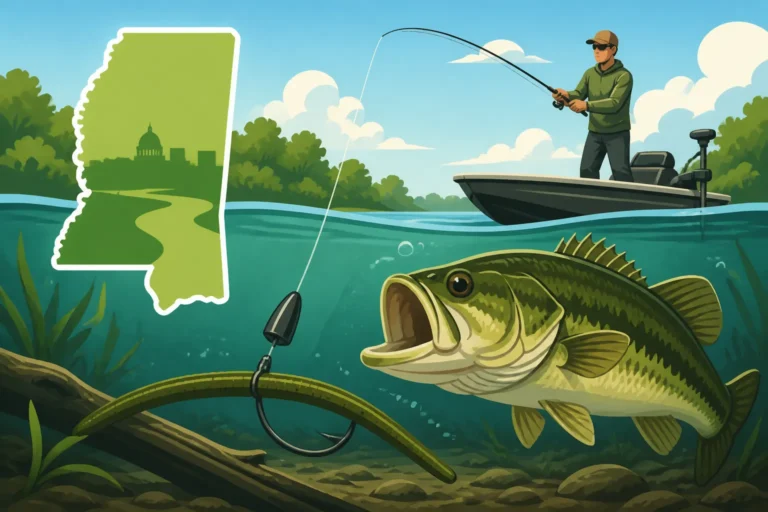
- Shaky Heads: Another excellent choice for finesse fishing. A shaky head worm, slowly dragged and occasionally "shaked" on the bottom, can entice lethargic bass. Rig a straight-tail worm on it, and work it methodically around cover.
- Drop Shots: When bass are suspended or holding tightly to vertical cover in deeper water, a drop shot rig can be deadly. It allows you to present a small, subtle bait directly in the strike zone, holding it there for extended periods. You can find a fantastic selection of these specialized bass baits, including a variety of soft plastics and jig trailers, on platforms like Amazon.
- Blade Baits: While they can be retrieved faster, they also shine when slow-rolled or "stroked" off the bottom, mimicking a dying baitfish. The vibration can call in bass from a distance, even in murky water.
Remember, the retrieve should be agonizingly slow. Let the bait sit, twitch it, let it sit again. Many bites will feel like nothing more than a slight "thump" or added weight. This is a great time to experiment with the Best Lures for Largemouth Bass that are designed for slow presentations.
Reaction Baits for Active Feeders
While slow presentations are often paramount, there are still times when a reaction bait can trigger strikes, especially during those brief, active feeding windows or on warmer, sunny days.
- Jerkbaits: A suspending jerkbait is a late fall superstar. It perfectly mimics a dying or struggling baitfish. Cast it out, twitch it a few times, and then let it sit… for a long time. Count to 5, 10, even 20 seconds. Many bites happen when the bait is completely paused. Experiment with translucent or chrome colors to imitate shad.
- Crankbaits: Medium-diving and deep-diving crankbaits can be effective when bass are grouped up and actively feeding on points, humps, or along creek channel edges. Choose colors that mimic shad or bream, and focus on bumping the bottom or cover. A stop-and-go retrieve can often trigger bites.
- Swimbaits: Paddle tail swimbaits, either rigged on a jig head or a weighted swimbait hook, can be excellent for mimicking larger baitfish. A slow, steady retrieve, just above cover or through baitfish schools, can draw powerful strikes from bigger bass.
The trick with reaction baits in late fall is often the retrieve speed – it's generally slower than in summer, but still designed to elicit an aggressive strike. Look for the warmest parts of the day, particularly mid-afternoon, to throw these. This is often the Best Time of Day to Catch Bass during this season.
Adjusting to Water Clarity and Conditions
Mississippi's diverse waters mean you'll encounter a range of clarity, from crystal clear lakes to stained or muddy rivers. Your bait choices, especially color and size, should reflect these conditions.
- Clear Water: In clear water, such as some of the smaller state fishing lakes or certain sections of larger reservoirs after a long dry spell, bass rely heavily on sight. Opt for more natural, translucent colors in your soft plastics and jerkbaits. Realistic shad patterns, clear with a hint of glitter, or subtle green pumpkin can be very effective. Fluorocarbon line is also a must for its low visibility.
- Stained or Murky Water: When the water is stained or muddy, bass rely more on their lateral line (which detects vibration) and smell. This is when brighter, more contrasting colors come into play. Chartreuse, orange, and darker blues and blacks can be excellent choices for jigs, crankbaits, or spinnerbaits. Baits with strong vibrations, like lipless crankbaits or blade baits, also perform well here, as do scented soft plastics. For tips on navigating challenging conditions, read up on Fishing After a Cold Front.
Always pay attention to the conditions on the day you're fishing. A bright, sunny day might mean bass are pushed deeper or hugging shady cover, while an overcast, calm day could bring them shallower to feed. Flexibility and observation are your best friends in late fall.
Late Fall Bass Bait & Technique Comparison
Here's a quick overview to help you decide which baits to tie on for various late fall conditions:
| Condition | Recommended Baits | Primary Technique | Key Features |
|---|---|---|---|
| Cold Front/Post-Front | Jig, Shaky Head, Drop Shot, Suspending Jerkbait | Slow drag, twitch & pause, vertical presentation | Subtle action, long pauses, precise depth control |
| Warmer Sunny Days | Deep Crankbait, Jerkbait, Swimbait | Slow roll, stop-and-go, twitch & pause | Mimics active baitfish, covers water, can trigger reaction strikes |
| Deep Water (15-30ft) | Drop Shot, Football Jig, Blade Bait | Vertical jigging, slow drag, precise depth targeting | Gets to fish quickly, stays in strike zone, good for suspended fish |
| Moderate Depth (8-15ft) | Medium Crankbait, Casting Jig, Jerkbait | Bottom bouncing, slow retrieve, twitch & pause | Targets channel edges, humps, and submerged cover |
| Stained/Murky Water | Dark Jigs (Black/Blue), Chartreuse Crankbaits, | Slow drag, vibrating retrieve | High contrast, strong vibration, attracts fish through lateral line |
| Clear Water | Natural Colored Worms, Shad Pattern Jerkbaits | Finesse presentation, long pauses | Low visibility, realistic profile, appeals to sight feeders |
Practical Tips for Maximizing Your Late Fall Bass Catch
Beyond understanding the patterns and choosing the right baits, a few practical considerations can significantly improve your late fall bass fishing experience in Mississippi. This time of year often demands a bit more preparation and patience, but the rewards can be well worth it.
Timing is Everything
While summer fishing might involve early mornings and late evenings, late fall often sees the bite pick up during the warmest parts of the day. As the sun climbs higher and has a chance to warm the water, even if only by a degree or two, it can spur bass into a short feeding frenzy. So, don't feel pressured to be on the water at dawn if it's freezing outside. Instead, aim for mid-morning to late afternoon.
Another critical timing factor is related to cold fronts. While fishing during a cold front can be brutal, the bite often picks up significantly before a major cold front arrives. Bass sense the change in pressure and weather, and they'll often feed aggressively to stock up before the difficult post-front conditions set in. Conversely, after a strong cold front, give the water a day or two to stabilize, and then look for bass to be hunkered down in those deeper transition zones. Our article on how to Best Time to Fish Before a Cold Front Arrives has even more specific advice on this phenomenon.
Electronics are Your Friend
Modern fishing electronics, particularly good fish finders with side imaging and down imaging, are invaluable tools for late fall bass fishing in Mississippi. When bass are often relating to deeper structures or suspending, you can't rely solely on visual cues. Your electronics will help you:
- Locate Baitfish Schools: Identifying large schools of shad in creek channels or over humps is often the quickest way to find active bass. If you see bait, you know bass are likely nearby.
- Identify Deep Cover: Finding submerged timber, brush piles, or rock piles in deeper water is crucial. Bass will often position themselves tightly to these features.
- Spot Suspended Bass: Sometimes bass won't be on the bottom; they'll be suspended in the middle of the water column. Your sonar will show these arcs or lines, allowing you to adjust your bait depth accordingly.
- Map Depth Contours: Understanding the subtle changes in bottom contour, particularly along creek channel edges or main lake points, helps you target those transition zones precisely.
Learning to read your electronics can feel like learning a new language, but the effort pays dividends, especially when fish are less active. Even if you're primarily a crappie angler, many of the principles discussed in Reading a Fish Finder for Crappie apply directly to finding bass as well.
Layering Up and Safety
Late fall weather in Mississippi can be notoriously unpredictable. A morning that starts with frost on the boat can turn into a surprisingly warm afternoon. Therefore, layering your clothing is essential. Start with a moisture-wicking base layer, add insulating layers, and top it off with a waterproof and windproof outer shell. Gloves and a warm hat are also critical, as you lose a lot of heat through your extremities.
Beyond comfort, safety on the water in colder weather is paramount. Always let someone know where you're going and when you expect to return. Wear your life vest, especially when running the boat or if you're fishing alone. A quick dip in cold water can quickly lead to hypothermia. Carry a thermos of hot coffee or soup, and pack plenty of snacks to keep your energy up. Be mindful of shorter daylight hours and plan your trips accordingly to avoid navigating in the dark. Taking these precautions ensures that your late fall bass pursuit is not only successful but also safe and enjoyable.
Disclaimer
This article is for general informational purposes only and does not constitute professional advice. Laws, prices and regulations vary by location and change over time. Consult a qualified professional for guidance on your specific situation.