Can You Catch Crappie From a Kayak?
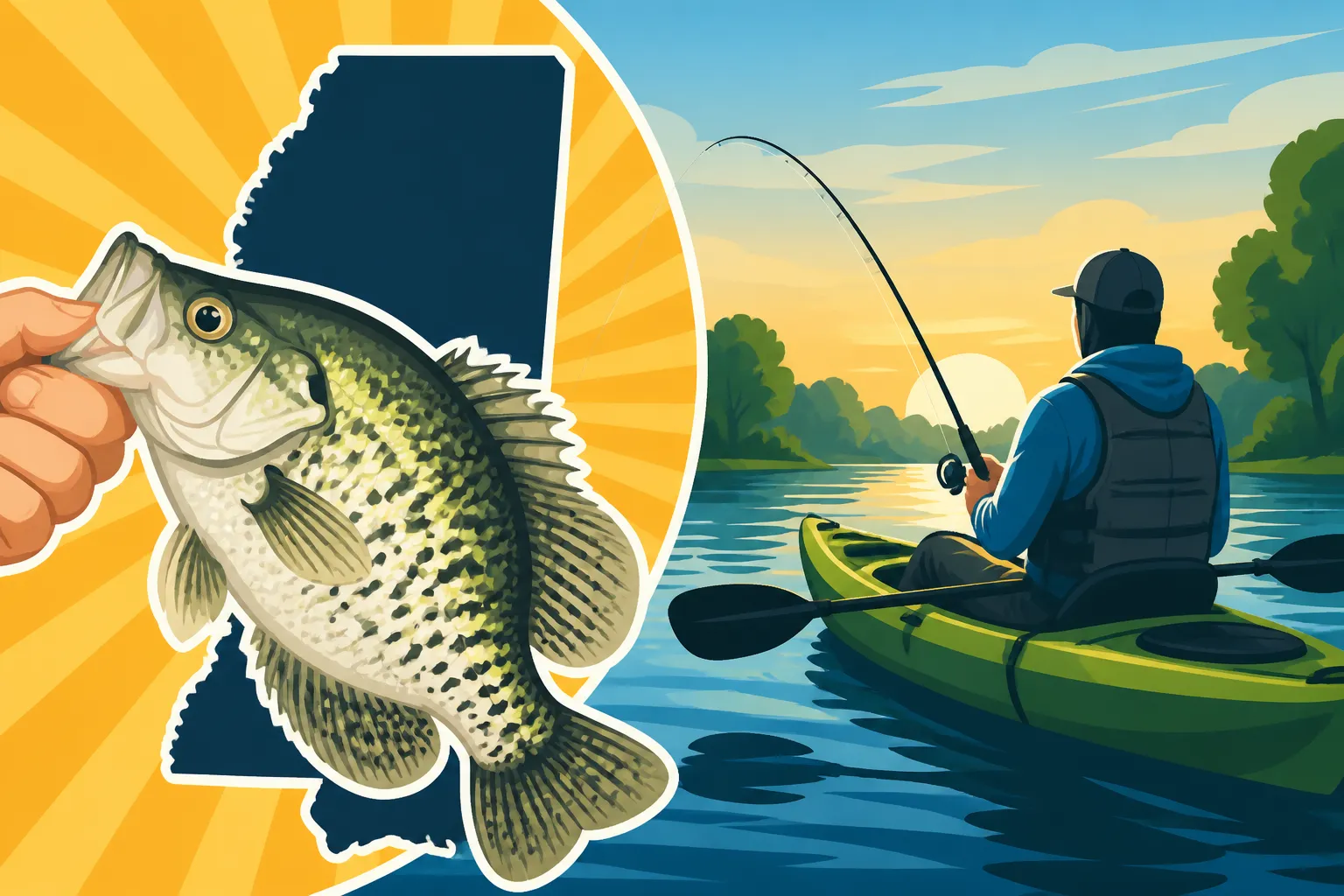
Oh, the age-old question that many an angler in Mississippi has pondered while gazing at a calm lake: "Can I really catch crappie from a kayak?" Maybe you've felt that twinge of envy watching a big bass boat zip by, assuming you need all that horsepower and gadgetry to find those elusive slabs. Well, let me tell you, not only can you catch crappie from a kayak in Mississippi, but it's one of the most rewarding, stealthy, and often most effective ways to fill a cooler with those delicious panfish. This guide is all about diving into how you can ditch the big boat, embrace the paddle, and become a crappie-catching machine from your humble kayak.
Why Kayak Fishing for Crappie is a Game Changer in Mississippi
For years, I dragged my heavier boat to the ramp, launched it, fought the crowds, and spent a small fortune on gas, all to chase crappie. Then, a few years back, I decided to give kayak fishing a real shot. What an eye-opener! It changed my entire approach to crappie fishing, and I haven't looked back since. The advantages a kayak offers, especially for a fish as particular as crappie, are just immense.
Access to Untouched Spots
One of the biggest frustrations with traditional boat fishing is hitting those crowded ramps and finding all the prime spots already taken. Or worse, seeing a perfect hidden cove or a shallow, brushy creek arm that your big boat just can't get into. That's where a kayak shines like a beacon. Its shallow draft means you can glide silently over stumps, weave through dense lily pads, and slip into pockets of water that larger boats simply can't reach. Think about those hidden backwaters on Ross Barnett Reservoir or the quiet channels off the main lake at Grenada Lake – places where crappie often hold tight because they see less pressure.
These often-overlooked areas are goldmines for crappie. You can paddle through dense cypress knees in the Pearl River basin or sneak into timber-choked creeks where the biggest slabs hide out. This accessibility means you're fishing where the fish are less wary, often leading to more consistent bites and bigger fish. It’s like having a secret key to the best fishing spots in Mississippi, allowing you to explore freely.
Stealth and Finesse
Crappie, especially larger ones, can be incredibly spooky. A roaring outboard motor or the constant clunking from a heavy boat can send them scattering. A kayak, on the other hand, is practically silent. You glide across the water, barely making a ripple. This stealth allows you to approach brush piles, submerged timber, and bridge pilings without alerting the fish below. You can position yourself precisely, make delicate casts, and work your bait with the finesse that crappie often demand.
The quiet approach of a kayak also means you can often sit longer on a productive spot without spooking the school. You become one with the environment, feeling the subtle changes in current and watching the water for signs of fish activity. This quiet connection not only improves your catch rate but also enhances the overall experience, turning a fishing trip into a truly tranquil escape.
The Kayak Experience
Beyond the practical advantages, there’s just something special about the experience of kayak fishing for crappie. It's a more intimate connection with the water and the fish. You’re lower to the water, feeling every twitch and bump as you paddle, and the fight of a crappie, even a modest one, feels amplified. It’s a workout, too, which many of us appreciate as a bonus to our outdoor adventure.
It's also incredibly liberating. No boat launch dramas, no long lines at the gas pump, and the ability to launch from almost any bank. If you're looking for a peaceful escape from the hustle and bustle, where you can truly immerse yourself in the natural beauty of Mississippi's waterways while pursuing your favorite panfish, then kayak crappie fishing is absolutely for you. For those looking to combine physical activity with the thrill of the catch, Kayak Fishing Techniques offer a fantastic blend.
Essential Gear for Your Kayak Crappie Adventures
Alright, so you’re convinced that kayak crappie fishing is the way to go. But what exactly do you need? Don't worry, you don't need to break the bank on a fully kitted-out fishing kayak right away, though they are pretty sweet. We can start with the basics and build up from there. The beauty of kayak fishing is its simplicity, but a few key pieces of gear will make your life a whole lot easier and more productive.
Choosing the Right Kayak
The market is flooded with kayaks these days, which is great for choices but can also be overwhelming. For crappie fishing, stability is probably your number one priority. You'll be casting, setting the hook, potentially standing up to spot fish (if your kayak allows), and generally moving around more than if you were just paddling.
Here's a quick look at common types:
| Kayak Type | Pros | Cons | Best For Crappie Fishing |
|---|---|---|---|
| Sit-on-Top | Very stable, easy to get on/off, self-bailing, good for accessories. | You get wet, can be heavier. | Highly Recommended: Their open deck makes it easy to access gear, mount rod holders, and move around. Many are designed specifically for fishing with wide, stable platforms. |
| Sit-in | Lighter, faster, keeps you drier, better for cold weather. | Less stable, harder to get in/out, limited space for accessories. | Good for budget/portability: If you already have one, it works, but you'll be more cramped. Better for smaller waters and simpler setups where you don't need a lot of gear. |
| Pedal Drive | Hands-free propulsion, great for trolling and maintaining position. | Most expensive, heaviest, more complex maintenance. | Excellent, if budget allows: Being able to "pedal" while fishing means you can continually move along brush piles or troll jigs with precision, all while keeping your hands free to fish. Makes controlling your drift much easier. |
For crappie, a 10-12 foot sit-on-top fishing kayak is often a sweet spot – offering a good balance of stability, maneuverability, and space for your gear. Brands like Perception, Hobie, and Native Watercraft make excellent fishing-specific kayaks, but there are many solid choices out there.
Rod and Reel Setup
You don't need heavy-duty saltwater gear for crappie, but a good, sensitive setup makes a huge difference. Most crappie anglers opt for light to ultralight spinning gear. A 5.5 to 7-foot light action rod with a fast tip is ideal. This allows for sensitive feel, delicate presentations, and enough backbone to handle a feisty slab.
Pair your rod with a small spinning reel, sized 1000 or 2000. Spool it with 4 to 6-pound monofilament or braided line with a fluorocarbon leader. The light line helps with casting small jigs and makes your presentation more natural. If you're a fan of feeling every little bite, consider a super sensitive braided line, perhaps a 6-lb test, for enhanced sensitivity. You can find excellent beginner-friendly combos on Amazon that will get you started without breaking the bank.
Essential Accessories
Beyond your kayak and fishing tackle, a few key accessories will significantly improve your kayak crappie fishing experience:
- Personal Flotation Device (PFD): This isn't just a suggestion; it's a non-negotiable safety item. Always wear it. There are comfortable, fishing-specific PFDs available that allow for freedom of movement and often have pockets for small items. Remember to check Mississippi Life Jacket Rules for Anglers.
- Paddle Leash: Losing your paddle is a quick way to ruin a trip. A leash keeps it attached to your kayak.
- Anchor: A small, collapsible anchor (1.5-3 lbs) with about 50 feet of line is essential for holding your position over brush piles or in windy conditions. You can grab a decent one on Amazon.
- Rod Holders: At least one flush-mount or adjustable rod holder for when you need to paddle or tend to other things. If you're trying techniques like spider rigging on a kayak, you'll want several.
- Dry Bag: Protect your phone, keys, and wallet from splashes and accidental capsizing.
- Small Cooler/Livewell: For keeping your catch fresh or your drinks cold.
- Nippers/Pliers: For cutting line and removing hooks.
- Fish Finder (Optional but Recommended): Even a small, portable fish finder can be a game-changer for locating submerged structure and schools of crappie. Learning how to use a fish finder for crappie will significantly boost your success.
Mastering Crappie Fishing Techniques from a Kayak
Fishing from a kayak requires a slight adjustment in technique compared to a larger boat, mainly due to limited space and being closer to the water. However, these adjustments often lead to more effective presentations and better results, especially when it comes to finicky crappie.
Jigging and Trolling Strategies
These are two of the most popular and effective methods for crappie, and they translate beautifully to kayak fishing.
- Jigging: From a kayak, vertical jigging over submerged brush piles or around bridge pilings is incredibly effective. Because you're so close to the water, you get fantastic feedback from your line, feeling even the slightest tap. Use small jigs (1/16 to 1/8 ounce) tipped with a small plastic grub or a live minnow. Position your kayak directly over the structure, using your anchor or even just gentle paddle strokes to hold your spot. Drop your jig down, let it hit bottom, and then slowly lift and drop it, trying to stay just above the fish you see on your fish finder. A sensitive rod is key here, as crappie bites can be incredibly subtle. Many experienced kayak anglers swear by this technique when jig fishing for crappie.
- Trolling: Trolling from a kayak allows you to cover a lot of water and search for active crappie. You can either use your paddle or, if you have a pedal-drive kayak, that makes it even easier. Troll small jigs or crankbaits at a slow speed, often around 0.5 to 1.5 miles per hour. Experiment with different depths by adjusting the weight of your jig or the type of lure. Use your rod holder to keep one rod deployed while you gently paddle along creek channels, ledges, or flats. This is particularly effective on large bodies of water like Sardis Lake or Enid Lake, where crappie spread out.
Adapting Spider Rigging for a Kayak
Spider rigging, the technique of deploying multiple rods from various angles to cover a wide area, might sound daunting from a kayak, but it’s absolutely doable with a few modifications. Instead of the typical 8-10 rods seen on larger boats, a kayak angler might use 2-4 rods.
The key is proper rod holder placement. You'll want adjustable rod holders mounted to your kayak, allowing you to splay your rods out to the sides and front. This creates a "spider" web of lines around your kayak. Use different jig weights or bobber depths on each rod to present baits at varying depths simultaneously. This method is incredibly efficient for locating crappie when they're scattered or when you're trying to determine their preferred depth. Keeping an eye on your fish finder is critical to position your jigs effectively within the crappie school. While you won't match a dedicated crappie boat's spread, a kayak still provides ample opportunity to cover water and present multiple baits to fish.
Targeting Structure and Cover
Crappie are masters of hiding, always seeking out structure and cover. From a kayak, you have an unparalleled advantage in precisely targeting these spots.
- Brush Piles: These are crappie magnets. Use your fish finder to locate them, then quietly paddle into position. Drop your jig directly into the branches, being prepared for snags. The stealth of the kayak allows you to work these tight spots without spooking fish that might be buried deep within the brush.
- Submerged Timber and Laydowns: Fallen trees along the bank or submerged stumps in deeper water are prime crappie real estate. Cast your jigs right alongside the timber, letting them sink slowly. Work the entire length of the structure, as crappie might be holding anywhere from the shallowest branches to the deepest trunk.
- Bridge Pilings and Docks: Crappie love the shade and cover these structures provide. With a kayak, you can paddle directly underneath docks or around bridge pilings, making pinpoint casts that would be impossible from a larger boat. These are particularly good spots for finding crappie in Mississippi during the warmer months.
- Ledges and Drop-offs: Crappie often position themselves along depth changes. Use your fish finder to identify these ledges and then paddle parallel to them, casting your jigs to allow them to fall along the drop-off. This is a common pattern for crappie in colder weather, making it a great technique for how to catch crappie in cold winter water.
Navigating Mississippi Waters Safely and Effectively by Kayak
Fishing from a kayak is a fantastic way to experience Mississippi's diverse waterways, from its sprawling reservoirs to its winding rivers. However, being prepared for the unique challenges of a smaller vessel is crucial for a safe and successful trip.
Safety First on the Water
Your safety should always be your top priority. Mississippi's waters can be unpredictable, especially if you venture onto larger lakes or rivers with boat traffic.
- Always Wear Your PFD: We can't stress this enough. Even strong swimmers can get into trouble quickly. A PFD is designed to keep you afloat and greatly increases your chances of survival if you capsize or fall out of your kayak.
- Check the Weather: Before you head out, check the forecast for wind, storms, and temperature changes. Strong winds can make paddling incredibly difficult and dangerous, especially on large open bodies of water like the Mississippi River. Pop-up thunderstorms are also a common hazard.
- Visibility: Kayaks are small and sit low in the water, making them hard for other boaters to see. Wear bright clothing, and consider adding a safety flag to your kayak, especially in areas with heavy boat traffic. If you're out near dawn or dusk, or in foggy conditions, a 360-degree white light is essential.
- Tell Someone Your Plan: Always let a friend or family member know where you're going, when you expect to return, and what your float plan is. This is a simple but incredibly effective safety measure.
- Understand Mississippi Fishing Regulations Explained: Before you even launch, ensure you have your Mississippi Fishing License Guide in hand. Knowing the rules for specific species and bodies of water, like Mississippi Crappie Regulations by Lake, is key to a responsible trip.
Finding Your Crappie Hotspots
One of the great joys of kayak fishing is discovering those hidden gems. However, a little preparation goes a long way in finding productive crappie spots.
- Maps and Apps: Utilize contour maps (available through fishing apps or online) to identify creek channels, submerged humps, ledges, and deep holes. These are all prime crappie holding areas. Some apps even allow you to mark potential brush piles or structures.
- Local Knowledge: Don't be afraid to talk to other anglers or bait shop owners. They often have invaluable insights into what's biting and where. Even if they don't share their secret spots, you might get clues about general areas or effective techniques.
- Scouting: Sometimes, the best way to find crappie is simply to paddle and observe. Look for signs of baitfish, changes in water color, or even bird activity, which can indicate baitfish presence and, consequently, game fish like crappie. Your fish finder will be your best friend here, helping you pinpoint brush piles and schools.
- Mississippi State Park Lake Fishing Permits: If you're fishing one of Mississippi's beautiful state park lakes, remember to check if a specific permit is required in addition to your state license.
Transportation and Launching Your Kayak
One of the big advantages of kayaks is their portability, but there are still best practices for getting your vessel to the water.
- Transport: Most kayaks can be transported on top of your vehicle using roof racks or foam blocks. If you have a truck, a bed extender can be useful for longer kayaks. Always secure your kayak properly to prevent it from shifting or flying off during transport.
- Launching: The beauty of a kayak is that you don't always need a formal boat ramp. You can often launch from nearly any accessible bank. Look for sandy beaches, gentle slopes, or designated kayak launch points. At established boat ramps, be courteous and efficient, ensuring you're not hogging the ramp while larger boats are trying to launch. Some popular fishing spots like Grenada Lake or Sardis Lake have multiple access points, so check out maps for the Best Marina to Launch From on Grenada Lake or other access points.
- Packing Light (But Prepared): While you have some storage, it's not unlimited. Prioritize essential gear, tackle, water, and snacks. Pack smart, using dry bags to keep sensitive items safe. Think about what you really need for a day on the water, rather than bringing every piece of tackle you own.
Catching crappie from a kayak in Mississippi is not only possible but it can open up a whole new world of angling adventure. It’s an intimate, quiet, and often incredibly productive way to pursue one of the state's most beloved panfish. So, grab your paddle, pack your gear, and get ready to experience crappie fishing like never before!
Disclaimer
This article is for general informational purposes only and does not constitute professional advice. Laws, prices and regulations vary by location and change over time. Consult a qualified professional for guidance on your specific situation.