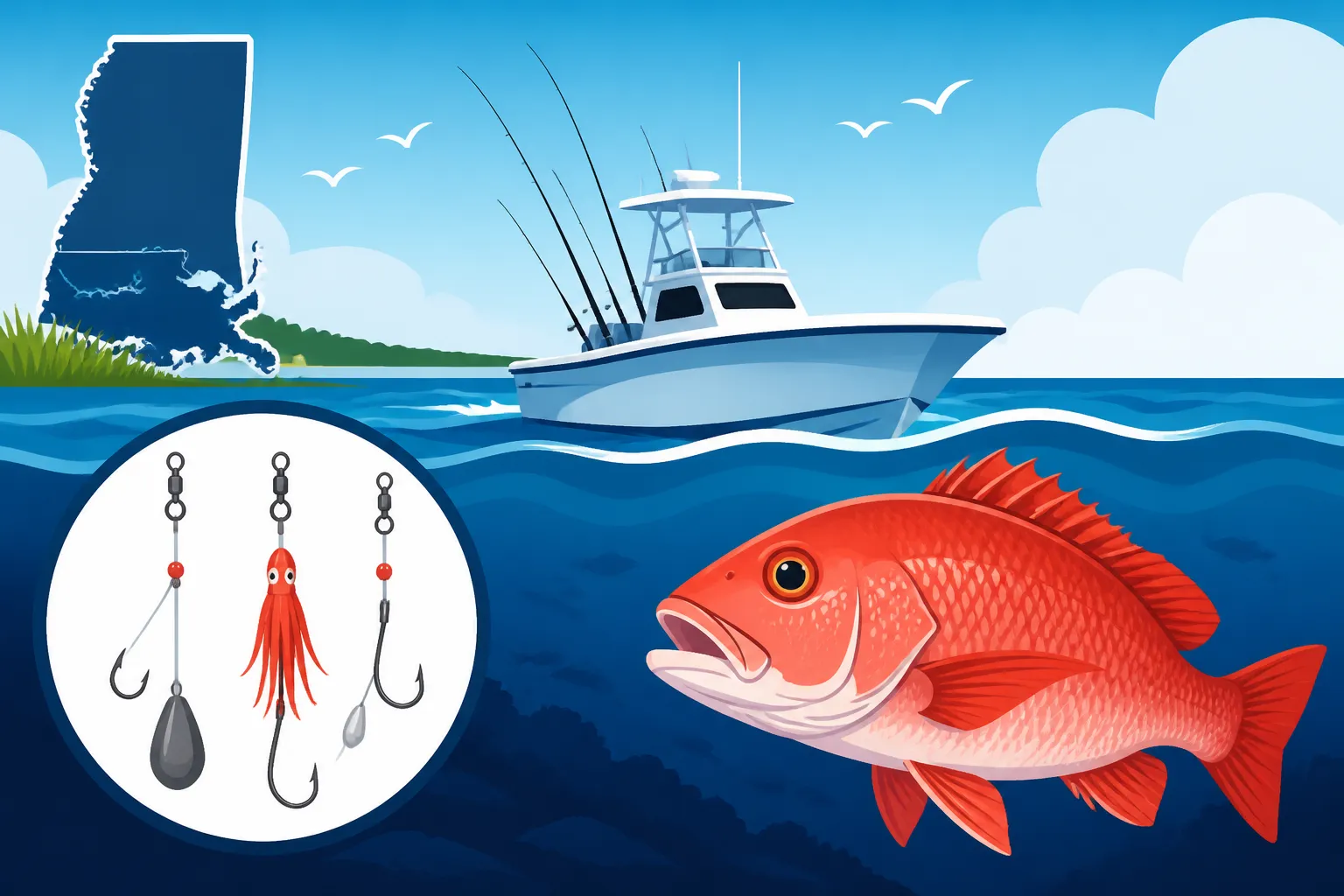
Best Rigs for Offshore Red Snapper Fishing
There's nothing quite like the thrill of offshore fishing for red snapper off the Mississippi Gulf Coast, but battling these powerful fish with the wrong setup can quickly turn an exciting trip into a frustrating tangle. You've invested in your adventure, and you want every advantage possible. This comprehensive guide will walk you through the most effective rigs for offshore red snapper fishing, ensuring you're well-equipped to land those sought-after ruby-red beauties.
Understanding the Red Snapper Challenge
Red snapper are a highly prized game fish in the Gulf of Mexico, known for their aggressive strikes and powerful fights. They typically inhabit rocky bottoms, artificial reefs, wrecks, and other structures in depths ranging from 50 to over 300 feet. This bottom-dwelling behavior, combined with their strong jaws and tendency to dive into cover once hooked, presents unique challenges for anglers.
Why Red Snapper Require Specific Rigs
Unlike some shallower water species that might be caught with a simple popping cork or a light jig, red snapper demand robust tackle and specific rigging to ensure success. Their habitat means you're often fishing in strong currents, over abrasive structures that can quickly fray line, and in considerable depths that require substantial weight to get your bait down effectively. A rig designed for finesse fishing in freshwater simply won't cut it when you're targeting a 20-pound snapper that's trying to wedge itself into a sunken barge. It's a test of strength, durability, and a bit of angling smarts to outwit these deep-sea brawlers.
Furthermore, red snapper have incredibly powerful jaws and sharp teeth, which means weak hooks or light leader material are an open invitation for them to escape. They're not shy, but they are smart, and any weak link in your setup will be exposed quickly. Considering the strict regulations and often short seasons for targeting these fish, like the Red Snapper Season Opening Date in Mississippi, you want every bite to count.
Common Frustrations with Ineffective Rigs
Many anglers new to offshore fishing or specifically targeting red snapper often encounter a few common frustrations due to improper rigging. One of the most disheartening is getting to a prime spot, dropping your bait, only for it to be instantly stolen by baitfish before it even reaches the snapper zone. This often happens when the weight isn't heavy enough or the bait is poorly presented. Another common issue is losing fish due to line abrasion on structure. You'll feel that solid thump, set the hook, fight the fish for a bit, and then suddenly, nothing – a clean break where your line met a sharp edge on the bottom.
Then there's the heartbreak of a pulled hook or a straightened hook, especially when you know you had a really big fish on. This points directly to using hooks that are too small, too weak, or simply not designed for the immense pressure a red snapper can exert. Overcoming these frustrations starts with understanding the fish, its environment, and then building a rig that can stand up to the challenge.
Essential Components of a Successful Snapper Rig
Before diving into specific rig setups, it's crucial to understand the individual components that make up a robust red snapper rig. Each piece plays a vital role in getting your bait to the strike zone, hooking the fish, and ultimately, bringing it to the boat. Skimping on quality in any of these areas can lead to a lost fish or a frustrating day on the water.
Rods, Reels, and Line Strength
When it comes to rods and reels for red snapper, you're looking for power and durability. A medium-heavy to heavy action conventional rod, typically 6 to 7 feet long, is ideal. These rods have the backbone to lift heavy weights and strong fish from deep water, and a sensitive tip to detect subtle bites. Pair this with a conventional reel capable of holding a substantial amount of heavy monofilament or braided line. Lever drag reels are particularly popular for their smooth drag systems and ability to handle prolonged fights. Many offshore anglers find excellent options for these setups on platforms like Amazon.
For line, braided line in the 50-80 pound test range is a popular choice for its incredible strength-to-diameter ratio and lack of stretch, which enhances bite detection in deep water. However, you'll almost always need a monofilament or fluorocarbon leader connected to your braid. Monofilament in the 60-100 pound range offers excellent abrasion resistance, which is critical when fishing around sharp structures. Fluorocarbon offers similar abrasion resistance but is nearly invisible underwater, a potential advantage in clear water, though it's often more expensive. The choice often comes down to personal preference and budget, but never compromise on strength and quality for this critical link.
Hooks, Weights, and Swivels
These small components are arguably the most important for actually catching a red snapper.
Hook Selection
For red snapper, strong, sharp, and appropriately sized hooks are non-negotiable. Circle hooks are mandatory in many areas of the Gulf of Mexico when fishing for reef fish, including red snapper, and for good reason. They are designed to hook fish in the corner of the mouth, minimizing gut-hooking and increasing the chances of a healthy release for undersized fish. Sizes typically range from 7/0 to 10/0, depending on the size of your bait and the average size of fish you're targeting. Popular styles include J-hooks (where legal) and various circle hook designs. Brands like Gamakatsu and Owner are known for their strength and sharpness, and you can easily find a wide selection of these reliable hooks on Amazon. Always ensure your hooks are stout enough to handle the immense pressure a red snapper can exert.
Weighting Your Rig
Getting your bait down to the bottom, where the snapper live, and keeping it there in strong currents requires significant weight. Pyramid sinkers, egg sinkers, or bank sinkers are commonly used, ranging from 8 ounces to as much as 3 pounds or more. The exact weight needed depends entirely on the depth, current strength, and how fast you're drifting. A general rule of thumb is to use enough weight to keep your line as vertical as possible, maintaining contact with the bottom. Too little weight, and your bait will drift away from the structure and potentially above the snapper. Too much, and you lose some feel for the bite.
Swivels and Snaps
High-quality barrel swivels and snap swivels are essential for preventing line twist and for quickly changing weights or leaders. For red snapper, choose swivels with a breaking strength that matches or exceeds your main line and leader. A heavy-duty barrel swivel is often used to connect your main line to your leader, and sometimes another swivel or snap swivel is used to attach your weight to a specific part of the rig. Don't skimp on these; a cheap swivel can be the weakest link in your entire setup.
The Go-To Rigs for Mississippi Red Snapper
Now that we've covered the individual components, let's put them together into the most effective rigs for offshore red snapper fishing in Mississippi. These tried-and-true setups are favored by seasoned anglers for their ability to get bait to the bottom, withstand powerful strikes, and efficiently land fish.
The Carolina Rig Fish Finder Rig
The Carolina rig, often referred to as a "fish finder rig" in saltwater, is arguably the most popular and versatile setup for offshore bottom fishing, particularly for red snapper. Its effectiveness lies in its ability to allow the fish to take the bait without immediately feeling the full weight of the sinker, giving you a better chance for a solid hookset. This setup is excellent when you're anchored or drifting slowly over structure.
To construct a Carolina rig, you'll first thread your main line (or braided mainline with a monofilament leader) through an egg sinker or a barrel sinker. After the sinker, tie on a heavy-duty barrel swivel. To the other end of the swivel, attach a section of heavy monofilament or fluorocarbon leader, typically 3 to 6 feet long (some anglers prefer longer, up to 10 feet, depending on conditions and preference). Finally, tie your circle hook to the end of this leader. The key is that the weight slides freely on your main line above the swivel, allowing the fish to pick up the bait and swim a short distance before the line tightens against the sinker. This means they feel less resistance and are less likely to spit the bait prematurely.
This rig is fantastic for fishing natural baits like whole squid, cut bait, or live pogies (menhaden). When a snapper takes the bait, you'll feel a solid tug. Instead of immediately yanking the rod, simply reel down slowly until the line comes tight and the rod loads up, letting the circle hook do its job. It’s an incredibly reliable method for Red Snapper Fishing on the Mississippi Coast.
The Knocker Rig
The knocker rig is another excellent choice, particularly effective when fishing directly over or very close to structure. Its name comes from the way the weight sits directly on top of the hook, "knocking" against it. This compact setup ensures your bait stays tight to the bottom and reduces the chances of tangles when dropping through the water column.
To tie a knocker rig, simply thread an egg sinker or barrel sinker directly onto your leader. Then, tie your circle hook to the end of that same leader. The weight rests directly on the eye of the hook. This creates a highly sensitive setup where you feel every bump and bite. The advantage here is the direct connection between your line, weight, and hook, giving you maximum feel for the bottom and for a fish picking up the bait. It's especially useful when you need to drop your bait quickly and precisely onto a small piece of structure.
While it doesn't offer the free-sliding bait presentation of the Carolina rig, its compactness makes it less prone to snagging on the way down, and the direct feel can be a huge advantage for detecting subtle bites in deep water. This rig is particularly favored by anglers who prefer a more "hands-on" feel for their bait and the bottom, especially when using live baits that might try to swim away from the structure.
The Three-Way Swivel Rig
For those times when you need to present your bait just off the bottom or want to keep your bait away from snags, the three-way swivel rig is a fantastic option. This rig uses a specialized swivel with three attachment points, allowing for a unique presentation. It's often employed when drifting or when fishing over relatively soft bottoms with occasional hang-ups.
To set up a three-way swivel rig, tie your main line to one eye of the three-way swivel. To a second eye, tie a short leader (typically 12-24 inches) with your weight attached to the end. This is your "dropper" line, designed to break away if the weight gets snagged. To the third eye, tie a longer leader (3-6 feet) with your hook and bait. This keeps your bait suspended above the bottom, often just out of reach of the most abrasive snags.
The beauty of this rig is its adaptability. By adjusting the length of the weight leader, you can control how far off the bottom your bait is presented. This can be crucial if the snapper are suspended slightly above the immediate structure or if the bottom is particularly jagged. It also allows you to quickly replace a snagged weight without having to re-tie your entire hook leader, which is a huge time-saver when the bite is hot.
Comparison of Popular Red Snapper Rigs
Here's a quick comparison of these three effective rigs to help you choose the best one for your specific fishing situation:
| Rig Type | Key Components | Advantages | Disadvantages | Ideal Usage |
|---|---|---|---|---|
| Carolina (Fish Finder) | Sliding Sinker, Barrel Swivel, Leader, Hook | Free-sliding weight allows natural bait presentation; good bite detection. | Can be prone to tangles if leader is too long or dropped too fast. | Anchored or slow-drifting over structure; allows fish to mouth bait without resistance. |
| Knocker Rig | Sinker directly on Hook, Leader, Hook | Compact, excellent bottom contact and bite feel; less prone to tangles. | Less natural bait presentation due to weight on hook; can feel sinker too early. | Fast drops directly onto structure; high sensitivity for subtle bites; strong currents. |
| Three-Way Swivel Rig | Three-Way Swivel, Weight Leader, Hook Leader, Hook | Suspends bait off bottom to avoid snags; easily adjustable; quick weight changes. | More components can mean more potential points of failure; can tangle in heavy current. | Drifting over varied bottom; avoiding snags on rough bottom; presenting bait slightly above structure. |
Mastering Your Rig: Deployment and Presentation Tips
Having the right rig is only half the battle. Knowing how to effectively deploy and present your bait can dramatically increase your chances of success when targeting red snapper. Small details in technique can make a big difference in enticing a strike and converting it into a landed fish.
Bait Selection and Rigging
Red snapper are opportunistic feeders, but they do have preferences. Live baits are often king, with live menhaden (pogies), pinfish, croakers, or even small mullet being excellent choices. When using live bait, hook it strategically to keep it lively and swimming naturally. For a Carolina rig, hook a live bait through the nose or lips to allow it to swim freely. On a knocker rig, a nose-hooked live bait might offer the best presentation. For cut bait, fresh is always best. Cut squid, bonita strips, or chunks of mackerel are all very effective. Ensure your cut bait is trimmed cleanly and securely hooked so it doesn't spin unnaturally in the current or fall off easily. Many seasoned anglers will check stores like Amazon for tackle organizers to keep their bait knives and rigging tools handy.
When rigging, always make sure your hook point is exposed. Red snapper have tough, bony mouths, and a buried hook point will result in a missed fish. For circle hooks, simply ensure the barb is clear. If you're using a large piece of cut bait, sometimes a 'bridle' rig can be beneficial, where you use a rigging needle and floss to attach the hook to the bait, ensuring the hook point is perfectly exposed. This ensures that when the snapper bites, they get a solid mouthful of hook, not just bait.
Deployment Techniques
Getting your rig to the bottom effectively is crucial. When you've located a promising piece of structure, whether through your electronics or guidance from your captain (if on a Mississippi Gulf Coast Fishing Charters trip), deploy your rig by free-spooling it down to the bottom. Keep a thumb lightly on the spool to prevent backlashes and to control the descent. You want to feel for the bottom, not just guess. Once you feel your weight hit the bottom, reel up a crank or two to lift your bait slightly off the structure, preventing immediate snags while still keeping it in the strike zone. If you're using a three-way swivel rig, this initial contact allows you to gauge the bottom depth before adjusting your bait height.
If you're drifting, it's important to monitor your drift speed and adjust your weight accordingly. Too fast a drift or too little weight, and your bait will be dragging behind the boat, potentially missing the structure or getting hung up too frequently. You want your line to be as vertical as possible, allowing for better feel and a more direct retrieve. Don't be afraid to experiment with different weights until you find the sweet spot for the conditions you're facing.
Detecting Bites and Hooking Up
Red snapper bites can range from a subtle tap to a rod-bending slam. In deep water, with a lot of line out, subtle bites can be hard to detect, especially with stretchy monofilament lines. This is where braided mainline really shines, as its zero-stretch quality transmits even the lightest tap directly to your hands. With a Carolina rig, you'll often feel a series of thumps or a steady pull as the fish takes the bait and swims away with it. Remember, with circle hooks, resist the urge to rear back and set the hook aggressively. Instead, slowly reel down until you feel the weight of the fish and the rod tip bends. The circle hook will typically find the corner of the fish's mouth on its own.
For a knocker rig, the bite will often feel more direct and immediate due to the weight being right on the hook. You might feel a distinct "knock" as the fish mouths the bait. Again, once you feel that positive weight, just steadily sweep the rod up and begin reeling. Once you've hooked a red snapper, the battle begins! These fish pull hard, often making powerful runs towards the safety of the structure. Keep steady pressure on the fish, pump and reel, and be prepared for a strong fight all the way to the boat. It's a truly rewarding experience, especially when you consider all the planning that goes into a successful trip, from understanding the Mississippi Fishing Regulations Explained to choosing the perfect rig.
Disclaimer
This article is for general informational purposes only and does not constitute professional advice. Laws, prices and regulations vary by location and change over time. Consult a qualified professional for guidance on your specific situation.