Tombigbee River Fishing Access Near Columbus
Navigating a large river system for the first time, especially one as expansive and rich as the Tombigbee, can feel a bit overwhelming when you're just looking for a good spot to wet a line. It’s not always obvious where the public access points are, what species you can expect to catch, or the best way to approach fishing a dynamic river. This guide aims to clear up that confusion, offering a detailed look at the best fishing access points around Columbus, Mississippi, and equipping you with the knowledge to make your next Tombigbee River fishing adventure a resounding success.
Unveiling the Tombigbee River's Allure Near Columbus
The Tombigbee River, particularly in the stretch near Columbus, Mississippi, is a truly special fishery. It’s not just a river; it's a vital part of the Tennessee-Tombigbee Waterway, a massive navigation project that transformed the region and created an incredible interconnected system of lakes and river segments. This unique blend of natural river and engineered waterway creates a diverse range of habitats for fish, making it a fantastic destination for anglers seeking a variety of species.
A Historic Waterway with Abundant Fisheries
The Tenn-Tom Waterway, completed in 1995, links the Tennessee River with the Gulf of Mexico via the Tombigbee, creating a vibrant ecosystem. This means that the river near Columbus isn't just a simple flowing stream; it features deeper pools, extensive river bends, oxbow lakes, and submerged structures that are perfect hiding spots for fish. The constant flow brings nutrients, supporting a robust food chain that translates into healthy, plentiful fish populations. You'll find everything from aggressive bass and schools of crappie to colossal catfish lurking in its depths. The sheer size and complexity mean there's always a new spot to explore and a new challenge to tackle.
Why Columbus Stands Out for Anglers
Columbus, situated right on the banks of the Tombigbee River, serves as a fantastic basecamp for exploring this vast fishery. The city itself is steeped in history and offers all the amenities an angler could need, from tackle shops to comfortable lodging. What truly sets Columbus apart, however, is its strategic location along the river. You have easy access to both the main channel and various backwater areas, offering different fishing experiences depending on your preference and target species. Whether you're looking to launch a full-sized bass boat, drop a line from the bank, or glide quietly in a kayak, Columbus provides convenient entry points and a supportive community of fellow anglers. It’s truly a crossroads for Mississippi fishing enthusiasts.
Navigating the Best Fishing Access Points in the Columbus Area
Finding the right spot to start your fishing trip can make all the difference, and thankfully, the Columbus area provides several excellent access points for anglers of all stripes. Knowing which ramp to use or where to find a good bank fishing spot can save you precious time and put you on the fish quicker.
Boat Ramps and Marinas for Easy Launching
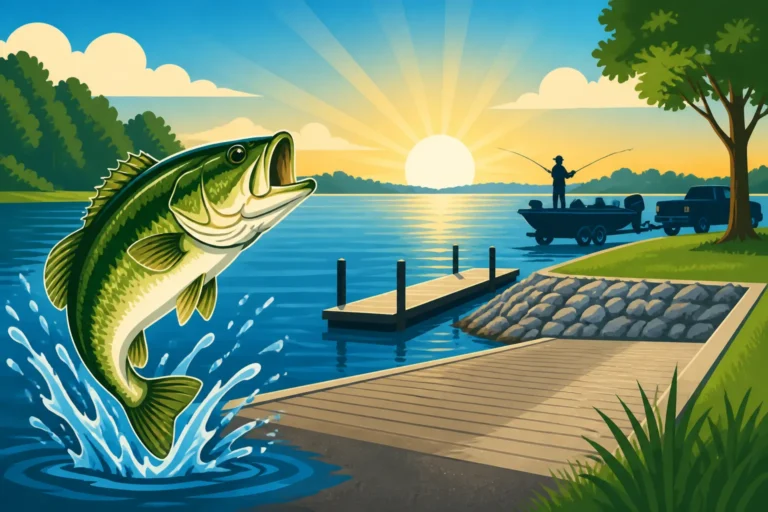
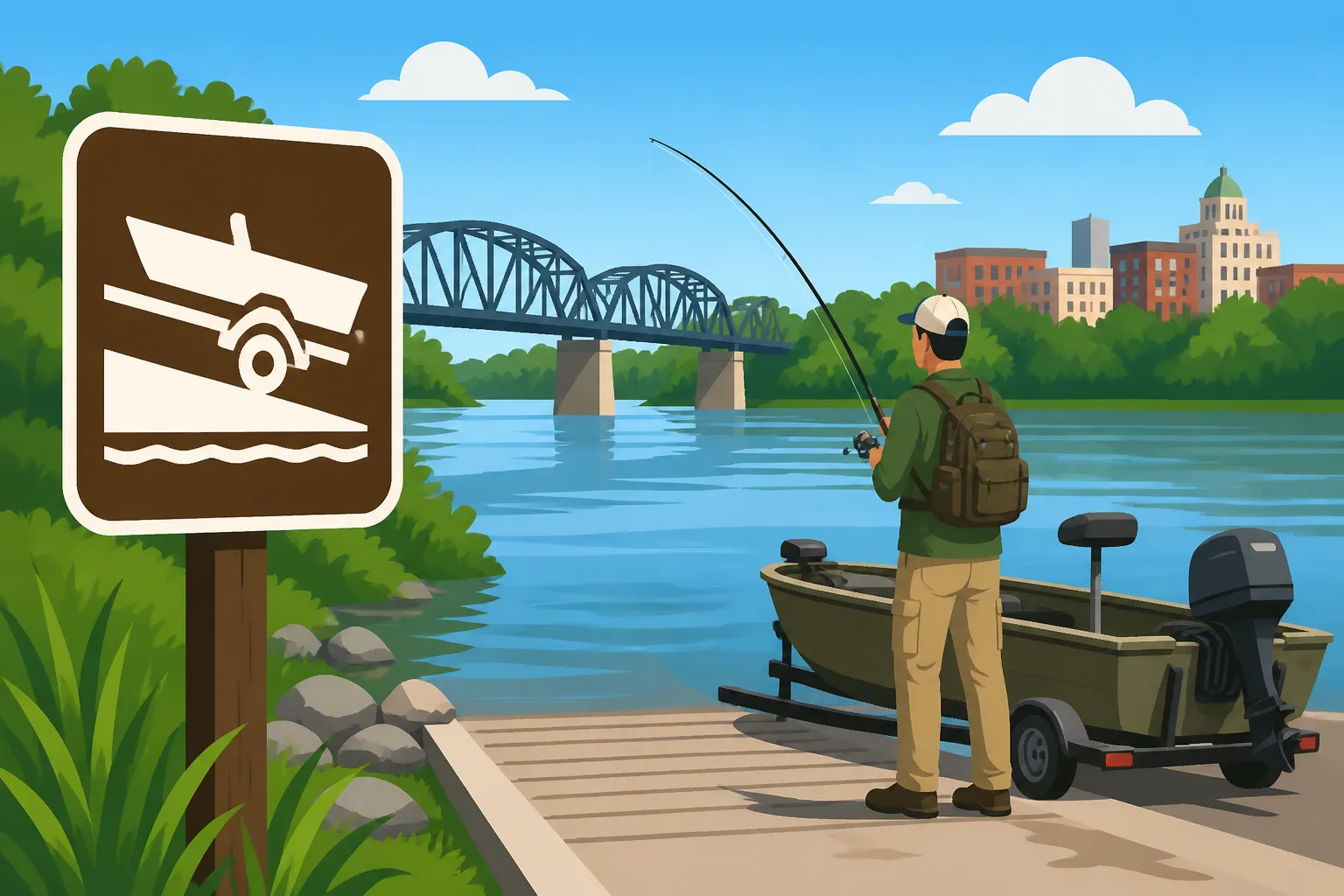
For those with boats, the ability to launch quickly and efficiently is paramount. Columbus offers a few prime locations that cater to various boating needs, from large bass boats to smaller jon boats.
The Columbus Marina is arguably the most well-known and comprehensive access point in the area. Located directly in Columbus, it's a full-service marina complete with multiple launch ramps, ample parking, fuel, a bait shop, and even a restaurant. This makes it a one-stop shop for many anglers. From here, you can easily access the main channel of the Tombigbee River, giving you the flexibility to head upstream or downstream to explore different stretches of water. It's particularly popular for those targeting catfish, bass, and crappie in the deeper river sections or the mouths of feeder creeks. The convenience and amenities here are hard to beat, making it a favorite for both local and visiting anglers.
Another excellent option is the boat ramp at Plymouth Bluff Environmental Center. While a little more rustic than the marina, it offers direct river access in a scenic, natural setting. This ramp is often less crowded than the marina, especially during peak times, and can be a great alternative if you're looking for a quieter launch. It provides good access to the upper reaches of the Columbus pool of the river, which can be fantastic for largemouth bass, particularly around submerged timber and current breaks. Always check current conditions, as river levels can impact ease of use for any ramp.
For a slightly different experience, if you're willing to venture a bit, some smaller, less developed ramps exist further up or downriver from Columbus, often maintained by local communities or counties. These might offer access to more secluded stretches of the river, perfect for an adventurous day of exploring. However, they may lack the amenities of the larger marinas, so come prepared with your own supplies, including bait and fuel. When planning your trip, you should always consult a comprehensive guide like our Tombigbee River Fishing Guide to understand the broader opportunities along the river.
Bank Fishing Spots for Shoreline Anglers
Not everyone has a boat, and that's perfectly fine! The Columbus area still offers several opportunities for successful bank fishing. These spots are fantastic for a relaxed day with a cooler and a few rods, and they often yield excellent results, especially for catfish and bream.
The Columbus Riverwalk is a popular choice for easy access. This paved walkway stretches along a section of the Tombigbee River and provides numerous spots where you can cast a line. While it's a public recreational area, many anglers find success here, particularly for catfish that cruise the deeper channels close to the bank. It's also a great spot for families, as the accessibility is excellent, and you can enjoy the river scenery while you fish. Just be mindful of other pedestrians and always clean up your fishing area.
Beyond the Riverwalk, local parks near the river might offer additional bank fishing opportunities. For instance, while not directly on the Tombigbee, Lake Lowndes State Park is a short drive from Columbus and offers excellent fishing for bass, bream, and crappie in its own lake, which might appeal if river conditions are challenging. Always check with park authorities for specific fishing regulations and designated areas within state parks. When fishing any public land, being aware of all Mississippi Freshwater Fishing Rules is crucial to avoid any issues.
Another tactic for bank anglers is to look for public access points near bridges that cross the Tombigbee or its major tributaries. Bridge pilings and rip-rap can hold a lot of fish, especially catfish, which love current breaks and structure. Always ensure you are on public land and not trespassing on private property when accessing these spots. Some hidden gems can be found this way, offering productive fishing away from the more crowded areas.
Kayak and Canoe Friendly Entry Points
For those who prefer a more intimate experience with the river, kayaks and canoes are excellent for navigating the Tombigbee's backwaters and smaller tributaries near Columbus. These smaller craft allow you to access areas that larger boats can't reach, often leading to undisturbed fishing hot spots.
Any of the public boat ramps, such as those at Columbus Marina or Plymouth Bluff, can serve as launch points for kayaks and canoes. However, for kayakers seeking calmer waters and less boat traffic, exploring the smaller creeks that feed into the Tombigbee can be incredibly rewarding. These creeks often feature clearer water, abundant aquatic vegetation, and plenty of cover for bass and crappie.
Look for less developed access points or even roadside pull-offs near bridges over smaller creeks, as long as it’s safe and legal. These spots allow you to put in your kayak or canoe and paddle into quieter stretches where you can focus on specific structure like fallen trees, lily pads, or undercut banks. Always wear a life jacket, especially in a river system with variable current and boat traffic, and let someone know your float plan. Exploring these hidden gems can lead to some truly memorable fishing moments, often with less competition from other anglers.
Popular Fish Species and Best Fishing Strategies Near Columbus
The Tombigbee River near Columbus is a truly diverse fishery, boasting a wide array of popular game fish. Understanding the habits of these species and employing the right techniques will significantly boost your chances of a successful outing.
Chasing Catfish in the Tombigbee
Catfish are undeniably one of the biggest draws on the Tombigbee River, and for good reason—they're plentiful, they fight hard, and they're delicious! You'll primarily encounter three species: channel catfish, blue catfish, and flathead catfish.
Channel catfish are the most common and can be found almost anywhere in the river, from slow-moving backwaters to faster currents. They're opportunistic feeders and respond well to a variety of baits. For these guys, traditional bottom fishing with cut bait (shad or skipjack work wonders), chicken livers, stink baits, or even worms is highly effective. Focus your efforts in areas with moderate current, around submerged structure like fallen trees or brush piles, or in deeper holes. Setting up multiple rods with different baits and letting them soak can often lead to consistent action.
Blue catfish are the river's giants, known for their immense size and incredible strength. They prefer deeper water and stronger currents, often congregating in main river channels, deep bends, and around bridge pilings. Big cut bait is key for blue cats; large chunks of shad, carp, or even small panfish are excellent choices. A heavy-duty rod and reel combo with stout line is essential when targeting these powerful fish. Fishing for them often involves anchoring up-current from a deep hole or structure and letting your bait drift down into their strike zone. Understanding Catfish Fishing Techniques specific to river systems will definitely give you an edge.
Flathead catfish are ambush predators, preferring live bait and often hiding in heavy cover like log jams, root wads, or rock piles. They are also known for their impressive size. Live sunfish, small carp, or large shiners are their preferred meals. Fishing for flatheads is more about precision than saturation; you need to get your live bait right into their lair. Heavy tackle is also a must here, as you'll often be pulling fish out of thick cover. Regardless of the species, always be aware of the Mississippi Catfish Regulations to ensure you're compliant with daily limits and size restrictions.
Pursuing Bass and Crappie Hotspots
While catfish might dominate the river’s reputation, the Tombigbee and its connected waters near Columbus offer outstanding opportunities for bass and crappie anglers.
Largemouth bass thrive in the many backwater areas, oxbow lakes, and slower-moving sections of the river. They gravitate towards cover such as lily pads, standing timber, cypress trees, and boat docks. For largemouth, traditional bass fishing techniques shine here: throwing Texas-rigged worms, spinnerbaits, crankbaits, and topwater lures early and late in the day can be highly effective. During warmer months, you might find them deeper, relating to submerged hydrilla beds or channel swings. The key is to find the cover and work it thoroughly. For more specific strategies, check out our guide on Bass Fishing Techniques for Mississippi Anglers.
White bass are schooling fish that often make strong runs in the spring and fall, chasing shad in open water. Look for them feeding on the surface, especially around major creek mouths or where current creates baitfish concentrations. Small crankbaits, spinnerbaits, and Kastmasters are excellent for enticing these aggressive feeders. Once you find a school, the action can be fast and furious.
Crappie, both black and white, are abundant in the Tombigbee system. They love structure, so target brush piles, submerged timber, bridge pilings, and old stumps. The many sloughs and oxbows connected to the main river are prime crappie territory. Jigs tipped with minnows or soft plastics are hard to beat. In spring, they move shallow to spawn, making them accessible to bank anglers, while in summer and winter, they often suspend in deeper brush piles or creek channels. Spider rigging or slow trolling can be very effective for locating schools in open water. For more nuanced tactics, our Crappie Fishing Techniques for Mississippi Lakes offers valuable insights that can be adapted to the river.
Targeting Other Species
Beyond the big three, the Tombigbee River near Columbus also offers a chance to catch several other popular species. Bream, including bluegill and redear sunfish (shellcrackers), are prevalent in quieter waters, especially around weed beds and shallow woody cover. A simple worm under a bobber or small crickets can provide endless fun, particularly for younger anglers. These panfish are excellent table fare and a joy to catch.
You might also encounter freshwater drum, often mistaken for saltwater drum, which are powerful fighters that readily hit cut bait or worms intended for catfish. They’re a fun bonus catch that can put a good bend in your rod. Less common but still present are species like gar and buffalo, offering unique angling experiences for those looking for something a bit different.
Essential Considerations for a Successful Tombigbee Trip
Fishing a dynamic river system like the Tombigbee requires a bit more forethought than still water. Understanding the river's characteristics and adhering to local guidelines are crucial for both safety and success.
Understanding River Dynamics and Safety
The Tombigbee River's conditions can change rapidly, primarily due to rainfall and upstream dam releases. Water levels fluctuate, which can impact accessibility at ramps and alter fish behavior. High water often pushes fish into shallower cover or backwaters, while low water concentrates them in deeper channels. Always check local river gauges before heading out. The current can also be surprisingly strong in the main channel, especially after heavy rains. If boating, always be aware of the current and navigate cautiously, particularly around bends and submerged obstacles.
Navigation hazards are always present in a river system. Submerged logs, stumps, and sandbars can appear out of nowhere, so careful observation and good navigational skills are essential. Wearing a life jacket, especially if you're in a smaller craft like a kayak or canoe, is not just a good idea; it's often legally required. Informing someone of your float plan and expected return time is also a wise safety measure, particularly when exploring new stretches of the river.
Staying Legal with Licenses and Regulations
No matter how experienced you are, knowing the local rules is paramount. Fishing in Mississippi requires a valid fishing license for anyone aged 16 to 64, unless otherwise exempt. You'll need to know whether you're fishing freshwater or saltwater (the Tombigbee is freshwater, of course) and if you qualify for any special licenses, like those for seniors or disabled veterans. A comprehensive guide like the Mississippi Fishing License Guide can walk you through the various options and requirements.
Beyond the license, it’s critical to understand the specific creel and size limits for the fish species you intend to target. These regulations are put in place by the Mississippi Department of Wildlife, Fisheries, and Parks (MDWFP) to ensure sustainable fish populations. For example, there are specific limits for bass, crappie, and catfish that can vary by water body, although statewide limits often apply. Not knowing or ignoring these regulations can result in fines and penalties, definitely not how you want to end a fishing trip. Always check the most current MDWFP regulations before you go.
When a Local Guide Makes All the Difference
For those new to the Tombigbee River, or even seasoned anglers looking to maximize their time on the water, hiring a local fishing guide can be an invaluable investment. A professional guide possesses an intimate knowledge of the river, understanding seasonal patterns, current hotspots, and the most effective techniques for the day's conditions.
They can put you on fish much faster than you could on your own, saving you days of trial and error. Guides also typically provide all the necessary gear, bait, and tackle, making it a hassle-free experience. If you're targeting a specific species like trophy catfish or looking for the best crappie spots, a guide’s expertise is second to none. Plus, they can teach you nuances of river fishing that you might not pick up otherwise.
You can often find reputable local guides through online platforms such as FishingBooker, which connect anglers with experienced captains in the Columbus area. A good guide isn't just about catching fish; it's about learning the river and creating lasting memories. While there might be guides specifically for the Tombigbee River, you can also search for Ross Barnett Reservoir Fishing Guides or other prominent Mississippi lakes to get an idea of what to expect from a guided trip. It's important to remember that most guides will ensure you comply with the Mississippi Fishing License Requirements for Tourists and other state regulations, but it's ultimately your responsibility to have the correct license.
Tombigbee River Fishing Access Near Columbus: A Quick Reference
To help you quickly identify the best access points and what to expect, here's a handy table summarizing key details for fishing the Tombigbee River around Columbus:
| Access Point | Type of Access | Primary Target Species | Key Features & Amenities | Notes |
|---|---|---|---|---|
| Columbus Marina | Boat Ramp, Shoreline | Catfish, Bass, Crappie | Multiple ramps, ample parking, fuel, bait, store, restaurant, docks | Full-service, best for larger boats, can get busy |
| Plymouth Bluff Environmental Center | Boat Ramp, Limited Shoreline | Bass, Crappie, Catfish | Boat ramp, parking, natural setting, trails | More rustic, less crowded, good for smaller boats |
| Columbus Riverwalk | Bank Fishing | Catfish, Bream | Paved walkway, benches, easy access, scenic | Great for families, mindful of pedestrians |
| Local Creek Bridges | Kayak/Canoe, Limited Bank | Bass, Crappie, Bream | Roadside pull-offs (check legality/safety) | Access to quieter backwaters, minimal amenities |
Disclaimer
The information provided in this guide is for general informational purposes only. Fishing regulations, conditions, and access points can change. Always consult the official Mississippi Department of Wildlife, Fisheries, and Parks (MDWFP) website and local authorities for the most current regulations, license requirements, and safety guidelines before planning your fishing trip. Exercise caution and respect private property.