Mississippi River Backwater Lakes for Bass
For many anglers, the mighty Mississippi River can feel like an overwhelming beast. Its swift currents, immense size, and often murky waters make finding and consistently catching bass a real challenge, even for seasoned pros. You've probably heard tales of monster bass, but actually locating them in the main channel is another story entirely. That's where the hidden gems of the Mississippi River's backwater lakes come into play, offering incredible opportunities for bass fishing that are often overlooked. This guide will dive deep into what makes these backwaters so special for bass and how you can unlock their full potential.
What Exactly Are Mississippi River Backwater Lakes?
When we talk about Mississippi River backwater lakes, we're not just talking about any old pond or reservoir. These are unique, dynamic bodies of water intricately connected to the lifeblood of the Mississippi River itself. Understanding their formation and characteristics is key to figuring out how to fish them effectively for bass.
Formation and Characteristics of Backwaters
Backwater lakes along the Mississippi River are typically formed in one of a few ways, most often through the river's constant meanderings, floods, and changes over millennia. The most common type you'll encounter is an oxbow lake. These are U-shaped bodies of water that form when a wide meander of the main river is cut off, leaving a crescent-shaped lake. Over time, these oxbows might partially or completely separate from the main channel, though they often maintain a connection during high water periods.
Then there are overflow lakes and ponds, which are essentially depressions in the floodplain that fill with water during high river levels. As the river recedes, these areas can remain isolated, creating prime habitat. The key characteristic across all these backwaters is their dynamic nature. Their water levels, clarity, and access points can change drastically with the Mississippi River's ebb and flow. This means that a spot you fished last month might look entirely different today, which, while challenging, is also part of their charm and why they hold such fantastic fishing opportunities. These waters are often shallower, warmer, and have more submerged vegetation and woody cover than the main river, making them ideal nurseries and feeding grounds for bass.
Why Backwaters Are Bass Havens
Bass, particularly largemouth bass, absolutely thrive in these backwater environments. The reasons are pretty straightforward when you think about what a bass needs: food, cover, and favorable water conditions.
Firstly, backwaters are rich in forage. The slower currents allow for more plankton growth, which supports a healthy population of baitfish like shad, minnows, and small sunfish – all prime targets for hungry bass. When the main river floods, even more forage, including crayfish and other invertebrates, gets washed into these calmer areas, creating a buffet for predatory fish.
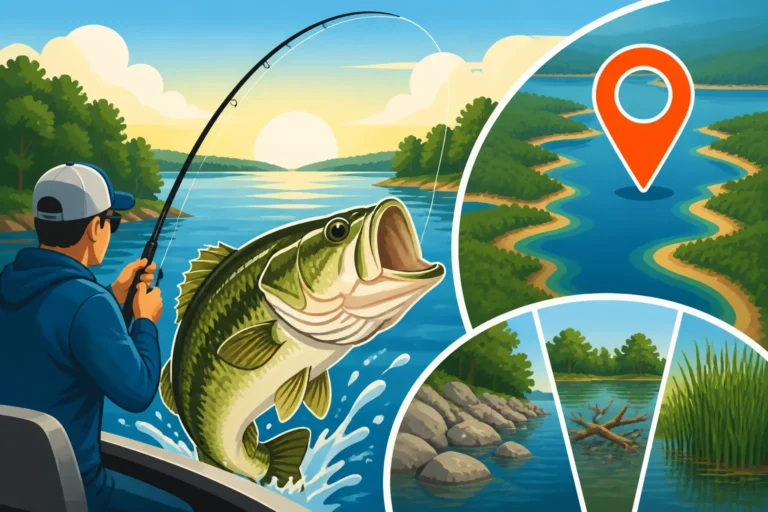
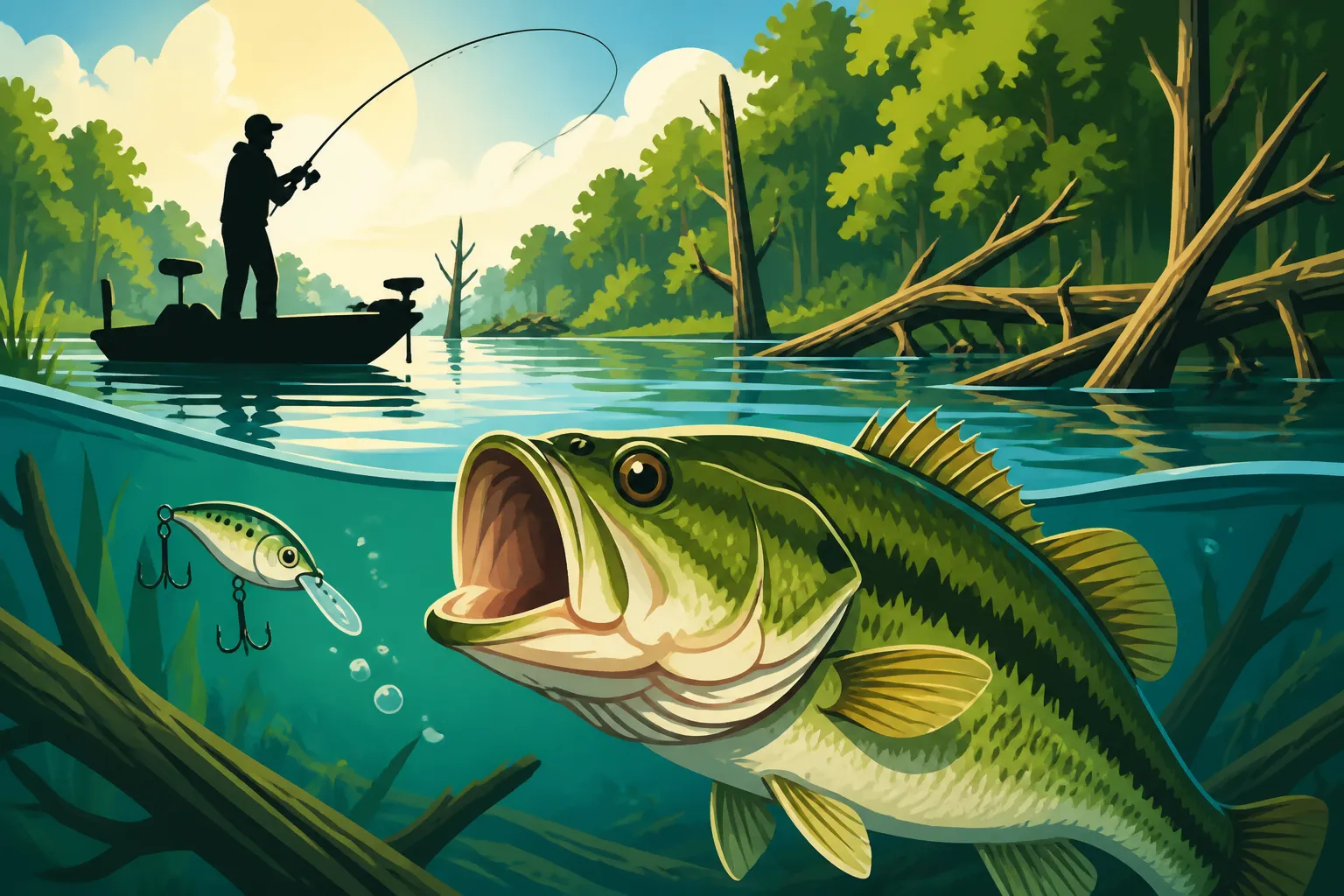
Secondly, backwaters are loaded with structure and cover. We're talking about old cypress trees, submerged logs, stumps, thick aquatic vegetation like hydrilla and lily pads, and even natural and artificial brush piles. This abundance of cover provides bass with ambush points to hunt, protection from predators (like bigger catfish or gar), and shelter from harsh sunlight or strong currents. Unlike the main channel, where cover might be swept away by strong flows, backwater cover tends to be more stable and prevalent. This gives bass a sense of security and a consistent place to reside, leading to larger, healthier populations. You can expect to find bass tucked tight to cover, waiting for an unsuspecting meal to swim by.
Prime Backwater Bass Hotspots Along the Mississippi
The Mississippi River's journey through the state offers numerous backwater lake opportunities. While access can sometimes be challenging, the rewards for bass anglers are often well worth the effort. Let's look at some regions where these backwater gems frequently pop up.
Vicksburg Region Backwaters
The area around Vicksburg, Mississippi, is particularly rich with historical oxbows and backwater lakes. This part of the river has seen significant changes over the centuries, leaving behind a legacy of these crescent-shaped lakes. Many of these oxbows are privately owned, but there are still plenty of public access points or areas accessible via smaller watercraft during certain river levels.
One prominent example, though it's technically a large oxbow that's been partially cut off and reconnected, is Eagle Lake. While not a "pure" backwater in the traditional sense, it shares many characteristics. It's renowned for its bass fishing, with vast fields of submerged vegetation, cypress trees, and abundant forage. Anglers here often target the edges of lily pads and thick grass lines, especially during the spring and fall. The shallower, fertile waters heat up faster in spring, attracting bass to spawn, and cool down slower in fall, providing extended feeding opportunities. For more on specific spots and techniques, you might want to read a dedicated guide on Eagle Lake Crappie Fishing Tips. Beyond Eagle Lake, numerous smaller, unnamed backwater sloughs and ponds exist off the main river channel. Exploring these can sometimes yield incredible, undisturbed fishing, though they often require intimate knowledge of the area or a local guide.
Greenville and Delta Region Backwaters
Moving further north into the Mississippi Delta region, around cities like Greenville, the landscape is dotted with fertile farmland and the lingering presence of old river channels. This area boasts some fantastic backwater options, often characterized by darker, nutrient-rich waters and abundant woody cover.
Lake Washington, near Glen Allan (just south of Greenville), is another prime example of an oxbow lake that offers exceptional bass fishing. It's a vast, shallow lake with a muddy bottom and a tremendous amount of cypress trees, stumps, and dense lily pad fields. Bass here are often found relating to this heavy cover. Flipping and pitching jigs or soft plastics into the thickest cover is a popular and effective technique. The lake also has a strong reputation for producing trophy-sized bass. Due to its size and complexity, getting around can be an adventure, and understanding Is Lake Washington Good for Beginners? might be helpful before your first trip. Many smaller, unnamed overflow areas near the Mississippi River levee also become accessible during higher water stages, offering temporary but incredibly productive fishing. These spots often hold bass that have moved in from the main river to feed in the calmer, food-rich environment.
Natchez and Southern River Backwaters
As the Mississippi River winds south towards Natchez, the terrain changes slightly, but the backwater opportunities persist. This region, like Vicksburg, has a history of dramatic river shifts, leaving behind numerous oxbows and connected sloughs.
While specific named lakes might be less frequent here compared to the northern delta, the sheer number of smaller, interconnected bayous and backwater ponds along the floodplain can be overwhelming in a good way. These areas often feature a mix of standing timber, willow trees, and submerged brush. During periods of falling water after a flood, bass can become concentrated in these areas, making them easier to target. However, access might involve navigating through dense woods or using smaller boats like kayaks or jon boats. If you're looking for more general information on fishing this entire stretch, a guide on Best Fishing Spots on the Mississippi River Near Natchez could provide broader insights. The key here is exploring via satellite imagery and local knowledge. Sometimes, the best backwater spots are the ones that are hardest to find, leading to untouched populations of bass.
| Backwater Type | Typical Location | Key Bass Habitat | Best Fishing Conditions |
|---|---|---|---|
| Oxbow Lakes (e.g., Eagle, Washington) | Former river bends, often large | Cypress trees, lily pads, submerged vegetation, stumps | Stable water levels, clear to stained water, spring/fall |
| Overflow Lakes/Ponds | Depressions in floodplain, connected at high water | Submerged brush, willow trees, grass | Falling water levels after flood, slightly stained water |
| River Sloughs/Bayous | Narrow, often winding channels connected to main river | Laydowns, logjams, undercut banks | Moderate flow, stable water, early morning/late evening |
Top Techniques for Targeting Bass in Backwater Lakes
Fishing these unique backwater environments requires a slightly different approach than fishing large, open reservoirs or the main river channel. Bass here often relate to specific types of cover and are influenced by the dynamic water conditions.
Flipping and Pitching Heavy Cover
If there's one technique that dominates backwater bass fishing, it's flipping and pitching. Given the abundance of thick cover – whether it's dense lily pads, cypress knees, submerged logs, or tangled brush piles – you need to get your bait precisely into tight spaces where bass are hiding. This isn't about casting and retrieving across open water; it's about surgical presentations.
You'll want a heavy-action rod, a sturdy baitcasting reel spooled with strong braided line (at least 50-65 lb test) to rip fish out of cover, and stout hooks. Common baits include Texas-rigged soft plastics like creature baits, worms, or craws, often paired with a heavy tungsten weight (1/2 oz to 1 oz or more) to penetrate the dense vegetation. Jigs, especially those with weed guards, are also excellent choices. The key is to make quiet, accurate presentations, letting your bait fall naturally into the strike zone. Many bass will hit on the initial fall, so pay close attention. Mastering this technique is crucial for success in these cover-rich environments, especially during warmer months when bass bury themselves deep. For more on specific baits, checking out Best Bait for Largemouth Bass in Clear Lakes or Best Lures for Largemouth Bass could offer additional ideas.
Shallow Cranking and Topwater Action
While flipping and pitching target the deepest parts of the cover, shallow cranking and topwater lures can be incredibly effective, especially during low-light conditions or when bass are actively feeding near the surface.
Shallow-diving crankbaits are excellent for covering water along the edges of vegetation, stumps, and logjams. Look for crankbaits that mimic local baitfish and dive to depths of 2-5 feet. Bouncing these lures off submerged timber or ripping them through sparse grass can trigger aggressive reaction strikes. The erratic action often imitates a fleeing baitfish, which bass can't resist.
Topwater lures truly shine in backwaters, particularly during dawn, dusk, or on cloudy days. Poppers, walk-the-dog lures, and hollow-body frogs (especially over lily pads or matted vegetation) can draw explosive strikes. There's nothing quite like watching a big bass blow up on a frog! The calmer water of backwater lakes often makes topwater presentations more effective than in the choppy main river. When fishing frogs, let the bass fully engulf the bait before setting the hook; patience is key to avoid pulling it away too soon.
Slower Presentations with Soft Plastics
Sometimes, bass in backwaters can be finicky, especially if conditions are tough or they're pressured. This is where slower, more subtle presentations with soft plastics come into play. Wacky rigs, Neko rigs, and weightless Texas rigs are fantastic for enticing hesitant bass.
A wacky rig, where a stick worm is hooked in the middle, offers a unique, undulating fall that is incredibly enticing to bass. It's fantastic for fishing around sparse cover or in slightly clearer water. A Neko rig is similar but has a nail weight inserted into one end of the worm, causing it to fall at an angle, making it great for targeting specific pieces of cover.
Weightless Texas rigs are perfect for fishing over submerged grass or through lighter vegetation without snagging. The slow, natural fall of a weightless worm or fluke can be irresistible to bass, mimicking an injured baitfish. These techniques require patience and a good feel for what your bait is doing underwater. They might not cover as much water as a crankbait, but they often catch the bigger, more wary bass that ignore faster presentations.
Navigating and Preparing for Your Backwater Adventure
Fishing backwater lakes on the Mississippi River isn't always as simple as launching a boat and going. These environments can be wild and unpredictable, requiring careful planning and preparation.
Essential Gear and Boat Considerations
Choosing the right gear and boat is paramount for a safe and successful backwater trip. You'll likely encounter shallow water, submerged obstacles, and potentially dense vegetation, so adjust accordingly.
For boats, smaller, shallower-draft vessels are generally preferred. Jon boats, kayaks, or canoes are often ideal for navigating tight channels, going over submerged logs, and getting into truly secluded areas. If you're bringing a larger bass boat, make sure it has a jack plate to raise your motor and a trolling motor with enough battery life to get you through shallow stretches. A reliable outboard motor is critical, but also consider a small kicker motor or oars as backup, especially if you plan to venture far into winding sloughs. Regarding fishing gear, as mentioned before, heavy-action rods and braided line are your friends. Don't forget pliers, a good net, and plenty of spare baits and tackle, as snags are common. Also, a reliable GPS or mapping app (many anglers use options like Navionics or Lowrance's C-MAP) on your phone or fish finder is incredibly useful for navigating and marking productive spots.
When planning your trip, remember to check current river levels. High water can open up new access points to flooded areas, while low water can make some backwaters inaccessible or confine fish to deeper pockets. The Mississippi Department of Wildlife, Fisheries, and Parks (MDWFP) often provides updates and information on water conditions. Additionally, always make sure you have your Mississippi Fishing License Guide in order, as regulations apply even in these secluded spots.
Safety Tips and Local Knowledge
Safety should always be your top priority when fishing remote backwater areas. The main Mississippi River channel is no joke, and even its calmer backwaters can present hazards.
Always tell someone where you're going and when you expect to return. Cell service can be spotty in some remote areas, so a satellite messenger or two-way radio might be a worthwhile investment. Be mindful of wildlife; alligators are present in Mississippi waters, and while generally shy, it's wise to be aware of your surroundings. Wear a life jacket, especially if you're in a smaller boat or fishing alone. Bring plenty of water, snacks, sunscreen, and insect repellent. The mosquitoes and gnats can be fierce, especially in wooded, swampy areas.
Leveraging local knowledge is perhaps the most valuable asset you can have. Backwater systems are complex, and what's accessible or productive can change weekly. Chat with folks at local bait shops, boat ramps, or online fishing forums. They often have invaluable, up-to-date information on river levels, accessible areas, and recent catches. If you're entirely new to a particular stretch of backwaters, consider hiring a local guide, especially if it's your first time. Platforms like FishingBooker can help you find experienced captains who specialize in these unique Mississippi River environments. A guide can teach you the ropes, put you on fish, and ensure you have a safe and productive day, transforming a potentially frustrating trip into a successful one.
Disclaimer
Fishing conditions, regulations, and access can change. Always check the latest regulations from the Mississippi Department of Wildlife, Fisheries, and Parks (MDWFP) before heading out. This guide is for informational purposes only and does not constitute official legal or safety advice. Fish responsibly and safely.