How Big Is Ross Barnett Reservoir?
One of the biggest questions that often pops up when you're planning a fishing trip to a new area, or even one you've visited before, is just how big that body of water actually is. You might wonder if it’s a quick-hit local pond or a sprawling lake that demands serious planning. When it comes to fishing in Mississippi, the Ross Barnett Reservoir is a legendary name, and its sheer size can be a bit daunting or, conversely, incredibly exciting. This guide is here to unravel the mystery of the "Barnett's" dimensions, helping you understand its scale and what that means for your next fishing adventure.
The Sheer Scale of Ross Barnett Reservoir
Often affectionately called "The Rez" by locals, Ross Barnett Reservoir isn't just a lake; it's a massive, multi-purpose impoundment that dominates a significant portion of central Mississippi. Its origins trace back to the Pearl River, and its creation fundamentally changed the landscape, offering not only flood control and drinking water but also an incredible recreational playground. Understanding its true size is the first step to truly appreciating its fishing potential and planning a successful outing.
Surface Area and Shoreline Length: A Vast Expanse
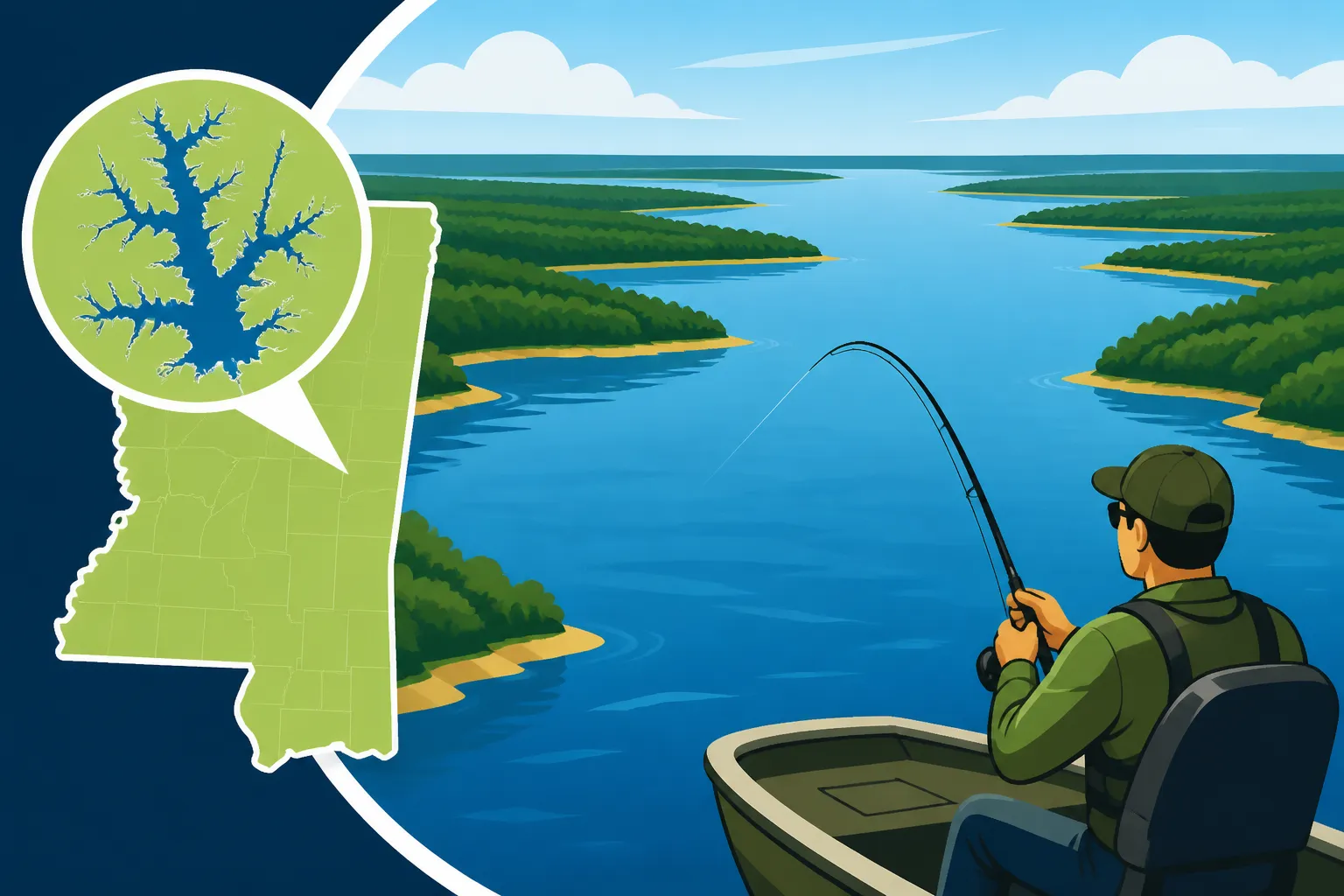
Let's talk numbers because they really paint the picture here. Ross Barnett Reservoir boasts an impressive 33,000 acres of surface area. To put that into perspective, that's roughly 51.5 square miles of water. Imagine a lake that's 18 miles long and about 3.5 miles wide at its widest point. That's a lot of water to explore! This vastness means you could spend days, weeks, or even years exploring different coves, channels, and open water stretches without ever truly fishing the same spot twice. It offers an incredible sense of solitude in some areas, while others hum with activity.
Beyond the watery expanse, the shoreline of Ross Barnett Reservoir is equally remarkable, stretching for approximately 105 miles. This isn't just a straight line; it's a winding, intricate network of bays, points, humps, and coves. For bank anglers or those looking to explore with a kayak or canoe, this extensive shoreline provides countless access points and diverse fishing opportunities, from shallow reed beds to rocky banks. The sheer length of the shoreline also means that local knowledge becomes incredibly valuable; knowing which stretches are productive at certain times of the year can make all the difference.
Average and Maximum Depths: Exploring the Underwater World
Just as important as the surface area is what lies beneath. The depths of the Ross Barnett Reservoir vary considerably, influencing where fish reside and how they behave throughout the year. The average depth of the reservoir is around 9 feet. While this might sound relatively shallow for such a large body of water, it contributes to the lake's rich aquatic vegetation and abundant baitfish populations, which are key drivers of its fantastic fishing. Shallow areas tend to warm up faster in spring, making them prime spawning grounds for species like crappie and bass.
However, the "average" doesn't tell the whole story. The reservoir's maximum depth can reach up to 60 feet in certain areas, particularly in the original Pearl River channel and near the dam. These deeper sections are crucial during the hotter summer months when fish seek cooler, more stable temperatures. Anglers targeting big catfish often focus on these deep channels, while bass and crappie can be found suspended over deeper water or tucked into submerged structures along these drop-offs. Understanding these depth variations is vital for any angler, as it dictates your approach, from bait selection to presentation, whether you're working a shallow cove or probing a deep river bend.
What Its Size Means for Anglers
The immense size of Ross Barnett Reservoir isn't just a statistic; it profoundly impacts the fishing experience, presenting both unique challenges and incredible rewards. It means anglers need to approach their trips with a different mindset than they might for a smaller, more intimate lake.
Navigating a Large Body of Water: Strategies for Success
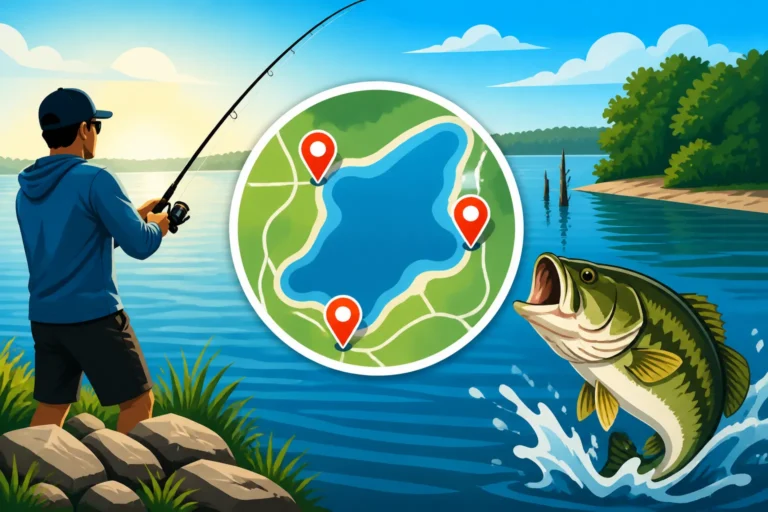
Navigating a 33,000-acre body of water can feel overwhelming, especially for newcomers. The biggest challenge is simply covering enough ground to find active fish without wasting precious fishing time. It's not uncommon for anglers to spend half a day just trying to get from one section to another. Because of this, detailed planning is essential. Before you even launch your boat, studying a good map or using a reliable GPS app on your phone or boat's fish finder is non-negotiable. Identifying key structures like creek channels, submerged humps, roadbeds, and brush piles beforehand can significantly cut down on aimless searching.
Another crucial aspect of navigating such a large reservoir is understanding the numerous access points. Ross Barnett Reservoir offers many public and private boat ramps, each providing access to different sections of the lake. For instance, launching from the Pelahatchie Bay area might be ideal if you're targeting bass in the shallower, grassy sections, while launching closer to the dam could give you quicker access to deeper water for crappie or catfish. Knowing the location of these access points, and researching "Ross Barnett Reservoir Boat Ramp Locations", can save you a lot of time and frustration. Also, always keep an eye on weather conditions; a large lake can get rough very quickly, making long runs uncomfortable or even dangerous in smaller vessels.
Diverse Habitats and Fishing Opportunities: A Natural Riches
The sprawling nature of the "Barnett" means it offers an incredible array of diverse habitats, which in turn supports a healthy population of various fish species. You'll find everything from shallow, cypress-lined backwaters and extensive grass beds to deep river channels and wide-open main lake flats. This ecological diversity is a dream come true for anglers because it means you can effectively target different species or switch up your techniques based on conditions or personal preference.
For instance, the northern reaches of the reservoir, particularly around the Pelahatchie Creek arm, are famous for their abundant submerged vegetation and cypress trees, making them prime territory for "Ross Barnett Reservoir Bass Fishing". Anglers can spend hours flipping jigs into cover or throwing topwater lures over grass mats. In contrast, the mid-lake and southern sections, with their deeper channels and numerous brush piles, are a hotspot for "Ross Barnett Reservoir Crappie Fishing". Here, you might employ spider rigging, jigging, or trolling techniques to entice these popular panfish. And, of course, the deeper main river channel and its tributaries are fantastic for trophy catfish, especially blue and channel cats. This incredible variety means that whatever your preferred style of fishing, the Ross Barnett Reservoir likely has a spot for you.
Planning Your Fishing Trip on the "Barnett"
Given its massive size, approaching a fishing trip on Ross Barnett Reservoir requires a strategic plan. You can't just show up and expect to stumble upon the best spots without some homework. Treating the reservoir as a collection of smaller, interconnected fishing zones is often the most effective way to maximize your time and increase your chances of success.
Breaking Down the Reservoir into Manageable Sections
Instead of seeing Ross Barnett as one giant lake, smart anglers often divide it mentally (or even physically on a map) into smaller, more manageable sections. For example, the upper reaches near State Highway 43 are distinct from the mid-lake area around the State Highway 471 bridge, which is different again from the lower reservoir closer to the dam and Jackson. Each section can have its own dominant features, average depths, and fish patterns.
Consider focusing on one or two of these "mini-lakes" per trip. If you're after bass, you might concentrate on the expansive shallow flats and cypress trees of Pelahatchie Bay and the surrounding creeks. For crappie, the deeper timber and channel bends around Fannin Landing or the main lake might be your target. By narrowing your focus, you can learn the nuances of a specific area rather than feeling overwhelmed by the entire reservoir. This approach allows you to build a comprehensive understanding of specific patterns, depths, and structures that consistently hold fish, making subsequent trips even more productive. Don't forget to look into a dedicated "Pelahatchie Bay Fishing Guide" if that's where you plan to spend your time.
Resources for Maximizing Your Time: Tools for Anglers
In an age of information, there's no excuse to go unprepared. Leveraging available resources can dramatically improve your fishing experience on a large reservoir like Ross Barnett. Online forums, local bait shops, and fishing reports are invaluable for getting real-time insights into what's biting, where, and on what. The Mississippi Department of Wildlife, Fisheries, and Parks (MDWFP) often publishes detailed stocking reports and fishing forecasts that can guide your efforts.
For those who want to jumpstart their learning curve or simply enjoy a hassle-free day, hiring a local fishing guide is an excellent investment. These professionals spend countless hours on the water and possess an intimate knowledge of the reservoir's ever-changing patterns. They know where the fish are hiding, what baits they're hitting, and how to navigate the vast waters efficiently. Websites like FishingBooker are fantastic resources for finding reputable, licensed guides who specialize in Ross Barnett Reservoir, whether you're targeting bass, crappie, or catfish. They can provide all the gear, boat, and expertise, letting you focus purely on the fishing. A guide can help you understand the "Best Time of Year to Fish Ross Barnett Reservoir" for your target species, too.
Comparison with Other Major Mississippi Lakes
To truly grasp just how big Ross Barnett Reservoir is, it often helps to compare it to its peers within the state. Mississippi is blessed with many fantastic fishing lakes, but few rival the "Barnett" in terms of sheer scale and recreational usage.
How Ross Barnett Stacks Up: A Look at the Giants
Let's put Ross Barnett Reservoir's 33,000 acres into perspective by comparing it to some of Mississippi's other premier fishing destinations:
| Lake Name | Surface Area (Acres) | Primary Fishing Species | Notable Features |
|---|---|---|---|
| Ross Barnett Reservoir | 33,000 | Largemouth Bass, Crappie, Catfish, White Bass | Extensive shoreline, diverse habitats, close to Jackson |
| Grenada Lake | 35,000 | Crappie (famous for), Bass, Catfish | Known for giant crappie, extensive timber, deep channels |
| Sardis Lake | 32,000 | Crappie, Bass, Catfish, Bream | Very popular, good all-around fishing, clear water in areas |
| Pickwick Lake (MS portion) | ~9,000 | Smallmouth Bass, Largemouth Bass, Crappie, Catfish | Tennessee River system, clear water, smallmouth haven |
| Enid Lake | 16,000 | Crappie, Bass, Catfish, Bream | Excellent crappie, quieter than Grenada/Sardis |
| Arkabutla Lake | 11,000 | Crappie, Bass, Catfish, Bream | Westernmost flood control lake, good early season crappie |
As you can see, Ross Barnett Reservoir is right up there with Grenada and Sardis Lakes as one of the largest bodies of water in the state. While Grenada Lake edges it out slightly in acreage, all three offer massive expanses for anglers. This table makes it clear why these large reservoirs are often highlighted in guides like "Best Fishing Spots in Mississippi" and draw anglers from across the region. The sheer amount of water means less crowding (comparatively speaking) and more room for fish populations to thrive and spread out.
Unique Features Attributable to Its Size: More Than Just Water
The size of Ross Barnett Reservoir contributes to several unique features that enhance its appeal to anglers. Firstly, its expansive nature allows for varied recreational activities beyond fishing, including pleasure boating, water skiing, and paddle sports, without feeling overly crowded. This balance is crucial for a multi-use reservoir. Secondly, the large surface area means that specific fishing pressure can be somewhat diluted; if one area is getting hit hard, there's always another cove or point miles away that might be relatively untouched.
Furthermore, the large watershed feeding into the reservoir means it’s a dynamic system. Water levels can fluctuate, and currents can be present, especially around the Pearl River channel, which directly impacts fish behavior and locations. Its size also contributes to its ecological resilience; it can support a large biomass of fish, leading to consistent fishing opportunities year after year. The substantial shoreline, with its mix of residential development, parks, and undeveloped natural areas, provides a diverse interface between land and water, fostering a rich environment for different species. For anyone considering a trip, understanding the reservoir's immense scale and its implications for navigation and habitat diversity is key to truly appreciating this magnificent fishery. You can find more general information about "Mississippi Fishing Regulations Explained" and "Mississippi Fishing Seasons Calendar" to round out your knowledge.
Disclaimer
Please note that fishing conditions, regulations, and fish populations can change. Always consult the latest Mississippi Department of Wildlife, Fisheries, and Parks (MDWFP) regulations before planning your trip. This guide is for informational purposes only and should not be considered legal advice.