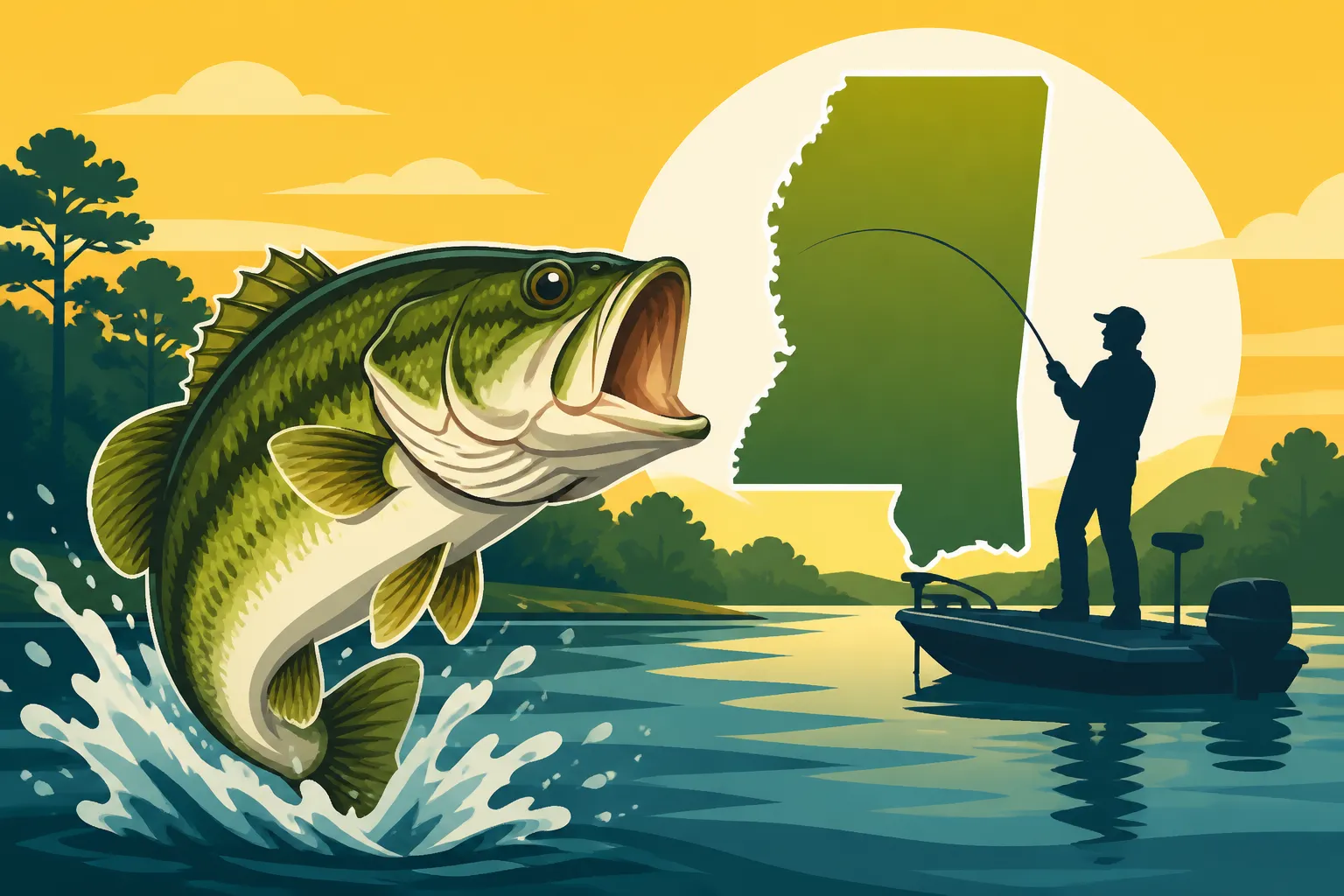
Best Bass Fishing Lakes in Mississippi
There's nothing quite like the thrill of a hard-hitting bass, but finding those elusive hotspots in a state as rich with water as Mississippi can feel like searching for a needle in a haystack. Many anglers spend countless hours on lakes only to come up short, struggling to pinpoint where the biggest, most aggressive largemouth, smallmouth, or spotted bass are hiding. This comprehensive guide is here to cut through the confusion, revealing the very best bass fishing lakes in Mississippi, offering insights into their unique characteristics, and arming you with the strategies to make your next trip a resounding success.
Ross Barnett Reservoir: The Central Mississippi Powerhouse
Often affectionately called "The Rez," Ross Barnett Reservoir is a massive, sprawling body of water just northeast of Jackson. It's truly a powerhouse for bass fishing, offering incredible diversity that can challenge and reward anglers of all skill levels. From its shallow, stump-filled bays to its deeper main lake channels and cypress-laden shorelines, the Barnett holds a substantial population of healthy largemouth bass, with plenty of opportunities for trophy-sized catches. It’s a lake that demands adaptability, but the rewards are definitely worth the effort.
Understanding the Barnett's Diverse Habitat
The sheer size and varied topography of Ross Barnett Reservoir contribute to its reputation as a premier bass fishery. You've got everything from wide-open main lake areas that feel almost like a large river, to countless creeks, sloughs, and protected bays like Pelahatchie Bay. These areas are often choked with lily pads, submerged timber, and emergent vegetation, providing ideal ambush points for largemouth bass. Further upstream, the Pearl River feeds the reservoir, bringing with it a different set of challenges and opportunities, particularly for those targeting current-oriented fish. The constant influx of nutrients and diverse cover means bass have plenty of places to hide, feed, and spawn.
Navigating this varied habitat is key to consistent success. For instance, the northern reaches near the river tend to be shallower and feature more stump fields and fallen trees, while the central and southern parts have deeper channels, marinas, and expansive flats. Knowing these differences helps you decide not just where to fish, but also what techniques to employ. Whether you're pitching jigs into heavy cover or throwing crankbaits over main lake points, the Barnett has a spot for it. Anglers often find success by focusing on transitional areas where different types of cover meet, such as where a cypress line gives way to an open flat or a creek channel runs alongside a shallow point.
Key Bass Fishing Strategies for The Rez
Fishing Ross Barnett Reservoir effectively means having a versatile tackle box and an open mind. One of the most productive strategies, especially during warmer months, involves targeting the abundant vegetation. Throwing frogs, toads, and buzzbaits over lily pads and matted grass can produce explosive topwater strikes that will get your heart pounding. When the bass aren't looking up, flipping and pitching heavy jigs or soft plastics into dense cover is a go-to tactic. This allows you to get your bait right into the fish's living room, provoking a reaction strike.
Another effective approach involves understanding the reservoir's creek channels and deeper ledges, particularly in the main lake sections. Bass will often relate to these drops and contours, especially when transitioning between shallow and deep water during seasonal changes. Deep diving crankbaits, football jigs, and Carolina rigs can be incredibly effective when slowly worked along these underwater highways. Don't overlook the many boat docks and marinas scattered around the lake; these man-made structures provide shade and cover, holding bass year-round. For more general advice on how to find the fish, check out our guide on how to pattern bass on a new lake.
Seasonal Bass Patterns on Ross Barnett
The bass patterns on Ross Barnett Reservoir change dramatically with the seasons, making timing and adaptability crucial. In spring, as water temperatures rise, bass move into the shallows for the spawn. This is prime time for sight fishing with Texas-rigged worms, Senkos, and lizards around cypress trees, lily pads, and shallow points. The pre-spawn period often sees fish gorging themselves, making crankbaits and spinnerbaits highly effective.
Summer fishing on the Rez can be challenging due to the heat, but early mornings and late evenings offer fantastic topwater action. During the day, bass retreat to deeper, cooler water or seek shade under thick cover. Flipping and pitching into dense mats, targeting deeper brush piles, or working creek channels become more productive. Our guide on how to catch bass in hot summer weather offers some excellent tips. As fall approaches, bass become highly active, chasing shad and other baitfish. This is a fantastic time for power fishing with lipless crankbaits, spinnerbaits, and swimbaits in schooling areas and along creek bends. Finally, winter fishing on the Barnett requires patience. Bass will congregate in deeper, less turbulent areas, often near creek channels or main lake humps. Slow-rolling jigs and football jigs can entice sluggish bites during this colder period.
Pickwick Lake: Northern Mississippi's Largemouth Haven
Stretching across the borders of Mississippi, Alabama, and Tennessee, Pickwick Lake is a legendary fishery, especially renowned for its diverse bass population. While many might associate it with smallmouth, Mississippi's section, particularly the lower end, offers spectacular largemouth fishing, along with a healthy population of spotted bass. The Tennessee River system backs up into this lake, creating an incredibly rich and productive environment with varied structure and forage. It’s a must-visit for any serious bass angler looking for quality fish and a stunning backdrop.
Structure Fishing on Pickwick
Pickwick Lake is a structure angler's dream. The main Tennessee River channel, which runs through the lake, provides deep ledges, humps, and current breaks that are magnets for bass. Largemouth bass will often position themselves on the deeper edges of these ledges, especially when current is present, ambushing baitfish that are swept past. Key structures to target include submerged roadbeds, old foundations, rock piles, and shell beds – all of which can be found along the channel swings and contours. Using your electronics to identify these subtle changes in the bottom is paramount here.
Fishing these structures often involves a combination of deep-diving crankbaits, football jigs, and big worms. When the fish are active, crankbaits can cover water quickly and draw aggressive strikes. For more lethargic or wary fish, a slower presentation with a jig or a shaky head worm can be irresistible. Don't forget about the abundant current breaks created by islands, points, and bridge pilings. These areas can hold schooling bass, especially when baitfish are pushed up against them by the flow of water. Anglers looking to explore deeper structure might consider hiring a local guide through platforms like FishingBooker to quickly learn the nuances of the lake.
Targeting Smallmouth and Spotted Bass
While largemouth are abundant, Pickwick Lake is also famous for its bronzebacks – the feisty smallmouth bass. These fish prefer rocky bottom, current, and deeper, cooler water, often frequenting the main river channel and the tailrace below Pickwick Dam. Smallmouth are known for their strong fights and acrobatic jumps, making them a thrilling target. Popular baits for smallmouth include smallmouth jigs, tubes, drop shots, and jerkbaits, often fished around rocky points, ledges, and current seams.
Spotted bass, or "spots," are also prevalent throughout Pickwick, often inhabiting areas similar to smallmouth but also venturing into the intermediate depths where they can be found alongside largemouth. Spots are aggressive feeders and put up a great fight on lighter tackle. They readily hit a variety of lures, from shaky head worms and small crankbaits to swimbaits. Pay close attention to rocky banks, bluffs, and transition zones where rock meets mud or gravel for both smallmouth and spotted bass. Our guide on Bass Identification Guide for Mississippi Anglers can help you tell the difference between these exciting species.
River vs. Lake Section Dynamics
Understanding the dynamic interplay between the river and lake sections of Pickwick is crucial for consistent bass fishing success. The upper reaches of the lake, closer to the dam, tend to have more current and resemble a riverine environment, favoring smallmouth and current-oriented largemouth. The water here is often clearer and cooler. As you move downstream into the more impounded sections, the lake widens, the current lessens, and the environment becomes more conducive to larger largemouth bass inhabiting bays, coves, and areas with more vegetation.
This dynamic means your approach should change depending on where you're fishing. Upriver, focus on current breaks, rocky ledges, and eddies with baits that can be worked efficiently in moving water. Downriver, in the wider lake sections, you'll want to target submerged timber, brush piles, docks, and any available vegetation with a wider array of power fishing and finesse tactics. Many anglers who fish Pickwick regularly divide their time, dedicating certain days or parts of the day to either the river or lake sections based on conditions and what species they hope to target.
Grenada Lake: Beyond Crappie, Home to Giant Bass
Grenada Lake, famous for its trophy crappie, often surprises anglers with its incredible largemouth bass fishery. While the crappie draw much of the attention, this sprawling North Mississippi reservoir consistently produces some truly massive bass, including potential state record contenders. Its unique blend of habitat, particularly its abundant standing timber and fertile, stained waters, creates an ideal environment for largemouth to grow large and healthy. Don't let the crappie reputation fool you; Grenada is a serious bass lake.
How Grenada's Habitat Creates Big Bass
Grenada Lake's habitat is what makes it so special for growing big bass. A significant portion of the lake still contains standing timber – old trees that were left when the lake was impounded. These submerged forests provide unparalleled cover and structure, acting as prime ambush points for largemouth. Additionally, the lake features numerous creek channels, points, and flats, many of which are covered in brush piles or natural woody debris. The water in Grenada is typically stained, ranging from murky to a dark tea color, which often helps bass feel more secure and less pressured, leading to more aggressive feeding.
The abundance of forage also plays a huge role. Grenada is teeming with shad, bream, and other baitfish, providing a constant food source that allows bass to pack on the pounds. The lake's naturally fluctuating water levels, managed for flood control, also create constantly changing fishing conditions, pushing bass in and out of different types of cover. Anglers who learn to read these conditions and understand how bass relate to the timber and fluctuating water can unlock some truly exceptional fishing experiences here. It's a challenging lake to learn, but the reward of a true giant bass is very real.
Bass Fishing in the Stained Waters of Grenada
Fishing the stained waters of Grenada Lake requires some specific adjustments in your approach compared to clearer lakes. Visibility is often limited, meaning bass rely more on their lateral line and scent to detect prey. This makes baits that create a lot of vibration and sound, or have a strong profile, particularly effective. Large spinnerbaits with thumping blades, rattling lipless crankbaits, and big-bladed chatterbaits are excellent choices for covering water and calling fish in.
When fishing heavy cover like standing timber or brush piles, don't be afraid to use heavier line and tackle. Pitching stout jigs, Texas-rigged creature baits, or even large soft plastic swimbaits into the densest cover is often where the biggest bass hide. Bright, contrasting colors like chartreuse, white, or black and blue can also be more visible in stained water. Remember, bass are often positioned tight to cover in these conditions, so accurate casts and persistent presentations are crucial. Our detailed guide on Mississippi Black Bass Regulations is a must-read before you head out, ensuring you're up to date on all limits and rules.
Exploiting Seasonal Movements for Trophy Bass
Just like any large reservoir, Grenada Lake's bass movements are highly seasonal. Spring is prime time for trophy bass, as fish move shallow to spawn. Look for them in protected coves, flooded timber, and shallow creek arms. Spinnerbaits, jigs, and slow-moving soft plastics are deadly during this period. The pre-spawn phase, when bass are feeding aggressively, offers excellent opportunities for lipless crankbaits and bladed jigs along creek channels and points.
In summer, bass often move deeper, suspending in the standing timber or relating to the deep creek channels, especially during the heat of the day. Early mornings and late evenings might see them push into shallower cover to feed. During these hotter months, slower presentations like shaky heads or even deep-diving crankbaits can be effective. Fall sees a resurgence of activity as bass chase shad. Topwater lures, crankbaits, and swimbaits become highly productive as fish feed up for winter. During winter, bass can be found grouped up on deep structure, often in timbered creek channels. Vertical jigging spoons or slowly working jigs can elicit bites from these cold-water giants.
Okhissa Lake: A Trophy Bass Destination
Nestled within the Homochitto National Forest near Meadville, Okhissa Lake is a true gem among Mississippi's bass fisheries. This relatively young, 1,100-acre lake was designed specifically for trophy bass management and is stocked with pure Florida-strain largemouth. The result? A pristine, clear-water lake that consistently produces big, healthy bass. If you're looking for a serious challenge and the chance to catch a true lunker in a breathtaking natural setting, Okhissa is the place to be.
The Florida-Strain Advantage
Okhissa Lake's claim to fame lies in its management as a trophy bass fishery, largely thanks to its stocking with Florida-strain largemouth bass. These specific genetics are known for their potential to grow much larger than their native Northern-strain cousins, given the right conditions. The lake was meticulously designed with various depths, standing timber, submerged humps, and artificial habitat structures to maximize bass growth and survival. This focus on genetics and habitat creates a real opportunity for anglers to land truly exceptional fish, often pushing the double-digit mark.
The pristine, clear waters of Okhissa also contribute to the health and growth of these Florida-strain bass. While clear water can sometimes make bass more wary, it also means a healthy ecosystem with plenty of oxygen and a robust food chain. The lake's structure, intentionally designed for optimal fish habitat, provides perfect ambush points and schooling areas. Many anglers travel specifically to Okhissa with the hope of catching their personal best, a testament to the lake's reputation as a trophy destination.
Sight Fishing and Clear Water Tactics
Fishing Okhissa's clear waters demands a more subtle and finessed approach than some of Mississippi's stained reservoirs. Bass here often have excellent visibility, meaning your line, lure choice, and presentation all need to be on point. During the spring spawn, Okhissa offers fantastic opportunities for sight fishing. When the bass are on their beds, you can literally see them, and with careful presentation, you can often coax a strike. Long casts, light line, and natural-colored soft plastics like lizards, trick worms, and Senkos are crucial for not spooking these wary fish.
Beyond the spawn, finesse techniques continue to shine. Drop shot rigs, shaky heads, and weightless wacky-rigged worms are excellent for enticing bites from finicky bass. Matching the hatch with realistic baitfish imitations and crayfish patterns can also be highly effective. Early mornings and late evenings, or overcast days, can offer better opportunities for topwater lures or shallower crankbaits, as the low light makes bass feel more comfortable feeding in the open. Always be mindful of your boat's shadow and your movements, as bass in clear water are easily spooked.
Navigating Okhissa's Unique Structure
Okhissa Lake boasts a meticulously designed structure, specifically created to enhance bass habitat. Anglers will find a combination of natural and artificial elements to target. The lake features extensive standing timber, much like Grenada, but in a clearer water setting, which means fish can be suspended or relating tightly to the vertical cover. There are also numerous submerged humps, ridges, and creek channels that wind through the lake, providing bass highways and congregation points.
Additionally, the Mississippi Department of Wildlife, Fisheries, and Parks (MDWFP) has implemented various artificial habitat structures, including gravel beds, PVC structures, and cedar brush piles, to further enhance the fishery. Learning to identify and fish these structures effectively, often with the aid of good sonar, is key to success on Okhissa. Deep-diving crankbaits, football jigs, and spoons can be effective when worked along these deep contours. For those who want a head start on finding these sweet spots, consider researching or even hiring a guide specializing in Okhissa bass fishing. Our post on where to find Bass Identification Guide for Mississippi Anglers can help you distinguish between the different bass species you might encounter.
Lake Washington: The Delta's Hidden Gem for Bass
When you think of Mississippi Delta fishing, crappie often comes to mind, but Lake Washington stands out as a phenomenal largemouth bass fishery. This sprawling oxbow lake, located near Glen Allan, offers a vastly different fishing experience than the impoundments further north. Its shallow, fertile waters, abundant cypress trees, and extensive vegetation make it a true haven for big, healthy largemouth bass, providing a unique challenge and rewarding experience for those willing to explore its vastness.
The Unique Allure of Oxbow Lakes
Lake Washington is a classic example of an oxbow lake – a U-shaped body of water formed when a wide meander of a river is cut off from the main stem, creating a standing lake. This origin gives it several unique characteristics that are highly beneficial for bass. The lake is generally shallow, typically ranging from 4 to 15 feet deep, and incredibly fertile. The rich, silty bottom and slow-moving water create an ideal environment for aquatic vegetation to thrive, from lily pads and hydrilla to duckweed and cypress trees.
These features make Lake Washington a vibrant ecosystem supporting a massive population of baitfish, which in turn fuels the growth of its largemouth bass. Unlike reservoirs with fluctuating levels, Lake Washington's water levels are relatively stable, allowing vegetation and habitat to develop consistently. This stability provides bass with reliable cover year-round. Fishing an oxbow like Washington is an immersive experience, often feeling more secluded and wild than a bustling reservoir, offering a chance to truly connect with nature while chasing big fish.
Weeds, Cypress, and Spinnerbait Success
Fishing Lake Washington for bass almost always involves navigating and targeting its abundant vegetation and cypress trees. These features are the lifeblood of the lake's bass population, providing shade, cover, and ambush points. Spinnerbaits are incredibly effective here, especially those with large thumping blades that can push through vegetation and displace water, attracting bass from a distance. Chartreuse and white are classic, dependable colors that work well in the often-stained water.
Flipping and pitching jigs, creature baits, and heavy Texas-rigged worms into the densest mats of lily pads, hydrilla, and around the bases of cypress trees is another highly productive strategy. Don't be shy about getting your bait right into the thick stuff; that's often where the biggest bass are hiding. Topwater frogs and toads are also incredibly exciting baits to throw over the matted vegetation, producing explosive strikes that can be truly unforgettable. Pay close attention to subtle changes in weed lines, small pockets, and any openings in the cover, as these can be key staging areas for bass. For more tips on effective fishing, consider checking out our guide on best fishing spots on the Mississippi River near Vicksburg, as oxbow lakes share some common characteristics with river backwaters.
Fishing the Delta's Bass Factories
Lake Washington isn't just a good bass lake; it's a true Delta bass factory. The sheer volume of cover, coupled with the rich ecosystem, ensures a healthy and prolific bass population. Anglers often find success by focusing on the seemingly endless lines of cypress trees that ring parts of the lake, systematically working each tree and its immediate surroundings. The small pockets and openings within expansive hydrilla beds are also prime targets, often holding multiple fish.
Beyond the obvious cover, look for subtle underwater irregularities. Old stumps, slight depth changes, or hard spots on the bottom can concentrate fish. The key to consistency on Lake Washington is patience and persistence in working the heavy cover. It's a lake where you might not get a ton of bites, but the bites you do get often come from quality fish. The peaceful atmosphere of the Delta, combined with the chance for a truly memorable bass, makes Lake Washington an essential stop for any Mississippi bass angler.
Sardis Lake: A Northern Mississippi Favorite
Sardis Lake, another of North Mississippi's flood control reservoirs, is widely known for its excellent crappie fishing, but it holds its own as a fantastic bass fishery as well. With its sprawling waters, diverse habitats ranging from shallow timber to main lake points, and ever-changing water levels, Sardis offers a dynamic and engaging experience for largemouth bass anglers. While it can be challenging due to its nature as a flood control reservoir, understanding its unique characteristics can lead to highly successful bass outings.
Reservoir Characteristics and Bass Behavior
Sardis Lake is a large impoundment, characterized by a mix of open water, extensive shallow flats, and numerous creek arms that snake through flooded timber and brush. As a flood control reservoir, its water levels can fluctuate significantly throughout the year. These fluctuations play a critical role in bass behavior, often concentrating fish on certain types of cover or pushing them into specific depth ranges. When water levels are high, bass will often move into newly flooded vegetation, offering excellent shallow water flipping and pitching opportunities.
Conversely, when water levels drop, bass retreat to more permanent cover like standing timber, creek channels, and main lake points. The water in Sardis can range from clear to stained, depending on rainfall and time of year, which also influences bass activity and preferred lure colors. The presence of ample baitfish, especially shad, ensures a robust food source for its largemouth population. Our guide on Sardis Lake Fishing Guide delves deeper into the lake's overall fishing potential.
Top Techniques for Sardis Largemouth
Fishing for largemouth bass on Sardis Lake requires a versatile approach. During periods of stable water, target the extensive standing timber in the lake's many creek arms. Flipping and pitching jigs, Texas-rigged creature baits, and weighted soft plastics are excellent for probing this dense cover. Spinnerbaits and bladed jigs can also be very effective when worked around the edges of the timber or through sparse vegetation.
When bass are in shallower water, especially during the spring spawn or when levels are high, topwater lures like frogs, buzzbaits, and poppers can provide explosive action. Crankbaits, particularly medium-diving models, excel when bass are relating to points, humps, or the edges of creek channels. Don't overlook the many brush piles and submerged laydowns that dot the lake; these can be discovered with good electronics or by exploring shallow coves. Finesse techniques like shaky heads and drop shots become important when bass are pressured or finicky, particularly in clearer water sections.
Adapting to Water Levels and Seasons
The key to consistent success on Sardis Lake lies in adapting your approach to its fluctuating water levels and distinct seasons.
In spring, as water levels rise and temperatures warm, bass move into the flooded buckbrush, timber, and shallower coves for spawning. This is prime time for shallow water techniques: pitching jigs, soft plastics, and spinnerbaits.
Summer can be challenging, as bass seek deeper, cooler water or dense shade. Focus on deeper creek channels, standing timber, and brush piles with jigs, worms, and deep-diving crankbaits. Early morning topwater action can also be productive along shaded banks.
Fall brings stable conditions and active feeding as bass chase schooling shad. This is a fantastic time for power fishing with crankbaits, spinnerbaits, and topwater lures over points and along creek channel bends.
During winter, bass often retreat to the deepest available cover, such as the main river channel or deep timbered areas. Slow-rolling jigs, spoons, and subtle shaky head presentations are often necessary to trigger strikes from lethargic fish. Staying updated on the lake's current water level reports from the Army Corps of Engineers can significantly impact your day's strategy.
Bay Springs Lake: Deep, Clear Water Bass Opportunities
Located in Northeast Mississippi, Bay Springs Lake offers a stark contrast to the Delta's oxbows and the murky flood control reservoirs. As part of the Tennessee-Tombigbee Waterway, Bay Springs is a deep, clear, and strikingly beautiful lake that provides exceptional fishing for both largemouth and smallmouth bass. Its clean water, extensive rocky structure, and deep channels make it a unique and rewarding challenge for anglers seeking a different kind of bass fishing experience in Mississippi.
Smallmouth and Largemouth in a Pristine Setting
Bay Springs Lake stands out as one of Mississippi's premier smallmouth bass fisheries, a species less common in the state's warmer, shallower waters. The lake's clear, cooler water, and abundant rocky structure mimic the ideal smallmouth habitat found further north. Anglers targeting smallmouth will find them relating to rocky points, bluffs, deep ledges, and submerged humps throughout the lake. These bronzebacks are aggressive fighters and provide a thrilling experience on light to medium tackle.
However, Bay Springs is far from a single-species lake; it also boasts a robust population of healthy largemouth bass. These largemouth tend to prefer the abundant standing timber, brush piles, and shallow pockets with sparse vegetation, often found deeper in the lake's numerous creeks and coves. The crystal-clear water allows for excellent visibility, often requiring longer casts and more subtle presentations to avoid spooking fish. The combination of both species thriving in such a pristine environment makes Bay Springs a truly special place to fish.
Targeting Deep Structure and Submerged Timber
Due to its clear and often deep water, fishing Bay Springs Lake effectively often involves targeting deep structure and submerged timber. Bass, especially smallmouth, will relate heavily to rocky bottom, ledges, and humps found along the main lake channel and river bends. Deep-diving crankbaits, football jigs, and heavy Carolina rigs are excellent choices for probing these depths. Using good electronics to identify depth changes, rock piles, and suspended baitfish schools is paramount here.
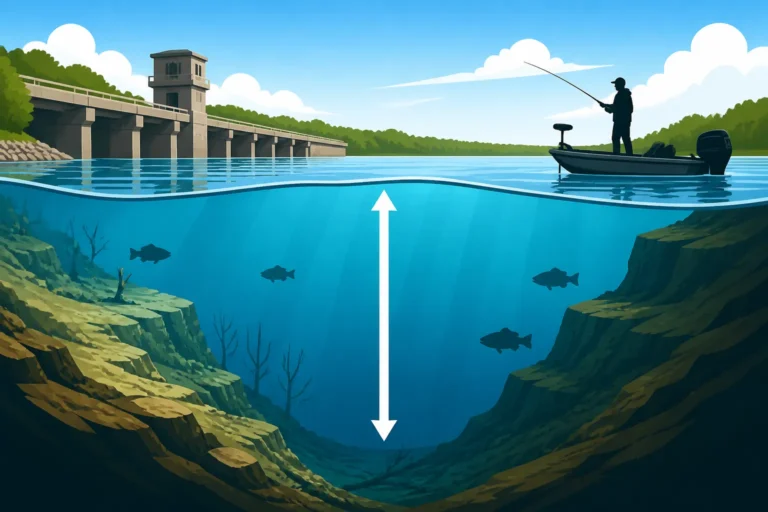
For largemouth, the abundant standing timber and brush piles are key. These can be found at various depths, from relatively shallow in creek arms to surprisingly deep on main lake points. Vertical presentations with jigs, spoons, and drop shots are effective for targeting fish suspended in or around this timber. Pay attention to temperature breaks and thermoclines during warmer months, as bass will often position themselves just above these layers. The clear water means baits with natural colors and subtle actions often outperform flashier, more aggressive lures. Consider reading our guide on Best Structure to Fish for Bass in a Reservoir for more detailed insights.
Seasonal Approaches for Bay Springs Bass
The seasonal patterns on Bay Springs Lake are distinct and require careful consideration. In spring, both largemouth and smallmouth move shallower for the spawn. Smallmouth will relate to rocky banks and gravel points, while largemouth prefer softer bottoms in shallower coves with submerged timber. Finesse plastics, jerkbaits, and small crankbaits work well.
Summer sees bass move deeper to escape the heat and bright sunlight. This is prime time for targeting deep ledges, submerged humps, and standing timber with deep-diving crankbaits, football jigs, and heavy spoons. Early mornings and late evenings might offer brief windows for topwater action over shallower points. Fall brings renewed activity as fish feed aggressively. Both species will chase schooling baitfish, making crankbaits, spinnerbaits, and topwater lures effective, especially around main lake points and creek mouths. During winter, bass consolidate on deep structure, often in large schools. Vertical jigging spoons, slow-rolled jigs, and blade baits can produce bites from these cold-water fish.
Lesser-Known Gems and State Fishing Lakes for Bass
While the major reservoirs get most of the attention, Mississippi is dotted with numerous smaller lakes and state fishing lakes that offer incredible, often overlooked, bass fishing opportunities. These hidden gems can provide a more peaceful experience, less crowded waters, and sometimes even the chance at a true trophy bass, without the pressure of the larger, more famous bodies of water. Don't underestimate the potential hiding in these smaller, more intimate settings.
Smaller Lakes Offering Quality Bass Fishing
Beyond the giants like Barnett and Pickwick, several other smaller- to medium-sized lakes across Mississippi consistently produce quality bass. Lakes such as Lake Monroe near Amory, often overlooked, offers excellent largemouth fishing with a mix of timber and hydrilla. Calling it a "sleeper lake," many locals enjoy its less crowded waters. Tangipahoa River, while a river system, has some great oxbows and backwaters in its lower reaches that offer fantastic bass. Lake Columbia in Marion County and Lake Mary in Wilkinson County are also known for their healthy bass populations and more tranquil settings. These lakes often have good populations of forage, and due to less fishing pressure, the bass can be less wary.
The key to success on these smaller lakes is often scouting. They might not have the extensive online reports of the major reservoirs, but a little exploration can go a long way. Look for traditional bass cover: standing timber, laydowns, lily pads, and rock formations. Often, simply driving around and looking for accessible banks or small boat ramps can lead you to a fantastic day of fishing. And remember, even smaller lakes can hold surprisingly large fish. For details on statewide fishing regulations that apply to all lakes, be sure to consult the Mississippi Fishing Regulations Explained guide.
Community Ponds and Bank Fishing Options
You don't always need a fancy boat or a giant lake to catch bass in Mississippi. The state is rich with community ponds, municipal lakes, and smaller, often privately owned, ponds that can offer phenomenal bank fishing for bass. These smaller bodies of water are typically well-stocked and managed, providing easy access for anglers without boats, or for those just looking for a quick fishing fix. Many of Mississippi's State Fishing Lakes, managed by the MDWFP, fall into this category, designed to provide accessible, quality fishing experiences.
Lakes like Lake Mike Conner (Covington County), Lake Bogue Homa (Jones County), and Lake Perry (Perry County) are prime examples. These lakes often have good bank access, fishing piers, and amenities for families. Bass in these environments can be less pressured than in larger lakes and are often willing to hit a variety of baits, from simple plastic worms and spinnerbaits to live minnows. They are fantastic places to introduce kids to fishing or to simply enjoy a peaceful afternoon casting from the shore. Always check local regulations, as some community ponds may have specific rules regarding bait or catch limits.
Licensing and Regulations for Lesser-Known Waters
Even for these smaller, seemingly informal fishing spots, it's absolutely crucial to be aware of the necessary licensing and regulations. In Mississippi, almost all public waters, regardless of size, require a valid fishing license for anyone aged 16 to 64. This includes state fishing lakes, municipal ponds, and any publicly accessible waterbody. There are specific exceptions, such as private ponds where you are fishing with permission, but it’s always best to err on the side of caution. If you're unsure, it's always safer to have a license.
Additionally, pay close attention to the specific creel and size limits for bass on these smaller lakes. While statewide limits apply to most waters, some state fishing lakes or community ponds may have special regulations in place to manage their specific fisheries, such as slot limits or reduced daily creel limits. These are usually posted prominently at the lake entrance or boat ramp. Ignorance of the rules is not an excuse, and penalties can range from fines to confiscation of gear. Ensure you have your Mississippi Fishing License Guide on hand or check the MDWFP website before heading out to any new spot.
Mississippi's Top Bass Fishing Lakes: At a Glance
To help you quickly compare and plan your next bass fishing adventure, here's a brief overview of the top lakes discussed, highlighting their key features for bass anglers.
| Lake Name | Primary Bass Species | Key Habitat Features | Best Fishing Season | Notable Tactics | Unique Selling Point |
|---|---|---|---|---|---|
| Ross Barnett Reservoir | Largemouth | Diverse: Cypress, lily pads, stumps, creek channels | Spring, Fall | Flipping, Frogging, Crankbaits, Jigs | Massive, varied habitat, close to Jackson |
| Pickwick Lake | Largemouth, Smallmouth, Spotted | Ledges, rocky points, current breaks, submerged timber | Spring, Fall | Deep Crankbaits, Jigs, Drop Shot, Jerkbaits | Diverse species, Tennessee River system influence |
| Grenada Lake | Largemouth | Extensive standing timber, stained water, creek channels | Spring, Fall | Heavy Jigs, Spinnerbaits, Lipless Crankbaits | Potential for truly giant bass, beyond crappie |
| Okhissa Lake | Largemouth (Florida Strain) | Clear water, designed habitat, standing timber, humps | Spring, Fall | Finesse, Sight Fishing, Drop Shot, Jigs | Trophy bass management, pristine environment |
| Lake Washington | Largemouth | Oxbow lake, cypress trees, hydrilla, lily pads | Spring, Fall | Spinnerbaits, Frogs, Flipping Jigs | Unique Delta oxbow, abundant vegetation |
| Sardis Lake | Largemouth | Fluctuating levels, standing timber, creek arms, points | Spring, Fall | Flipping, Spinnerbaits, Crankbaits, Jigs | Dynamic lake, adapting to water levels is key |
| Bay Springs Lake | Smallmouth, Largemouth | Deep, clear water, rocky structure, standing timber | Spring, Fall | Deep Cranking, Football Jigs, Drop Shot | Pristine clear water, excellent smallmouth fishing |
Disclaimer
The information provided in this guide is for general informational purposes only. Fishing conditions, regulations, and access points can change frequently. Always consult the official Mississippi Department of Wildlife, Fisheries, and Parks (MDWFP) website or current regulations guide before planning any fishing trip. Adherence to all local, state, and federal laws is the responsibility of the angler. Fishing carries inherent risks, and personal safety should always be your top priority.