Mississippi Hybrid Striped Bass Limit
It's incredibly frustrating when you're out on the water, having a fantastic day of fishing, and then suddenly you start second-guessing yourself about the rules. One minute you're reeling in a beautiful catch, and the next you're wondering, "Is this a hybrid striped bass? What's the limit for this one?" That moment of doubt can really take the joy out of fishing, especially when you know the Mississippi Department of Wildlife, Fisheries, and Parks (MDWFP) has regulations in place to protect our precious fisheries. This guide is here to clear up all that confusion about the Mississippi hybrid striped bass limit, helping you fish confidently and legally.
Understanding Hybrid Striped Bass in Mississippi Waters
Hybrid striped bass are truly remarkable fish, offering an exciting fight and excellent table fare. They're a cross between a striped bass and a white bass, designed to combine the best qualities of both: the fighting spirit and larger size potential of a striped bass with the hardiness and faster growth rate of a white bass. However, because they are a hybrid, they can sometimes be tricky to distinguish from their parent species, which is where a lot of the confusion for anglers often begins.
Identifying Hybrid Striped Bass
One of the biggest hurdles for anglers is confidently identifying a hybrid striped bass versus a pure striped bass or a white bass, especially when the regulations are often tied to these distinctions. Let's break down some key identifiers to help you out on the water.
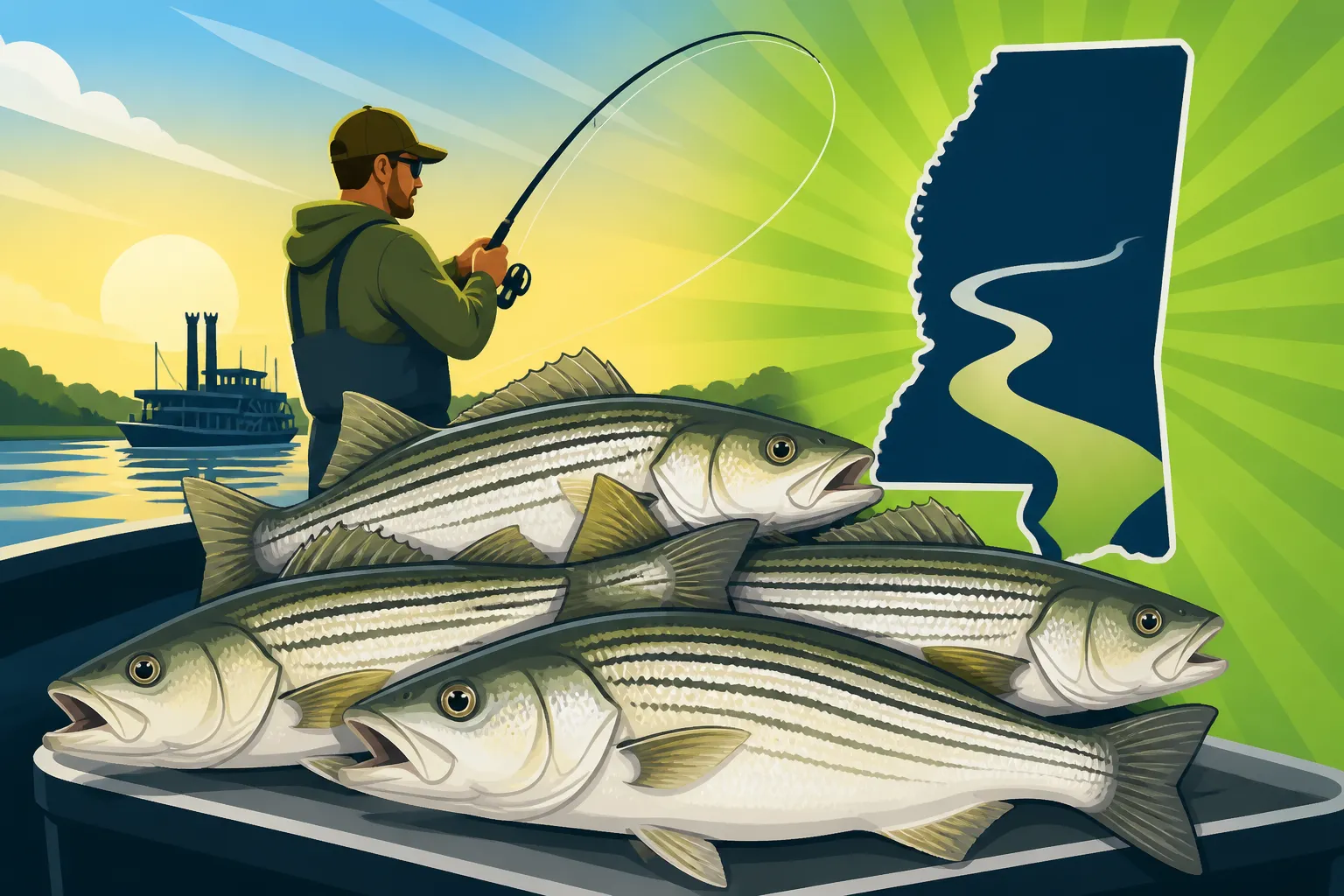
Firstly, look at the stripes. Hybrid striped bass typically have broken or disjointed lateral stripes, especially below the lateral line. You might see some stripes that are continuous, but many will be noticeably broken or irregular. In contrast, pure striped bass (often just called "stripers") usually have continuous, unbroken stripes from head to tail. White bass, the other parent, are generally smaller and have only one continuous stripe above the lateral line, with all other stripes being faint or broken. Another good indicator is the body shape: hybrids tend to have a deeper, stockier body than a pure striper, but are more elongated than a white bass. For quick identification, many anglers find that if the fish has more than one stripe that is clearly broken and not perfectly straight, it's a good bet it's a hybrid. It's a skill that comes with practice, but keeping a mental checklist can save you a lot of headache.
Where You'll Find Hybrids in Mississippi
Hybrid striped bass thrive in Mississippi's large reservoirs and rivers where they are often stocked to provide additional sportfishing opportunities. These fish are powerful swimmers and will range widely, chasing baitfish. Some of the most popular spots where you'll encounter them include major impoundments like Ross Barnett Reservoir, Grenada Lake, Sardis Lake, and Pickwick Lake. You'll often find them congregating in areas with abundant baitfish, like shad, especially around humps, points, and creek channels. They can also be found in the tailwaters below dams, where the current concentrates food.
The MDWFP specifically stocks these hybrids in certain lakes to create a robust fishery. These stockings help maintain healthy populations, as hybrids generally don't reproduce effectively on their own. Knowing the specific lakes where these stocking programs are active can give you a real advantage in targeting them. Often, fishing guides who specialize in larger reservoirs will target these powerful fish, knowing their patterns and preferred habitats. If you're looking to learn more about specific locations, checking out a guide on the Best Fishing Spots in Mississippi or even a dedicated guide on Ross Barnett Reservoir Fishing Guide can be immensely helpful.
Why We Have Specific Limits for Hybrids
The regulations around hybrid striped bass, and indeed all game fish, are in place for a crucial reason: conservation and sustainable fishing. The MDWFP manages fish populations to ensure that there are plenty of fish for future generations to enjoy. Hybrid striped bass are unique because they don't reproduce naturally, meaning their populations are entirely dependent on stocking efforts. If too many are harvested too quickly, the fishery can quickly decline, impacting both recreational fishing and the overall ecosystem.
Setting specific creel and size limits helps prevent overharvesting. It also allows enough fish to grow to a mature size, providing a better angling experience. These limits are not arbitrary; they are determined through scientific research, population surveys, and a deep understanding of the fish's biology and growth rates. It’s a delicate balance, trying to provide ample opportunity for anglers while safeguarding the resource. Adhering to these rules isn't just about avoiding a fine; it's about being a responsible steward of our natural resources and ensuring the longevity of Mississippi's fantastic fishing heritage.
The Official Mississippi Hybrid Striped Bass Limit
Understanding the official limits for hybrid striped bass in Mississippi is paramount for any angler. The rules can sometimes feel a bit convoluted, especially when certain species are grouped together, but breaking it down makes it much clearer. The MDWFP sets these regulations to manage fish populations effectively across the state.
Statewide Daily Creel and Size Limits
For most of Mississippi's freshwater bodies, the MDWFP groups hybrid striped bass with white bass and yellow bass. This combined limit is a common source of confusion, so let's clarify it:
Statewide Daily Combined Limit for White Bass, Yellow Bass, and Hybrid Striped Bass: 25 fish per person.
This means that whether you catch 25 white bass, 25 hybrid striped bass, or any combination of the three that totals 25 fish, you have reached your daily creel limit for these species. There is typically no minimum size limit for these species when caught in most statewide waters, allowing anglers to keep fish of various sizes within the daily bag limit. This approach simplifies things for anglers who might struggle to differentiate between smaller specimens of these similar-looking fish.
It's vital to remember this "combined" aspect. If you catch 15 white bass and then 10 hybrid stripers, you've hit your limit for the day for this particular group of fish, regardless of how many pure striped bass you might still be allowed to keep (which are regulated separately). You can find more comprehensive details on all the rules in the Mississippi Statewide Creel Limits guide.
Specific Lake and River Regulations
While the statewide limit provides a baseline, it's crucial to understand that certain lakes and rivers in Mississippi have their own unique regulations that supersede the general rule. These localized rules are often implemented due to specific ecological conditions, stocking programs, or the need to protect a particular fishery within that water body. Always check the MDWFP's current regulations guide or signs at boat ramps when fishing a new or unfamiliar body of water.
For example, Ross Barnett Reservoir often has slightly different rules due to its immense popularity and unique management needs. As of my last check, for Ross Barnett, the combined daily creel limit for white bass, yellow bass, and hybrid striped bass is often 20 fish per person, with no size limit. This is a common adjustment for heavily fished waters to prevent overharvesting. Another significant area is the Mississippi River. While the general statewide limits apply to the Mississippi River, anglers need to be mindful of specific border water rules, especially when fishing near the Louisiana or Arkansas state lines, as regulations can differ greatly. It's always best to consult the most current MDWFP fishing guide before heading out, as regulations can change. For those fishing larger impoundments, understanding these nuances is key. For example, if you're specifically targeting crappie on one of these lakes, you'll want to check out Mississippi Crappie Regulations by Lake as well, because all species are managed individually or in groups.
Here's a quick comparison of general limits versus a popular lake example:
| Species Group | Statewide General Limit (Daily) | Ross Barnett Reservoir (Daily) |
|---|---|---|
| White Bass, Yellow Bass, Hybrid Striped Bass | 25 (combined, no size limit) | 20 (combined, no size limit) |
| Pure Striped Bass (separated) | 5 (with specific size limits, usually 15-20 inches) | 5 (with specific size limits) |
Note: Pure striped bass (often 15 inches or larger, and up to 20 inches) have a separate daily limit, typically 5 fish, and often include a minimum size limit. This further highlights the importance of distinguishing hybrids from their purebred cousins.
This table illustrates why knowing your location is just as important as knowing your species! Always be sure to check the latest MDWFP publications for the most accurate and up-to-date information before your trip.
Staying Compliant: Tips for Anglers
Following fishing regulations isn't just about avoiding a penalty; it's about being a responsible angler and contributing to the health of Mississippi's fisheries. Sometimes, staying compliant can feel like a chore, especially when you're caught up in the excitement of a good bite. But with a few simple habits and tools, you can ensure you're always on the right side of the rules.
Essential Gear for Measuring and Counting
You wouldn't head out on the water without your rods and reels, and in the same vein, you shouldn't go without the right tools to ensure you're compliant with the rules.
First and foremost, a reliable fish measuring device is absolutely essential. This could be a rigid measuring board, a flexible tape measure, or even a sticker on your boat's gunwale. Make sure it's clearly marked in inches and easy to read, even when wet. Accuracy here is key – a quick, rough measure could lead to a violation if you're not careful. You can easily find durable, waterproof measuring tapes on sites like Amazon that are perfect for boat or tackle box use. Some even come with adhesive backing, so you can stick them right where you need them.
Secondly, a fish counter or stringer can be incredibly helpful for keeping track of your catch. When you're actively catching multiple fish, it's surprisingly easy to lose count, especially with combined limits like those for hybrid striped bass, white bass, and yellow bass. A simple clicker counter or a stringer with numbered clips can prevent accidental over-the-limit catches. For those who practice catch-and-release but keep some for the cooler, a clearly designated livewell or cooler space can also help keep your "keeper" count separate and accurate. Don't rely solely on memory; when the fish are biting, it's easy to get carried away.
Knowing When to Release or Keep
This is where the rubber meets the road. Once you've caught a fish, you have to make a quick decision. The first step is to gently land the fish and, if necessary, identify it. As we discussed, distinguishing a hybrid striped bass from a pure striper or white bass is crucial. If you're unsure, err on the side of caution or take a quick, close look at those stripes.
Once identified, measure the fish immediately if there's a size limit for that particular species. For hybrid striped bass in most Mississippi waters, there isn't a specific size limit per se (they fall under the combined species limit), but knowing the general regulations for Mississippi Fishing Creel and Size Limits for all species you might encounter is a good habit. If the fish is too small for a specific regulation (e.g., a pure striped bass that doesn't meet its minimum length), release it quickly and gently to maximize its chances of survival. If it meets the criteria and you intend to keep it, add it to your count.
When you reach your daily creel limit for any species or combined group, stop keeping those fish. It sounds obvious, but it's important. Switch your tactics to catch-and-release, or target a different species altogether that you still have a legal limit for. Responsible handling is also key: wet your hands before touching fish, use needle-nose pliers or dehooking tools to remove hooks, and support the fish's body, especially larger ones, to avoid internal damage. Every effort you make helps ensure a healthy population for the future.
Avoiding Penalties and Fines
No one wants to face a conservation officer with a guilty conscience or, worse, an actual violation. Understanding the potential consequences can be a powerful motivator to stay compliant. Fishing without the proper license or exceeding creel limits can lead to significant penalties. You can delve deeper into what happens in cases of non-compliance by reading our guide on Mississippi Fishing License Penalties and Fines.
The penalties typically involve fines, which can range from several hundred dollars to much more, depending on the severity of the violation and whether it's a repeat offense. In some cases, you might also face confiscation of your catch, fishing equipment, or even your boat. More seriously, fishing privileges can be suspended, meaning you might lose the right to fish in Mississippi for a period of time. These are not minor consequences and can quickly turn a fun day into a very expensive and regrettable experience.
The best way to avoid these headaches is simple: always check the current regulations before you go fishing. The MDWFP website is the official source. Print a copy or save it to your phone. Don't rely on old information or what a buddy thinks the rules are. If you're unsure about a fish's identity or the limit, it's always safer to release it. And, of course, always have your Mississippi Fishing License Guide in hand – or at least proof of purchase – because that's the absolute first thing an officer will ask for. Being prepared and knowledgeable is your best defense against accidental violations.
Conservation Efforts and the Future of Hybrid Stripers
Hybrid striped bass fishing is a vibrant part of Mississippi's angling scene, and a lot of work goes into keeping it that way. These fish don't just magically appear; their presence in our waters is a testament to dedicated conservation efforts and thoughtful management strategies by the MDWFP.
Stocking Programs and Their Importance
As mentioned earlier, hybrid striped bass generally don't reproduce successfully in the wild. This makes stocking programs absolutely critical for maintaining their populations in Mississippi's lakes and reservoirs. The MDWFP works tirelessly in hatcheries to produce these robust hybrids, which are then released into designated waters. These stockings ensure a consistent supply of fish for anglers, providing excellent sportfishing opportunities year after year.
These programs are carefully planned, taking into account the carrying capacity of each lake, existing fish populations, and angler demand. The timing and size of the fish stocked are also optimized for survival and growth. Without these continuous stocking efforts, the exciting hybrid striper fishery that many Mississippians enjoy simply wouldn't exist. It's a significant investment, both in terms of resources and scientific expertise, to keep these fisheries thriving. If you're interested in the broader picture of how these programs are funded, our article on How Mississippi Fishing License Fees Are Used provides some great insight.
The Role of Anglers in Hybrid Striper Conservation
As anglers, we play an indispensable role in the conservation of hybrid striped bass and all other fish species. It's a partnership: the MDWFP provides the fish and the regulations, and we, as responsible fishermen and women, adhere to those rules.
One of the most direct ways we contribute is by purchasing our fishing licenses. Those fees directly support the stocking programs, research, and enforcement efforts that benefit the entire fishery. Beyond licenses, practicing ethical angling is crucial. This means respecting creel and size limits, using proper catch-and-release techniques for fish you don't intend to keep, and being mindful of fish health. For example, if you catch a hybrid striper that appears stressed or injured, opting to release it, even if it's within the legal limit, contributes to the overall health of the population.
Another important aspect is reporting any suspicious or illegal fishing activity you might witness. This could be someone exceeding limits, fishing out of season, or using illegal gear. We are all stewards of the resource, and by being observant and responsible, we help ensure that Mississippi's fishing opportunities remain abundant for generations to come. Your actions on the water, whether it's adhering to the Mississippi Hybrid Striped Bass Limit or simply practicing good sportsmanship, directly impact the future of our incredible fishery.
Disclaimer
The information provided in this guide is intended for general informational purposes only and is based on publicly available data and common understanding of Mississippi fishing regulations. Fishing regulations, including creel limits and size restrictions, are subject to change by the Mississippi Department of Wildlife, Fisheries, and Parks (MDWFP). It is the angler's responsibility to consult the most current and official MDWFP regulations before engaging in any fishing activity. Relying solely on the information in this guide without verifying current regulations may result in violations and penalties.