Speckled Trout Size Limit in Mississippi
It can be incredibly frustrating to head out for a day of fishing, excited to reel in some beautiful speckled trout, only to feel uncertain about the exact rules that govern your catch. Nobody wants to accidentally break regulations or, worse, harm the very fish populations we love to pursue. This guide is here to clear up all the confusion surrounding the speckled trout size limit in Mississippi, helping you fish confidently and responsibly.
Understanding Mississippi's Speckled Trout Regulations
Navigating fishing regulations can feel like deciphering a complex code sometimes, but when it comes to beloved species like speckled trout (also known as spotted seatrout), understanding the rules is fundamental. These regulations aren't just arbitrary; they're carefully crafted by the Mississippi Department of Wildlife, Fisheries, and Parks (MDWFP) to ensure healthy fish populations for generations of anglers to come.
The Current Speckled Trout Size Limit
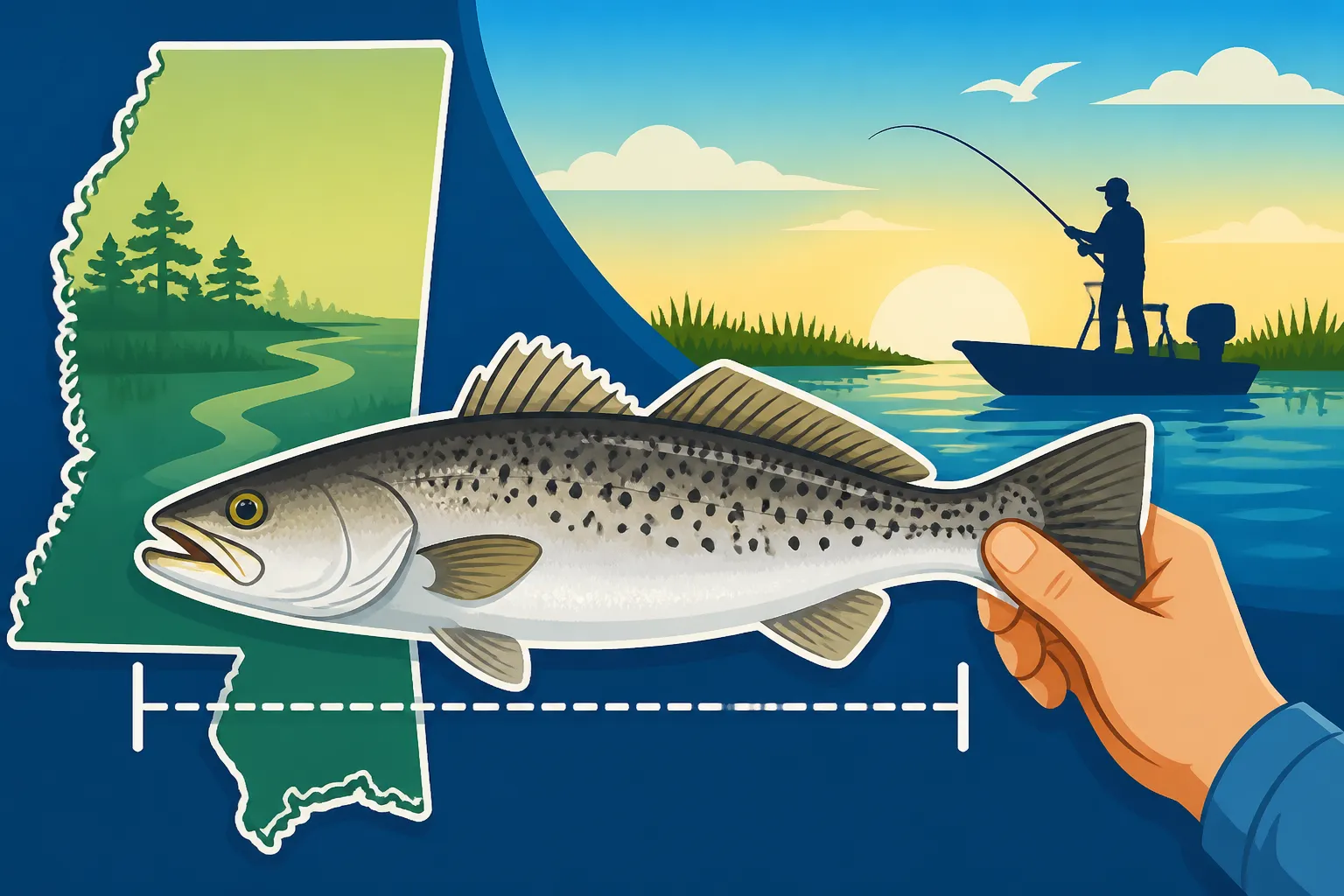
When you're out on the beautiful waters of the Mississippi Gulf Coast, eyeing those shimmering speckled trout, one of the first things you need to be absolutely sure about is the minimum size limit. Currently, in Mississippi, the minimum size limit for speckled trout is 15 inches total length. This means that from the tip of the trout's nose to the absolute tip of its tail (with the tail pinched together to get the longest measurement), your fish must measure at least 15 inches.
Why 15 inches, you might ask? It's all about allowing these incredible fish enough time to mature and reproduce at least once, if not multiple times, before they're harvested. Protecting these younger, pre-spawning fish is a cornerstone of sustainable fisheries management. If we consistently take fish before they've had a chance to spawn, the population simply can't replenish itself effectively, leading to fewer fish for everyone in the long run. Adhering to this minimum size ensures that a significant portion of the speckled trout population contributes to the next generation. For a broader overview of all the rules, check out our guide on Mississippi Fishing Regulations Explained.
Daily Creel Limits for Speckled Trout
Hand-in-hand with the size limit is the daily creel limit, which dictates how many fish of a particular species you can keep in a single day. For speckled trout in Mississippi, the daily creel limit is 10 fish per person. This limit is crucial because even if all the fish you catch are above the 15-inch minimum, taking too many can still put a strain on the population. Imagine every angler keeping twenty or thirty fish every time they went out; the resource would quickly diminish.
The combination of a minimum size limit and a daily creel limit creates a balanced approach to management. It allows anglers to enjoy their sport and bring home a delicious meal, while also safeguarding the future of the speckled trout fishery. This balanced approach is vital for the long-term health of coastal ecosystems. It’s important to stay informed about How Many Speckled Trout Can You Keep in Mississippi? as regulations can occasionally be updated.
Special Regulations or Considerations
While the 15-inch minimum and 10-fish daily limit are standard statewide for speckled trout in Mississippi, it's always wise to be aware of any potential localized exceptions or special conditions, though these are rare for speckled trout itself. For instance, sometimes areas like specific marina basins or protected bayous might have unique rules, or changes could occur due to environmental factors.
It's also worth noting that if you're fishing near state lines, especially with Alabama or Louisiana, their regulations might differ slightly. Always verify the rules for the specific body of water you're fishing in, especially if it crosses state boundaries. The MDWFP website is your best friend for the most current information. Additionally, remember that these limits apply to recreational anglers. Commercial fishing often has a completely different set of rules and licensing requirements. Make sure you understand your Mississippi Saltwater Fishing License Guide to avoid any issues.
Why Speckled Trout Limits Matter to Anglers and the Ecosystem
Sometimes, regulations can feel like just another hurdle, another thing to remember when all you want to do is relax and fish. But for speckled trout, and indeed for all game fish, these limits are truly the backbone of a healthy, thriving fishery. They protect the experience for every angler and ensure the natural balance of our precious coastal waters.
Conservation and Sustainability for Future Generations
The core reason for any size and creel limit is conservation. Speckled trout, like many other fish species, have a specific life cycle that includes growth, maturity, and reproduction. The 15-inch minimum size limit is specifically designed to protect trout until they've had the chance to spawn at least once. A female speckled trout doesn't reach full reproductive maturity until it's around 12-14 inches long, so a 15-inch minimum gives them a critical buffer. By allowing these fish to reproduce, we're actively contributing to the sustainability of the population. This isn't just about having fish to catch next year; it's about ensuring robust populations for your grandchildren to enjoy.
Overfishing, without such limits, can quickly decimate a fish population, making it harder for fish to find mates, reproduce, and ultimately survive. The MDWFP, through ongoing research and monitoring, constantly assesses the health of the speckled trout population to adjust these limits as needed. Your adherence to these rules is a direct contribution to keeping our coastal waters vibrant with marine life.
Avoiding Penalties and Fines
Let's be real: no one wants to get a ticket or face a fine while enjoying a peaceful day on the water. Fishing without proper knowledge of the rules, or simply choosing to disregard them, can lead to significant legal and financial consequences. Getting caught with undersized speckled trout or exceeding your daily limit can result in hefty fines, confiscation of your catch, and even loss of your fishing privileges. These penalties serve as a deterrent, but more importantly, they underscore the seriousness of protecting natural resources.
It's a simple fact that a few minutes of checking the regulations beforehand can save you a lot of headache and money. Always carry a reliable measuring device and know your limits. You can find durable, waterproof fish rulers and measuring boards on platforms like Amazon that are easy to attach to your cooler or boat. It's a small investment that offers huge peace of mind. Our guide on What Happens If You Fish Without a License in Mississippi? provides more detail on potential penalties for various infractions.
The Angler's Role in Responsible Fishing
As anglers, we are stewards of the environment. Our actions on the water have a direct impact, positive or negative, on the fish populations we pursue and the ecosystems they inhabit. Understanding and respecting size and creel limits is a fundamental aspect of responsible fishing. It shows respect for the resource, for the hard work of fisheries management, and for your fellow anglers.
Beyond just following the rules, responsible fishing also means practicing good catch-and-release techniques for fish that are undersized or that you choose not to keep. Minimizing stress and injury to released fish significantly increases their survival rate. Every fish you release safely is another fish that can grow, spawn, and potentially be caught again by you or another angler in the future. Embrace the role of a conservationist every time you cast your line.
Practical Tips for Measuring and Releasing Speckled Trout
So, you've hooked into a beautiful speckled trout! Now comes the critical part: determining if it's a keeper and, if not, ensuring it goes back into the water in the best possible condition. Getting this right is essential for ethical angling and adherence to the law.
Proper Measuring Techniques for Speckled Trout
Accurately measuring your catch is non-negotiable. It’s not just a rough estimate; it needs to be precise. Here’s how to do it correctly:
- Use a Reliable Measuring Device: Don't guess! Always carry a measuring board or a tape measure. Many anglers prefer specialized fish rulers that are durable and clearly marked, often available at local tackle shops or from online retailers like Amazon. Some boat manufacturers even integrate rulers into cooler lids or gunwales, which can be super handy.
- Lay the Fish Flat: Gently place the speckled trout on its side on your measuring device. Ensure it's not flopping around too much, which can make accurate measurement difficult and stress the fish.
- Nose to Pinched Tail: This is the standard for total length measurements in Mississippi. Place the tip of the trout's nose against the zero mark of your ruler. Then, gently pinch the tail lobes together to extend them as far as possible. Read the measurement at the furthest tip of the tail. This "pinched tail" method ensures you get the absolute maximum length.
- Confirm the Measurement: Double-check your measurement, especially if it's right on the edge of the 15-inch limit. When in doubt, it's always better to release the fish.
Keep your measuring device easily accessible, clean, and free of obstructions. A little planning here makes all the difference when that adrenaline is pumping after a great catch. You might also be interested in general Mississippi Fishing Season Dates and Limits for other species.
Best Practices for Catch and Release
Releasing an undersized fish, or one you don't intend to keep, is just as important as knowing the limits. A poorly released fish has a much lower chance of survival.
- Minimize Handling: The less you handle the fish, the better. Try to keep it in the water as much as possible. If you must remove it, use wet hands to protect its slime coat, which is crucial for its health and disease resistance.
- Quick Hook Removal: Use needle-nose pliers or a dehooker (another handy tool you can find on Amazon or at any good fishing store) to quickly remove the hook. If the fish is deeply hooked in the gills or gut, it's often best to cut the line as close to the hook as possible rather than trying to rip it out. This increases its chances of survival.
- Support the Fish: When holding a trout, especially larger ones, support its body horizontally. Avoid holding it vertically by the jaw or gills, as this can cause internal damage.
- Revive If Necessary: If the fish seems sluggish or disoriented after being unhooked, gently hold it in the water, facing into the current. Move it back and forth slightly to help water flow over its gills until it regains strength and swims away on its own. This is especially important in warmer water temperatures.
- Consider the Tackle: Using circle hooks can significantly reduce gut hooking, making catch and release much more effective.
Essential Gear for Responsible Speckled Trout Fishing
Having the right gear isn't just about catching fish; it's also about being a responsible angler.
- Measuring Device: As discussed, a reliable fish ruler or measuring board is paramount.
- Pliers/Dehooker: Essential for quick and safe hook removal. Long-nose pliers are great, but a dedicated dehooker can be even better for hard-to-reach hooks.
- Landing Net: A rubber-coated, knotless landing net helps protect the fish's slime coat and fins during landing, especially important for fish you plan to release. Traditional knotted nets can strip away slime and damage fins.
- Polarized Sunglasses: While not directly for fish handling, polarized sunglasses help you spot fish more easily, allowing you to quickly identify if a fish is a potential keeper before even casting.
- Cooler with Ice: For any fish you do keep, an iced-down cooler is essential to preserve freshness and maintain quality. A good cooler also serves as a measuring surface in a pinch.
- Fishing License: This goes without saying, but always carry your valid Mississippi fishing license. You can learn more about securing yours in our How to Get a Mississippi Fishing License guide.
Remember, every piece of gear, from your rod and reel to your measuring tape, plays a part in a successful and responsible fishing trip. For ideas on what tackle to use, read up on Best Bait for Speckled Trout.
Quick Reference: Mississippi Speckled Trout Regulations
Here’s a handy table summarizing the current rules for speckled trout in Mississippi. Always double-check the MDWFP website for the most up-to-date information, as regulations can sometimes change.
| Regulation Category | Current Limit (as of 2024) | Notes |
|---|---|---|
| Minimum Size Limit | 15 inches total length | Measured from tip of snout to tip of tail (pinched). |
| Daily Creel Limit | 10 fish per person | Total number of speckled trout an individual can keep in one day. |
| Possession Limit | 20 fish per person | Generally twice the daily creel limit, for multiple-day trips. |
| Gear Restriction | Standard recreational gear | No specific gear restrictions unique to speckled trout (e.g., no cast nets for harvest). |
Being informed and prepared is your best bet for a fantastic and legal day of speckled trout fishing in Mississippi! The MDWFP website is a fantastic resource for all things fishing, so consider checking it out before your next adventure. You can even find information on specific spots like the Mississippi Gulf Coast Fishing Guide.
Disclaimer
Please remember that fishing regulations, including size and creel limits, can change. While this guide provides the most current information available at the time of writing, it is always the angler's responsibility to verify the latest rules and regulations with the Mississippi Department of Wildlife, Fisheries, and Parks (MDWFP) before heading out. Always check official sources to ensure compliance.