Eagle Lake Crappie Limit and Minimum Size
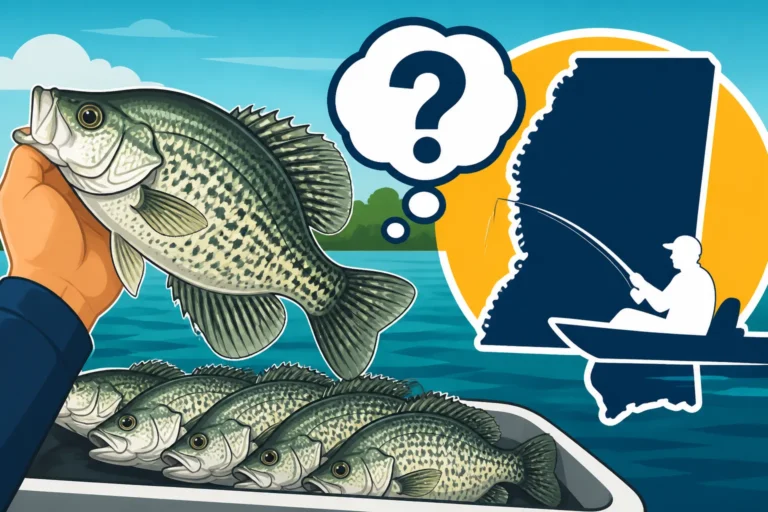
Many anglers head to Eagle Lake with dreams of a cooler full of crappie, only to find themselves scratching their heads over the specific rules. Understanding the daily creel limit and minimum size for crappie on Eagle Lake isn't just about avoiding a fine; it's about protecting one of Mississippi's most cherished fisheries. This comprehensive guide will meticulously break down the current regulations, ensuring you're fully prepared for your next successful and compliant crappie trip.
Understanding Eagle Lake's Crappie Regulations
Fishing on Eagle Lake offers some fantastic crappie action, but like any productive fishery, it comes with specific rules designed to keep it healthy. Ignoring these regulations can quickly turn a great day on the water into a frustrating encounter with wildlife enforcement. The Mississippi Department of Wildlife, Fisheries, and Parks (MDWFP) sets these limits after careful study of fish populations and angler impact.
The Daily Creel Limit for Crappie on Eagle Lake
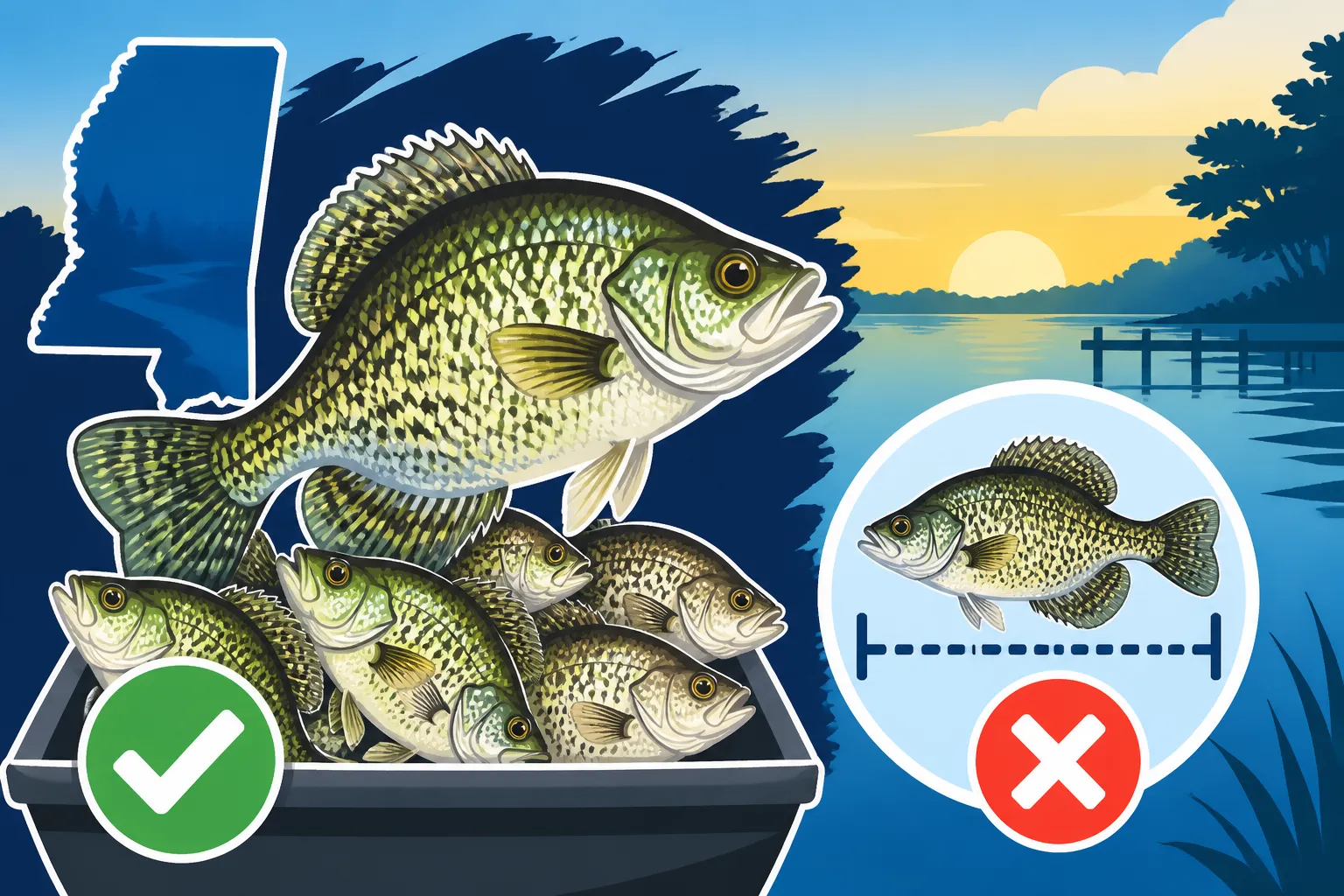
When we talk about a "creel limit," we're referring to the maximum number of a particular species of fish you're legally allowed to keep in a single day. This isn't just a random number; it's a carefully determined figure that allows enough fish to be harvested by anglers while ensuring sufficient breeding stock remains to replenish the lake's population. For crappie on Eagle Lake, the daily creel limit is 30 per person.
This means that whether you're fishing alone or with a group, each individual angler is permitted to retain no more than 30 crappie within a 24-hour period. It’s a hard limit, and there's no wiggle room. For instance, if you and a buddy are fishing, you collectively cannot have more than 60 crappie in your livewell or cooler. This limit is crucial because crappie can be quite prolific, but heavy fishing pressure without limits can quickly deplete their numbers, especially the larger, more desirable "slab" crappie that so many anglers target. This regulation helps spread the catch among many anglers and protects the overall population from being overfished. Remember, it's not about how many you could catch, but how many you should keep for sustainable fishing. You can learn more about general limits in our guide to Mississippi Fishing Creel and Size Limits.
The Minimum Length Limit in Detail
Beyond the sheer number of fish you can keep, there's also a critical regulation concerning the size of those fish. A "minimum length limit" means that any crappie you catch below a specified length must be immediately returned to the water, regardless of whether you’ve met your daily creel limit. This rule is put in place to protect juvenile fish, allowing them to grow to maturity and spawn at least once before being harvested. This ensures they have a chance to contribute to the next generation of crappie, which is vital for the long-term health of the fishery.
For crappie on Eagle Lake, there is a 10-inch minimum length limit. This means that any crappie you reel in that measures less than 10 inches from the tip of its snout to the end of its tail must be released. It's not uncommon to catch a lot of smaller crappie, especially during certain times of the year, so having a reliable measuring device is essential. You'll want to quickly measure your catch against a sturdy ruler or a measuring board you can easily pick up from retailers like Amazon. Releasing these smaller fish ensures they get to grow bigger and contribute to future spawns, improving the overall quality of fishing for everyone down the line. It's a small act that makes a huge difference in maintaining a vibrant fishery.
Why These Regulations Matter for Eagle Lake's Ecosystem
These regulations aren't arbitrary rules designed to make your fishing trip more complicated. They are scientifically backed management tools put in place by the MDWFP to ensure the sustainability and quality of the fishery for years to come. Understanding the "why" behind the rules can help foster a greater sense of responsibility and appreciation for conservation among anglers.
Protecting the Crappie Population for Future Generations
Crappie are a cornerstone of freshwater fishing in Mississippi, and Eagle Lake is a prime example of a productive crappie fishery. However, without careful management, even the most robust populations can suffer. The daily creel limit and minimum length limit serve as critical safeguards. The 10-inch minimum size ensures that most crappie have the opportunity to spawn at least once, if not multiple times, before they're eligible for harvest. Crappie typically reach sexual maturity around their second or third year, at a size that often falls within or just below this 10-inch mark. By letting these smaller fish go, you're directly contributing to the next wave of crappie in the lake.
Think of it this way: if everyone kept every crappie they caught, regardless of size, the breeding stock would quickly diminish. This would lead to fewer fish overall, smaller average sizes, and a collapse of the fishery. The regulations act as a buffer, allowing natural reproduction to keep pace with angler harvest. This proactive approach helps to maintain a healthy age structure within the crappie population, ensuring there are plenty of small, medium, and large fish available for both ecological balance and angler enjoyment. It's a crucial part of what makes Crappie Fishing in Mississippi so rewarding.
Maintaining Quality Fishing Experiences
Beyond sheer numbers, these regulations are vital for preserving the quality of the fishing experience on Eagle Lake. What do anglers truly want? Not just any crappie, but nice crappie – those plump, healthy fish that put up a good fight and make for a delicious meal. The minimum length limit directly contributes to this goal. By protecting younger fish, it allows them to grow into the "slab" crappie that are highly sought after. If anglers were to keep all crappie, the average size would likely decrease dramatically over time, leading to a less satisfying fishing experience for everyone.
The MDWFP regularly monitors fish populations in Eagle Lake through surveys and studies. They look at growth rates, mortality rates, and the overall health of the crappie population. If they notice a decline in average size or a lack of larger fish, they can adjust regulations to address the issue. These efforts are all about ensuring that Eagle Lake remains a premier crappie destination. So, while it might sometimes be tough to release a feisty 9-inch crappie, know that you’re playing a part in cultivating an environment where those fish can become the 12-inch or 14-inch giants you’re really hoping to catch.
Practical Tips for Anglers at Eagle Lake
Adhering to crappie regulations on Eagle Lake requires a little bit of preparation and responsible angling practices. It’s not just about knowing the rules; it’s about applying them effectively on the water to ensure you stay compliant and contribute positively to the fishery.
Measuring Your Catch Accurately
The 10-inch minimum length limit for crappie on Eagle Lake makes accurate measurement non-negotiable. It might sound simple, but doing it right is key. Here’s a quick guide:
- Use a Reliable Measuring Device: Invest in a sturdy, clear measuring board or ruler. Flimsy tape measures can be inaccurate, especially on a rocking boat. Many anglers find durable plastic or aluminum measuring boards to be invaluable. You can easily find highly-rated, waterproof measuring boards on Amazon that fit perfectly in your tackle box or boat compartment.
- Lay the Fish Flat: Gently lay the crappie on its side on your measuring device. Ensure its mouth is closed.
- Position the Fish Correctly: Place the tip of the fish's snout (its nose) flush against the zero mark or the upright stop on your measuring board.
- Read to the Longest Point of the Tail: Carefully pinch the tail lobes together (this is called compressing the tail) to get the longest possible measurement. Read the measurement at the very end of the tail. Don't eyeball it; be precise.
- When in Doubt, Release: If your crappie is borderline 10 inches, it's always best to err on the side of caution and release it. A game warden will measure meticulously, and an undersized fish in your possession could lead to a citation.
- Measure Quickly: Minimize the time the fish is out of the water, especially if you plan to release it. Have your measuring device ready before you even net the fish.
Having a dedicated measuring tool is truly a game-changer. It eliminates guesswork and allows you to quickly determine if your crappie is a keeper or needs to go back into the lake to grow.
Responsible Catch and Release Practices
For those crappie that don't meet the length limit or if you simply choose to release fish after reaching your personal goal, responsible catch and release practices are paramount. The goal is to maximize the fish's chances of survival after being released.
- Minimize Handling: The less you handle a fish, the better. Try to keep the fish in the water as much as possible, especially during warmer months. Wet your hands before touching the fish to protect its protective slime coat, which guards against disease.
- Use Appropriate Gear: Consider using circle hooks or single barbless hooks, which are often easier to remove and cause less damage than treble hooks. A good pair of long-nosed pliers or a de-hooker, readily available on Amazon, can make hook removal quick and safe for the fish.
- Quick Hook Removal: If the hook is visible and easy to access, remove it gently and quickly. If it's deeply swallowed, it might be better to snip the line as close to the hook as possible. Attempting to dig out a deeply embedded hook can cause more harm.
- Support the Fish: When releasing, hold the fish gently underwater until it regains its strength and swims off on its own. Avoid simply tossing it back into the water, especially if it seems sluggish. For crappie, a gentle cradle under the belly and near the tail is usually sufficient.
- Observe Fish Behavior: If a fish looks extremely stressed, bleeding heavily, or refuses to swim away, it's unlikely to survive. This is an unfortunate reality, but by following best practices, you can significantly reduce these instances. Understanding these techniques is a key aspect of Crappie Fishing Techniques for Mississippi Lakes.
Comparing Eagle Lake's Rules to Other Mississippi Lakes
It's tempting to assume that fishing regulations are uniform across the state, but that's rarely the case. While Mississippi does have some statewide regulations, many individual lakes and reservoirs, especially major fishing destinations, have specific rules tailored to their unique ecosystems and fish populations. This is particularly true for crappie, which are managed intensely in many popular lakes.
Variations Across Major Crappie Lakes
Eagle Lake's 30-crappie daily limit and 10-inch minimum length limit are specific to its waters. If you frequently fish other prominent crappie lakes in Mississippi, you'll quickly discover that the rules can vary. For example:
- Grenada Lake, Sardis Lake, and Enid Lake, often hailed as some of the best crappie fishing spots in the country, typically have their own set of unique crappie regulations. Historically, these lakes have sometimes had a higher daily creel limit (e.g., 40 or 50) but might also have different length limits (e.g., no minimum length limit, or a slot limit where fish between certain sizes must be released).
- Ross Barnett Reservoir near Jackson, another incredibly popular fishing spot, also has its own specific crappie regulations, which can differ from both Eagle Lake and the northern reservoirs.
These differences are not arbitrary. They are the result of ongoing studies by the MDWFP to ensure each lake's crappie population remains healthy and productive given its unique characteristics, fishing pressure, and environmental factors. For instance, a lake with a high crappie population and slower growth rates might have a higher creel limit to encourage harvest and prevent stunting, while a lake focused on producing trophy-sized crappie might have a higher minimum length or a slot limit. This is why it's absolutely crucial to always check the most current regulations for the specific body of water you plan to fish, perhaps even picking up an MDWFP guide from a local bait shop or printing one from their website before you head out. A quick search for Mississippi Crappie Regulations by Lake will give you a comprehensive overview.
General Statewide vs. Lake-Specific Rules
In Mississippi, fishing regulations operate on a tiered system. There are statewide regulations that apply to most public waters unless superseded by a more specific rule. These general rules cover things like the number of rods you can use, methods of fishing (like trotlines or jug fishing), and limits on less commonly targeted species. You can find a detailed breakdown in our Mississippi Freshwater Fishing Rules guide.
However, for popular game fish like crappie and bass, and particularly on larger, heavily fished lakes and reservoirs, the MDWFP often implements lake-specific regulations. These are special rules that take precedence over the statewide regulations for that particular body of water. The reason for this approach is that each major lake is essentially its own ecosystem, with unique population dynamics, water conditions, and fishing pressure. What works for managing crappie on a small state lake might not be effective for a massive Corps of Engineers reservoir like Sardis or a unique oxbow like Eagle Lake.
Therefore, while knowing the general rules is a good starting point, always treat lake-specific regulations as the definitive guide for your trip. The MDWFP publishes an annual Outdoor Digest that details all regulations, including these specific lake rules. Anglers can also find this information on the MDWFP website. It’s always a good idea to refresh your memory each fishing season, as rules can occasionally change based on population assessments and conservation needs. Don't just assume; always confirm. If you're ever in doubt, reach out to the MDWFP or consult their official publications.
Here’s a quick summary of crappie regulations for Eagle Lake and a couple of other major Mississippi lakes for comparison:
| Lake/Water Body | Daily Creel Limit (Crappie) | Minimum Length Limit (Crappie) | Notes |
|---|---|---|---|
| Eagle Lake | 30 fish per angler | 10 inches | Specific regulations for this popular oxbow lake. |
| Grenada Lake | 40 fish per angler | No minimum length limit | Known for its high crappie production and focus on harvest. |
| Sardis Lake | 40 fish per angler | 11 inches | Another top crappie lake with a higher length limit than Grenada. |
| Ross Barnett Res. | 30 fish per angler | 9 inches | Similar creel limit to Eagle Lake, but a slightly smaller minimum size. |
| Statewide General | 30 fish per angler | No minimum length limit | Applies to most public waters unless superseded by lake-specific rules. |
Please note: Regulations are subject to change. Always consult the latest MDWFP Outdoor Digest or website for the most current rules before fishing.
Disclaimer
The information provided in this guide is intended for general informational purposes only and is subject to change. While we strive to provide accurate and up-to-date information, fishing regulations, limits, and seasons are determined by the Mississippi Department of Wildlife, Fisheries, and Parks (MDWFP) and can be modified at any time. It is always the angler's responsibility to consult the official MDWFP Outdoor Digest or their official website for the most current and comprehensive regulations before engaging in any fishing activities. Failure to do so may result in fines or penalties.