Does a Mississippi Fishing License Cover Saltwater?
It’s a common scenario for anglers heading to Mississippi: you’ve got your fishing license, you’re excited to hit the water, but then a nagging thought creeps in. "Does this license even cover saltwater fishing, or am I going to accidentally break the law?" The truth is, navigating the specifics of Mississippi fishing licenses can feel like trying to untangle a stubbornly knotted line, especially when you’re venturing from freshwater streams to the brackish waters of the Gulf Coast. This guide is here to clear up that confusion, explaining exactly what you need to know about Mississippi fishing licenses and whether they extend to the exciting world of saltwater angling.
Understanding Mississippi's Dual Licensing System
Mississippi, like many coastal states, operates on a dual licensing system for fishing. This means that the requirements for fishing in freshwater are distinct from those for saltwater. It’s not just a minor detail; it’s a fundamental separation that every angler needs to understand to stay compliant and avoid unnecessary fines. Ignoring this distinction can quickly turn a relaxing day on the water into a frustrating encounter with wildlife enforcement.
The Separate Worlds of Freshwater and Saltwater Licenses
When you hear people talk about a "Mississippi fishing license," they are often, by default, referring to a freshwater license. This license is your ticket to casting lines in the state's vast network of rivers, lakes, reservoirs like the popular Ross Barnett Reservoir, and ponds. It covers a huge array of species, from largemouth bass and crappie to catfish and bream, found in the inland waterways. For most residents and non-residents who stick to these areas, a standard freshwater license is all that's required.
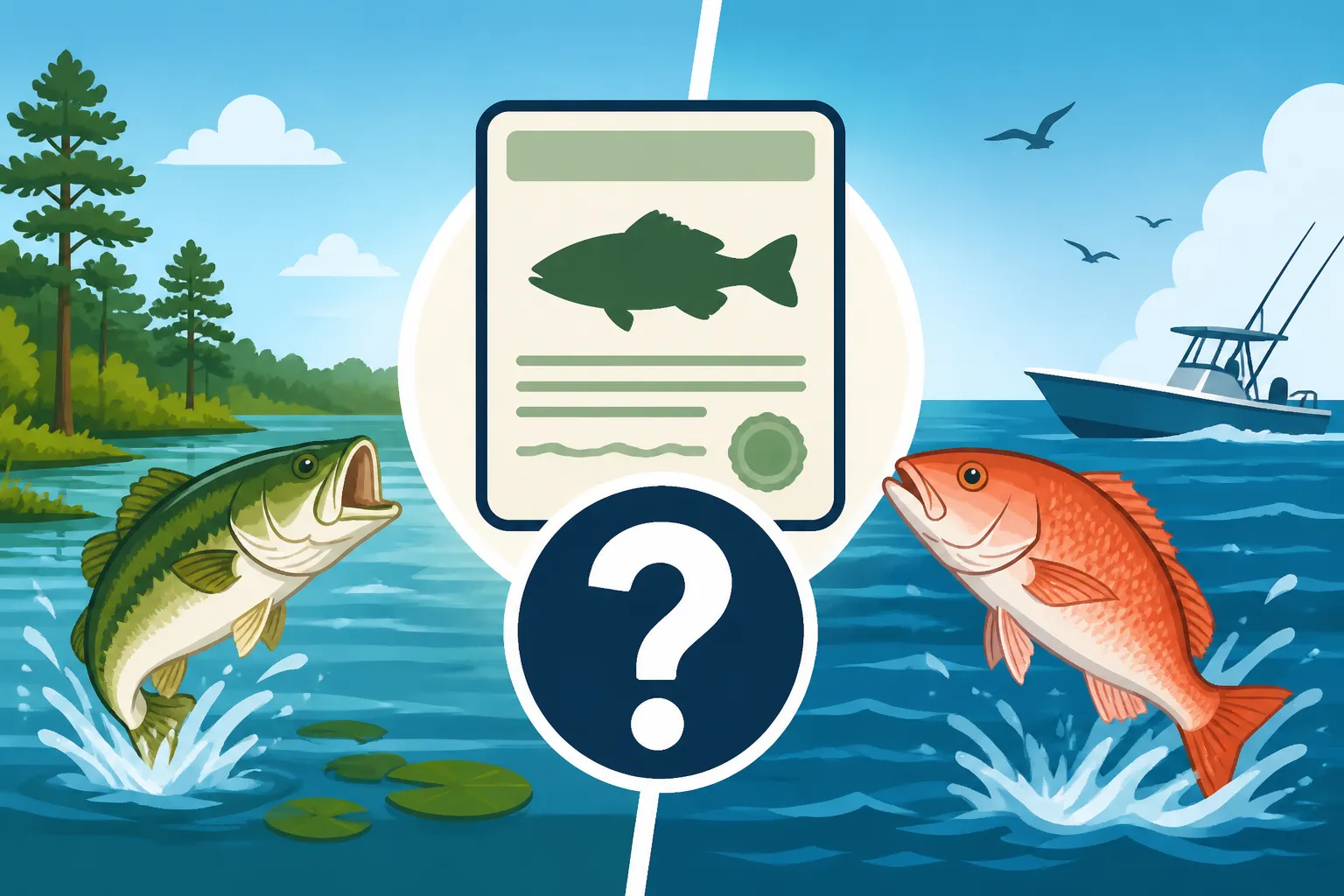
However, once you start thinking about the coastal waters – the Mississippi Sound, the bays, the Gulf of Mexico – you're entering a different regulatory environment. The fish species are different, the ecosystems are different, and consequently, the licensing requirements are different. The state requires a specific Mississippi Saltwater Sportfishing License to legally pursue species like redfish, speckled trout, flounder, and other marine game fish. This separate license acknowledges the unique management needs of saltwater fisheries and helps fund their conservation efforts. So, to answer the initial question directly: no, a standard Mississippi freshwater fishing license generally does not cover saltwater fishing. You need an additional, specific saltwater license.
Why the Distinction Matters for Anglers
The reason for this dual system isn't to make things more complicated for you, though it can certainly feel that way sometimes! It's rooted in the biological and management differences between freshwater and saltwater ecosystems. Freshwater bodies often fall under the jurisdiction of state agencies focused on inland fisheries, while saltwater areas frequently involve both state and federal regulations, particularly for offshore species. The Mississippi Department of Wildlife, Fisheries, and Parks (MDWFP) is the primary authority for both, but they manage these distinct resources with different sets of rules and funding mechanisms.
For anglers, understanding this distinction is paramount. Imagine you're fishing for bass in the Pearl River and decide on a whim to head to Biloxi for some redfish action. If you only have your freshwater license, you’d be fishing illegally in Biloxi. This isn't just a technicality; enforcement officers patrol these waters, and they are well-versed in checking for the correct credentials. Beyond legality, the fees collected from saltwater licenses directly support marine research, habitat restoration along the coast, and enforcement in those specific areas. It’s about ensuring sustainable fishing for generations to come, both inland and on the coast. You can learn more about the broader requirements in our comprehensive guide to Mississippi Fishing Regulations Explained.
What You Need for Mississippi Saltwater Fishing
So, if your freshwater license isn't enough for the coast, what exactly do you need? The specific permit for coastal angling in Mississippi is officially known as the Saltwater Sportfishing License. It's a critical piece of paper (or digital record) that allows you to enjoy the rich marine fisheries the state has to offer.
Specific Saltwater License Requirements
To fish in Mississippi's marine waters, you must possess a valid Mississippi Saltwater Sportfishing License. This applies to both residents and non-residents, though the fees will differ. This license allows you to recreational fish, crab, and take shrimp from the saltwater areas of the state. It's important to note that if you plan on participating in federal offshore fishing (beyond 9 nautical miles), additional federal permits or licenses might be required for certain species, like red snapper. However, for most inshore and nearshore saltwater recreational fishing within state waters, the state's saltwater sportfishing license is what you'll need.
For residents, this license is relatively affordable and can often be purchased as part of a bundle. Non-residents will find the fees higher, which is standard practice across states. Be aware that these licenses usually expire on a specific date, regardless of when you purchase them during the year, so it's wise to check the expiration cycle. If you're planning a trip, make sure your license will be valid for the entire duration. Our article on Mississippi Fishing License Costs provides a detailed breakdown of current pricing.
When a Saltwater License is NOT Needed Exemptions
While the general rule is "separate licenses for separate waters," there are indeed situations where a Mississippi Saltwater Sportfishing License is not required. It's vital to understand these exemptions thoroughly to ensure you're compliant:
- Age Exemptions: Mississippi residents who are under 16 years of age or 65 years of age and older are typically exempt from needing a saltwater fishing license. This is a fantastic benefit for younger anglers just getting into the sport and for seasoned veterans enjoying their golden years. However, even if exempt, you must still adhere to all creel limits, size limits, and other regulations for the species you are targeting. For more details on these age-related rules, see our article on Mississippi Senior Fishing License Discounts or Mississippi Youth Fishing License Rules.
- Pier and Shoreline Fishing: If you are fishing from a public pier or public shoreline that is designated for fishing access, you might be exempt from needing a saltwater license, provided you are only using a rod and reel or handline and do not possess any other fishing gear that would require a license. This exemption is primarily designed to encourage access for casual anglers and tourists. Always double-check signage at specific locations, as local ordinances can sometimes have additional rules.
- Charter Boat Guests: This is a big one for visitors to the Gulf Coast. If you book a trip with a licensed Mississippi fishing charter boat, you generally do not need your own individual saltwater license. The charter boat itself holds a blanket license that covers all passengers on board. This is a huge convenience and often a significant selling point for charter services, simplifying the process for tourists. Just show up and fish!
- Private Ponds (Saltwater Species): Similar to freshwater rules, if you are fishing in a privately owned pond or lake that is entirely enclosed and not connected to any other public waters, and it happens to contain saltwater species (perhaps it's a brackish pond), you may be exempt from a state license. However, this is less common for saltwater and requires clear confirmation that the water body is truly private and disconnected.
It's crucial to remember that these exemptions apply only to the license itself. All other regulations, such as bag limits, size limits, and season closures for specific species like redfish or speckled trout, still apply to everyone, regardless of whether they need a license or not.
Purchasing Your Mississippi Saltwater Sportfishing License
Getting your saltwater license is straightforward. You have a few convenient options:
- Online: The easiest way for many is to purchase it directly through the MDWFP website. This allows you to complete the transaction from the comfort of your home, print your license immediately, or save it digitally on your phone. This method is available 24/7, which is perfect if you suddenly decide on a last-minute fishing trip. For step-by-step instructions, check out How to Buy a Mississippi Fishing License Online.
- Authorized Agents: You can also purchase licenses in person at various authorized license agents across the state. These typically include sporting goods stores, bait and tackle shops, and some general merchandise retailers. Places like many local hardware stores or even the sporting goods section of a large retailer might be an option. While you can't get the license itself from Amazon, it's an excellent place to pick up any additional gear you might need after you secure your license, from fishing lines to specialized saltwater lures.
- MDWFP Offices: If you prefer, you can visit a Mississippi Department of Wildlife, Fisheries, and Parks office during business hours to purchase your license. This can be a good option if you have specific questions or need assistance.
When purchasing, you'll need to provide some personal information, including your name, address, date of birth, and usually proof of residency if applying for a resident license (like a Mississippi driver's license). Ensure all your information is accurate to avoid any issues down the line.
Here’s a quick comparison of general license types in Mississippi:
| License Type | Covers | Primary Location | Residency | Required for | Exemptions Exist? |
|---|---|---|---|---|---|
| Freshwater Fishing License | Freshwater fish | Lakes, rivers, reservoirs | Resident & Non-Resident | Rod/reel, trotlines, jugs | Yes (age, private land) |
| Saltwater Sportfishing License | Saltwater fish | Mississippi Sound, Gulf, bays | Resident & Non-Resident | Rod/reel, cast nets, spears | Yes (age, charter boats) |
| Sportsman's License | Hunting & Fishing | Freshwater & Small Game Hunting | Resident | Combines licenses for convenience | Varies by component |
Note: The Sportsman's License is a fantastic option for residents who enjoy both hunting and fishing, as it bundles several licenses into one, including freshwater fishing. It does NOT automatically include the saltwater license, which must be purchased separately if desired, or as an add-on. Our article on Mississippi Sportsman's License Explained offers more insights into this popular bundled option.
Potential Penalties for Non-Compliance
It's tempting to think that maybe, just maybe, you can get away with fishing without the right license. But trust me, it’s not worth the risk. The Mississippi Department of Wildlife, Fisheries, and Parks takes its regulations seriously, and fishing without the proper credentials can lead to some unpleasant consequences that far outweigh the cost of a license.
The Cost of Fishing Without the Correct License
Getting caught fishing in saltwater without a valid Mississippi Saltwater Sportfishing License is considered a misdemeanor. The penalties can vary depending on the specific circumstances, but generally, you're looking at fines that start in the hundreds of dollars. For a first offense, expect a fine in the range of $100-$500, plus court costs. This can quickly add up, easily exceeding the cost of an annual license by many times over.
Beyond the immediate financial hit, there can be other repercussions. Depending on the severity and if there are other violations involved (like exceeding bag limits or fishing out of season), your fishing equipment might even be confiscated. Repeated offenses can lead to much higher fines, potential jail time, and the suspension of your fishing privileges for a period. Imagine being banned from fishing the beautiful waters of Mississippi for a year or more – that's a serious consequence for any dedicated angler. For a deeper dive into the repercussions, you can read What Happens If You Fish Without a License in Mississippi?. It’s a sobering read, but an important one for every angler.
Avoiding Common Licensing Mistakes
The easiest way to avoid penalties is simply to be informed and prepared. Here are some common mistakes to watch out for:
- Assuming a General License Covers Everything: This is the most frequent error. As we've discussed, a "Mississippi Fishing License" usually refers to freshwater. Always confirm you have the saltwater endorsement or a separate saltwater license if you're headed to the coast.
- Forgetting to Renew: Licenses aren't forever. They have an expiration date, which you can usually find printed directly on the license itself. Set a reminder on your phone or mark your calendar so you don't inadvertently fish on an expired license. Many states offer email reminders for renewal, so opt-in for those if available. Our guide on When Does a Mississippi Fishing License Expire? can help you keep track.
- Not Carrying Proof: Even if you bought your license, you need to have proof of it with you while fishing. A physical copy is always best, but a digital copy on your phone is usually acceptable as long as it's clear and easily accessible. Don't leave it in the truck or at home!
- Misunderstanding Exemptions: While exemptions exist, they have specific criteria. Just because you're a senior or a youth doesn't mean all rules are waived. Double-check the exact conditions for any exemption you believe applies to you. For example, the age exemptions typically only apply to residents of Mississippi. Nonresidents, regardless of age, usually need a license, unless they're on a charter boat.
- Confusing Commercial and Recreational Rules: If you're involved in any activity that could be considered commercial fishing, even tangentially, you'll need entirely different licenses and permits. Recreational licenses are strictly for personal sport and consumption. Mixing these up can lead to very severe penalties. The distinctions are vast, and you can learn more about them by reading Mississippi Commercial vs Recreational Fishing Rules.
Ultimately, obtaining the correct license is a small investment in a great experience and helps ensure the conservation of Mississippi's incredible fishing resources. Before your next trip, take a few minutes to confirm you have all the necessary paperwork, whether you're chasing crappie in Sardis Lake or redfish in the Mississippi Sound. A little preparation goes a long way in ensuring a stress-free and successful day on the water.
Disclaimer
The information provided in this guide is for general informational purposes only and does not constitute legal advice. Fishing regulations can change frequently, and it is the responsibility of each individual angler to consult the most current regulations issued by the Mississippi Department of Wildlife, Fisheries, and Parks (MDWFP) or other relevant authorities before engaging in any fishing activities. Always check the official MDWFP website or their latest regulation handbook for the most accurate and up-to-date rules.