Mississippi Fishing License Requirements for Tourists
Planning a fishing trip to Mississippi is incredibly exciting, but the paperwork, especially figuring out the fishing license requirements, can feel like an unexpected hurdle. Many visitors find themselves scratching their heads, wondering if they truly need a license for a short trip or what type is even appropriate. This comprehensive guide is designed to cut through the confusion, clearly outlining exactly what fishing license requirements apply to tourists in Mississippi, so you can spend less time stressing and more time enjoying our fantastic waters.
Why Tourists Need a Fishing License in Mississippi
It’s a common misconception that if you’re just visiting, or if you’re fishing a small pond, you might be exempt from needing a fishing license. While there are a few very specific exceptions, for the vast majority of tourists planning to cast a line in Mississippi’s public waters, a fishing license is an absolute necessity. The Mississippi Department of Wildlife, Fisheries, and Parks (MDWFP) is serious about managing the state's natural resources, and license fees play a crucial role in funding these conservation efforts.
The Universal Requirement for Public Waters
If you're an adult (typically 16 years or older) and you plan to fish in any of Mississippi's public lakes, rivers, streams, or coastal waters, you need a valid fishing license. This isn't just a suggestion; it's a legal requirement. Think of it as your entry ticket to enjoy the incredible angling opportunities our state offers, from the sprawling reservoirs up north to the productive Gulf Coast. Without one, you're not only breaking the law but also missing out on contributing to the health of the very ecosystems you're enjoying.
Many tourists arrive, perhaps on a family vacation, and decide on a whim to try their hand at fishing. While spontaneous trips are wonderful, a quick check on the license requirements is essential. Even if you're just dipping a line off a pier or a bank, if it's public water, that license needs to be in your possession. You don't want a fun day to turn into a stressful encounter with a game warden, especially when getting a license is relatively simple.
Funding Conservation Through License Sales
It’s helpful to remember that the fees collected from fishing licenses aren't just arbitrary charges. They are directly reinvested into the state’s fisheries programs. This includes everything from stocking lakes and rivers with game fish, conducting scientific research to maintain healthy fish populations, enforcing fishing regulations to prevent overfishing, and even maintaining public boat ramps and fishing access points. When you purchase a license, you're actively supporting the very resource you're about to enjoy.
Without these funds, the quality of fishing in Mississippi would quickly decline. So, while it might feel like another cost, view your fishing license as a direct contribution to preserving Mississippi’s rich angling heritage for future generations, including your own return trips. Understanding that purpose can often make the requirement feel less like a burden and more like a participation in something bigger.
Types of Fishing Licenses Available for Tourists
For nonresident anglers visiting Mississippi, the MDWFP offers several convenient options designed to fit different trip durations and fishing preferences. It’s important to understand the distinctions between freshwater and saltwater licenses, as Mississippi offers both, and they are typically separate purchases. Getting the right license for where you plan to fish is key.
Nonresident Freshwater Fishing License Options
If your fishing adventure is focused on Mississippi's incredible inland lakes and rivers, like Ross Barnett Reservoir, Grenada Lake, or the Mississippi River, you'll need a freshwater license. The state offers a few choices for nonresidents, making it flexible for tourists.
- Annual Nonresident Freshwater Fishing License: This is your best bet if you plan multiple trips throughout the year or an extended stay. It's valid for a full 12 months from the date of purchase, offering maximum flexibility. For many avid anglers who visit Mississippi regularly, this option provides peace of mind and simplifies future trips. You can find detailed information on the costs and specific duration by checking out our guide on Mississippi Nonresident Fishing License Guide.
- 7-Day Nonresident Freshwater Fishing License: A fantastic option for those weekend getaways or week-long vacations. This license is valid for seven consecutive days, starting from the date you select at purchase. It’s perfect for tourists who want to experience Mississippi’s inland fisheries without committing to a full annual license. It offers a great balance of affordability and sufficient time on the water.
- 3-Day Nonresident Freshwater Fishing License: For those quick trips or if you’re just passing through and want to wet a line for a few days, this is ideal. It’s economical and ensures you’re legal for a short period. This license, along with the 7-day option, is covered in more detail within our Mississippi 1-Day and 3-Day Fishing Licenses article.
Remember, if you’re fishing within a Mississippi State Park lake, you may also need to acquire an additional special permit specific to that park, even with a valid state fishing license. Always double-check with the specific park you plan to visit.
Nonresident Saltwater Fishing License Options
Mississippi’s Gulf Coast offers a vibrant saltwater fishing scene, from the calm bay waters to the exhilarating offshore expeditions. If your plans include targeting redfish, speckled trout, or even venturing out for red snapper, you’ll need a saltwater specific license.
- Nonresident Annual Saltwater Fishing License: Similar to its freshwater counterpart, this license is valid for 12 months and is perfect for repeat visitors or longer coastal stays. It covers both rod and reel and recreational crabbing/shrimping in saltwater. Our Mississippi Saltwater Fishing License Guide delves into this in more detail.
- 7-Day Nonresident Saltwater Fishing License: This is incredibly popular for tourists enjoying a week-long beach vacation. It provides coverage for seven consecutive days, allowing ample time to explore the Mississippi Sound, fish from piers, or hop on an inshore charter.
- 3-Day Nonresident Saltwater Fishing License: A convenient choice for a quick weekend trip to Biloxi, Gulfport, or Bay St. Louis to enjoy some coastal angling. This short-term option is straightforward and gets you on the water legally without a significant commitment.
It’s crucial to note that if you plan to fish both freshwater and saltwater during your visit, you'll need both types of licenses. They are separate and distinct. Many experienced tourists often purchase a short-term license for the specific type of fishing they plan to do on that particular trip, avoiding unnecessary costs.
| License Type | Duration | Waters Covered | Typical Cost (Nonresident) | Best For |
|---|---|---|---|---|
| Annual Freshwater | 1 Year | Freshwater | ~$40-$50 | Frequent visitors, long stays |
| 7-Day Freshwater | 7 Consecutive | Freshwater | ~$15-$20 | Week-long vacations, occasional trips |
| 3-Day Freshwater | 3 Consecutive | Freshwater | ~$10-$15 | Weekend trips, short excursions |
| Annual Saltwater | 1 Year | Saltwater | ~$25-$35 | Frequent coastal visitors, year-round access |
| 7-Day Saltwater | 7 Consecutive | Saltwater | ~$15-$20 | Week-long coastal vacations |
| 3-Day Saltwater | 3 Consecutive | Saltwater | ~$10-$15 | Short coastal trips, weekend getaways |
Note: Costs are approximate and subject to change by the MDWFP. Always check the official MDWFP website for the most current pricing.
How Tourists Can Purchase a Mississippi Fishing License
Once you know which license you need, the next step is actually acquiring it. Thankfully, Mississippi has made the process quite convenient for tourists, offering several ways to purchase a license both before and during your visit. You don't want to get all the way to your destination, gear in hand, only to realize you haven't sorted out this critical detail.
Purchasing Online Before Your Trip
This is by far the most recommended method for tourists. The MDWFP's official website offers a streamlined portal where you can purchase your nonresident fishing license from the comfort of your home, days or even weeks before you arrive in Mississippi. All you'll need is some basic personal information, including your full name, address, date of birth, and a valid form of identification like a driver's license number. You'll also need a credit or debit card for payment.
The advantages of buying online are numerous. You can print out a temporary license immediately, or simply save the digital copy on your phone. This means no scrambling to find a physical vendor once you arrive, especially if you're heading straight to a remote fishing spot. It saves time, reduces stress, and ensures you're legal the moment your boots hit the ground or your boat hits the water. For a step-by-step guide, check out our article on How to Get a Mississippi Fishing License.
Buying In-Person at Authorized Vendors
If you prefer a more traditional approach or find yourself needing a license last-minute, there are plenty of physical locations across Mississippi where you can purchase one. These authorized vendors often include sporting goods stores, bait and tackle shops, and even some convenience stores. Major retailers like Walmart and Bass Pro Shops typically have a sporting goods counter where you can purchase hunting and fishing licenses.
When buying in person, you'll need to bring a valid photo ID. The staff will assist you in filling out the necessary information, and you'll walk out with a physical license. While convenient, especially if you're already in a store picking up bait or snacks, it does require you to plan ahead for a stop. It's always a good idea to call ahead to smaller shops to confirm they sell licenses and their operating hours, especially if you're arriving late or on a holiday. Our guide on Where to Buy a Mississippi Fishing License provides a more comprehensive list of potential vendors.
What to Bring and Keep on Hand
Regardless of how you purchase your license, it's vital to have the correct documentation. For nonresidents, a current state-issued driver's license or ID card is generally sufficient. If you’re not a U.S. citizen, a passport or other valid government-issued identification will typically be required. Make sure the information on your license matches your ID.
Once purchased, always carry your fishing license with you while you're fishing. Whether it's the printed copy, the physical card, or a digital version on your smartphone, it must be readily available for inspection by a game warden. Consider keeping a physical copy laminated or in a waterproof holder, especially if you're prone to splashes. While digital copies are accepted, a dead phone battery won't be an excuse! You might even find some useful waterproof cases on Amazon that can help protect your license and phone while out on the water.
Understanding Reciprocity and Border Water Rules for Tourists
One of the trickiest aspects of fishing regulations, especially for tourists, involves state border waters. If you're coming from a neighboring state like Louisiana, Arkansas, Tennessee, or Alabama, you might wonder if your home state's license is valid in Mississippi waters, or vice-versa. Mississippi has specific agreements regarding shared waterways, but these can be complex and are critical to understand to avoid legal issues.
Fishing in Boundary Waters with Neighboring States
Mississippi shares significant water bodies with its neighbors, most notably the Mississippi River with Arkansas and Louisiana, and the Tennessee-Tombigbee Waterway with Alabama. The rules here are designed to make fishing more accessible, but they aren't blanket exemptions.
- Mississippi River (Arkansas and Louisiana): Generally, a valid fishing license from Mississippi or Louisiana or Arkansas will allow you to fish the waters of the Mississippi River that form the common boundary between those states. This means if you have a Louisiana fishing license, you can fish the Mississippi side of the river and vice versa, within designated boundary water limits. However, this does not extend to fishing in oxbow lakes, bayous, or tributaries that lie wholly within Mississippi. For those, you'd need a Mississippi license. Understanding these nuances is crucial for river anglers. Delve deeper into these specific agreements with our article on Mississippi Border Water Fishing Rules.
- Tennessee-Tombigbee Waterway (Alabama): Similar reciprocal agreements exist for certain portions of the Tennessee-Tombigbee Waterway. A valid Mississippi or Alabama fishing license may be accepted in designated boundary waters. Again, always verify the exact boundaries and specific regulations, as these can change and are often restricted to the main channel or specific segments. If you stray into non-reciprocal waters or into tributaries fully within one state, you'll need that state's license.
Always err on the side of caution. If there’s any doubt about whether you’re in a reciprocal zone or entirely within Mississippi’s jurisdiction, having a Mississippi nonresident license is the safest bet. Penalties for fishing without the correct license can be costly and can definitely put a damper on your vacation.
What a Reciprocal Agreement Does and Doesn't Cover
It’s easy to misunderstand what reciprocity means. It typically means that a license from one of the participating states is honored for fishing within the shared boundary waters only. It almost never means your home state's license is valid across the entire state of Mississippi. For instance, a Louisiana fishing license will not let you fish in Ross Barnett Reservoir, which is entirely within Mississippi.
Furthermore, reciprocity often applies only to the basic fishing license. Any additional stamps or permits (like those for specific species or gear types) might still need to be purchased from the state whose waters you are actively fishing, even in boundary zones. Always carry your valid photo ID along with your fishing license, as you may be asked to present both. A good way to stay prepared is to research specific regulations for your chosen fishing spot before your trip. You might even find helpful maps on Amazon that show state borders and waterways, aiding in your planning.
Common Misconceptions and Special Situations for Tourists
Even with the general rules laid out, tourists often have unique questions or encounter specific scenarios that lead to confusion. Addressing these common misconceptions and outlining special situations can save you a headache and ensure your fishing trip is compliant and enjoyable.
Do Kids Need a Fishing License in Mississippi?
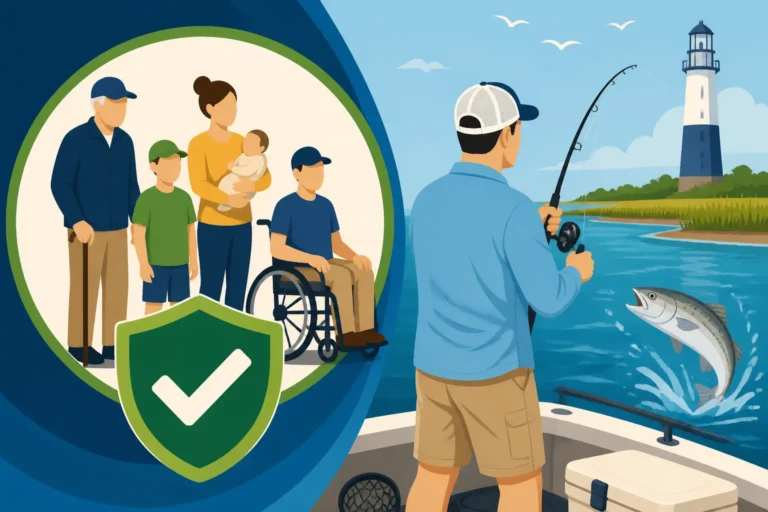
This is a frequently asked question, especially for families traveling with young anglers. In Mississippi, children under the age of 16 are generally exempt from needing a fishing license. This is fantastic news for families, as it encourages youth participation in fishing without an additional cost burden. So, if you're planning a trip with your kids and they're under 16, they can freely cast a line in public waters without needing their own permit.
However, adult supervisors will still need their appropriate licenses. And while the kids don't need a license, they still must adhere to all other fishing regulations, such as creel limits, size limits, and legal methods of take. It's the adult's responsibility to ensure everyone in their party, especially minors, understands and follows these rules. Our article Do Kids Need a Fishing License in Mississippi? provides more context on this specific exemption.
Fishing on Private Ponds or Guided Charter Trips
These two scenarios often lead to confusion about license requirements. The rules can differ significantly, so it’s important to understand them.
- Private Ponds: If you are fishing in a private pond that is entirely enclosed on private land and does not have public access or connect to public waters, you generally do not need a state fishing license. This is a common situation for tourists visiting friends or family with private property. The owner of the pond, however, is responsible for ensuring the pond is stocked and managed according to private pond regulations if applicable. Just be absolutely certain that the pond is genuinely private and doesn't have any inlets or outlets to public waterways; otherwise, a license would be required.
- Guided Charter Trips: When booking a fishing charter on the Mississippi Gulf Coast or a guided trip on one of the freshwater reservoirs, tourists often assume the guide's license covers everyone. This is a common and dangerous misconception. While the captain or guide will have a commercial license to operate their business, this does not typically extend to covering individual angler licenses for their clients. Each angler over the age of 16 will still need their own valid Mississippi nonresident fishing license (freshwater or saltwater, depending on the trip). Many reputable charter captains will explicitly remind you of this, but it's your responsibility to arrive with your license in hand. Our guide, Does a Mississippi Fishing Charter Include the License in Mississippi?, clarifies this crucial point. Always confirm with your chosen charter company beforehand.
Active Duty Military and Veterans
Mississippi offers certain exemptions and special licenses for active duty military personnel and veterans, including nonresidents. If you are an active duty military member stationed in Mississippi, you may be eligible for resident license rates. For disabled veterans, there are often specific exemptions or reduced-cost licenses available. It’s always best to check the most current MDWFP regulations or contact them directly, as these policies can be specific regarding residency status, disability percentage, and documentation required. These exemptions are a well-deserved benefit for those who serve or have served our country.
Penalties for Fishing Without a License in Mississippi
It might seem like a minor oversight, especially if you're a tourist just wanting to have some fun, but fishing without the required license in Mississippi is a serious matter. Game wardens are diligent in enforcing these regulations, and ignorance of the law is never an acceptable defense. The consequences can range from fines to more severe penalties, turning a relaxing day into a costly headache.
Fines and Court Appearances
If you are caught fishing without a valid license, expect to receive a citation. The most immediate consequence is typically a significant fine. The exact amount can vary depending on the specific violation, the location, and whether it's a first offense or a repeat issue. While minor, these fines can easily run into the hundreds of dollars. On top of the fine, you might also face court costs, administrative fees, and potentially even a mandatory court appearance, which can be particularly inconvenient for a tourist who has to travel back to Mississippi.
Imagine you're on a much-anticipated fishing trip to Sardis Lake or the Gulf Coast. You've invested in travel, lodging, bait, and perhaps even some new fishing gear (maybe even some on Amazon). A simple oversight regarding your license could wipe out all the enjoyment and add an unexpected financial burden far exceeding the cost of the actual license. It's a risk simply not worth taking. Our article What Happens If You Fish Without a License in Mississippi? elaborates on these consequences.
Confiscation of Equipment and Future Restrictions
In more severe cases, especially for repeat offenders or if other violations accompany the lack of a license (e.g., exceeding creel limits, using illegal gear), game wardens have the authority to confiscate your fishing equipment. This could include your rods, reels, tackle, and even your catch. Losing valuable gear on top of a fine is a harsh reminder of the importance of compliance.
Furthermore, a conviction for fishing without a license could potentially impact your ability to obtain future fishing licenses in Mississippi or even other states, depending on interstate agreements. While this is less common for a first-time, simple oversight, it highlights the seriousness of wildlife violations. The MDWFP maintains records of these infractions, and repeated issues can lead to escalating penalties and even revocation of fishing privileges. Always ensure you are familiar with Mississippi Fishing Regulations Explained before heading out.
The Importance of Due Diligence
As a tourist, it's your responsibility to be aware of and abide by the laws of the state you're visiting. Before embarking on any fishing trip in Mississippi, take a few minutes to confirm you have the correct and valid license. Double-check the expiration date, ensure it covers the specific waters you plan to fish (freshwater vs. saltwater), and always keep it accessible while you're actively fishing. A little preparation goes a long way in ensuring your Mississippi fishing adventure is memorable for all the right reasons.
Disclaimer
Please note that fishing regulations and license requirements are subject to change by the Mississippi Department of Wildlife, Fisheries, and Parks (MDWFP). While this guide strives to provide accurate and up-to-date information, it should be used for informational purposes only. Always consult the official MDWFP website or contact them directly for the most current regulations, license costs, and any specific exemptions that may apply to your situation before engaging in any fishing activities.