Bait Charters Use for Redfish
One of the most common questions I hear from folks gearing up for a Mississippi Gulf Coast fishing trip, especially when they're dreaming of reeling in a feisty redfish, is about bait. It's totally understandable! You want to be prepared, but also, you're relying on your charter captain to know the ins and outs. The truth is, choosing the right bait for redfish isn't a one-size-fits-all answer; it's an art and a science that local charter captains have mastered. This guide will dive deep into the specific baits and lures Mississippi charters commonly use to target redfish, giving you a peek behind the curtain of their local expertise.
Why Bait Choice Matters for Redfish in Mississippi
Let's be real, you wouldn't use steak to catch a minnow, right? The same logic applies to redfish. These powerful, intelligent, and often finicky predators require a strategic approach, and bait choice sits right at the heart of that strategy. A charter captain's success hinges on their ability to consistently put clients on fish, and that often starts with having the perfect offering at the end of the line. They're not just throwing anything out there; every bait choice is calculated based on years of experience and intimate knowledge of the local waters.
Understanding Redfish Feeding Habits
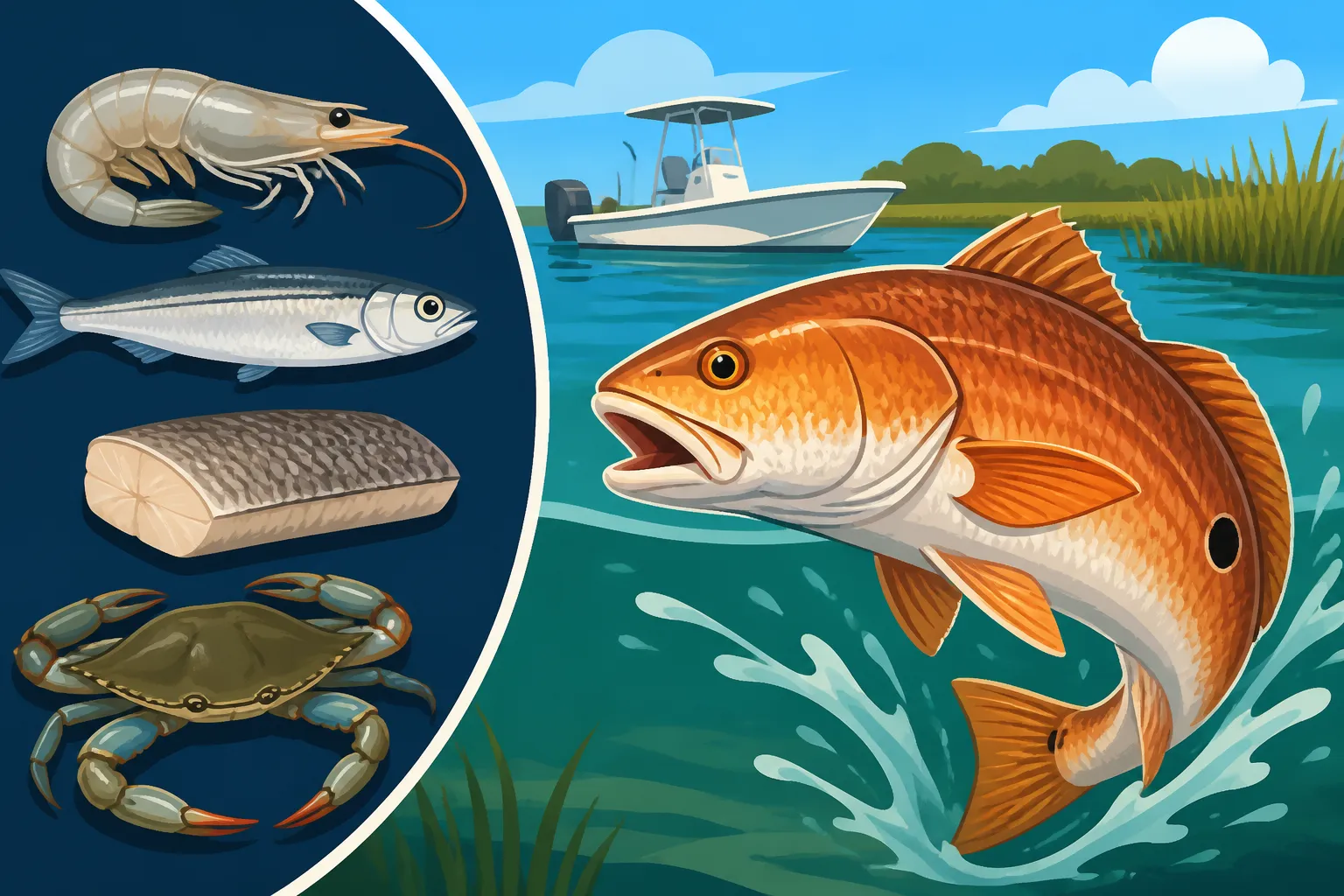
Redfish, also known as red drum, are opportunistic feeders with a varied diet. They're primarily bottom feeders, using their downturned mouths to root around in the mud and sand, searching for their next meal. Think of them like vacuum cleaners of the flats and marsh bottoms. Their diet can include small crabs, shrimp, mullet, menhaden, pinfish, and even smaller baitfish. What makes them so exciting to target is their aggressive nature when they decide to strike. They often feed in shallow water, especially in the vast marsh systems along the Mississippi Gulf Coast, where they'll "tail" as they push their heads down to forage, giving anglers a visual cue to cast to. This understanding of their natural diet is key to why certain baits are so effective. Redfish Diet and Feeding Habits covers this in more detail.
The Role of Mississippi's Diverse Ecosystems
Mississippi's Gulf Coast offers an incredible range of habitats, from the shallow, grassy flats of Biloxi Bay to the intricate bayous and marsh networks of Pascagoula, and out to the barrier islands. Each of these environments presents different feeding opportunities for redfish and, consequently, calls for different bait strategies. In the calm, shallow marshes, a stealthy approach with live bait might be king. Out in the open bays or near passes, where currents are stronger, cut bait or artificials that can cover ground might be more effective. A good charter captain, especially those you might find listed on platforms like FishingBooker, will know exactly which bait works best for the specific spot and conditions they're fishing that day. They constantly adapt, sometimes even changing tactics multiple times during a single trip based on what the fish are telling them.
The Go-To Live Baits for Mississippi Redfish Charters
Live bait is often considered the gold standard for many inshore species, and redfish are certainly no exception. The natural movement, scent, and struggle of live bait can be irresistible, mimicking what redfish are naturally hunting. Charter captains prioritize fresh, lively bait, knowing it makes all the difference.
Live Shrimp: The Universal Redfish Magnet
If there's one bait that probably accounts for more inshore catches than any other, it's live shrimp. For redfish on the Mississippi Gulf Coast, it's often the top choice, and for good reason. Shrimp are a natural and abundant food source in these waters, making them a familiar and easy meal for redfish.
- Why Charters Love It: Live shrimp offers a combination of visual appeal, scent, and natural movement that triggers strikes. Redfish simply can't resist a struggling shrimp. It's also versatile; it can be fished under a popping cork, free-lined, or on the bottom with a small weight. Charter captains often keep a healthy supply of live shrimp on board.
- How It's Rigged: When fished under a popping cork, the shrimp is typically hooked through the horn or just under the dark spot on its tail. The popping cork creates noise and disturbance on the surface, mimicking a feeding frenzy or a shrimp flicking away from a predator, which attracts redfish. For free-lining in areas with less current or when sight fishing, a small kahle hook through the head is common. On the bottom, a Carolina rig with a small weight and a short leader can be incredibly effective, especially in deeper channels or cuts.
- Scenarios for Success: Live shrimp truly shines in calm waters like the back bays, marsh ponds, and along oyster shell beds. It’s particularly effective in clearer water where redfish can easily spot the bait. Many captains booking trips through services like FishingBooker will start with live shrimp, especially if they are targeting slot reds in shallow water.
Live Minnows and Finger Mullet: Agile and Attractive
While shrimp might be king, small live finfish like minnows and finger mullet are formidable contenders, especially when targeting larger redfish or when shrimp are scarce. These baits offer a different profile and action, often appealing to more aggressive feeders.
- Why Charters Love Them: Minnows and finger mullet are hearty baits that can withstand more aggressive casts and stronger currents. Their natural swimming action is a powerful attractant, and they provide a larger meal for a hungry redfish. Mullet, in particular, are a staple in the redfish diet.
- How They're Rigged: Typically, minnows or finger mullet are hooked through both lips from the bottom up, or just behind the dorsal fin if free-lining or fishing under a cork. This allows them to swim naturally and stay alive longer. For bottom fishing, a Carolina rig is, again, a popular choice, letting the bait swim freely just off the bottom.
- Scenarios for Success: These baits are excellent for targeting redfish around structure like jetties, bridge pilings, or along grass lines where redfish ambush baitfish. They are also incredibly effective when fished along the surf or in deeper channels. When chartering a trip, a captain might opt for live mullet if they anticipate strong currents or if they’re specifically looking for those bigger "bull" redfish that prefer a more substantial meal.
Live Crab and Pinfish: Tougher Targets for Tougher Fish
Sometimes, the redfish are just a bit pickier, or perhaps the conditions call for a more robust bait. That's where live crabs and pinfish come into play. These are less common than shrimp or mullet but can be absolute game-changers in the right situation.
- Why Charters Love Them: Crabs are a natural part of a redfish's diet, especially larger redfish. They offer a hard shell that can deter smaller bait stealers and a strong scent. Pinfish are tough, durable baits that can draw aggressive strikes from larger predators and are notorious for staying lively on the hook for a long time.
- How They're Rigged: Small crabs (like fiddlers or cut ladyfish) are usually hooked through a back leg or a corner of their shell, ensuring they stay alive and kick. Pinfish are typically hooked through the lips. Both are often fished on a Carolina rig or a similar bottom-fishing setup to keep them in the strike zone.
- Scenarios for Success: Live crabs are phenomenal for targeting large bull redfish, especially around oyster beds, rocky bottoms, or jetties where crabs naturally reside. Pinfish are great when you want a strong, active bait that can survive repeated attacks from smaller fish until a redfish comes along. If you're looking for Best Bait for Big Bull Redfish, crabs are definitely on the list.
Effective Cut Baits and Artificial Lures Preferred by Charters
While live bait offers natural appeal, there are many situations where cut bait or artificial lures can be just as, if not more, effective. These options give charter captains flexibility, especially when live bait is hard to come by or when they need to cover a lot of water.
Cut Mullet and Menhaden: The Scent Trail Specialists
Sometimes, it's not about the live action, but the irresistible scent. Cut bait creates a potent scent trail that can draw redfish in from a distance, making it a fantastic choice in certain conditions.
- Why Charters Love Them: Cut bait, particularly oily fish like mullet and menhaden (pogies), releases a powerful scent into the water that redfish can detect from afar. This makes it incredibly effective in murky water, at night, or when redfish are scattered. It’s also generally more durable on the hook than some live baits.
- How to Present Them: Charter captains usually cut mullet or menhaden into chunks, often targeting the meatier sections. These chunks are then threaded onto a strong circle hook, often on a Carolina rig or a basic bottom rig. The key is to allow the scent to disperse naturally. You'll often find these baits deployed in deeper channels, tidal creeks, or along the edges of oyster reefs where redfish might be lurking.
- Scenarios for Success: Cut bait excels in stained or muddy water where visual cues are limited. It’s also a go-to for fishing after dark or when targeting deeper-holding redfish. It's less effective for sight fishing but brilliant for soaking baits in productive areas. If you’re fishing a guided trip and the captain hands you a piece of oily cut bait, know they're probably relying on the fish’s incredible sense of smell.
Popular Artificial Lures: Mimicking the Real Thing
For anglers who love the active hunt, artificial lures are incredibly rewarding. Mississippi charter captains use a variety of lures, often chosen for their ability to mimic baitfish or shrimp and to cover water efficiently.
- Soft Plastics: These are perhaps the most versatile artificial lures for redfish. Paddle tails, shrimp imitations, and jerk shads in natural colors (like root beer, chartreuse, or pearl) are incredibly effective. They can be rigged on a jig head and bounced along the bottom, twitched, or retrieved steadily. Many Redfish Fishing Techniques on the Gulf Coast rely heavily on soft plastics.
- Spoons: Gold or silver weedless spoons are classics for a reason. They cast a mile, sink quickly, and have a unique wobble that perfectly imitates a fleeing baitfish. They are excellent for covering large areas of flats or around oyster beds without getting snagged.
- Topwater Lures: Nothing beats the explosive strike of a redfish on a topwater lure. Walk-the-dog style baits or poppers are exciting choices, especially during low light conditions or when redfish are actively feeding on the surface.
- Why Charters Use Them: Artificials allow captains to cover a lot of water quickly, searching for active fish. They're also great for sight fishing, allowing precise casts to visible redfish. When booking a trip through a platform like FishingBooker, you can often filter for guides who specialize in artificial lure fishing if that's your preferred technique.
Understanding Charter Captains' Strategies
A charter captain's bait strategy isn't static. It's a dynamic process influenced by years of experience and intimate knowledge of the local waterways. They might start with live bait in one spot, then switch to artificials to probe another area, and even deploy cut bait when conditions dictate. They're constantly reading the water, the weather, the tides, and the fish's behavior. If you’re out on a Mississippi Gulf Coast Fishing Charters trip, pay close attention to why your captain chooses a certain bait; there’s always a reason.
Factors Influencing a Charter Captain's Bait Choice
So, why does a captain choose a live shrimp one day and a cut mullet the next? It comes down to a blend of environmental factors, fishing goals, and practical considerations. It's a complex equation they solve on the fly, and it’s a big part of what makes them worth their salt.
Seasonality and Water Conditions
Just like us, redfish's behavior changes with the seasons and environmental shifts.
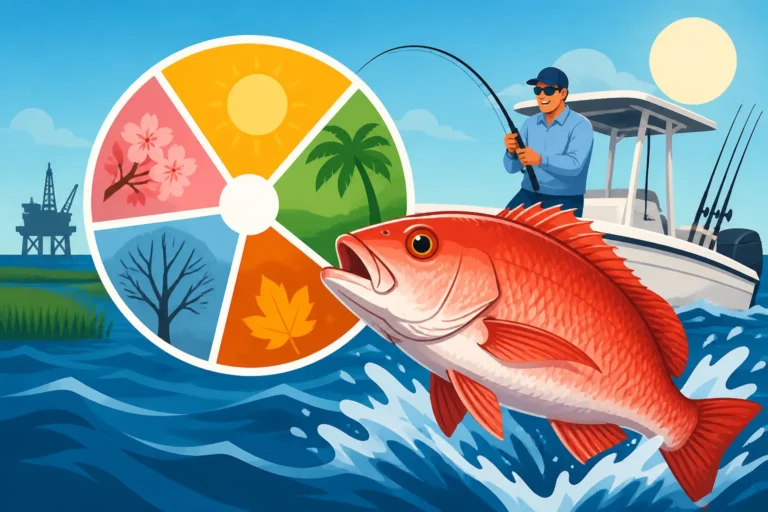
- Spring: As water temperatures rise, redfish become more active and are often found in shallower waters. Live shrimp and artificials that mimic small baitfish are often highly effective during the spring spawn period.
- Summer: The heat of summer pushes some redfish into deeper, cooler waters or causes them to feed heavily during low light conditions. Cut bait can be excellent at night, while early morning topwater bites can be phenomenal. Live baits like mullet and pinfish also shine.
- Fall: Often considered prime redfish season, the fall brings cooler temperatures and active fish. This is when the "shad run" or "mullet run" can occur, making live mullet and artificials that imitate them incredibly productive. Redfish are bulking up for winter, so they're aggressive.
- Winter: Redfish can be a bit slower in cooler waters, often congregating in deeper holes or protected channels. Slower presentations with live shrimp or cut bait on the bottom are often the key.
- Water Clarity: In clear water, live bait's natural appearance and subtle movements are often superior. In murky or stained water, a strong scent from cut bait or the vibration of an artificial lure becomes more important.
- Tides and Current: Strong currents might necessitate heavier weights and more robust baits (like cut mullet) to stay in the strike zone, whereas slack tide in a calm pond might call for a free-lined shrimp or a small soft plastic.
Location and Target Size
The specific location within Mississippi's diverse coastline and the size of the redfish being targeted also heavily influence bait choice.
- Marsh and Shallow Flats: In these skinny waters, stealth is key. Live shrimp under a popping cork or free-lined, small live minnows, or weedless soft plastics are preferred to avoid spooking the fish. Captains often target "slot reds" (within the legal Redfish Slot Limit on the Mississippi Gulf Coast) in these areas. For Best Spots to Catch Redfish on the Mississippi Coast, these shallow marsh areas are often mentioned.
- Bays and Passes: Here, where currents are stronger and depths greater, a mix of cut bait, larger live baits (like finger mullet), and spoons or larger soft plastics can be effective. This is where you might encounter bigger redfish, including "bull reds" that are too large to keep.
- Nearshore and Barrier Islands: When chartering further out, especially around the barrier islands, even larger baits might be used, targeting really big bull reds that patrol these areas. Live crabs or substantial cut bait could be the ticket here.
The "Freshness Factor" and Local Availability
Any experienced angler will tell you: fresh bait is best bait. Charter captains understand this implicitly and make every effort to secure the freshest possible live and cut baits for their trips.
- Live Bait Procurement: Many captains wake up before dawn to catch their own live bait, ensuring it's as fresh and lively as possible. Others have relationships with local bait shops that consistently provide high-quality bait. The availability of certain bait species can fluctuate, and captains adapt accordingly. If live shrimp are scarce, they might lean more heavily on artificials or cut bait.
- Local Species: The abundance of species like menhaden and mullet in Mississippi waters makes them a natural and effective choice for both live and cut bait. Using what's naturally available in the ecosystem often yields the best results.
Here’s a quick overview of popular redfish baits used by Mississippi charters:
| Bait Type | Key Advantages | Best Uses | Considerations |
|---|---|---|---|
| Live Shrimp | Natural, high appeal, versatile, common prey | Shallow marshes, flats, under popping corks, sight fishing | Can be delicate, smaller fish might steal it |
| Live Finger Mullet | Durable, natural prey, good action, larger target | Around structure, deeper channels, strong currents, larger fish | Requires specific rigging to stay lively |
| Live Crab | Irresistible to large redfish, tough bait | Oyster beds, jetties, targeting bull reds | Less common, can be harder to procure |
| Cut Mullet/Menhaden | Strong scent trail, attracts from a distance, durable | Murky water, night fishing, deeper holes, soaking baits | Less active than live bait, can attract unwanted species |
| Soft Plastics | Versatile, mimics various prey, efficient for covering water | Sight fishing, probing structures, various retrieve styles | Requires active fishing, angler skill with retrieve |
| Spoons | Casts far, weedless, effective in grass/oysters | Covering large flats, windy conditions, mimicking baitfish | Less natural scent, can be repetitive for fish |
| Topwater Lures | Exciting strikes, good for low light/active fish | Early morning, late evening, active feeding fish on surface | Only effective when fish are willing to strike the surface |
Ultimately, a Mississippi fishing charter captain's choice of bait for redfish is a testament to their expertise. They're not just fishing; they're strategizing, adapting, and leveraging their deep understanding of the local environment to give you the best chance at a memorable catch. So, the next time you're out there, whether you booked through FishingBooker or directly with a local captain, you'll have a better appreciation for the thought that goes into that bait on your hook!
Disclaimer
This article is for general informational purposes only and does not constitute professional advice. Laws, prices and regulations vary by location and change over time. Consult a qualified professional for guidance on your specific situation.