Can You Keep the Fish You Catch on a Charter?
One of the most exciting parts of planning a fishing trip, especially if you're booking a charter, is dreaming about the fresh fillets you'll bring home. But a common question that pops up, often unspoken until you're already on the boat, is whether you actually get to keep the fish you catch. It's a valid concern, and the answer isn't always a simple "yes" or "no" because it depends on a few key factors. This guide is here to help you understand the ins and outs of keeping your catch when you venture out on a Mississippi fishing charter.
Understanding the Basics of Charter Fishing in Mississippi
When you book a fishing charter in Mississippi, you're not just renting a boat; you're essentially hiring a seasoned expert and their fully equipped vessel for a dedicated fishing experience. It’s an investment in a memorable day on the water, whether you're targeting speckled trout on the Gulf Coast or chasing big bass on Ross Barnett Reservoir. Knowing what to expect from your charter can help clarify the rules around keeping your catch.
What a Fishing Charter Typically Provides
Most reputable fishing charters in Mississippi come as an all-inclusive package, especially for the essentials. This means your captain will usually supply all the necessary fishing gear, from rods and reels to bait and tackle. You don't have to worry about bringing your own fancy gear or trying to figure out what bait works best; your captain has that covered, using their years of local knowledge to put you on the fish.
Beyond the tackle, the boat itself is a key component. Charter boats are often specifically outfitted for fishing, complete with fish finders, livewells to keep bait or catch fresh, and ample deck space. Some might even have shaded areas or small cabins, making your day on the water more comfortable. Think of it as a floating, mobile fishing workstation designed for maximum efficiency and enjoyment.
What's really special about a charter, though, is the expertise. Your captain isn't just driving the boat; they're reading the water, monitoring weather patterns, and knowing exactly where the fish are biting. They've spent countless hours on these waters and know the local species and their habits inside and out. This local knowledge is what truly makes a charter trip invaluable, often leading to a much more successful outing than if you were to venture out on your own. For a comprehensive look, you can often check What's Included in a Mississippi Charter Trip before you book.
The Captain's Role in Your Fishing Experience
Your charter captain is much more than just a boat driver; they are your guide, your instructor, and often, your legal compliance officer for the day. They’re responsible for ensuring a safe and productive trip, which includes making sure everyone on board adheres to state and federal fishing regulations. These regulations can be pretty intricate, varying by species, size, and even the body of water you're on, so having an expert at the helm is crucial.
They'll guide you on the best techniques for the day, help you reel in your catches, and even teach you a few tricks of the trade. More importantly, they'll be the one to tell you which fish meet the legal requirements to be kept and which ones need to be safely released. This isn't just about following the law; it's about sustainable fishing practices that protect Mississippi's precious aquatic resources for future generations.
Furthermore, the captain is also the ultimate authority on their vessel. While you're a paying customer, their boat is their business and their responsibility. This means they have the final say on fishing methods, safety protocols, and yes, even what happens with the fish you catch. It's always a good idea to communicate openly with your captain about your expectations for keeping fish before the trip even begins, ensuring everyone is on the same page. You can often find detailed information about specific captains and their policies on platforms like FishingBooker when you're doing your research.
The All-Important Question: Can You Keep Your Catch?
So, down to the nitty-gritty: can you actually keep those beautiful fish you worked so hard to reel in? In the vast majority of recreational fishing charters in Mississippi, the answer is usually yes, with conditions. The goal for many anglers is indeed to bring home fresh seafood for dinner, and charter captains understand this desire. However, those "conditions" are vital and largely depend on local regulations and sometimes, the specific charter's policies.
General Rule of Thumb for Keeping Fish
Generally speaking, if you catch a legal-sized fish of a species that is currently in season and within the daily bag limit, you are usually permitted to keep it on a recreational fishing charter in Mississippi. This applies to popular catches like speckled trout, redfish, bass, and crappie. The thrill of landing a keeper and knowing it's destined for your dinner plate is a huge part of the charter experience for many.
However, it's never a free-for-all. Every fish brought into the boat will be subject to a quick assessment by your captain or first mate. They'll check its length against a measuring board and identify the species to ensure it complies with all regulations. If it's too small, or if it's a species that's out of season or protected, it will be immediately and carefully released back into the water. This is standard practice and helps maintain healthy fish populations.
Think of it this way: your charter captain is running a business that depends on healthy fisheries, so they are incredibly diligent about adhering to conservation rules. They want you to have a great time and bring home fish, but not at the expense of the ecosystem. It's a balance, and they're the ones who maintain it on the water.
Factors Influencing What You Can Keep
The ability to keep your catch is primarily governed by a few critical factors, all designed to protect fish populations and ensure sustainable fishing for everyone. You'll definitely want to familiarize yourself with Mississippi Fishing Regulations Explained before your trip.
First and foremost are creel limits, which dictate the maximum number of fish of a particular species you can keep per day. For example, you might be allowed to keep a certain number of speckled trout, but once you hit that number, any additional trout you catch must be released, regardless of size. Mississippi Fishing Creel and Size Limits are strictly enforced.
Then there are size limits. Most popular game fish in Mississippi have a minimum (and sometimes maximum) length they must meet to be considered a "keeper." A bass that’s too short, or a redfish that’s outside the "slot limit" (meaning it’s too small or too large), must be returned to the water. This ensures that younger fish have a chance to grow and mature, and often protects large breeding fish as well.
Finally, open seasons and protected species play a huge role. Some fish species have specific seasons when they can be harvested, and outside of those dates, they are off-limits. Other species might be protected entirely or require special tags. For instance, the red snapper season in the Gulf can be quite short and specific, changing year to year based on stock assessments. Your captain will always be up-to-date on these variable rules.
The Captain's Discretion and Vessel Rules
While state and federal regulations are non-negotiable, some charter captains may have additional rules or preferences regarding your catch. This isn't common for typical recreational charters focused on bringing fish home, but it's worth noting. For example, some specialized "trophy" charters might focus on catch-and-release for certain large game fish, prioritizing the fight and the photograph over keeping the fish.
It's also possible that on very specific, perhaps less common, multi-angler or research-focused charters, the fish might be designated for a particular purpose or shared among the crew. This is rare for the average tourist booking, but again, it highlights why confirming these details before you book is so important. A quick chat with the charter operator or checking their listing on a site like FishingBooker can clear up any ambiguities.
Ultimately, the captain's priority is a successful, legal, and enjoyable trip for everyone. They know the rules, they have the gear, and they are your best resource for understanding what you can and cannot keep. Never hesitate to ask them if you're unsure about a fish you've just caught. They are there to help!
Navigating Mississippi's Fishing Regulations on a Charter
Mississippi boasts an incredible diversity of fishing, from the Gulf Coast to its numerous inland lakes and rivers. With such variety comes a host of regulations designed to manage these valuable resources. As an angler on a charter, you don't need to memorize every single rule, but a general understanding will enhance your experience and appreciation for the captain's expertise.
Understanding Creel and Size Limits
Creel limits, also known as bag limits, specify the maximum number of fish of a particular species that an angler can possess in a single day. These limits are set to prevent overfishing and ensure a healthy population for future generations. For instance, you might find that Mississippi Black Bass Daily Limit is a certain number, say 10, with some lakes having even more restrictive rules. Once your group collectively reaches that limit for a specific species, any additional fish of that kind must be released immediately and unharmed.
Size limits work hand-in-hand with creel limits. They dictate the minimum and sometimes maximum length a fish must be to be legally kept. This ensures that juvenile fish have a chance to grow and reproduce, contributing to the species' overall health. A common example on the Gulf Coast involves Mississippi Redfish and Speckled Trout Limits, where speckled trout usually have a minimum length, and redfish often fall into a "slot limit" – meaning they must be within a certain length range, with larger "bull" redfish often designated for release. Your charter captain will have measuring boards and be adept at quickly determining if a fish is a keeper.
These limits can sometimes be confusing, especially if you're fishing in different types of water or targeting multiple species. The beauty of a charter is that your captain is your living, breathing regulation guide. They know the rules for the specific waters you're fishing and the species you're targeting. They’ll ensure your group stays compliant, allowing you to focus on the fun part: catching fish!
Open Seasons and Protected Species
Just like hunting, fishing for certain species in Mississippi is often regulated by open and closed seasons. These seasons are implemented to protect fish during crucial periods, such as spawning, or to allow populations to recover. For example, while many panfish and catfish are available year-round, more sought-after species or those with sensitive populations might have specific windows when they can be harvested.
Beyond seasons, some species are entirely protected or require specific tags or permits even if you catch them. For example, certain types of sturgeon are protected, and catching them requires immediate release. Others, like red snapper in the Gulf of Mexico, have highly specific and often short seasons that can change annually, dictated by federal regulations. Your charter captain will always be up-to-date on these, so you won't accidentally break any laws.
It's crucial to trust your captain when they instruct you to release a fish. It might be disappointing to let go of a large catch, but it's often for a very good reason, whether it's out of season, undersized, oversized, or a protected species. They are protecting both you from potential fines and the future of fishing in Mississippi. Knowing these rules generally applies to both freshwater activities, covered by Mississippi Freshwater Fishing Rules, and saltwater adventures, often requiring a Mississippi Saltwater Sportfishing License Guide.
Special Rules for State and Federal Waters
Mississippi's fishing waters can be broadly categorized into state waters and federal waters, particularly on the Gulf Coast, and the rules can differ significantly between them. State waters typically extend a few miles offshore, and regulations are set by the Mississippi Department of Marine Resources (MDMR). Beyond that, you enter federal waters, which are governed by federal agencies like the National Oceanic and Atmospheric Administration (NOAA) Fisheries, often through regional fishery management councils.
For inshore species like speckled trout and redfish, you'll generally be fishing within state waters, and your captain will follow MDMR guidelines. However, if your charter is headed offshore for species like red snapper, amberjack, or tuna, you'll be venturing into federal waters, and those rules can be much more complex, including specific seasons, size limits, and even reporting requirements that charter captains must adhere to.
Your charter captain is licensed and knowledgeable about both state and federal regulations relevant to the specific type of trip you've booked. They understand the jurisdictional lines and the varying rules, which is another significant advantage of booking a professional guide. This removes the burden of tracking complex regulations from your shoulders, allowing you to simply enjoy the fishing experience.
Post-Catch Handling: From Boat to Table
After the excitement of the catch, the next thought for many is how to get that delicious fish from the boat to their dinner table. A good charter experience often extends beyond just the fishing itself, offering services that make this transition seamless.
Fish Cleaning Services on Charters
One of the most appreciated perks of booking a fishing charter is the cleaning service that many captains and their crews provide. After a long day of fighting fish, the last thing many anglers want to do is spend another hour or two scaling and filleting. Thankfully, most Mississippi charters will clean and bag your catch for you right at the dock, or sometimes even on the boat during the trip. This is a huge convenience!
This service usually includes gutting, scaling (if necessary), and filleting your fish into ready-to-cook portions. They’ll then bag them, often in individual Ziploc bags, and might even provide ice for transport. While this service is standard, it's customary to factor in a tip for the crew, especially for the excellent job they do cleaning and preparing your hard-earned fillets. Many anglers often wonder, Does the Charter Clean and Fillet Your Fish?, and for most, the answer is a resounding yes!
It's always a good idea to confirm if fish cleaning is included and if there's any additional charge (though it's usually part of the overall service, tipping is expected for good service). This small detail can make a big difference in how enjoyable your post-fishing experience is. Remember, a clean fish is a happy fish, and it makes cooking a breeze when you get home.
Packaging and Transporting Your Catch Home
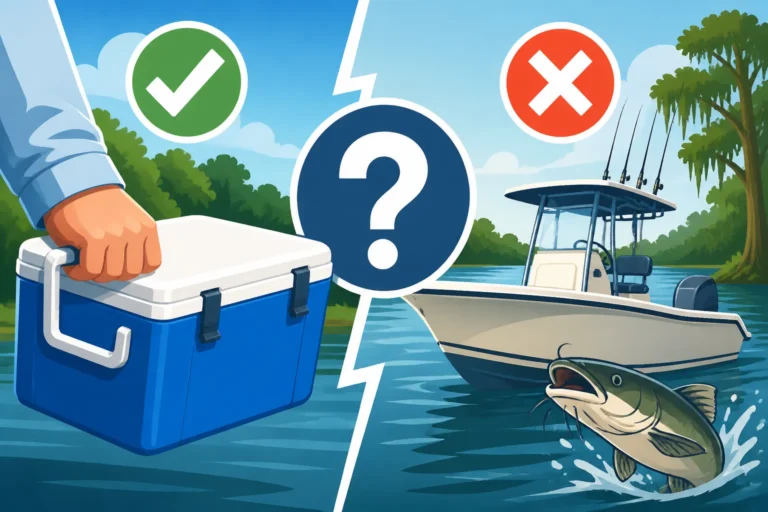
Once your fish are cleaned and bagged, the next step is getting them home safely and freshly. Your charter captain will usually have ice on board to keep your fish chilled until you get back to the dock, and often provide some for the ride home as well. However, it's always a smart move to bring your own cooler, especially if you have a long drive ahead of you or if you're planning to keep a substantial amount of fish.
Fill your cooler with plenty of ice – the more, the better! Layer your bagged fillets between ice to ensure they stay cold and fresh. Avoid letting your fish sit in melted ice water for too long, as this can degrade the quality of the meat. If you're staying overnight, consider transferring your fillets to a refrigerator or freezer as soon as possible. Properly handled, fresh fish can last several days in the fridge or several months in the freezer without significant loss of quality.
If you’re traveling a considerable distance, you might want to consider freezing your fillets solid before transport, particularly if you’re flying. Some charter services can even assist with packaging for air travel, though this is less common for standard trips. Always double-check airline regulations regarding transporting frozen seafood.
The Joy of Eating Your Freshly Caught Fish
There's truly nothing quite like the taste of freshly caught fish, especially when you’ve had a hand in catching it yourself. The unique satisfaction of preparing and enjoying a meal that you personally harvested from Mississippi's bountiful waters is an experience in itself. Whether you prefer to grill, bake, fry, or blacken your fillets, they will undoubtedly be a delicious reminder of your day on the water.
Sharing your catch with family and friends adds another layer of enjoyment. It’s a chance to relive the excitement of the trip, tell tall tales of the ones that got away, and savor the reward of your angling efforts. This tangible takeaway is a huge reason why many people choose fishing charters – it's not just about the thrill of the fight, but the feast that follows.
So, when you're planning your next Mississippi fishing adventure, know that bringing home your legal catch is almost certainly part of the package. It's a key element of the overall experience, and a delicious way to extend the memories of a fantastic day spent fishing. Just remember to communicate with your captain, respect the regulations, and be ready for some incredible meals!
Mississippi Fishing Catch Regulations Overview
To give you a clearer picture, here's a general overview of common catch considerations for popular species in Mississippi. Remember, these are general guidelines, and specific regulations can change or vary by body of water. Always defer to your charter captain for the most current and accurate information on the day of your trip.
| Species | Typical Location | Key Considerations for Keeping |
|---|---|---|
| Largemouth Bass | Freshwater lakes/rivers | Daily creel limits apply; often a minimum size limit. |
| Crappie | Freshwater lakes/rivers | Daily creel limits apply; often a minimum size limit. |
| Catfish | Freshwater lakes/rivers | Daily creel limits apply (e.g., Channel, Blue, Flathead Catfish). |
| Speckled Trout | Mississippi Gulf Coast | Daily creel limit; minimum size limit (check for current slot limits). |
| Redfish | Mississippi Gulf Coast | Daily creel limit; specific slot limit (fish must be within length range). |
| Flounder | Mississippi Gulf Coast | Daily creel limit; minimum size limit. |
| Red Snapper | Federal Gulf Waters | Very strict, often short seasons; daily creel and size limits apply. |
| Cobia | Federal Gulf Waters | Daily creel limit; minimum size limit. |
Remember to always consult with your captain, as they will have the most up-to-date information for your specific trip. Understanding these nuances can ensure you have a responsible and rewarding fishing experience. Don't forget, topics like Mississippi Catfish Regulations and Mississippi Statewide Creel Limits can be quite detailed, so your captain's knowledge is invaluable. For more general advice, you can often find great resources when exploring options on FishingBooker, which often details captain policies. Finally, don't forget Tipping Etiquette for Mississippi Fishing Guides to show your appreciation for their hard work, including cleaning your catch!
Disclaimer
This article is for general informational purposes only and does not constitute professional advice. Laws, prices and regulations vary by location and change over time. Consult a qualified professional for guidance on your specific situation.