Is Deep Sea Fishing Safe for Beginners?
Let's face it, the idea of heading miles offshore into the vast Gulf of Mexico for your first deep sea fishing trip can feel a little intimidating. You might be picturing huge waves, dangerous fish, and being completely out of your element. This guide is here to tackle those very real anxieties, walking you through why deep sea fishing in Mississippi is not only incredibly exciting but also remarkably safe for beginners, especially when you choose a reputable charter.
Understanding the Real Risks of Deep Sea Fishing for Beginners
It’s completely normal to have a few jitters before trying something new, especially when it involves being on the open water. Many beginners worry about things like massive storms, getting lost, or encountering dangerous marine life. While caution is always wise, much of this apprehension can be put at ease once you understand the realities of charter operations in Mississippi.
Dispelling Common Fears vs. Acknowledging Real Concerns
Let's talk about what's likely to happen and what's mostly just movie magic. You're probably not going to be wrestling a great white shark bare-handed, and your boat isn't going to vanish into a Bermuda Triangle vortex off the coast of Biloxi. Those are sensationalized fears.
What are some real concerns? Seasickness is probably at the top of many people's lists, and it's a valid one. Nobody wants to spend their trip feeling unwell. Sunburn and heat exhaustion are also common if you're not prepared. Minor cuts from hooks or fish spines, or perhaps a slip on a wet deck, are also possibilities. But here’s the key: a professional deep sea fishing charter in Mississippi is explicitly designed to mitigate these exact risks. They operate with stringent safety standards, experienced crews, and well-maintained equipment, ensuring that these real concerns are managed, not ignored. The goal is a fun, safe trip, not a perilous adventure.
The Role of Weather and Sea Conditions
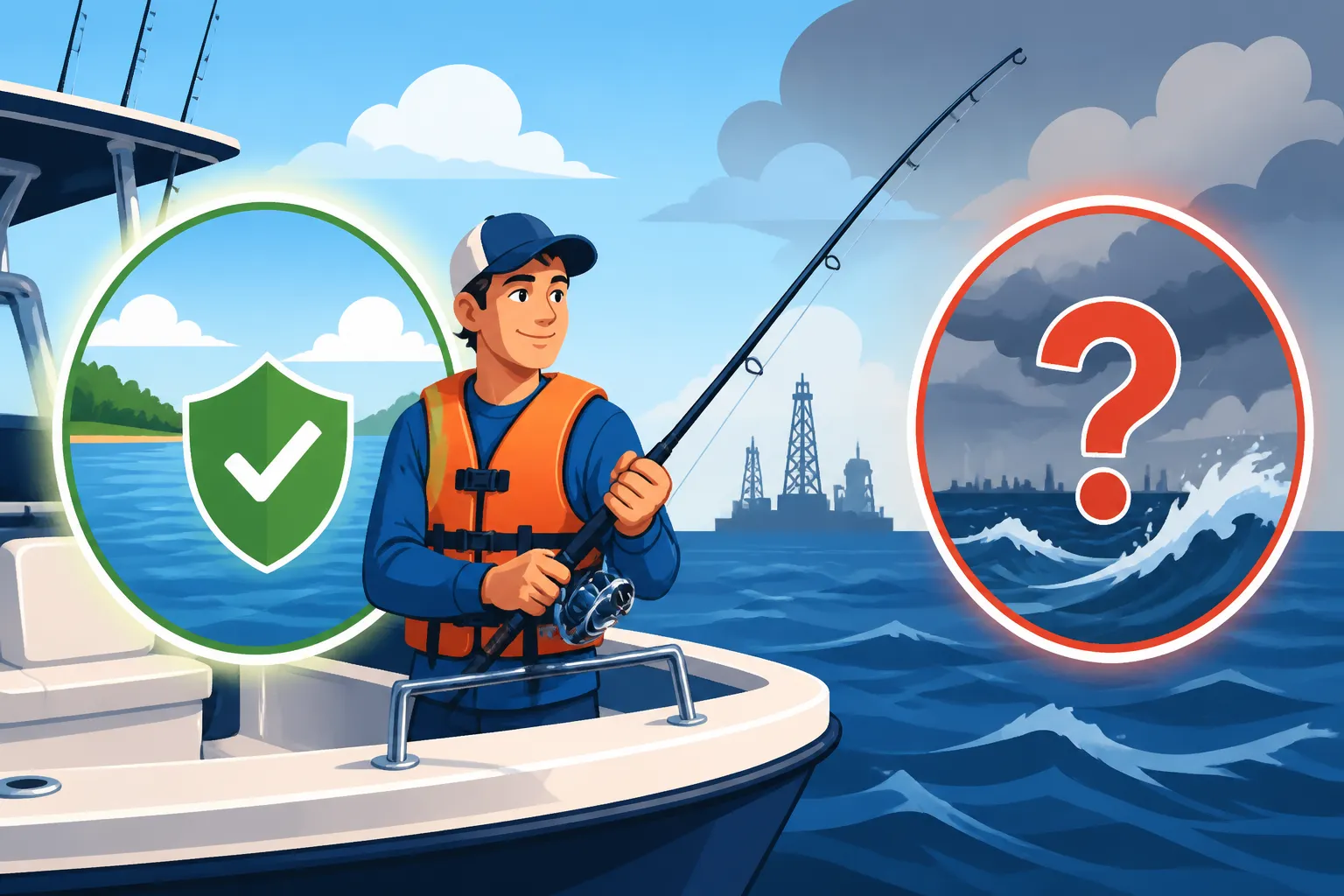
One of the biggest factors influencing safety on any offshore trip is the weather. You might worry about sudden storms or rough seas. This is where the captain's expertise becomes invaluable. Licensed captains are constantly monitoring marine forecasts, often with highly sophisticated radar and satellite systems that go far beyond what you'd see on a local news channel.
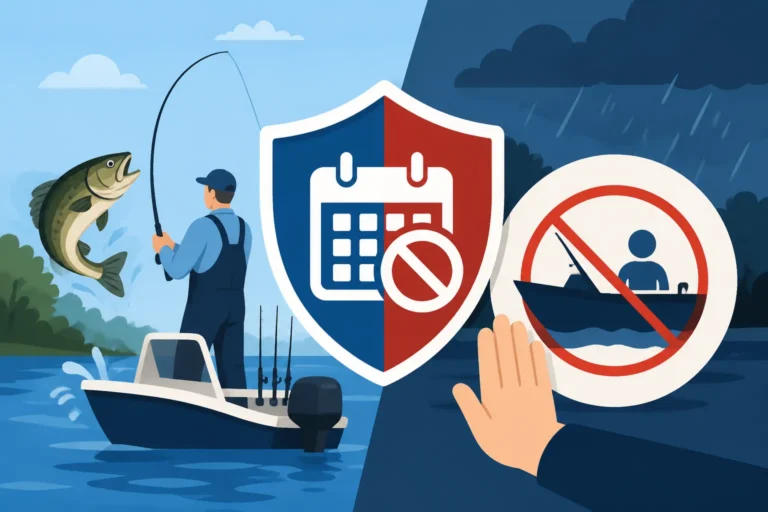
If the weather looks dicey, or if sea conditions are predicted to be genuinely unsafe or just plain uncomfortable for fishing, a good captain will make the call to reschedule or cancel the trip. It's a testament to their professionalism and commitment to passenger safety. No reputable captain in Mississippi wants to put their clients or their crew at risk, or worse, have a miserable day where no one can enjoy the fishing. Sometimes, it means missing out on a specific day, but that slight inconvenience is a small price to pay for everyone's well-being. Always trust your captain's judgment here. They live and breathe these waters and know when it’s best to stay docked. What Happens If the Weather Is Bad on Charter Day is a common question, and reputable charters have clear policies for such situations.
How Professional Charters Ensure Your Safety on the Mississippi Gulf Coast
Booking a trip with a professional charter, whether through a local marina or a service like FishingBooker, is your strongest ally in ensuring a safe deep sea fishing experience. These operations are regulated, staffed by experts, and equipped specifically for offshore safety.
Licensed Captains and Crew Expertise
This is perhaps the most critical component of deep sea fishing safety. Every captain operating a passenger vessel for hire in Mississippi must be licensed by the U.S. Coast Guard (USCG). This isn't just a piece of paper; it means they've undergone rigorous training, passed exams on navigation, rules of the road, fire fighting, first aid, and often advanced maritime safety. They also have to log a significant number of sea hours before they can even apply.
Think of your captain as the pilot of an airplane – highly trained and responsible for everyone's safety. They know the Gulf waters, the currents, the potential hazards, and how to handle emergencies. The crew members, too, are experienced. They're there not just to help you reel in fish but also to assist with safety. They'll show you how to move safely around the boat, demonstrate proper use of fishing gear, and provide immediate assistance if needed. If you're looking for specifics on how these professionals get their credentials, you might find more in-depth information by searching for Mississippi Fishing Guide License Requirements Explained.
Safety Equipment and Vessel Standards
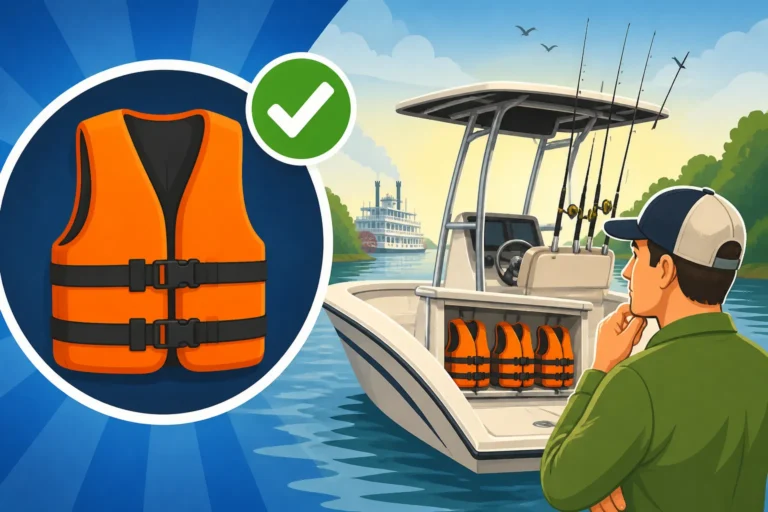
A well-equipped charter boat is a floating fortress of safety gear. It's not just about having life jackets (though those are always onboard and easily accessible for every passenger, often including child-sized vests). Think about the array of safety equipment required:
- First Aid Kits: Comprehensive and regularly stocked, ready for anything from a minor hook prick to something more serious.
- Communication Devices: Multiple radios, often a VHF radio for short-range communication with other vessels and the Coast Guard, and sometimes satellite phones for further offshore trips.
- Navigation Systems: GPS, radar, and depth sounders are standard, helping the captain know exactly where they are and avoid hazards.
- Emergency Position Indicating Radio Beacons (EPIRBs) or Personal Locator Beacons (PLBs): These devices, if activated, transmit a distress signal and your exact location to rescue authorities.
- Fire Extinguishers: Strategically placed and regularly inspected.
- Flares and Visual Distress Signals: For signaling help in an emergency.
Beyond the equipment, the vessels themselves are subject to regular maintenance and, in some cases, inspections to ensure structural integrity and operational readiness. Reputable charter companies take immense pride in their fleet, understanding that their livelihood, and your safety, depends on it. When booking Deep Sea Fishing Charters in Mississippi, don't hesitate to ask about their safety equipment if it gives you peace of mind.
Pre-Trip Briefings and Onboard Protocols
Before your charter even leaves the dock, the captain or crew will typically give a brief orientation. This isn't just a formality; it's vital information for your safety and enjoyment. They'll point out the location of life jackets, explain emergency procedures (like what to do if someone falls overboard), and outline basic rules of the boat.
Once underway, there are unwritten and often explicitly stated protocols:
- Staying within designated areas: The captain will let you know where it's safe to move around the boat.
- Proper handling of fishing gear: Hooks are sharp, and lines can snap. The crew will guide you on how to safely cast, retrieve, and handle your catch.
- Fish handling: Some fish have sharp spines or teeth. The crew will demonstrate how to safely unhook and handle fish, minimizing risk to both you and the fish.
- Hydration: Especially on hot Mississippi days, the crew will encourage you to drink plenty of water to prevent dehydration.
Listening attentively to these briefings and following onboard instructions is paramount. Remember, these guidelines are there to keep you safe and ensure everyone has a fantastic day on the water.
Practical Tips for Beginners to Maximize Safety and Enjoyment
Even with the best charter, your personal preparation plays a significant role in ensuring a safe and enjoyable deep sea fishing experience. A little foresight can prevent a lot of discomfort or minor issues.
Preparing for Your Deep Sea Adventure
Your preparation begins well before you step foot on the boat.
- Hydration is Key: Start hydrating the day before your trip. The sun, exertion, and sea air can quickly lead to dehydration. Bring plenty of water and other non-alcoholic beverages.
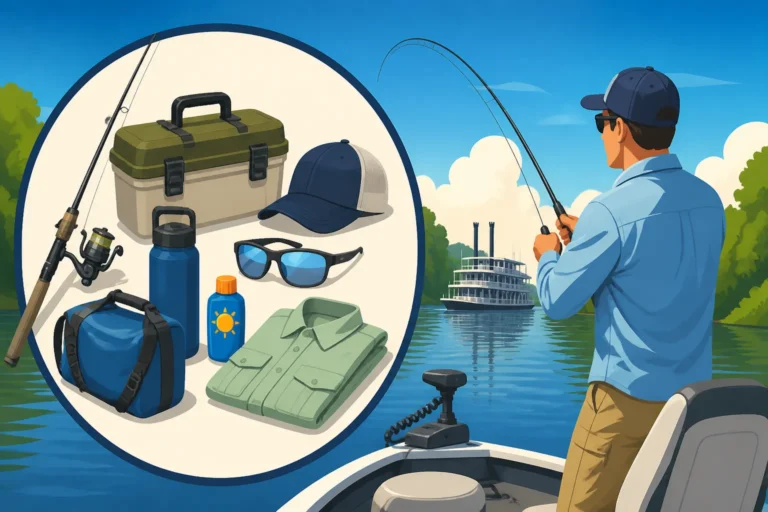
- Dress Appropriately: Think layers. It might be cool in the morning and scorching hot by midday. Long sleeves and pants can protect you from the sun. Light-colored clothing helps reflect heat. A wide-brimmed hat and sunglasses are essential.
- Sun Protection: Sunscreen, and lots of it! Apply generously before you leave and reapply frequently throughout the day, especially after getting wet. The sun's reflection off the water intensifies its rays.
- Motion Sickness Medication: If you are at all prone to seasickness, or even if you're unsure, take preventative medication before you board the boat. Don't wait until you feel sick; by then, it's often too late. Options include over-the-counter remedies like Dramamine or Bonine, or prescription patches. Talk to your doctor if you have concerns. You can find more tips by looking at Do People Get Seasick on Mississippi Charter Boats?.
- Communicate Any Medical Conditions: Inform your captain or crew beforehand if you have any medical conditions, allergies, or physical limitations. This allows them to be prepared and assist you effectively if needed.
- Pack Smart: Bring a small bag with only essentials. Space on a boat is often limited. Check out What to Bring on a Mississippi Fishing Charter for a comprehensive list.
When you're ready to book, resources like FishingBooker can help you find reputable charters with good reviews, giving you confidence in your choice.
Onboard Best Practices
Once you're out on the water, a few simple practices will contribute significantly to your safety and the enjoyment of everyone aboard.
- Listen to the Crew: This cannot be stressed enough. They are the experts, and their instructions are for your safety. Whether it's how to hold your rod, where to stand, or how to handle a fish, follow their guidance.
- Stay Aware of Your Surroundings: Boats move, even when anchored. Keep an eye on lines, hooks, and other anglers. Be mindful of sudden waves or boat movements.
- Handle Fish Safely: Fish, especially larger species, can be powerful and have sharp teeth, spines, or gills. Let the crew guide you on how to handle your catch. If you're taking pictures, do so quickly and carefully.
- Keep the Deck Clear: Avoid leaving gear, coolers, or personal items strewn about the deck where someone could trip.
- Use the Railings: When moving around the boat, especially in choppy water, always maintain three points of contact (two hands and one foot, or two feet and one hand) on railings or stable surfaces.
Following these practices will not only keep you safe but also make for a smoother, more enjoyable trip for everyone on board.
Choosing the Right Charter for Peace of Mind
Selecting the right charter is your first step towards a safe and successful deep sea fishing trip. Not all charters are created equal, and doing a little homework can make a big difference.
- Check for Licenses and Insurance: Reputable charters will prominently display their USCG license or be able to readily provide proof. They should also carry adequate insurance.
- Read Reviews and Testimonials: Online platforms are a great place to gauge the experience of previous customers. Look for consistent comments about professionalism, safety, and customer service. Websites like FishingBooker are excellent for this, as they aggregate reviews and provide detailed information on numerous Mississippi Gulf Coast Fishing Charters.
- Ask Questions: Don't be shy! Before you book, call the charter operator. Ask about their safety protocols, what equipment they provide, their experience level, and their policy for bad weather. A good operator will be happy to answer all your questions.
- Consider the Vessel: While you don't need to be an expert, a clean, well-maintained boat is usually a good indicator of a responsible operator. Many charters will have photos of their vessel online.
- Pricing and Inclusions: Understand what the price includes. Does it cover bait, tackle, and ice? What about the fishing license? Some charters will handle the required Mississippi Fishing License Guide for you, or at least explain how to get your own. Knowing Mississippi Fishing Charter Prices and what's included helps set expectations.
By putting in a little effort upfront, you can ensure you book with a reputable charter that prioritizes your safety, allowing you to relax and fully immerse yourself in the thrill of deep sea fishing off the beautiful Mississippi coast. Whether you're targeting Red Snapper, King Mackerel, or Speckled Trout, knowing you're in safe hands makes the experience all the better.
Disclaimer
This article is for general informational purposes only and does not constitute professional advice. Laws, prices and regulations vary by location and change over time. Consult a qualified professional for guidance on your specific situation.