Can Kids Go on a Deep Sea Fishing Charter?
One of the biggest joys in life is sharing your passion for the outdoors with your children, and for many anglers, that means introducing them to the thrill of fishing. But when it comes to deep-sea fishing, a lot of parents worry if it’s truly suitable for their little ones. You might be wondering if your kids are old enough, if they'll get seasick, or if they'll even enjoy being out on the vast ocean for hours. Well, let me tell you, the answer is a resounding yes – with the right preparation and expectations, kids absolutely can go on a deep-sea fishing charter, and this guide will walk you through how to make it an unforgettable experience for the whole family.
The Short Answer: Yes, Absolutely!
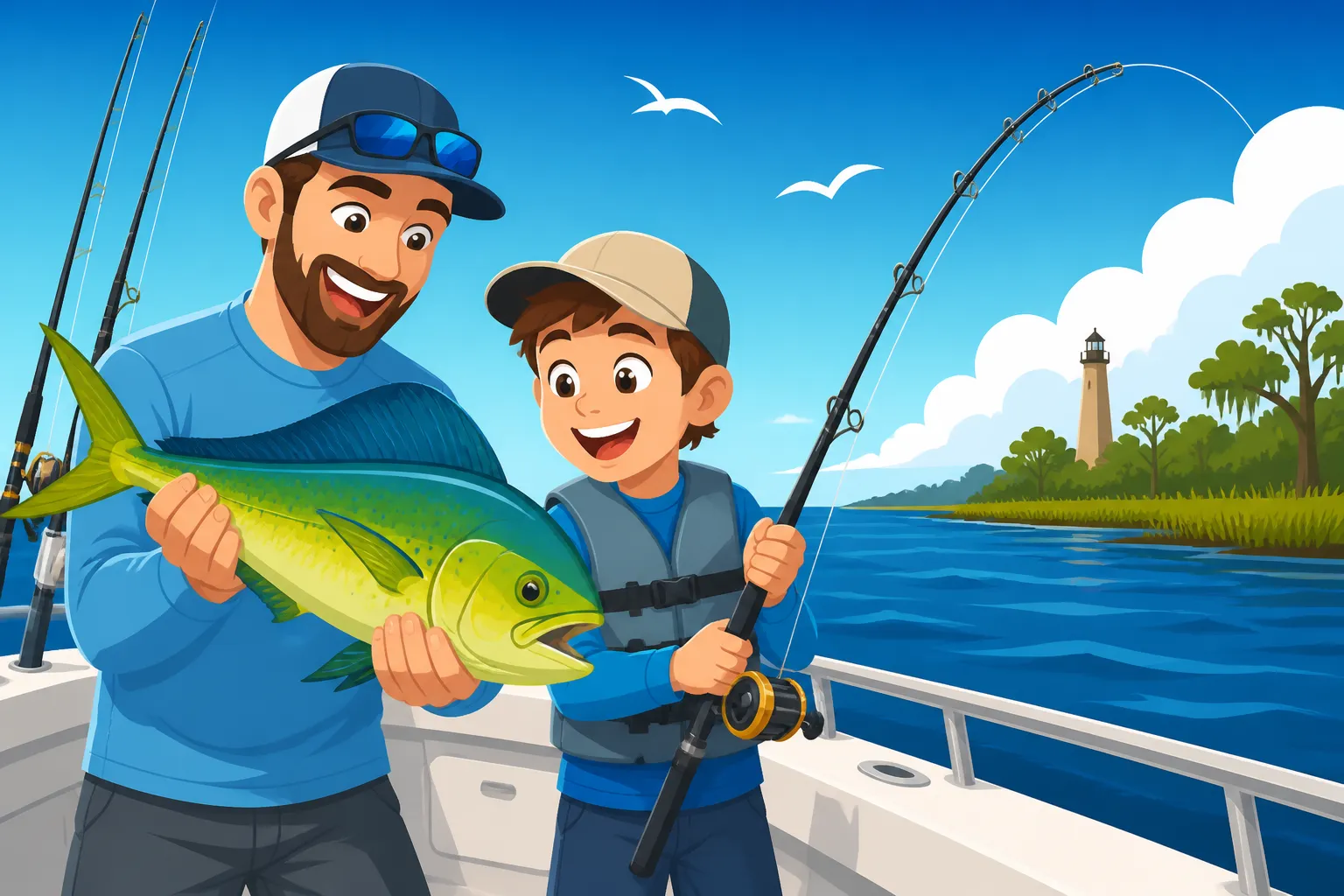
Let's clear the air right away: children are absolutely welcome and often encouraged on deep-sea fishing charters! Most reputable charter operations love hosting families and understand that bringing new, young anglers into the fold is how the sport grows. It's not just about catching big fish; it's about making memories, experiencing the open water, and learning about marine life. Think about it, for a child, the ocean is a place of wonder, and being on a boat far from shore offers a perspective they rarely get.
Age and Maturity Matter More Than a Number
While there isn't a hard-and-fast age limit that applies across the board, the suitability of a deep-sea charter for a child really comes down to their individual maturity level, attention span, and general disposition. A spirited five-year-old with a love for adventure and a decent attention span might thrive, while a more timid eight-year-old could find it overwhelming.
Consider these factors: Can your child follow instructions well? Are they generally patient, or do they get bored quickly? How do they handle new, potentially rocking environments? Do they get car sick easily? These are all good indicators. Most captains would suggest that kids around 6-8 years old and up are typically ready for a deep-sea experience, but you know your child best. If you have an exceptionally calm and curious younger child, a shorter, calmer trip might work out great. For toddlers, the open ocean environment, with its strong sun, unpredictable waves, and long periods between action, is generally not ideal.
Charter Captains Are Often Kid-Friendly
You'll be delighted to know that many charter captains and their crews are incredibly welcoming and experienced with families. They often have kids of their own or have hosted countless youngsters on their boats. They understand that a child's first fishing trip can be formative, and they genuinely want to make it positive.
A good captain will go out of their way to engage the kids, explaining how the gear works, identifying fish, and celebrating every catch, no matter how small. They'll show patience and offer encouragement, which can make all the difference for a budding angler. Don't hesitate to ask about the crew's experience with children when you're inquiring about booking. You can often find reviews mentioning family-friendly experiences on platforms like FishingBooker, which can help you gauge a particular charter's suitability for your crew. They’re often able to handle the chaos and excitement that comes with having enthusiastic youngsters aboard, ensuring a safe and fun outing for everyone.
What to Consider Before Booking for Kids
Taking kids deep-sea fishing isn't quite the same as a quick trip to a local pond. There are unique challenges and considerations that, if addressed beforehand, can make the difference between a fantastic memory and a miserable one. It's all about proactive planning and knowing what to expect.
Physical Comfort and Seasickness
The open ocean can be unpredictable. Even on a relatively calm day, there's always some motion, and this can be a major factor for kids (and adults!) prone to motion sickness. There's nothing worse than a child feeling queasy, and it can quickly ruin the entire experience.
Before you go, consider giving your child over-the-counter motion sickness medication designed for kids. Always consult with a pediatrician first, of course, and follow dosage instructions carefully. Administer it before you leave the dock, as it's far less effective once symptoms have started. Encourage them to look at the horizon, get plenty of fresh air, and avoid reading or looking at screens during the trip. Hydration is also key; pack plenty of water and avoid sugary drinks or heavy, greasy foods right before or during the trip. The sun is another big comfort factor. Out on the water, the sun's rays are amplified by reflection, so pack plenty of sunscreen, wide-brimmed hats, and light, long-sleeved clothing to protect their delicate skin. Make sure they have comfortable shoes with good grip, as boat decks can get wet and slippery.
Attention Spans and Engagement
Let's be real: deep-sea fishing can involve a lot of waiting. There are periods of excitement when a fish bites, but also long stretches where nothing seems to be happening. This can be tough on short attention spans. If your child struggles with patience, a full-day offshore trip might be too much.
Consider bringing along some quiet activities for downtime, like small drawing pads, books, or even simple travel games. Avoid electronic devices if possible, especially if they contribute to motion sickness, but a tablet with pre-downloaded movies or games can be a lifesaver for truly slow moments. A great captain will also help keep kids engaged by teaching them about the ocean, the different species of fish they might encounter (linking nicely to Mississippi Saltwater Fish Species Guide), and the mechanics of fishing. Turning it into an educational experience can keep their minds occupied even when the fish aren't biting.
Safety First on the Open Water
Safety is paramount on any boat, especially with children. Deep-sea vessels are designed with safety in mind, but the open water environment still presents hazards. Ensure your child understands and follows all instructions from the captain and crew immediately.
Life jackets are typically provided by the charter, and it’s a good idea for younger children, or those who aren't strong swimmers, to wear them at all times while on deck. Always confirm with the charter beforehand what their policy is regarding life jackets for kids. Teach them about staying seated when the boat is moving, keeping hands and feet clear of lines and equipment, and never running on deck. Point out safety equipment like throw rings or fire extinguishers. Mississippi Life Jacket Rules for Anglers covers some general guidelines, but always defer to the specific instructions given by your charter captain. A quick safety briefing before departure can go a long way in preparing everyone for a secure and enjoyable trip.
Choosing the Right Charter for a Family with Kids
Not all deep-sea charters are created equal, and what's perfect for a group of experienced adult anglers might not be the best fit for a family with kids. Making the right choice involves considering the trip length, the type of boat, and the captain's approach.
Half-Day vs. Full-Day Trips
This is perhaps one of the most critical decisions when planning a deep-sea trip with kids. A full-day trip, which can last 8-10 hours, often involves traveling further offshore and spending more time actively fishing. While this might maximize your chances for big catches, it can be an endurance test for children.
For most families, a half-day charter (typically 4-6 hours) is almost always the better option. It offers enough time to get out to good fishing grounds, experience the excitement of catching fish, and get back to shore before boredom, fatigue, or seasickness sets in. It also leaves time for other activities or relaxation later in the day. Think of it as a quality over quantity approach. You want them to leave wanting more, not vowing never to step on a boat again! Half-Day vs Full-Day Charters on the Mississippi Coast provides a broader comparison, but for kids, shorter is usually sweeter.
Private vs. Shared Charters
Another important consideration is whether to book a private charter or join a "party boat" (a shared charter with other groups). Both have their pros and cons.
A private charter means you have the entire boat and crew to yourselves. This offers immense flexibility. You can tailor the trip to your family's pace, decide when to move spots, and even head back to shore earlier if someone is having a tough time. The crew can dedicate their attention entirely to your family, which is fantastic for teaching kids and ensuring their comfort. The downside, of course, is the cost, which is typically higher as you're paying for the whole boat.
Party boats are more budget-friendly as you only pay per person. However, you're sharing the space and the crew's attention with many other anglers. The schedule is fixed, and you might not have the flexibility to adjust the trip to your child's needs. While some party boats are family-friendly, others cater more to serious anglers. For a first-time experience with kids, a private charter, if your budget allows, often provides a more relaxed and personalized introduction to deep-sea fishing.
Inshore vs. Offshore: Which is Better for Kids?
When you hear "deep-sea fishing," you might immediately think of going way offshore for giant tuna or marlin. However, the term can encompass various types of saltwater fishing. The distinction between inshore and offshore fishing is particularly relevant for kids.
- Inshore Fishing: This typically involves fishing in calmer waters closer to shore, such as bays, sounds, estuaries, or along the coast. The trips are often shorter, the boat ride is generally smoother, and you're usually targeting species like speckled trout, redfish, and flounder. For younger kids or those prone to seasickness, Inshore Fishing Charters on the Mississippi Coast offers a fantastic entry point into saltwater fishing. The action can be consistent, keeping kids engaged, and the overall experience is less intense.
- Offshore/Deep Sea Fishing: This takes you further out into the Gulf, often many miles from land, targeting species like snapper, grouper, or even larger pelagic fish. These trips are typically longer, involve more exposure to open ocean swells, and the fishing can be more physically demanding. While incredibly rewarding, it's generally better suited for older children or those with prior inshore experience.
For a child's first deep-sea adventure, I'd almost always recommend starting with an inshore or nearshore trip to gauge their comfort level before venturing into true deep-sea territory.
Asking the Right Questions When Booking
Once you've narrowed down your choices, don't be shy about asking specific questions to ensure the charter is truly family-friendly. Here's a checklist:
- "Do you regularly host families with children?"
- "What age do you recommend for kids on your trips?"
- "What is your policy on life jackets for children?"
- "What kind of fish do you typically target on a half-day trip, and how active is the fishing usually?"
- "Do you have a bathroom (head) on board that's suitable for kids?"
- "Is there shade available on the boat?"
- "What's your cancellation policy if the weather is too rough for kids?"
- "Do your crew members enjoy working with kids?"
Platforms like FishingBooker often allow you to read reviews from other families and sometimes even filter for kid-friendly charters, which can save you a lot of legwork. Don't be afraid to voice any specific concerns you might have; a good charter operator will appreciate your candor and help you make an informed decision.
Making the Deep Sea Trip a Success for Your Little Anglers
It's not just about getting on the right boat; it's about setting the stage for a positive experience from start to finish. A little planning and a lot of positive reinforcement can turn a good trip into an unforgettable family adventure.
Preparation is Key
Think of packing for a deep-sea trip with kids like packing for a mini-vacation within a vacation. Here’s a quick list of essentials:
- Hydration & Snacks: Bring plenty of water, juice boxes, and easy-to-eat, non-messy snacks like granola bars, crackers, and fruit. Avoid anything that might upset a sensitive stomach.
- Sun Protection: Sunscreen (reapply often!), wide-brimmed hats, sunglasses, and light, breathable long-sleeved shirts. The Mississippi sun can be intense, especially reflecting off the water.
- Comfortable Clothing: Dress in layers. It might be cool in the morning and hot by midday. Pack a lightweight rain jacket, just in case.
- Motion Sickness Remedies: If you're using medication, ensure it's administered well before boarding. Also, bring ginger candies or acupressure wristbands as natural aids.
- Entertainment for Downtime: Small, quiet toys, books, coloring books, or travel games can be invaluable during slow periods.
- Camera: To capture those priceless moments of excitement, especially when they reel in their first big fish!
- Cooler: While many charters provide coolers for fish, having a separate small cooler for your family's drinks and snacks is always a good idea.
Being prepared for various scenarios will help you relax and enjoy the experience alongside your kids.
Setting Realistic Expectations
Perhaps the most crucial advice for fishing with kids, especially deep-sea, is to manage expectations. It's not a Disney ride where fish jump onto the hook on command. There will be downtime. There might be no big bites. The goal isn't necessarily a massive cooler full of fish, but rather the experience itself.
Focus on the journey: the excitement of the boat ride, seeing dolphins or other marine life, the vastness of the ocean, the feeling of the rod in their hands, and the joy of just being out there with family. Celebrate every little victory, from a small nibble to successfully casting their line. Even if they don't catch the biggest fish, they've spent quality time outdoors, learned something new, and made memories that will last a lifetime. Sometimes, the fish just aren't biting, and that's okay. Talk about the fish that got away and the fun you had trying. What Happens If No Fish Are Caught on a Charter is a related read that might put your mind at ease.
Engaging Them in the Process
Kids thrive when they feel involved and important. A good charter captain will naturally do this, but you, as a parent, can also play a huge role.
Let them help bait the hook (if they're comfortable and it's safe). Teach them how to hold the rod and feel for bites. When a fish is on, guide their hands on the reel, letting them do most of the work, even if it means a slower retrieve. Talk about the different kinds of fish you might catch, their habitats, and what they eat. If they catch a fish that needs to be released, explain why catch and release is important for conservation. Learning how to properly handle and release fish can be a valuable lesson. If they catch a keeper, let them help put it in the cooler. Every step of the process is an opportunity for learning and engagement.
Remember, a deep-sea fishing charter with kids is an adventure. Embrace the ups and downs, celebrate the small moments, and focus on the shared experience. It's a fantastic way to introduce them to the wonders of the ocean and create lasting family memories.
| Feature | Half-Day Deep Sea Charter (for Kids) | Full-Day Deep Sea Charter (for Kids) |
|---|---|---|
| Duration | 4-6 hours | 8-10 hours or more |
| Travel Time | Shorter runs to fishing grounds, often nearshore/inshore | Longer runs to offshore fishing grounds |
| Seasickness Risk | Lower due to shorter duration and potentially calmer waters | Higher due to longer exposure and potentially rougher open ocean |
| Attention Span | Easier to maintain engagement for most children | Challenging for younger children; boredom can set in during slow periods |
| Physical Demands | Less taxing, good for younger or less experienced kids | More physically demanding, better for older, more resilient kids |
| Cost | Generally more affordable | Higher investment |
| Target Species | Often includes inshore species like redfish, speckled trout, flounder | Broader range of offshore species like snapper, grouper, king mackerel |
| Flexibility | More adaptable to a child's needs; can head back if issues arise | Less flexible; committed to the full duration |
| Recommended Age Range | 6-12 years old (with caveats for maturity) | 12+ years old, especially for true offshore conditions |
| Overall Experience | Great introduction, focuses on fun and early success | More serious fishing, can be exhausting for novices |
Disclaimer
This article is for general informational purposes only and does not constitute professional advice. Laws, prices and regulations vary by location and change over time. Consult a qualified professional for guidance on your specific situation.