Distance Offshore Mississippi Charters Travel for Snapper
The excitement of hooking into a powerful red snapper off the Mississippi Gulf Coast is an angler's dream, but many folks wonder just how far out into the vast Gulf of Mexico those charter boats have to travel to find them. It's not like dropping a line in an inshore bay; red snapper require specific habitats, and reaching them involves a significant journey. This guide will take you through the typical distances, the factors that influence where charters go, and what you can expect on your deep-sea adventure targeting these prized fish.
Understanding the Red Snapper Habitat in Mississippi Waters
Before we dive into the mileage, it’s helpful to understand why red snapper require such a trip. They aren't going to be swimming alongside the piers in Biloxi Bay. These fish are deep-dwelling, structure-oriented creatures, and their preferred environment is miles offshore in the open Gulf.
Why Red Snapper Live Offshore
Red snapper are truly a quintessential deep-sea species. Unlike speckled trout or redfish, which thrive in the shallower, brackish waters of estuaries and marshes, red snapper prefer the cooler, more stable temperatures found at greater depths. They are intrinsically tied to structure on the seafloor. This could be anything from natural rock outcroppings, ledges, and coral reefs to the myriad of artificial reefs, sunken wrecks, and even oil and gas platforms that dot the Gulf of Mexico. These structures provide them with protection from predators, a steady food supply, and ideal spawning grounds.
Because these types of deep-water structures and habitats simply don't exist in the shallow waters closer to the Mississippi coastline, anglers must venture further out. You're not just looking for "fish"; you're looking for a specific kind of environment that only exists a good distance from shore. The clarity and consistent temperature of the offshore waters are also key factors for their survival and growth, contributing to why the biggest red snapper are typically found further out.
The Importance of the Continental Shelf
The Gulf of Mexico's continental shelf plays a massive role in where red snapper are found and, consequently, how far offshore Mississippi charters travel. Think of the continental shelf as a massive underwater ledge that slopes gradually away from the coast before dropping off more steeply into the true deep ocean. Red snapper tend to congregate along this shelf, particularly where there are variations in depth, ledges, and, of course, structure.
As you head further south from the Mississippi coast, the water gradually deepens. The edge of the continental shelf, where this slope becomes more pronounced, often marks the sweet spot for many deep-sea species, including red snapper. This area generally offers the ideal combination of depth, current, and food sources that these fish depend on. When we talk about "nearshore" versus "offshore" fishing, for red snapper, "nearshore" simply isn't an option. You're heading into true "offshore" territory, where the bottom drops away, and the Gulf reveals its deeper secrets. It's a different world out there, and it's where the big ones live.
Typical Distances for Mississippi Red Snapper Charters
So, just how far are we talking? The exact distance can vary, but there's a general range that most charters operate within when targeting red snapper.
The "Sweet Spot" for Red Snapper Fishing
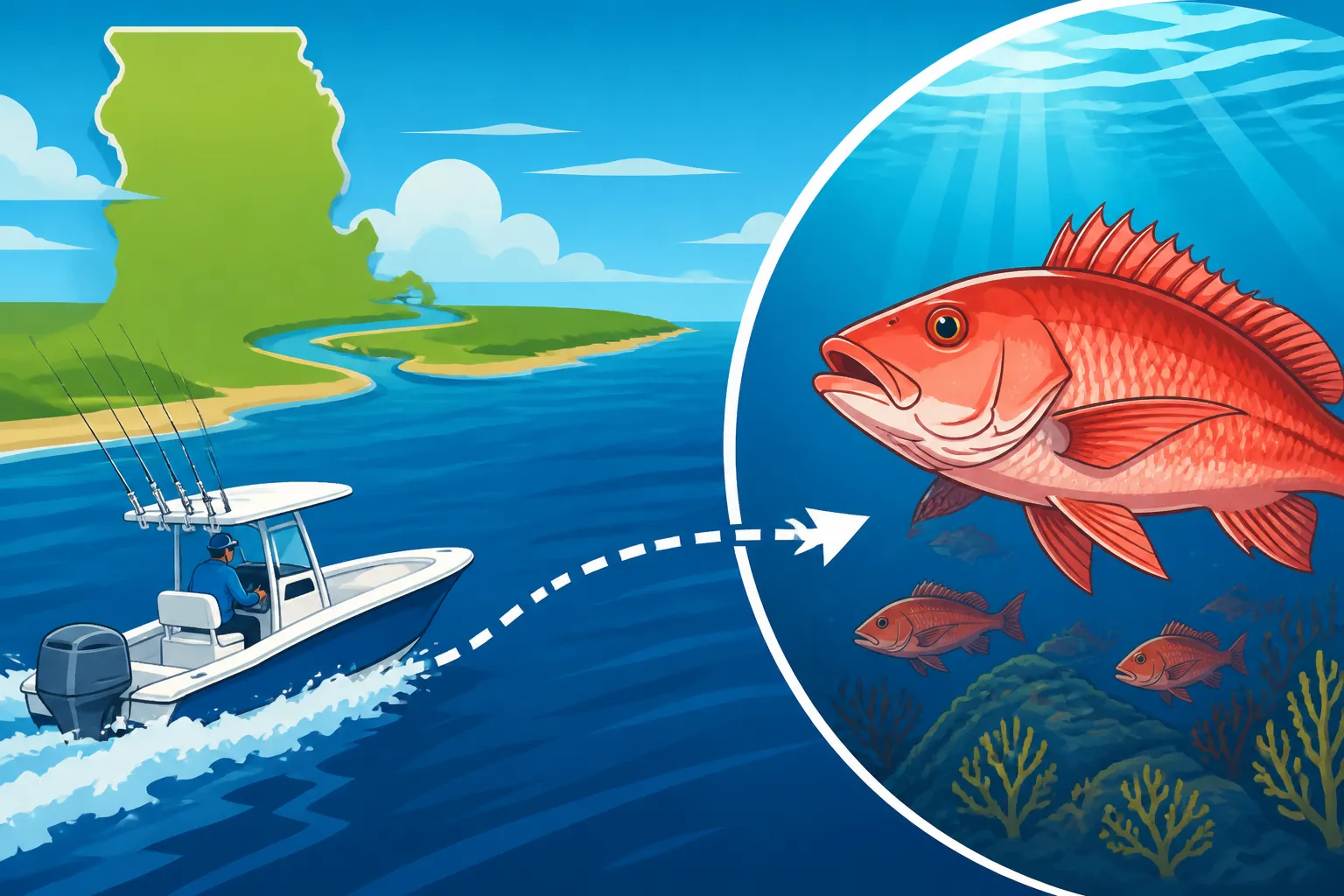
When you book an Offshore Red Snapper Charters in Mississippi trip, you should generally prepare for a journey of anywhere from 20 to 60 miles offshore. This range represents a balance that captains strive for: getting to productive fishing grounds without spending an excessive amount of time just traveling.
For charters departing from Mississippi ports like Biloxi, Gulfport, or Pascagoula, reaching these prime red snapper spots typically means venturing well past the barrier islands like Horn Island or Ship Island and into the vast expanse of the open Gulf. Within this 20-60 mile zone, captains have identified countless natural and artificial reefs, ledges, and wrecks where these fish are known to congregate. These are often closely guarded secrets, passed down through generations of fishermen, or discovered through years of experience and modern sonar technology. While 20 miles might seem like a long way, it’s often just the beginning of where the serious deep-sea action starts. The longer the journey, generally the larger the fish and the less pressured the fishing spots.
Factors Influencing Travel Distance
Several key factors determine the actual distance a Mississippi fishing charter will travel to target red snapper on any given day. It’s not a one-size-fits-all number, and a good captain will make decisions based on prevailing conditions and specific goals for the trip.
Firstly, depth requirements for red snapper are paramount. While you might find smaller snapper in shallower waters during certain times of the year, the majority of the keeper-sized and larger "sow" snapper are found in depths typically ranging from 60 feet all the way down to 300 feet or more. A captain won't stop at 10 miles out if the fish aren't in those shallower depths. They'll keep pushing until they find the right depth and structure.
Secondly, weather conditions play a huge role. On a calm day with light winds and minimal swell, a captain might comfortably run 50 or 60 miles offshore to reach a particularly productive, less-pressured spot. However, if the seas are choppy or a strong current is running, they might opt for a closer, equally productive spot at 20-30 miles out, sacrificing a bit of distance for comfort and safety. No one wants to spend half their trip battling seasickness.
Thirdly, the captain's knowledge and specific spots are invaluable. Some captains have a wealth of numbers for excellent red snapper spots relatively closer to shore, perhaps unique artificial reefs or natural formations that aren't widely known. Others specialize in longer runs to deeper, more remote areas that consistently produce larger fish. When you're browsing for a charter on a platform like FishingBooker, pay attention to the trip descriptions; they often hint at the typical range.
Lastly, the size and speed of the charter boat itself will dictate how far it can comfortably and efficiently travel. Larger, faster boats with more powerful engines can cover greater distances in less time, allowing for longer runs to prime spots. Smaller, slower boats might be limited to closer offshore grounds to ensure a reasonable amount of fishing time. It's a delicate balance between travel time and hook-setting time, and experienced captains manage this expertly to give you the best shot at a great catch.
The Journey to the Snapper Grounds: What to Expect
Venturing offshore for red snapper isn't just about the fishing; it's about the entire experience, including the journey itself. Understanding what that ride entails can help you prepare and appreciate the adventure.
The Ride Out and Back
When you book a Deep Sea Fishing Charters in Mississippi trip, a significant portion of your time will be spent cruising to and from the fishing grounds. For a typical deep-sea red snapper trip, you can generally expect the ride out to take anywhere from 1 to 3 hours each way. This isn't a leisurely putt-putt; these boats are designed to cover water efficiently.
During the ride out, you'll witness the coastline slowly fade into the horizon, replaced by the endless expanse of the Gulf. It's a fantastic time to soak in the views, feel the sea spray, and keep an eye out for marine life. You might spot dolphins playing in the wake, sea turtles gliding through the water, or even a flying fish skipping across the surface. This journey is part of the adventure, building anticipation for the moment the captain cuts the engines over a promising spot. The ride back, often with a cooler full of fresh fish, can be equally enjoyable, sometimes with a beautiful Gulf sunset as your backdrop. It's important to be prepared for this travel time, perhaps with a good playlist, comfortable seating, and any motion sickness remedies you might need.
Maximizing Fishing Time vs. Travel Time
One of the biggest considerations for any offshore charter captain is the critical trade-off between travel time and actual fishing time. The further you go, the longer the ride, but often, the reward is bigger fish and less competition from other boats. Captains are constantly weighing this balance to ensure their clients have the best possible experience.
For instance, a Half-Day vs Full-Day Charters on the Mississippi Coast trip will inherently have different travel ranges. A half-day trip might focus on spots 20-30 miles out to maximize lines-in-the-water time. A full-day trip, on the other hand, allows for those longer runs of 40-60 miles, giving the captain access to prime, deeper spots that might hold trophy red snapper. The goal is always to get you to where the fish are biting, and sometimes that means a longer journey. Experienced captains are masters at this, knowing their spots and the current conditions intimately. They want you to catch fish as much as you do, and they'll navigate the travel time vs. fishing time equation to give you the best shot at success.
Planning Your Offshore Snapper Adventure
Ready to chase those magnificent red snapper? A little planning goes a long way in ensuring a memorable and successful trip.
Choosing the Right Charter and Trip Length
When planning your red snapper adventure, selecting the right charter is paramount. You'll want to look for charters that specifically advertise "deep sea" or "offshore" fishing trips, as these are the ones equipped and experienced for the longer runs required for snapper. Many Mississippi Gulf Coast Fishing Charters offer dedicated red snapper trips during the open season.
Consider the length of the trip carefully. While shorter trips can be fun, a full-day excursion (typically 8-10 hours) is often your best bet for prime red snapper opportunities. This extended time allows the captain to travel further to less-pressured, more productive grounds, giving you more time to target larger fish. When researching, platforms like FishingBooker can be incredibly useful. You can filter by location, trip length, and even target species, giving you a clear picture of available options. Read reviews, too! Past angler experiences can tell you a lot about a captain's approach to finding fish and managing the trip's distance. Don't be afraid to call the charter directly and ask about their typical travel distances for snapper; experienced captains are usually happy to share this information.
Essential Preparations for a Deep Sea Trip
A successful deep-sea red snapper trip isn't just about the captain and the boat; it's also about how well you prepare yourself. The offshore environment can be exhilarating but also demanding.
Here are some essentials you'll want to pack:
- Sun Protection: The sun's rays are amplified on the water. Bring high SPF sunscreen, a wide-brimmed hat, and polarized sunglasses. Long-sleeved, breathable shirts are also a great idea.
- Motion Sickness Medication: Even if you don't typically get seasick, offshore conditions can be unpredictable. It's always wise to take preventative medication like Dramamine or Bonine before you board the boat, usually an hour or so prior to departure.
- Hydration and Snacks: Bring plenty of water to stay hydrated. While some charters might provide drinks, having your own is a good idea. Pack some easily digestible snacks like granola bars or fruit.
- Comfortable Clothing: Wear layers! It can be cool in the morning and warm up quickly. Choose non-slip shoes.
- Cooler (for your catch): Check with your charter, but most expect you to bring a cooler to transport your cleaned fish home. This is distinct from the cooler the charter might have for drinks and ice.
- Camera: You'll want to capture those trophy shots!
It’s always a good idea to check in with your captain a day or two before your trip regarding specific recommendations for What to Bring on a Mississippi Fishing Charter. They'll have the most up-to-date information on weather conditions and what might be helpful. Remember that the Red Snapper Season Opening Date in Mississippi is critical, as you can only target and keep these fish during specific, often short, windows. Make sure your trip falls within the legal season!
Navigating Red Snapper Regulations and Catch Limits
Fishing for red snapper in Mississippi waters comes with some pretty strict rules, and for good reason. These regulations are designed to protect the species and ensure healthy populations for future generations of anglers. Ignoring them can lead to significant penalties, so it's crucial to be informed.
Understanding Federal vs. State Waters
One of the most confusing aspects of red snapper fishing in the Gulf of Mexico is the distinction between federal and state waters. The rules, including season length and bag limits, can differ dramatically, and it's essential to know which regulations apply to your trip.
Generally, Mississippi state waters extend 9 nautical miles offshore from the coastline. Beyond that, you enter federal waters. Federal seasons for red snapper are set by NOAA Fisheries and are often quite short, sometimes only lasting a few days or weeks. Mississippi, like other Gulf states, often has its own separate state water season, which might run for a slightly longer period but is confined to those closer 9 nautical miles. Most deep-sea charters, especially those traveling 20-60 miles out, will be fishing in federal waters, meaning federal regulations will apply. Your captain will be intimately familiar with the current rules, but it’s always good for you as an angler to have a basic understanding. These regulations can change year to year, so always confirm before your trip. For example, understanding Red Snapper Season Limit in Mississippi will involve knowing if it refers to state or federal waters.
Creel and Size Limits for Red Snapper
Beyond the season dates, red snapper fishing also comes with specific creel (bag) limits and size limits. These are in place to manage the fishery and prevent overfishing, ensuring that enough fish mature and reproduce.
Typically, there is a daily bag limit for red snapper, meaning you can only keep a certain number of fish per person per day. This limit is often quite conservative, reflecting the valuable nature of this species. There's also usually a minimum size limit, meaning any red snapper you catch that doesn't meet this length must be immediately released back into the water. In some cases, there might even be a maximum size limit, or a "slot limit," designed to protect the largest, most productive breeding fish. Your charter captain will have all the necessary measuring tools on board and will guide you through these rules. They are experts in ensuring the trip is not only fun but also fully compliant. Remember, the goal is to enjoy the fishing, but also to be a responsible conservationist. Knowing the Red Snapper Size in the Gulf is key to a legal catch.
| Factor | Impact on Travel Distance | Explanation |
|---|---|---|
| Depth Requirements | Increases distance | Snapper prefer deeper water (60-300+ ft), which is further offshore. |
| Structure Availability | Varies distance | Abundant natural/artificial reefs closer reduce need for long runs; scarcity demands longer travel. |
| Weather Conditions | Can reduce distance | Rough seas or strong winds push charters to closer, safer spots. |
| Boat Speed/Size | Increases potential distance | Faster, larger boats can cover more ground comfortably in less time. |
| Captain's Experience | Varies distance | Knowledgeable captains might have productive spots closer or know when longer runs are necessary for better fishing. |
| Trip Duration | Increases potential distance | Full-day trips allow more travel time to reach distant, less-pressured spots. |
| Fishing Pressure | Increases distance | Heavily fished areas closer to shore might lead captains to seek more remote, untouched spots. |
Disclaimer
This article is for general informational purposes only and does not constitute professional advice. Laws, prices and regulations vary by location and change over time. Consult a qualified professional for guidance on your specific situation.