Mississippi Gulf Coast Fishing Charters
Planning a fishing trip on the Mississippi Gulf Coast can feel overwhelming, especially when you're dreaming of reeling in a big one but aren't sure where to start. You might be picturing yourself battling a feisty redfish or pulling up a cooler full of speckled trout, only to get stuck wondering about boats, gear, and local hotspots. This comprehensive guide is here to untangle all those questions, helping you navigate the world of Mississippi Gulf Coast fishing charters so you can focus on making incredible memories on the water.
Why Choose a Fishing Charter on the Mississippi Gulf Coast?
Stepping aboard a fishing charter on the Mississippi Gulf Coast isn't just about catching fish; it's about gaining an unparalleled experience. For many, the idea of owning and maintaining a boat, investing in expensive gear, and spending countless hours learning the local waters is simply not feasible. That's where a charter truly shines, offering an all-inclusive solution for both seasoned anglers and complete novices alike. It eliminates the headaches and provides a direct path to the best fishing the Gulf has to offer, all while enjoying the stunning scenery and warm hospitality that Mississippi is known for.
Expertise of Local Captains
One of the biggest advantages of booking a fishing charter is tapping into the incredible knowledge base of a local captain. These men and women have dedicated their lives to understanding the intricate ecosystem of the Mississippi Sound and the offshore waters. They know the tides, the currents, the seasonal movements of fish, and every secret honey hole that isn't on a public map. Imagine trying to find a hidden oyster bed where redfish are schooling, or navigating a murky channel to a flounder hotspot on your own – it’s a monumental task. A good captain will take you straight there, often before you've even finished your first cup of coffee. They can read the water, predict where the fish will be, and adapt their strategy on the fly if conditions change, which is invaluable.
They're not just boat drivers; they're passionate educators. Many captains genuinely love sharing their insights, teaching you about the local species, demonstrating proper casting techniques, and explaining why certain baits or lures work best in particular situations. This isn't just a trip; it's a hands-on learning experience that can dramatically improve your own angling skills. They've spent years, sometimes decades, perfecting their craft, and that expertise translates directly into a higher chance of a successful and enjoyable day for you.
Access to Prime Fishing Grounds
Without a charter, your fishing options might be limited to piers, public shorelines, or small boats that can't venture far. A professional charter boat, however, is equipped to reach those coveted, productive fishing grounds that are inaccessible to the average angler. Whether it's shallow marsh systems where massive redfish lurk, deep wrecks and reefs holding snapper and amberjack, or offshore oil rigs attracting pelagic species, charter boats have the capability to get you there safely and efficiently. Mississippi Gulf Coast Fishing Guide touches on many of these fantastic areas.
These vessels are often larger, more stable, and outfitted with advanced navigation and fish-finding technology that can pinpoint structure, bait schools, and concentrations of game fish beneath the surface. This means less time searching and more time with lines in the water. For example, if you're dreaming of a trophy speckled trout, your captain might take you to a specific bayou known for its healthy populations. If it's a deep-sea challenge you're after, they’ll run miles offshore to structures holding impressive species, a journey only possible with a well-equipped, seaworthy craft and a captain experienced in Gulf conditions.
Convenience and Equipment Provided
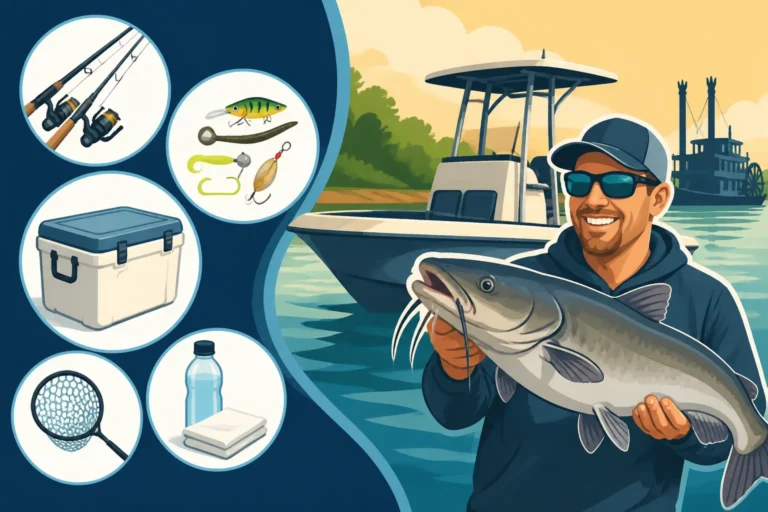
One of the greatest joys of a fishing charter is the sheer convenience. You simply show up, step on the boat, and everything is taken care of. No need to worry about purchasing expensive rods, reels, tackle boxes overflowing with lures, or even the right bait. The charter provides all the necessary high-quality fishing gear, expertly rigged and ready for action. This is a huge relief, especially for travelers who can't easily transport their own equipment, or for beginners who don't yet own a full setup.
Beyond the tackle, many charters also handle the often-confusing world of fishing licenses and permits. While you might still need to get a personal license, many operate under blanket licenses that cover their passengers, especially for certain species or offshore trips. They'll also typically provide cooler space for your drinks and snacks, ice, and sometimes even water. At the end of the day, a good charter will often clean and fillet your catch, sending you home with ready-to-cook fish and no mess to deal with. This means more time enjoying the fishing and less time worrying about logistics, making it an ideal choice for a stress-free outing.
Types of Fishing Charters Available
The Mississippi Gulf Coast offers a diverse array of fishing experiences, catering to every preference, skill level, and budget. From the calm, shallow waters of the bays to the thrilling depths of the open Gulf, there’s a charter trip designed to match your fishing dreams. Understanding the different types available is the first step to planning your perfect day on the water. Each offers unique challenges, target species, and scenic backdrops, ensuring that your adventure is precisely what you're hoping for.
Inshore and Nearshore Charters
Inshore charters focus on the protected waters of the Mississippi Sound, estuaries, bayous, and tidal marshes. These trips are fantastic for anglers looking for a more relaxed experience, often involving sight-fishing in shallower waters. The typical target species for inshore trips include the ever-popular redfish, speckled trout, flounder, and often white trout or black drum. These areas are rich with baitfish and crustaceans, creating a vibrant ecosystem where game fish thrive. Redfish Fishing on the Mississippi Coast and Speckled Trout Fishing on the Mississippi Coast are often the main targets.
Nearshore charters bridge the gap between inshore and offshore, venturing just beyond the immediate coastline but staying within sight of land or prominent landmarks. These trips might target artificial reefs, sunken debris, or rock jetties that attract a variety of species. You might still catch speckled trout and redfish, but you also have a good chance at Spanish mackerel, tripletail, sheepshead, and sometimes even smaller sharks or king mackerel. Both inshore and nearshore options are generally shorter trips, often half-day excursions, making them ideal for families with children, beginners, or those prone to seasickness, as the waters tend to be calmer. They offer a good balance of action and comfort, providing exciting catches without the long runs or rougher conditions of deep-sea fishing.
Offshore and Deep Sea Adventures
For those seeking a true adrenaline rush and the chance to battle larger, hard-fighting species, offshore and deep sea fishing charters are the way to go. These trips venture many miles into the Gulf of Mexico, often to depths ranging from hundreds to thousands of feet, targeting natural bottom structures, artificial reefs, and even oil rigs. The further out you go, the bigger the fish typically get, and the more diverse the species become. Popular catches include red snapper, amberjack, grouper, king mackerel, wahoo, dorado (mahi-mahi), and sometimes even tuna or marlin. Deep Sea Fishing Charters in Mississippi provides more details on what these trips entail.
These trips are generally longer, ranging from full-day excursions to multi-day overnight adventures, to allow for significant travel time to prime fishing grounds. The boats are larger, more powerful, and equipped for rougher conditions, featuring amenities like head (restroom) facilities, enclosed cabins, and sometimes even bunks for overnight stays. While more physically demanding, the rewards can be immense, with opportunities for truly trophy-sized fish and a deep sense of accomplishment. Be prepared for a full day on the water and potentially choppier seas, but also for an unforgettable experience chasing the ocean's giants.
Specialty Charters
Beyond the standard inshore and offshore offerings, many captains on the Mississippi Gulf Coast offer specialty charters designed for specific experiences or groups. For instance, some focus exclusively on fly-fishing for redfish in the skinny water, providing a unique challenge for experienced fly anglers. Others cater specifically to families with young children, structuring shorter, action-packed trips with easy-to-use tackle and plenty of guidance to ensure the kids have a blast and catch fish. Family-Friendly Fishing Charters on the Mississippi Coast are increasingly popular for creating those lasting memories.
There are also charters that focus on specific seasonal runs, like targeting cobia in the spring or chasing tripletail around crab trap buoys. Some even offer shark fishing trips, typically catch-and-release, for those looking for a truly powerful fight. Corporate groups or large gatherings might opt for party boats, which accommodate many passengers on a single vessel, offering a more social and often more economical option for a shared experience. When booking, don't hesitate to discuss your specific interests or needs with potential captains; many are happy to tailor a trip to make your fishing dreams a reality.
What to Expect on Your Charter Trip
Embarking on a Mississippi Gulf Coast fishing charter is an exciting prospect, but knowing what to anticipate can help you prepare and fully enjoy the experience. From what you should pack to the rhythm of the day on the water and what happens after the lines are reeled in, understanding the flow of a typical charter trip will set you up for success and minimize any pre-trip anxieties. It's about being ready for adventure while also appreciating the details that make these trips so enjoyable.
Before You Go: Preparation and What to Bring
Preparation for your charter trip starts even before you leave home. First, confirm the departure time and location with your captain a day or two in advance. Punctuality is key, as tides and fish bite windows are unforgiving. Regarding licenses, while many charters cover the vessel, it's always wise to clarify if you, as an individual angler, need a separate Mississippi Saltwater Fishing License Guide. This is crucial to avoid any potential fines or disruptions to your trip. You can often purchase these online quickly if needed.
When it comes to packing, think comfort and sun protection. Even on cloudy days, the sun reflecting off the water can cause severe sunburn. Essential items include sunscreen (non-spray is often preferred to avoid slick decks), a wide-brimmed hat, sunglasses (polarized are a game-changer for spotting fish), and light, long-sleeved clothing. Bring any medications you might need, especially motion sickness remedies if you’re prone to seasickness, and take them before boarding. Pack your own drinks and snacks in a small, soft-sided cooler that won't take up too much space. While some charters offer water, having your personal favorites is always a good idea. Don't forget your camera or phone for those trophy shots, but ensure it's protected from spray and splashes.
On the Boat: The Fishing Experience
Once you step aboard, your captain and first mate will typically give a brief safety orientation and run through the plan for the day. They'll show you where everything is and answer any initial questions. Depending on the type of charter, you might have a short run to the first spot or a longer journey offshore. During travel, enjoy the fresh air and keep an eye out for dolphins, pelicans, and other marine life. Once at the fishing grounds, the crew will typically set up the rods, bait the hooks, and instruct you on casting techniques or how to manage the lines.
The fishing itself can vary greatly. Inshore trips might involve casting artificial lures or live bait near shorelines, oyster beds, or marsh grass. Offshore trips often mean bottom fishing with heavy tackle over reefs or trolling for pelagic species. The crew is there to assist you, whether it's untangling lines, netting fish, or providing encouragement during a tough fight. Don't be shy about asking for help or clarification; they want you to succeed and have a great time. Remember, fishing is often a game of patience, but when a fish bites, the excitement is immediate and contagious!
After the Catch: Cleaning and Keepsakes
As your charter trip draws to a close, the focus shifts to handling your catch. Most reputable Mississippi Gulf Coast charters include fish cleaning and filleting as part of their service. The crew will expertly process your fish, packaging the fillets for you to take home. This is a huge convenience, saving you time and mess, and ensuring your catch is ready for the grill or freezer. It's also a good opportunity to observe proper fish handling techniques.
Beyond the fillets, consider how you want to remember your trip. Many anglers love to take photos with their prize catches – make sure to snap a few before the fish are cleaned! If you've caught a truly exceptional fish, like a potential state record or a fish that's particularly meaningful to you, discuss taxidermy or replica options with your captain. While live fish are sometimes released, especially in conservation-focused fisheries or if regulations require it, many of the game fish targeted on the Gulf Coast are excellent table fare, providing a delicious reward for your efforts. Don't forget to show your appreciation for the hard work of your captain and crew; tipping is customary and greatly appreciated.
Booking Your Mississippi Gulf Coast Fishing Charter
Booking a fishing charter can feel like a big decision, with so many options and details to consider. You want to ensure you're choosing a reliable captain, getting a good value, and setting yourself up for the best possible experience. Navigating the booking process effectively means knowing where to look, what questions to ask, and how to understand the terms and conditions. Let's break down how to secure your ideal fishing adventure on the beautiful Mississippi Gulf Coast.
Finding Reputable Charter Operators
The first step is finding a reputable charter operator. Word-of-mouth recommendations are golden, so ask friends, family, or fellow anglers who have fished the Mississippi Gulf Coast for their experiences. Online reviews are also incredibly valuable, offering insights into other customers' experiences with specific captains and boats. Websites like FishingBooker are excellent resources, as they aggregate listings from many local captains, often with detailed descriptions, photos, and verified customer reviews. This can help you compare options side-by-side, check availability, and get a sense of the captain's specialties and personality.
When researching, look for captains who are licensed and insured. This indicates professionalism and adherence to safety standards. Pay attention to the types of trips they specialize in – some are masters of inshore light tackle, while others excel at deep-sea trolling. Don't hesitate to call or email potential captains directly. A good captain will be happy to answer your questions, discuss your fishing goals, and help you determine if their charter is the right fit. Their communication style before you even book can tell you a lot about the experience you can expect on the water.
Understanding Pricing and Booking Policies
Charter pricing on the Mississippi Gulf Coast typically varies based on several factors: the length of the trip (half-day, full-day, multi-day), the type of fishing (inshore is generally less expensive than deep-sea due to fuel costs and boat size), the number of passengers, and the season. It’s important to clarify what is included in the price – does it cover bait, tackle, and licenses for everyone? Is fish cleaning included, or is there an additional fee? While I can't give specific figures, expect deep-sea trips to naturally have a higher cost associated with them due to the greater distance traveled and specialized equipment required.
Most charters require a deposit to secure your booking, with the balance due on the day of the trip. Always read the cancellation policy carefully. Life happens, and you need to know what happens if you need to cancel, or more importantly, if the captain has to cancel due to inclement weather or mechanical issues. Reputable captains will prioritize your safety and will reschedule or refund your deposit if weather makes the trip unsafe. Don't be afraid to ask about these details upfront, as it protects both you and the charter operator.
Tips for a Smooth Booking Process
To ensure a smooth booking experience, be prepared with your desired dates, the number of people in your party, and any specific fishing preferences you have (e.g., target species, type of fishing). If you're flexible with your dates, you might have more options, especially during peak season. If using an online booking platform like FishingBooker, make sure all your details are accurate. Once booked, always confirm your trip details with the captain a day or two before your scheduled departure. This verifies everything is still on track and gives you a chance to ask any last-minute questions.
Consider booking well in advance, especially if you're planning a trip during popular fishing seasons or holidays. The best captains often get booked up quickly. If you have any special requirements, such as mobility issues, bringing young children, or specific dietary needs, communicate these during the booking process. The more information you provide, the better the captain can prepare to accommodate your group and ensure everyone has a fantastic and safe experience. Transparency and clear communication are key to a successful charter booking.
Popular Fish Species Targeted by Charters
The rich waters of the Mississippi Gulf Coast are home to an incredible variety of fish species, offering diverse angling opportunities throughout the year. Knowing what fish are commonly targeted by charters can help you decide which type of trip is best for you and what exciting catches you might bring home. From shallow-water skirmishes to deep-sea battles, each species presents its own unique challenge and thrill.
Inshore Favorites: Redfish and Speckled Trout
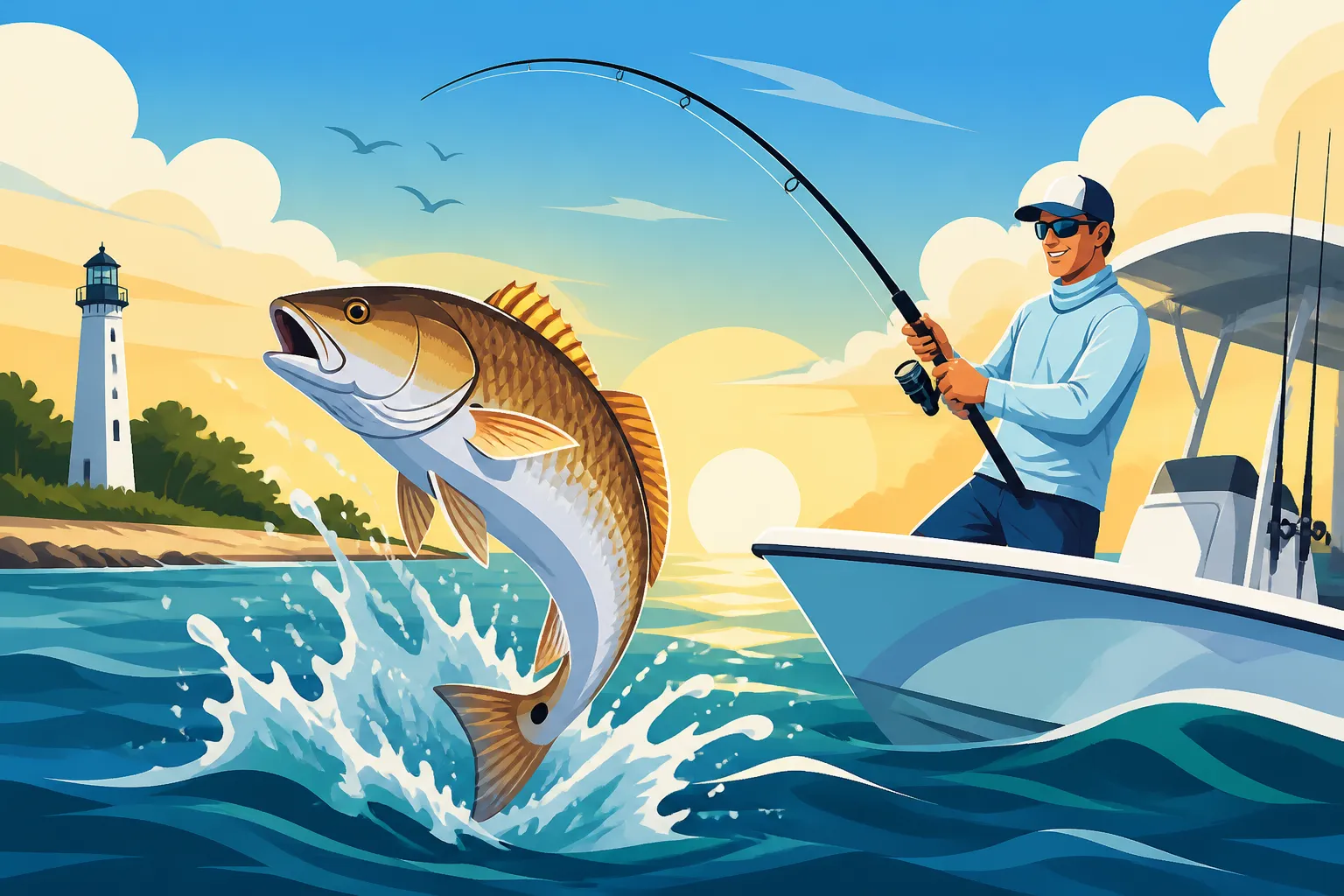
When you think of inshore fishing on the Mississippi Gulf Coast, two species immediately come to mind: redfish (also known as red drum) and speckled trout (spotted seatrout). These are the bread and butter of the coastal fishery, offering consistent action and delicious table fare. Redfish are powerful fighters, known for their bronze coloration and distinct black spot (or spots) near their tail. They frequent shallow flats, marsh grass, oyster beds, and bayou edges, often "tailing" in the shallows as they feed. They strike a variety of baits, from live shrimp and mullet to artificial lures like spinnerbaits and soft plastics. Catching a bull redfish can be a truly memorable experience.
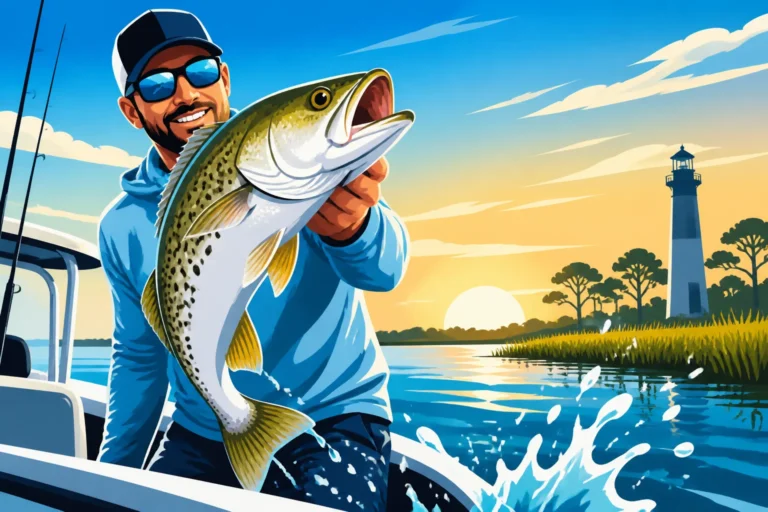
Speckled trout are sleek, aggressive predators that hunt in similar inshore habitats, though they often prefer slightly deeper channels, reefs, and grass beds within the bays. They are prized for their delicate white meat and their distinctive spotted pattern. Anglers target them with live shrimp under a popping cork, various soft plastic jigs, and topwater lures, especially during dawn and dusk. Both redfish and speckled trout are subject to specific creel and size limits, which your captain will be well aware of, ensuring your trip is compliant with Mississippi Redfish and Speckled Trout Limits. These species offer fantastic action for anglers of all skill levels, making them perennial favorites for inshore charters.
Nearshore and Offshore Game Fish
Venturing into the nearshore and offshore waters opens up a whole new world of game fish. Nearshore trips often target species like Spanish mackerel, king mackerel, tripletail, and sheepshead. Spanish mackerel are fast, streamlined predators that hunt baitfish schools, providing thrilling surface strikes. King mackerel are larger, more powerful cousins, known for blistering runs. Tripletail are unique, ambush predators often found lurking around floating debris or buoys, offering a challenging sight-fishing opportunity. Sheepshead, with their human-like teeth, are notorious bait stealers but are excellent to eat.
For true offshore adventures, the species become even more impressive. Red snapper are a highly sought-after bottom fish, known for their vibrant color and delicious fillets, though their season is typically short and tightly regulated. Amberjack are brute-force fighters, often called "reef donkeys" for their incredible strength and endurance. Groupers, like gag and scamp, lurk around deep structures, offering a powerful tug-of-war. For those chasing pelagic species, you might encounter dorado (mahi-mahi), wahoo, and even tuna, which offer incredible speed and stamina. These offshore encounters are often the highlight of a deep-sea charter, demanding heavier tackle and more endurance from the angler. Red Snapper Fishing on the Mississippi Coast outlines what makes these trips so popular.
Seasonal Catches and Trophy Opportunities
The Mississippi Gulf Coast fishery is dynamic, with different species becoming more active or abundant at various times of the year. This seasonality means that the "best" time to fish often depends on what you want to catch. For example, spring and fall are often considered prime times for redfish and speckled trout, as they become very active with moderate water temperatures. Spring also brings the highly anticipated cobia run, when these powerful fish migrate along the coast, offering fantastic sight-fishing opportunities. Summer sees more consistent action for king mackerel and provides windows for red snapper.
Many anglers dream of landing a "trophy" fish – a particularly large or record-worthy specimen. Charters are often your best bet for these opportunities because captains know where these larger fish tend to congregate. Whether it's a bull redfish, a double-digit speckled trout, a massive amberjack, or a hefty red snapper, pursuing a trophy requires patience, skill, and the right guidance. Communicating your trophy aspirations to your captain beforehand can help them tailor the trip to maximize your chances, sometimes involving different techniques or specific fishing spots. Best Season to Book a Gulf Coast Charter can help you understand these seasonal shifts.
Key Fishing Seasons and Weather Considerations
Understanding the rhythm of the seasons and the impact of weather is crucial for planning a successful fishing trip on the Mississippi Gulf Coast. The Gulf's dynamic environment means conditions can change rapidly, and fish behavior is intrinsically linked to these changes. Knowing what to expect throughout the year and how to interpret weather forecasts can make all the difference between a memorable day and a challenging one.
Peak Seasons for Gulf Coast Fishing
Generally, the spring (March-May) and fall (September-November) are considered peak seasons for fishing on the Mississippi Gulf Coast. During these transitional periods, water temperatures are moderate, baitfish are abundant, and many species are highly active. Spring brings the spawning movements of speckled trout and redfish into shallow marshes and bays, offering fantastic action. It's also the time for the highly anticipated cobia run, where these powerful fish move along the barrier islands and nearshore structures. Fall often sees a "mullet run," which ignites a feeding frenzy among predatory fish, making for some of the best fishing of the year.
While summer (June-August) can be hot, it still offers excellent opportunities. Red snapper season often falls within this window, drawing many anglers offshore. King mackerel are prevalent, and inshore action for speckled trout and redfish remains strong, particularly during early morning or late evening trips. Winter (December-February) sees fish moving to deeper bayous and channels to escape colder temperatures, but savvy captains can still find them, especially large concentrations of speckled trout and redfish in protected areas. Each season offers unique advantages and target species, so it’s worth considering what you want to catch when planning your visit.
Understanding Weather and Its Impact
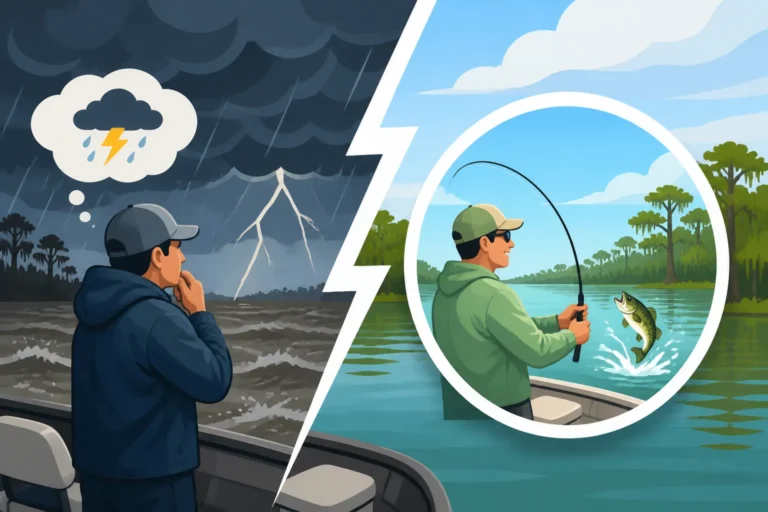
Weather is arguably the single most important factor influencing a fishing trip. Strong winds, thunderstorms, heavy rain, and extreme temperatures can all impact safety and fishing success. Your captain will always prioritize safety, and they won't hesitate to cancel or reschedule a trip if conditions are deemed unsafe. It's essential to respect their judgment in these situations. High winds, for example, can create choppy seas, making for an uncomfortable ride and challenging fishing conditions, even if no rain is present.
Frontal systems passing through the region can also significantly affect fish behavior. A strong cold front can cause fish to become lethargic and less willing to bite for a day or two after it passes. Conversely, stable weather patterns with light winds and clear skies often lead to excellent fishing. Always check the weather forecast leading up to your trip, but remember that local conditions can sometimes differ from general regional forecasts. Your captain, with their intimate knowledge of the immediate area, will have the most accurate assessment of the day's conditions.
Tide Charts and Their Importance
For inshore and nearshore fishing, understanding tide charts is absolutely critical. Tides dictate water movement, which in turn influences baitfish movement and where predatory fish will be holding. Moving water, whether incoming or outgoing, typically stimulates feeding activity, as it carries bait and nutrients. Many inshore species, like redfish and speckled trout, will position themselves to ambush prey as it's swept past them by the current.
Different tidal stages can be better for specific areas or techniques. An incoming tide might push bait into shallow marsh grass, making for excellent sight-fishing opportunities for redfish. An outgoing tide might concentrate bait in certain bottlenecks or channels, creating feeding zones for trout. Your charter captain will meticulously consult tide charts and factor them into the day's game plan, often timing their movements to coincide with the most productive tidal flows. While offshore fishing is less impacted by localized tides, currents still play a role, and experienced captains will factor these into their strategy as well.
Choosing the Right Charter for Your Group
Selecting the perfect fishing charter isn't a one-size-fits-all decision. What makes an incredible trip for a group of seasoned anglers might not be the best fit for a family with young children or a corporate outing. The key is to match the charter's offerings, amenities, and overall vibe with the specific needs and desires of your group. Thinking about who you're bringing and what kind of experience you're hoping for will guide you to the ideal choice on the Mississippi Gulf Coast.
Family-Friendly and Beginner Charters
If you're planning a trip with young children or first-time anglers, a family-friendly charter is paramount. These captains and crews understand that patience, safety, and a focus on action are key. They'll often choose shorter, inshore or nearshore trips where the waters are calmer, and the chances of catching fish are high. The goal is to keep kids engaged and prevent boredom or seasickness. The boats might have more amenities suitable for children, like larger, stable decks and accessible restrooms.
Captains specializing in family trips are usually excellent communicators, providing clear, simple instructions and celebrating every catch, no matter how small. They often use easier-to-handle tackle and focus on species that bite readily, ensuring plenty of bending rods and happy smiles. Before booking, discuss the ages of your children and any specific concerns you have. A good family charter will ensure everyone, from the youngest to the oldest, feels comfortable, safe, and excited about their time on the water, creating lasting memories. Women's and Kids' Fishing Charter Trips often emphasize this approach.
Charters for Experienced Anglers and Groups
For experienced anglers, the focus shifts from simply catching fish to targeting specific species, employing advanced techniques, or chasing trophy-sized specimens. These groups might prefer longer trips, venturing further offshore to pursue species like amberjack, grouper, tuna, or the coveted red snapper. The captain will likely be more hands-off, allowing seasoned anglers to manage their own gear, but will still provide invaluable guidance on hot spots, techniques, and current conditions.
Larger groups, such as corporate outings or bachelor parties, might require a charter with greater capacity or a more flexible itinerary. Party boats can accommodate many people, offering a cost-effective and social option, though the fishing experience is often less personalized than on a private charter. For private groups, a larger boat might be needed to comfortably fit everyone and their gear. When booking for an experienced group, clearly communicate your target species, preferred fishing methods (e.g., trolling, jigging, live bait), and any specific record aspirations, allowing the captain to tailor the trip to your advanced expectations.
Special Considerations
Sometimes, a group has unique needs that require special attention. For instance, if you have individuals with mobility challenges, inquire about the boat's accessibility. Some vessels are more spacious and easier to navigate than others. If you're passionate about a specific type of fishing, like fly-fishing or strictly catch-and-release, make sure the charter can accommodate that. While most Gulf Coast fishing yields delicious table fare, some anglers prefer the thrill of the fight and the challenge of conservation.
If you plan to bring your own specialized gear, check with the captain first. Most charters provide excellent equipment, but some experienced anglers prefer their custom setups. Lastly, consider the amenities. If a restroom ("head") is a must-have, especially for longer trips or mixed groups, confirm the boat has one. For any unique requests or circumstances, clear communication during the booking process is key. Reputable charter operators on platforms like FishingBooker are usually adept at handling diverse needs and will be transparent about what they can and cannot provide.
Regulations and Licenses for Charter Fishing
Navigating the rules and regulations for fishing in Mississippi, especially when using a charter, can seem like a daunting task. However, understanding the basics ensures a legal and enjoyable trip. While charter captains are highly knowledgeable about the specific rules, it's always good for anglers to have a general grasp of what's required and how these regulations protect the valuable marine resources of the Gulf Coast.
Understanding Charter Licenses
One of the significant benefits of booking a fishing charter is that the vessel itself operates under specific commercial or charter licenses issued by state and sometimes federal authorities. For most recreational anglers on a charter, this means you might not need to purchase a separate state fishing license yourself for certain trips or specific types of fishing. For instance, boats running offshore into federal waters for species like red snapper often carry a federal permit that covers all passengers. This is a huge convenience, as securing federal permits can be complex.
However, the rules can vary depending on the type of charter (inshore vs. offshore), the specific species targeted, and whether you're staying exclusively in state waters or venturing into federal territory. Your captain will always be the ultimate authority on this. It is absolutely crucial to confirm with your chosen charter whether an individual fishing license is required for you as a passenger. Never assume; always ask. This clarification ensures you're fully compliant and avoids any potential issues during your fishing adventure. Many captains will clearly state this information on their website or when you call to book. Does a Mississippi Fishing Charter Include the License? clarifies this common question.
Individual License Requirements
Even with a charter, there are scenarios where individual anglers may still need a personal Mississippi fishing license. This is most common for inshore fishing trips operating solely within Mississippi's state waters. While your captain's boat is licensed, individual anglers might still be required to possess a valid recreational Mississippi Saltwater Fishing License Guide to harvest certain species or fish from specific areas. The good news is that these licenses are generally straightforward to obtain, often available online, at local bait shops, or through the Mississippi Department of Wildlife, Fisheries, and Parks (MDWFP) offices.
There are also specific exemptions to license requirements that might apply to certain individuals. For example, very young children, certain disabled veterans, or those fishing on specific free fishing days might not need a license. It's always best to check the most current regulations or consult with your charter captain, as these rules can change. For non-residents, a non-resident saltwater fishing license will be required if the charter does not cover it. Being prepared with the correct license, if needed, demonstrates responsibility and ensures a smooth start to your fishing trip.
Creel and Size Limits for Common Species
Beyond licenses, strict creel limits (the number of fish you can keep) and size limits (minimum and sometimes maximum lengths) are in place for nearly all popular game fish on the Mississippi Gulf Coast. These regulations are vital for managing fish populations and ensuring sustainable fishing for future generations. Species like redfish, speckled trout, flounder, red snapper, and king mackerel all have specific limits that must be adhered to. Your charter captain is an expert on these regulations and will guide you throughout the day to ensure all fish caught and kept are legal.
For example, Mississippi Redfish and Speckled Trout Limits specifies how many of each you can take and what their acceptable length ranges are. For red snapper, not only are there strict size and bag limits, but the season itself is often very short and announced annually. Your captain will have measuring devices on board and will instruct you on which fish can be kept and which must be immediately released. It’s important to respect these rules; releasing undersized fish quickly and gently is crucial for their survival. While the captain will manage compliance, understanding that these limits exist fosters a greater appreciation for conservation and responsible angling practices.
| Charter Type | Typical Target Species | Average Trip Length | Water Conditions | Skill Level Focus | License Requirement (General) |
|---|---|---|---|---|---|
| Inshore | Redfish, Speckled Trout, Flounder, Sheepshead, Black Drum | Half-Day (4-6 hrs) | Calm bays, estuaries | Beginner to All | Individual MS Saltwater License Often Required |
| Nearshore | Spanish Mackerel, Tripletail, Sheepshead, King Mackerel, Smaller Sharks, Redfish, Speckled Trout | Half- to Full-Day | Mildly choppy | Intermediate to All | Individual MS Saltwater License Often Required |
| Offshore/Deep Sea | Red Snapper, Amberjack, Grouper, King Mackerel, Dorado, Tuna, Wahoo | Full-Day (8-12+ hrs) | Can be rough | Intermediate to Advanced | Federal Charter Permit Usually Covers Anglers (Confirm with Captain) |
Disclaimer
This article is for general informational purposes only and does not constitute professional advice. Laws, prices and regulations vary by location and change over time. Consult a qualified professional for guidance on your specific situation.