Do You Need a Boat to Catch Crappie in Mississippi?
Many anglers dream of chasing crappie in Mississippi's abundant waters, but often feel like they're at a disadvantage if they don't own a boat. The truth is, while a boat certainly offers flexibility, it's absolutely not a requirement to consistently catch crappie in the Magnolia State. This guide will dive deep into how you can successfully target and land these delicious panfish from the bank, piers, and other easily accessible spots, proving that excellent crappie fishing is well within reach for every angler, no matter their mode of transportation.
Dispelling the Myth: Why You Don't Always Need a Boat for Crappie
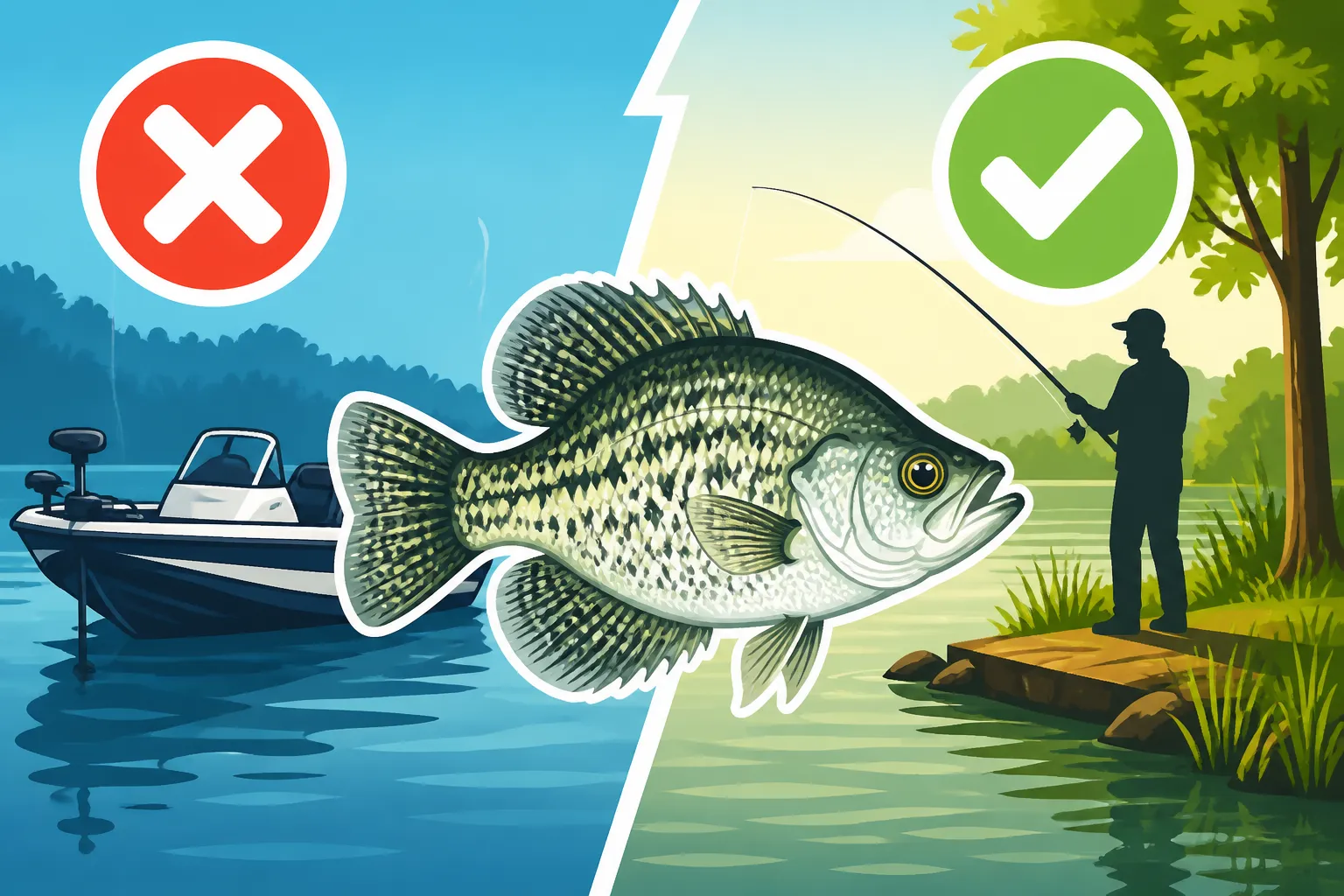
It's a common misconception, isn't it? You see all the fishing shows and magazine covers featuring anglers in fancy bass boats, spider rigging across vast reservoirs, and you start to think that's the only way to find the big slabs. Many folks assume that all the best crappie spots are out in the middle of the lake, unreachable without a boat. This idea can be incredibly frustrating for those of us who either can't afford a boat, don't have the storage space, or simply prefer the simplicity of bank fishing. It feels like a barrier to entry, making a beloved pastime seem exclusive.
The reality is that crappie, both white and black, are often much closer to shore than you might think, especially during certain times of the year. They aren't always suspended in deep, open water. In fact, their behavior and habitat preferences make them prime targets for land-based anglers. Understanding their seasonal movements and preferred structures is the key to unlocking fantastic fishing without ever stepping foot in a boat. This isn't just about getting lucky; it's about smart angling and knowing where and when to look.
Crappie Behavior Near the Bank
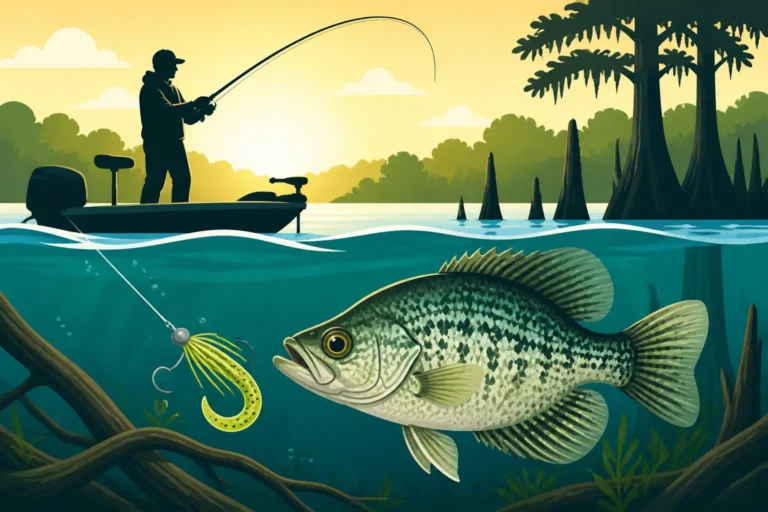
Crappie are ambush predators, and they love structure. This means they often hang around submerged trees, brush piles, docks, bridge pilings, rock formations, and even grass beds. Many of these structures extend quite close to the shore, or are directly accessible from it. During the spring, for instance, crappie move into very shallow water to spawn. We're talking depths of only a few feet, often right next to the bank where cover is plentiful. This is arguably the easiest time to catch them from shore, as they are actively guarding nests and aggressively biting. Even outside of the spawn, they'll use these shoreline features for cover from predators and for hunting baitfish. They don't just magically appear in the middle of a lake.
Think about a public pier or a long dock extending into a lake. Those pilings provide excellent cover. A fallen tree along the bank creates an instant crappie condo. Even riprap along a causeway or dam face can hold good numbers of crappie, especially if there's a drop-off nearby. These fish are constantly seeking shelter and food, and often, the easiest places for them to find both are right within casting distance of dry land. It's about knowing what to look for and when.
The Appeal of Bank Fishing
Beyond the cost savings of not owning a boat, there's a unique charm to bank fishing. It's often more accessible, requiring less gear, less preparation, and less clean-up. You can spontaneously decide to go fishing without the hassle of launching a boat, finding parking for a trailer, or dealing with boat ramp traffic. For families, bank fishing is a fantastic way to introduce kids to the sport, as it's generally safer and less intimidating. You can move around easily, explore different spots, and truly connect with the natural surroundings. Plus, there's a certain satisfaction that comes from outsmarting a fish from a limited vantage point. Many anglers, myself included, find a deep sense of peace just sitting by the water's edge, waiting for that tell-tale tap on the line.
Proven Strategies for Catching Crappie from Shore
Successfully targeting crappie from the bank requires a slightly different approach than boat fishing, but it's incredibly effective once you get the hang of it. It's all about precision, patience, and adapting your techniques to your limited casting range. You’ll need to focus on identifying accessible structures and presenting your bait or lure effectively to entice a bite. Don't be discouraged if you don't have all the high-tech gadgets; basic gear and solid technique will get you far.
Light Tackle and Smart Baits
When bank fishing for crappie, light tackle is your best friend. An ultralight or light action spinning rod, around 6 to 7 feet long, paired with a small spinning reel spooled with 4-6 lb test monofilament or fluorocarbon line, is ideal. This setup allows for long, accurate casts and provides excellent sensitivity to feel those subtle crappie bites. You can find excellent, affordable options on Amazon for a complete crappie setup.
For baits, both live bait and artificial lures are highly effective.
- Live Minnows: These are often king for crappie. A small shiner or fathead minnow hooked through the back or lips under a small bobber is deadly. Adjust your bobber depth until you find the fish. You can buy minnows at most bait shops, or even catch your own if local regulations allow it.
- Jigs: Small crappie jigs, typically 1/32 to 1/8 ounce, are incredibly versatile. Colors like chartreuse, white, pink, and black are perennial favorites. Pair them with tiny plastic bodies like grub tails, tube jigs, or small minnow imitators. Fishing a jig under a bobber can be very effective, or you can slowly retrieve it, letting it fall and twitch through the water column. For those looking to stock up, Amazon offers a wide variety of crappie jig kits that are perfect for bank fishing.
- Small Spinners: Tiny inline spinners or beetle spins can also work, especially if crappie are actively chasing baitfish.
Essential Bank Fishing Techniques
There are several tried-and-true methods that bank anglers can employ to catch crappie:
- Bobber Fishing: This is perhaps the most classic and easiest method. Rig a live minnow or a small jig under a slip bobber or fixed bobber. The key is to set your depth correctly. Start by fishing shallower, especially in spring, and then gradually increase your depth until you find where the fish are holding. Cast near submerged cover like fallen trees or docks. A slight breeze can even help your bobber drift naturally, covering more area.
- Casting and Retrieving Jigs: This method requires a bit more feel. Cast a small jig, let it sink to your desired depth (or near the bottom), and then slowly retrieve it with a series of subtle twitches and pauses. Crappie often hit on the fall or during a pause. Experiment with retrieve speeds and jigging motions until you find what the fish prefer. This is particularly effective around bridge pilings or riprap.
- Vertical Jigging (from Piers/Docks): If you're fishing from a pier or dock, you can simply drop a jig or a minnow straight down next to the pilings or any visible structure below. This "vertical jigging" allows for precise bait presentation in tight quarters. Gently lift and drop your rod tip, keeping slack out of your line, to make the bait dance.
Remember that patience is a virtue, and experimenting with different depths, baits, and retrieve styles is crucial. Crappie can be finicky, and what worked yesterday might not work today. This adaptability is what makes fishing so rewarding.
Reading the Water and Targeting Structure
The most important skill for a bank crappie angler is learning to "read the water" and identify potential holding areas. Crappie seek out cover, shade, and ambush points.
- Fallen Trees and Brush Piles: These are crappie magnets. Cast your bait or jig as close as possible without getting snagged.
- Docks and Piers: The pilings and shaded areas under docks are prime crappie real estate. Fish around and under them.
- Bridge Pilings: Bridges offer both current breaks and vertical structure that crappie love.
- Riprap and Rock Jetties: The rocks absorb heat and provide cracks and crevices for baitfish, attracting crappie.
- Weed Lines and Lily Pads: The edges of submerged vegetation can hold crappie, especially in warmer months.
- Depth Changes (Drop-offs): Look for areas where the bank slopes sharply into deeper water. Crappie often stage along these contours. Even a small drop-off can be a hotspot.
Consider investing in a good pair of polarized sunglasses. They help cut glare off the water, allowing you to see submerged structure and even fish in clearer conditions. A small, portable tackle box that you can easily carry from spot to spot is also invaluable. Many compact options are available on Amazon that fit perfectly into a backpack.
Prime Shore-Based Crappie Fishing Spots in Mississippi
Mississippi is blessed with incredible fishing opportunities, and many of its best crappie waters offer ample access for bank anglers. You don't need a fancy bass boat to enjoy them. From sprawling reservoirs to smaller state park lakes, there are numerous spots where you can cast a line from shore and hook into some slabs. Knowing where to look is half the battle, and Mississippi has diverse options for every kind of bank angler.
Major Reservoirs with Public Access
While large reservoirs might seem intimidating for bank fishing, many of Mississippi's most famous crappie lakes offer excellent public access areas, including fishing piers, causeways, and accessible shorelines.
- Ross Barnett Reservoir: Often called "The Rez," Ross Barnett Reservoir near Jackson is a crappie powerhouse. While boats dominate, there are fantastic bank fishing opportunities, especially around the spillway, causeways, and public parks like Lakeshore Park or the various boat ramps that offer bank access. Fishing the riprap along Highway 43 can be very productive, especially in cooler months. You can often find great crappie holding tight to that rocky cover. For more specific details on this popular spot, check out our guide on Ross Barnett Reservoir Crappie Fishing.
- Grenada Lake: Known as the "Crappie Capital of the World," Grenada Lake in north Mississippi is legendary for its slab crappie. Many boat ramps and recreation areas offer good bank access. The spillway area below the dam can be a phenomenal spot, especially when water is being released. Look for public fishing piers and accessible shorelines in areas like Graysport, Hugh White State Park, or North Abutment. Grenada's renowned crappie often move into shallow, accessible areas during the spawn.
- Sardis Lake: Another north Mississippi gem, Sardis Lake provides excellent crappie fishing from the bank. The famous Sardis Lake Tailwater Fishing offers incredible opportunities, particularly for those targeting fish that move through the dam. Additionally, public parks and recreation areas like Teckville or John W. Kyle State Park often have bank access or fishing piers that extend into productive crappie waters. Our article on Sardis Lake State Park Fishing Access delves into specific locations.
- Enid Lake: Rounding out the "Big Three" crappie lakes in north Mississippi, Enid Lake also boasts significant bank fishing potential. Similar to Grenada and Sardis, the spillway and tailwater areas below the dam can be very productive. Public recreation areas around the lake often provide good shoreline access where you can target crappie relating to submerged timber or natural drop-offs close to the bank.
These large reservoirs see significant crappie populations, and with proper scouting and technique, you can absolutely fill a cooler from shore.
State Park Lakes and Local Ponds
Don't overlook the smaller, often quieter waters found in Mississippi's state parks and local communities. These lakes are frequently managed for fishing, stocked with crappie, and almost always provide excellent bank access, making them perfect for anglers without a boat.
- Mississippi State Fishing Lakes: The Mississippi Department of Wildlife, Fisheries, and Parks (MDWFP) manages numerous state fishing lakes across the state. These lakes are specifically designed with anglers in mind, often featuring designated fishing piers, handicapped-accessible fishing areas, and well-maintained shorelines. They are typically stocked and managed to provide consistent fishing opportunities. While some may require a separate state lake permit in addition to your Mississippi Fishing License Guide, the ease of access and high catch rates often make it well worth it. Look for lakes like Lake Perry, Lake Tom Bailey, or Lake Mike Conner, among many others. Our guide to Mississippi State Park Lake Fishing Permits can give you more details.
- Community Ponds and Borrow Pits: Almost every town in Mississippi has a few community ponds or borrow pits that hold crappie. These smaller waters often have less fishing pressure and can be surprisingly productive. Always make sure to check local regulations and obtain permission if the pond is on private property. The beauty of these smaller spots is that crappie generally don't have anywhere to hide far from the bank.
Maximizing Your Crappie Catch Without a Boat
Just because you're limited to the bank doesn't mean you can't be a highly successful crappie angler. In fact, with the right approach, you can often outfish boaters in specific situations. It's all about playing to your strengths: stealth, mobility, and focused effort. Think of it as a strategic advantage rather than a limitation.
Timing is Everything
Crappie movements are heavily influenced by the season, time of day, and weather patterns. Being aware of these factors will significantly increase your chances of success from shore.
- Spring Spawn: This is hands down the best time for bank fishing. As mentioned, crappie move into very shallow water (often 1-3 feet deep) to spawn when water temperatures reach the mid-50s to low-60s Fahrenheit. They'll be near brush, reeds, lily pads, and other cover directly accessible from shore. Early mornings and late evenings are typically prime, but they can bite all day during the spawn. Our Mississippi Spring Fishing Guide offers more seasonal tips.
- Fall Transition: In the fall, as water temperatures cool, crappie become more active and start feeding aggressively. They'll often move into shallower areas to chase baitfish, making them accessible from the bank. Look for them around points and creek channels, especially during the shad run.
- Early Morning and Late Evening: Regardless of the season, low light conditions often provide the best crappie fishing. Fish are generally more active and less wary during these times.
- Overcast Days: Cloudy days diffuse sunlight, making crappie less likely to retreat to deeper, darker water, and often keeping them more active throughout the day in shallower areas.
Scouting and Stealth
Since you can't motor around searching for fish, scouting becomes paramount. Before you even make a cast, take some time to observe the water.
- Look for Structure: Can you see any submerged logs, brush, or rocks near the bank? Are there any visible docks or bridge pilings?
- Observe the Water: Look for signs of baitfish dimpling the surface or birds diving, which can indicate predatory fish activity.
- Talk to Locals: Don't be shy! Other bank anglers or bait shop owners are often a treasure trove of local knowledge. They might share tips on recent catches or productive spots.
Once you identify a promising area, approach it stealthily. Crappie are easily spooked by sudden movements or loud noises. Walk softly, keep a low profile, and avoid casting a long shadow over the water you're fishing. When you find a good spot, don't just stand in one place. Fan cast, covering the water directly in front of you, and then move a few feet down the bank and repeat. Crappie often school, so if you catch one, there are likely more nearby.
Gear for the Bank Angler
While you don't need a boat, a few simple additions to your gear can make bank fishing for crappie even more enjoyable and productive.
- Bucket or Cooler: For keeping your catch fresh, but also doubles as a convenient seat.
- Small Tackle Bag/Backpack: To comfortably carry your jigs, weights, bobbers, and pliers. Amazon has many ergonomic fishing backpacks that distribute weight well.
- Landing Net: Essential for safely landing larger crappie, especially from a high bank or pier. A long-handled net is best for bank fishing.
- Long-handled Pliers/Forceps: To easily remove hooks, especially if a fish swallows the bait.
- Sun Protection: Hat, sunglasses, and sunscreen are crucial for any outdoor activity in Mississippi.
By adopting these strategies and making the most of the accessible resources, you'll discover that a boat is merely one tool in an angler's arsenal, not a prerequisite for successful crappie fishing in Mississippi. So grab your rod, hit the bank, and enjoy the thrill of the catch!
Conclusion: Embrace the Bank and Catch More Crappie
It's clear that the idea of needing a boat to catch crappie in Mississippi is a myth that can hold many enthusiastic anglers back. From the bustling shores of Ross Barnett Reservoir to the tranquil piers of state park lakes, Mississippi offers countless opportunities for successful crappie fishing without ever launching a boat. By understanding crappie behavior, utilizing effective bank fishing techniques, and knowing where to find accessible hotspots, you can consistently put these tasty panfish in your cooler.
So, don't let the lack of a boat deter you from pursuing Mississippi's abundant crappie populations. Embrace the simplicity and accessibility of bank fishing. Arm yourself with a light rod, a handful of jigs, some live minnows, and the knowledge of where to look and what to do, and you'll find that the rewards are just as fulfilling, if not more so. The next time you're itching to go fishing, remember that the best crappie spot might be just a short walk away.
| Bank Fishing Advantage | Boat Fishing Advantage |
|---|---|
| More accessible, less planning | Covers vast water quickly |
| Lower cost, no boat maintenance | Access to offshore structures |
| Stealthier approach in shallow water | Trolling and spider rigging options |
| Great for families and beginners | Ability to follow schooling fish |
| Focus on specific, known spots | Real-time electronics for fish finding |
| Often less gear required | More storage for extensive tackle |
This table illustrates that while boat fishing offers certain advantages, bank fishing has its own distinct benefits that make it a viable and often preferable option for many crappie anglers.
Disclaimer
This article is for general informational purposes only and does not constitute professional advice. Laws, prices and regulations vary by location and change over time. Consult a qualified professional for guidance on your specific situation.