Best Bait for Catfish in Mississippi
There’s nothing quite as frustrating as heading out to your favorite Mississippi fishing spot, gear in hand, full of anticipation, only to have the catfish ignore everything you throw at them. You’ve tried this, you’ve tried that, but sometimes it feels like they’ve developed a sixth sense for avoiding your hook. If you’ve ever wondered what secret bait unlocks the catfish bite, you’re in the right place. This guide is all about diving deep into the best baits for catfish across Mississippi’s diverse waters, helping you turn those frustrating days into memorable catches.
Understanding Mississippi Catfish Species and Their Preferences
Before we even think about bait, it’s crucial to understand the main catfish species we chase in Mississippi and what makes each of them tick. We're primarily talking about Channel, Blue, and Flathead catfish, and let me tell you, their dining preferences are as varied as our local dialects. Knowing what they naturally gravitate towards is your first step to choosing the perfect offering.
Channel Catfish: The Opportunistic Eater
Channel catfish are like the friendly neighborhood diners of the catfish world. They’re not too picky, which is why they’re often the most commonly caught catfish across the state, from small farm ponds to the mighty Mississippi River. These guys are scavengers by nature, relying heavily on their incredibly sensitive sense of smell and taste to find food in murky waters. They have an excellent lateral line system that detects vibrations, too, which helps them locate prey even when visibility is low.
Their diet is incredibly diverse, ranging from insects, crawfish, and small fish to decaying organic matter and even aquatic vegetation. Because they’re so opportunistic, a wide variety of baits will attract their attention. This is why baits that emit a strong scent are so effective for channels – they can find them even if they can't see them. Whether you're fishing a quiet oxbow lake or a flowing creek, understanding their scavenger tendencies is key to bait selection.
Blue Catfish: The Predator's Palate
Blue catfish are the heavyweight champions, especially in our larger rivers and reservoirs. Unlike their channel cat cousins, blues become increasingly predatory as they grow larger. While juvenile blues might nibble on insects and smaller bits, mature blue cats are actively hunting down fish. They have impressive size and strength, and they're always looking for a substantial meal.
Their primary diet consists of baitfish like shad, skipjack herring, and even smaller carp or perch. This makes fresh cut bait an absolute powerhouse when targeting blue cats. They're drawn to the scent and oily residue of freshly cut fish, often preferring larger pieces that mimic a wounded or dying baitfish. If you're hoping to land a trophy blue catfish, understanding their predatory nature and offering them a substantial, fishy meal is non-negotiable. You can find some of the biggest blue catfish in Mississippi River Catfish Hotspots, where they have ample food sources.
Flathead Catfish: Live Bait Specialists
Now, Flathead catfish are a different breed altogether. These stealthy predators are true ambush hunters, and they have a strong, almost exclusive, preference for live, struggling bait. You won't often find a big flathead chowing down on a rancid piece of cut bait or a stink bait glob. They want fresh, lively action. Think of them as the gourmands of the catfish family – they appreciate quality and freshness above all else.
They typically hide in cover—under submerged logs, root wads, rock piles, or deep holes—waiting to ambush unsuspecting prey. Their diet primarily consists of live fish, crawfish, and other aquatic creatures. When targeting Flathead Catfish Habits and Habitat, you need to present a bait that looks, smells, and acts alive. This means using healthy, lively baitfish like sunfish (bream), goldfish, or robust minnows. Getting the bait right for a flathead is crucial because they'll often ignore anything that doesn't trigger their predatory instincts.
Top Natural Baits for Mississippi Catfish
When it comes to catfish fishing in Mississippi, nothing beats the effectiveness of natural baits. These are the tried-and-true options that have been filling stringers for generations, and for good reason – they’re what catfish eat in their natural environment.
Cut Bait: The Scent Trail King
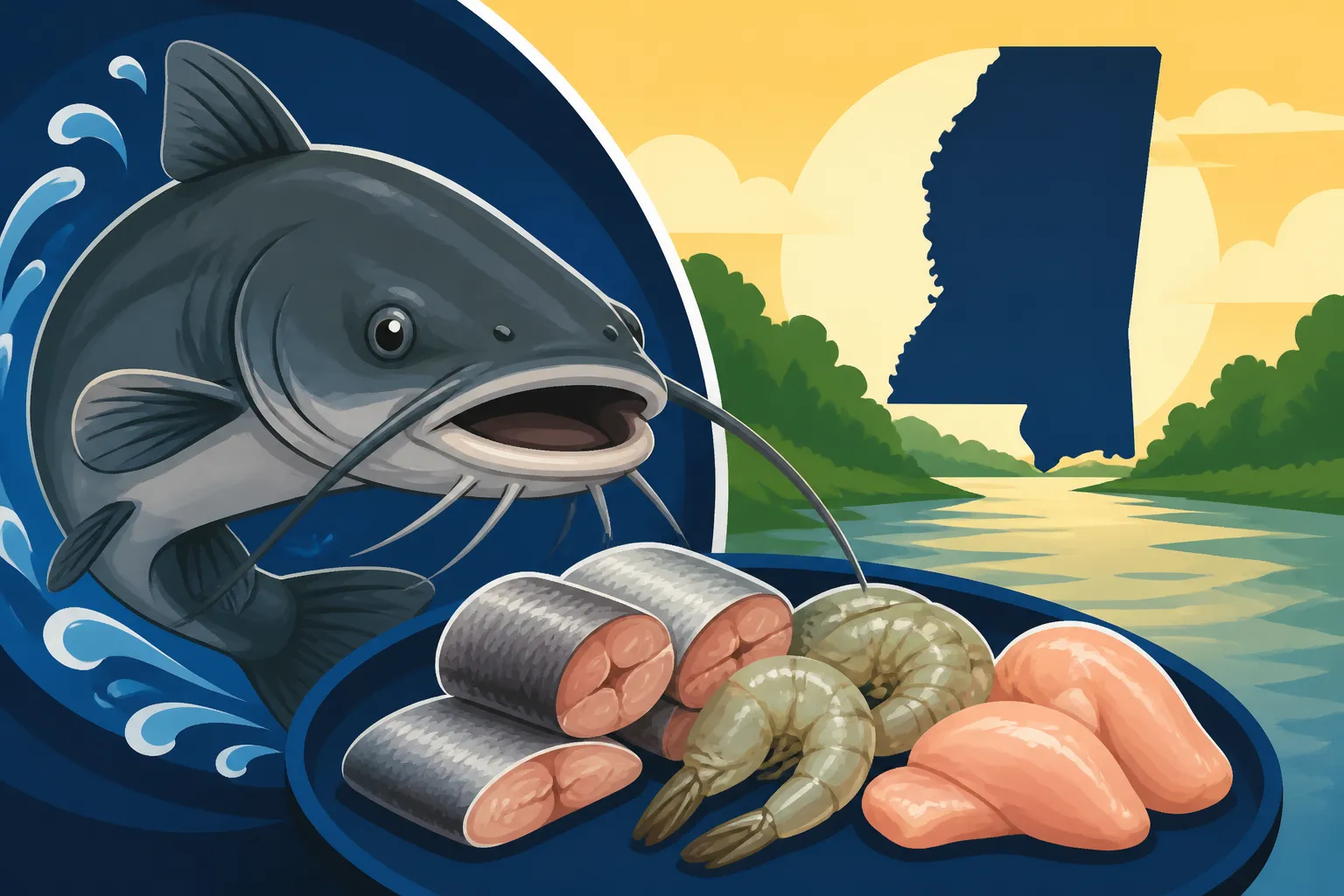
Cut bait is arguably the most versatile and effective bait for Blue Catfish Fishing in Mississippi and often for Channels too, especially when you're targeting larger fish. The magic of cut bait lies in its ability to release a potent, oily scent trail into the water, drawing catfish from considerable distances. The fresher the cut, the better, as the blood and natural oils are at their most appealing.
Different types of baitfish yield different results. Skipjack herring, often found in the tailwaters below dams, is a top-tier choice due to its high oil content and strong scent. Shad, both gizzard and threadfin, are also excellent, readily available in most Mississippi waters, and can be caught with a cast net. For saltwater species that venture into brackish areas like the lower Pearl River, mullet can also be incredibly effective. To prepare it, simply cut your baitfish into chunks, often finger-sized pieces or strips, ensuring each piece has some skin and meat to hold it on the hook. You want a piece big enough to give off scent but not so large that smaller catfish can't get it in their mouths. A properly presented piece of cut bait on a strong hook is a force multiplier, especially if you're targeting trophy Blue Catfish.
Live Bait: The Irresistible Wiggle
For flathead catfish, and often for larger blue catfish, live bait is king. There's just something about a struggling baitfish that predatory catfish can't resist. The key here is using hardy, lively bait that can withstand being hooked and swim naturally for an extended period.
Common live baits include smaller sunfish (bream), goldfish, large shiners, and vigorous minnows. For flatheads, bait size matters; generally, the bigger the flathead you’re after, the larger the live bait you’ll want to use. A 4-6 inch bream or goldfish is not uncommon for substantial flatheads. You'll want to hook your live bait carefully, often through the back above the lateral line or through the lips, ensuring it can swim freely and isn't immediately killed. An aerated bait bucket or livewell is essential to keep your bait fresh and lively throughout your fishing trip. Remember, the livelier the bait, the better your chances of enticing an aggressive strike from a flathead lurking in its cover.
Worms and Critters: Classic and Effective
Sometimes, the simplest baits are the best, and that's certainly true for worms. Earthworms, especially plump nightcrawlers, are a classic catfish bait that has caught countless fish. Their wiggling action and natural scent are irresistible to Channel Catfish, particularly smaller to medium-sized ones, and even bream and other panfish. They’re easy to find at most bait shops, including many local convenience stores, and are pretty inexpensive.
Beyond worms, other critters can be surprisingly effective. Crickets and grasshoppers, especially during summer months, can be dynamite for smaller channel cats and even bluegill that are frequently found in the same areas. The key is to thread them onto the hook carefully so they stay on during the cast and provide maximum wiggling action. While they might not entice the monster flatheads, they’re fantastic for a fun day catching plenty of eaters, especially when fishing for Catfish in Mississippi's smaller lakes and ponds.
The Best Prepared and Commercial Catfish Baits
While natural baits often steal the show, there's a huge market for prepared and commercial catfish baits, and many of them are incredibly effective, especially for Channel Catfish. They offer convenience, a long shelf life, and often powerful scent attractants designed specifically to draw in those whiskered wonders.
Stink Baits and Punch Baits: The Odor Offensive
If you want to create a scent slick that catfish can't ignore, stink baits and punch baits are your go-to. These baits are designed to be incredibly pungent, releasing a strong, often repulsive (to humans!) odor into the water. Catfish, with their phenomenal sense of smell, are highly attracted to these powerful aromas, even in murky or fast-moving water.
Stink baits come in various forms, from soft, pliable concoctions meant to be dipped or smeared onto sponges or specially designed bait holders, to firmer chunks. Punch baits, a specific type of stink bait, are characterized by their thick, dough-like consistency that clings tenaciously to the hook, often requiring you to "punch" your hook into the bait using a stick or specialized tool. Popular brands like Sonny's Super Sticky Baits or Secret 7 often contain ingredients like cheese, blood, and animal byproducts that create an irresistible (again, to catfish!) olfactory experience. These are particularly effective for Channel Catfish, as their scavenging nature makes them highly susceptible to strong scent trails. You can find a wide selection of these, and specialized bait holders, on platforms like Amazon if your local bait shop doesn't carry them.
Prepared Baits and Dough Balls: Ready-to-Use Convenience
Beyond the truly "stinky" options, there's a whole category of prepared baits and dough balls that offer ease of use and consistent results. These often come in tubs or jars and are ready to be pinched onto your hook right out of the container. They're typically less potent than true stink baits but still provide an attractive scent and texture.
Many prepared baits incorporate corn, grains, or other ingredients that mimic what catfish might find naturally. Brands like Catfish Charlie or Magic Bait offer various formulas. If you're a DIY enthusiast, making your own dough balls can be a fun and cost-effective alternative. Simple recipes often involve flour, cornmeal, garlic powder, and some sort of oily fish product, all mixed with water to form a firm dough that can be molded around a hook. The beauty of these baits is their convenience; you don't have to worry about catching bait or dealing with messy cut bait, making them perfect for a spontaneous trip to a local pond.
Hot Dogs, Chicken Livers, and Other Kitchen Sink Baits
Sometimes, the best bait is already in your fridge! Many common household items can be surprisingly effective for catfish, especially for smaller Channel Catfish and for fun, casual fishing trips. These "kitchen sink" baits are usually affordable and readily available, making them a great choice for beginners or those fishing on a budget.
Chicken livers are a classic for a reason. Their bloody, soft texture and strong scent are highly attractive to catfish. The downside? They are notoriously messy and tend to fly off the hook easily, especially with a strong cast. A trick is to cure them slightly with garlic powder or wrap them with a small piece of mesh or pantyhose to help them stay on. Hot dogs, particularly cheap, strong-smelling varieties, are another popular choice. You can cut them into small chunks and soak them in garlic juice or a commercial catfish attractant to boost their appeal. Other unconventional baits include raw shrimp, chunks of cheap bar soap (seriously!), and even small pieces of Spam. While not always as effective as specialized baits, these can definitely put some fish on the bank, offering a fun and accessible entry point into the world of catfish angling.
Matching Your Bait to the Fishing Conditions
Choosing the "best" bait isn't a one-size-fits-all situation. What works wonders on a hot summer day in a muddy river might be completely ignored in a clear, cold lake during winter. Understanding how various conditions impact catfish behavior and feeding habits is crucial for selecting the optimal bait.
Water Temperature and Seasonality
Catfish, like most fish, are ectothermic, meaning their body temperature and activity levels are directly influenced by the surrounding water temperature. This means their metabolism and, consequently, their feeding habits change significantly throughout the year.
In spring, as water temperatures rise and fish become more active, they start moving out of their deeper wintering holes. This is often a great time for both live bait and cut bait, as catfish are actively seeking to replenish energy reserves before and after spawning. As we move into summer, especially during the scorching Mississippi heat, catfish metabolism is high, and they feed aggressively. Strong-scented baits like stink baits and fresh cut bait excel, especially during warmer nights when catfish might move into shallower waters to feed. You might find Night Fishing for Catfish particularly productive during these months. When fall arrives and water temperatures begin to drop, catfish often go on a feeding binge to prepare for winter. Live bait and cut bait remain top choices, as fish seek out protein-rich meals. In winter, catfish activity slows down significantly. They often retreat to deeper, more stable water. During this time, a smaller, more subtle presentation of live bait or fresh cut bait, fished slowly and directly in their holding areas, can be effective.
Water Clarity and Current
The visual and olfactory environment of the water body plays a huge role in how catfish locate their food.
In murky or stained water, scent is king. Catfish rely heavily on their chemoreceptors (taste and smell) in these conditions, as visibility is poor. This is where strong-smelling baits like stink baits, punch baits, and oily cut bait truly shine. The scent trail disperses widely, guiding catfish right to your hook. You might also consider bright-colored floats or beads on your rig to provide some visual attraction, though scent will be the primary draw.
Conversely, in clear water, catfish might be more visually oriented. While scent is still important, a natural-looking live bait or a well-presented piece of fresh cut bait can be more effective. In these conditions, avoiding unnatural scents (like gasoline or bug spray on your hands) when handling bait becomes even more critical.
Current is another major factor, especially in rivers like the Mississippi River. Current helps disperse scent, making strong-smelling baits even more effective as the aroma travels downstream, attracting fish from a larger area. However, strong current can also wash away delicate baits like chicken livers. For these conditions, tougher baits like cut fish or punch baits that stay on the hook are preferable, and you’ll need heavier weights to keep your bait in the strike zone. If you're using Jug Fishing and Trotline Setup, understanding how current distributes your baits is essential.
Location and Target Species
Where you're fishing and what you're trying to catch will dictate your bait choice as much as anything else.
If you're targeting Channel Catfish in a smaller pond or lake, classic worms, chicken livers, or dough baits are usually highly effective and easy to manage. They'll readily take these common offerings.
For Blue Catfish in a large reservoir like the Ross Barnett Reservoir or the Mississippi River, you'll want to scale up. Fresh cut bait, especially shad or skipjack, is the undisputed champion for attracting bigger blues. The sheer volume of food available in these larger systems means blues are often looking for a substantial meal. Consider baits like those discussed in Best Bait for Catfish in the Mississippi River for optimal results.
And of course, for those elusive Flathead Catfish, live bait is almost always the answer. Whether you're in a deep river channel or a lake with plenty of timber, a lively sunfish or similar baitfish is what they're looking for. Make sure your bait is robust enough to handle the environment and still appear natural. Understanding specific Catfish Fishing Techniques for each species will further enhance your success.
Rigging and Presentation Tips for Optimal Catfish Bites
Having the best bait in the world won't do you much good if it's not presented properly. The way you rig your bait and how you get it into the water can make all the difference between a productive day and going home empty-handed.
Essential Rigs for Different Baits
The right rig ensures your bait is presented naturally, stays on the hook, and allows for solid hooksets.
-
Carolina Rig (Santee Cooper Rig): This is arguably the most popular and versatile rig for catfish, especially when using cut bait or live bait. It involves a sliding sinker (egg sinker or no-roll sinker) above a swivel, followed by a leader and your hook. The sliding sinker allows the catfish to pick up the bait and run without feeling the full weight of the sinker, which can lead to dropped baits. The Santee Cooper variation adds a peg float or small bobber on the leader just above the hook, which lifts your bait off the bottom, making it more visible and keeping it out of debris. This is excellent for fishing soft bottoms or when you want your bait to hover.
-
Three-Way Swivel Rig: Ideal for fishing in current or when you want to present multiple baits at different depths. One eye of the three-way swivel attaches to your main line, another to a short leader with a sinker, and the third to a longer leader with your bait. This keeps your bait near the bottom but allows it to drift naturally with the current. It's particularly effective for Catfish Fishing in Mississippi's river systems where blue cats often cruise.
-
Slip Bobber Rig: For presenting live bait or worms in shallower water, or when fishing over submerged structure, a slip bobber rig is perfect. The bobber slides freely on your main line, allowing you to easily adjust the depth of your bait. Once the weight of your bait pulls the line through the bobber stopper, your bait suspends at your desired depth. This rig is fantastic for suspending live bait just above cover where flatheads might be hiding.
Bait Preservation and Storage
Keeping your bait fresh, especially live and cut bait, is critical for maximizing its effectiveness.
For live bait, an aerated bait bucket or a boat’s livewell is a must. Proper aeration ensures oxygen levels remain high, keeping your minnows, shad, or sunfish lively and healthy. Regularly changing the water, especially on hot days, also helps remove waste and keeps the water cool. Overcrowding your bait bucket can lead to stress and quick deaths, so be mindful of how many baitfish you're trying to keep.
Cut bait needs to be kept cold and fresh. A cooler with ice is essential. Some anglers prefer to pre-cut their bait and store it in sealed bags or containers on ice to maintain freshness and minimize mess. While some catfish anglers prefer "sour" or slightly aged cut bait, for trophy blues and flatheads, fresh is almost always best. Never leave cut bait sitting in the sun; it will spoil rapidly and lose its appeal.
Maximizing Scent and Visibility
Catfish are primarily drawn by scent, so anything you can do to enhance that appeal will give you an edge.
- Cutting and Slicing: When using cut bait, making fresh cuts just before casting exposes more flesh, releasing more blood and oils. For larger pieces, scoring the skin with a knife can also help release scent more effectively.
- Attractants and Dips: Commercial liquid attractants and dips can be incredibly effective, especially for enhancing prepared baits or even a piece of cut bait. Products like Catfish Juice or various scent sprays can be applied directly to your bait to boost its olfactory appeal. You can find these at most tackle shops and on Amazon.
- Visual Enhancements: While scent is primary, a little visual flair can sometimes help, especially in clearer water or when targeting more opportunistic feeders. Adding brightly colored beads, floats, or even a small spinner blade above your hook can catch a catfish's eye as it approaches the scent trail.
These rigging and presentation techniques, combined with your perfectly chosen bait, will put you in the best possible position for a successful day of fishing for Channel Catfish, Blue Catfish, or Flathead Catfish in Mississippi. Always check the latest Mississippi Fishing Regulations Explained to ensure your methods are compliant.
Comparing Catfish Baits for Mississippi Waters
To help you make sense of all the options, here's a quick comparison of popular catfish baits, outlining their general effectiveness for each species and their key advantages and disadvantages.
| Bait Type | Primary Target Species | Pros | Cons |
|---|---|---|---|
| Fresh Cut Bait | Blue, Channel | Strong scent, highly effective for large blues, natural food source | Can be messy, requires baitfish, harder to keep fresh |
| Live Bait | Flathead, Large Blue | Irresistible to flatheads, triggers predatory instincts | Requires careful handling, aerated storage, can be harder to obtain |
| Earthworms | Channel, Small Blue | Easy to find, inexpensive, universal appeal, clean to handle | Less effective for large blues/flatheads, smaller fish can steal easily |
| Chicken Livers | Channel, Small Blue | Strong scent, very attractive to channels, affordable | Very messy, falls off hook easily, short shelf life once opened |
| Stink Baits | Channel | Powerful scent, attracts catfish from afar, convenient in tubs | Can be messy, less effective for flatheads, often artificial odor |
| Dough Baits | Channel | Clean, easy to use, long shelf life, customizable | Less potent scent than stink baits, can be washed off in strong current |
| Hot Dogs | Channel, Small Blue | Cheap, readily available, relatively clean | Less durable, might need scent enhancement, not top tier for large fish |
Remember, this table is a general guide. Local conditions, time of year, and even specific lake or river characteristics can influence bait effectiveness. For instance, the Catfish Limit at Mississippi State Fishing Lakes can also vary, so always be aware of the rules.
The Importance of Hook Selection and Line Strength
Beyond the bait itself, the foundation of your catfish setup lies in your hook selection and line strength. These elements are not just about landing the fish; they're about ensuring your bait is presented correctly and can withstand the fight of a powerful Mississippi catfish.
Choosing the Right Hook for Your Bait and Target
The hook needs to be appropriately sized for your bait and the catfish you expect to catch.
- Circle Hooks: For most catfish scenarios, especially when using cut bait or live bait, circle hooks are highly recommended. They are designed to hook the fish in the corner of the mouth, reducing gut-hooking and making catch-and-release easier and less stressful for the fish. For Channel and Blue Catfish, sizes ranging from 4/0 to 8/0 are common, depending on the bait size. For larger blue catfish and flatheads, you might go up to a 10/0 or even 12/0.
- J-Hooks: Traditional J-hooks (like an Aberdeen or Kahle hook) can be effective, especially for smaller channel cats with worms or smaller prepared baits, as they offer good bait retention. However, they require a more precise hookset and can lead to more deep-hooked fish if you're not careful. Sizes from 2/0 to 6/0 are typical for these.
Always ensure your hooks are sharp. A dull hook can lead to missed bites, especially when fishing for hard-mouthed flatheads. Consider carrying a hook sharpener with you.
Selecting Line Strength for the Fight Ahead
Mississippi catfish, especially the blues and flatheads in our larger rivers and reservoirs, can pull like freight trains. Your fishing line needs to be up to the task.
- Monofilament Line: A popular choice for its affordability, stretch, and abrasion resistance. The stretch can be forgiving during a strong run, helping to prevent hooks from pulling out. For general Channel Catfish fishing, 15-20 lb test mono is usually sufficient. For larger Blue and Flathead Catfish, especially in heavy cover or strong current, consider 25-40 lb test. Brands like Berkley Big Game or Stren Catfish Monofilament are good, reliable options you can often find on Amazon.
- Braided Line: Offers incredible strength-to-diameter ratio, no stretch, and excellent sensitivity. This means you can feel even the lightest bites, and its minimal diameter cuts through current better. For serious trophy catfishing, 50-80 lb test braided line is common. The lack of stretch means powerful hooksets, but it also means less forgiveness if a big fish makes a sudden surge. It's often paired with a monofilament or fluorocarbon leader to provide some shock absorption and make the main line less visible to wary fish.
No matter your choice, regularly inspect your line for nicks and abrasions, especially after fishing around rocks or timber. A weak spot in your line is an open invitation for a trophy catfish to snap off. For more details on heavy-duty setups, check out our guide on Catfish Fishing Techniques.
Conclusion: Experimentation is Your Best Bait
Ultimately, while this guide lays out the best baits and strategies for catfish in Mississippi, the single most important tool in your tackle box is experimentation. Catfish can be finicky, and what worked yesterday might not work today. The weather changes, water conditions shift, and the fish's mood swings. A veteran angler knows that adapting is key.
Start with the tried-and-true recommendations – fresh cut bait for blues, live bait for flatheads, and a variety of stinky or wiggly options for channels. But don't be afraid to try something different. If one spot isn't producing, move. If one bait isn't getting bites, switch it up. Pay attention to what the local anglers are using, observe the conditions, and trust your instincts. The thrill of figuring out the puzzle and landing that big Mississippi catfish on a bait you chose just right is what makes this sport so rewarding. Good luck out there, and may your lines stay tight!
Disclaimer
Fishing conditions, regulations, and recommendations can change. Always consult the latest official Mississippi Department of Wildlife, Fisheries, and Parks (MDWFP) regulations before heading out to fish. This guide is for informational purposes only and should not replace official guidance.