Best Handicap-Accessible Fishing Spots in Mississippi
For many folks who love to cast a line, the simple act of getting to a prime fishing spot can be a real hurdle, especially if mobility challenges are part of the picture. Uneven terrain, steep banks, or crowded, inaccessible docks can quickly turn a hopeful fishing trip into a frustrating ordeal. This guide is here to smooth out those bumps, helping you discover the best handicap-accessible fishing spots across Mississippi, ensuring that the joy of angling is truly within everyone's reach.
The Importance of Inclusive Angling in Mississippi
Fishing is more than just a pastime; it's a connection to nature, a source of peace, and a chance to create lasting memories. For individuals living with disabilities, these benefits are even more profound, offering therapeutic value and a sense of accomplishment. Unfortunately, the great outdoors hasn't always been designed with everyone in mind, leading to unnecessary barriers.
Breaking Down Barriers to the Water
Imagine the frustration of seeing a beautiful lake or river but being unable to access it due to a lack of paved paths, suitable ramps, or accessible piers. This isn't just an inconvenience; it can be deeply discouraging. Traditional fishing spots often feature rugged terrain, rocky shorelines, or rickety wooden docks that simply aren't safe or practical for someone using a wheelchair, walker, or who has other mobility impairments. The aim here is to highlight places where these barriers have been thoughtfully addressed, offering a welcoming environment for all. It's about ensuring that everyone, regardless of physical ability, can experience the thrill of a tug on the line.
The Joy and Benefits of Fishing for All
Beyond the thrill of the catch, fishing offers significant mental and physical health benefits. It reduces stress, improves concentration, and provides gentle exercise. For individuals with disabilities, these advantages are amplified. A well-designed accessible fishing spot fosters independence and confidence, allowing anglers to participate fully without constant assistance. It's a chance to socialize, enjoy fresh air, and find tranquility. Creating more accessible options reflects a commitment to inclusivity, recognizing that the healing power and simple pleasure of fishing should be a universal right. The state of Mississippi, through its various agencies and parks, has made strides in ensuring that more locations are opening up to all citizens, including our veterans and seniors.
What Makes a Fishing Spot Truly Accessible?
True accessibility goes far beyond just having a ramp. It's a holistic approach to design that considers the entire user experience from arrival to departure. When we talk about accessible fishing spots, we're thinking about comprehensive features that ensure comfort, safety, and ease of use for everyone.
Essential Infrastructure: Piers, Docks, and Pathways
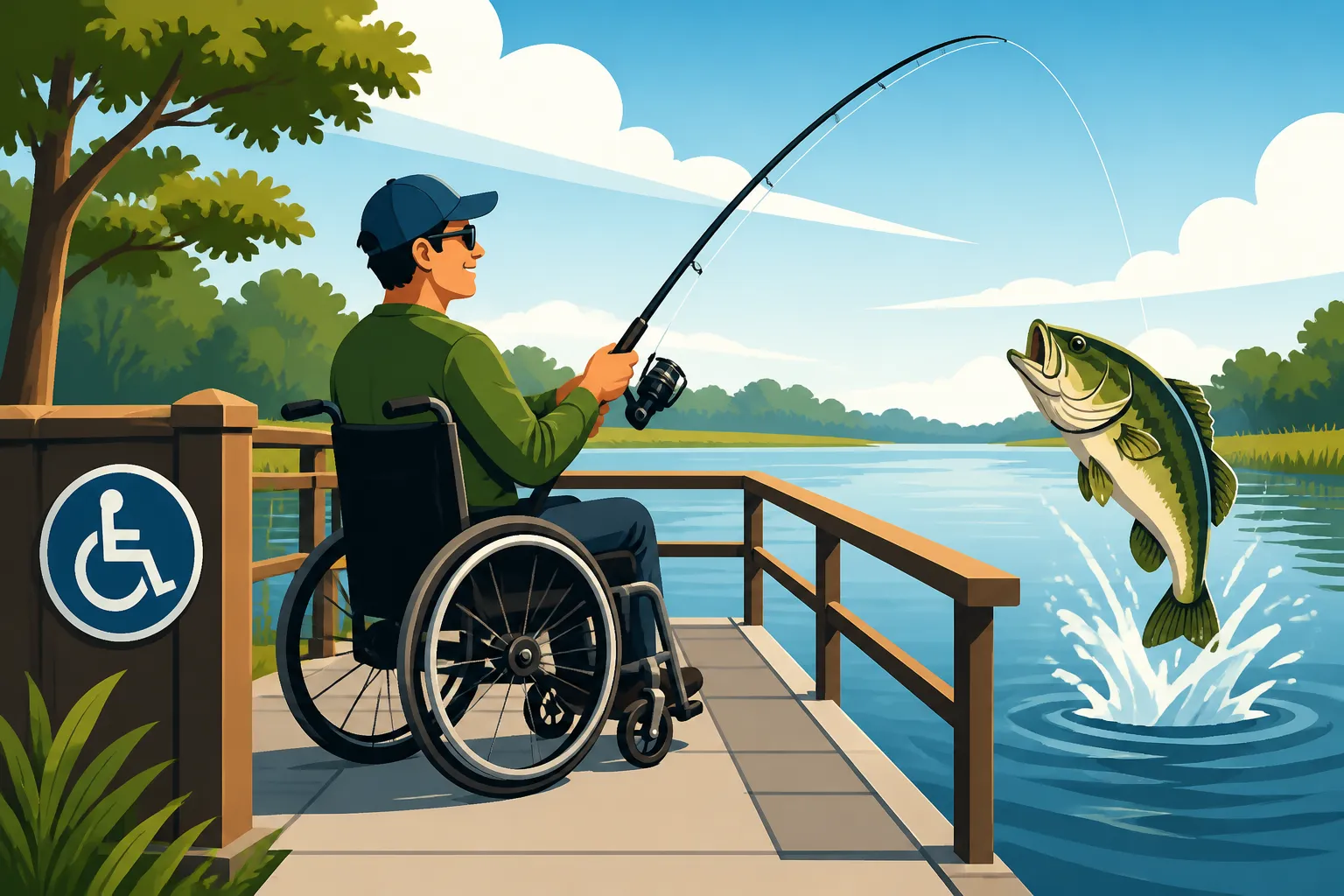
At the heart of any truly accessible fishing location are the fundamental structural elements. Look for spots that boast paved, level pathways leading directly from parking areas to the fishing platform. These paths should be wide enough to accommodate wheelchairs, scooters, and walkers, without steep inclines or sudden drops. The fishing piers and docks themselves are paramount. They should be built with sturdy, non-slip surfaces and extend far enough into the water to allow for productive casting. Crucially, these piers often feature low-rail sections or cutouts specifically designed for wheelchair users, enabling them to reach the water and manage their rods without obstruction. Many modern accessible piers even include built-in rod holders at varying heights. For those who prefer to fish from the bank, accessible bank fishing spots will often have compacted gravel or paved areas right by the water's edge, offering stable ground for setting up. Having a sturdy, well-maintained structure is key to a worry-free experience.
Thoughtful Design: Amenities and Facilities
Beyond the actual fishing platform, the surrounding amenities play a huge role in overall accessibility. Designated handicap parking spaces that are clearly marked, sufficiently wide, and located close to the accessible pathways are a must. Accessible restrooms are another critical component, featuring grab bars, wide stalls, and appropriate sink heights. Picnic areas with accessible tables, benches, and firm, level ground can extend the enjoyment of a fishing trip into a full day outing. Some top-tier accessible sites even include shaded areas on the piers or nearby, providing respite from the Mississippi sun. Consider checking if the location has fresh water fountains or even bait and tackle shops that are themselves accessible. These details, though seemingly small, contribute significantly to a comfortable and independent experience.
Understanding Different Levels of Accessibility
It's important to understand that "accessible" can mean different things at different locations. Some spots might have a single accessible parking space and a ramp, while others offer fully ADA-compliant piers, restrooms, and multiple accessible amenities. Before heading out, a little research or a quick phone call to the local park office or governing body is always a good idea. This helps manage expectations and ensures the spot truly meets your specific needs. What works for someone with limited mobility using a cane might not be sufficient for someone in a power wheelchair requiring specific clearances. Many places are continuously upgrading their facilities, so checking the most current information is always best. Don't be shy about asking specific questions about pier width, ramp grades, and restroom dimensions.
Premier Handicap-Accessible Fishing Locations Across Mississippi
Mississippi is home to a fantastic array of fishing opportunities, and thankfully, more and more of these spots are becoming accessible to everyone. From sprawling reservoirs to bustling Gulf Coast piers, there's a place for every angler to enjoy.
Ross Barnett Reservoir: Accessible Piers and Bank Access
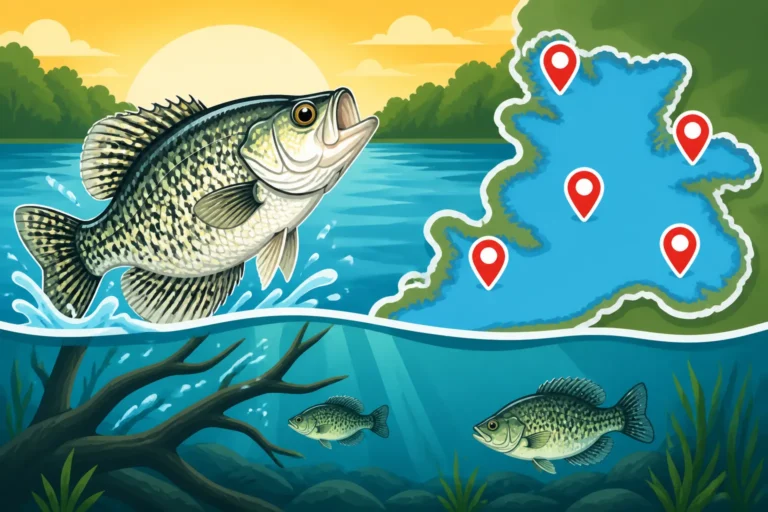
The Ross Barnett Reservoir, often lovingly called "The Rez" by locals, is a jewel in Central Mississippi, known for its fantastic bass and crappie fishing. The Pearl River Valley Water Supply District (PRVWSD) has made significant efforts to ensure that parts of this massive body of water are accessible. One of the best spots for accessible fishing at The Rez is often found around the Pelahatchie Bay area. Here, you'll find accessible parking and well-maintained paved pathways leading to fishing piers that feature low-rail sections, allowing wheelchair users easy access to the water. These piers are often wide and stable, perfect for a relaxed day of fishing.
Beyond Pelahatchie Bay, other areas around the reservoir, particularly near some of the marinas or public boat launches, have also incorporated accessible features. While a Mississippi Fishing License Guide is always helpful for understanding regulations, knowing where to go for ease of access is equally important. If you're looking for Best Fishing Spots in Mississippi that include accessible options, the Ross Barnett Reservoir is definitely high on the list. The combination of easy access, ample fishing space, and the sheer variety of fish makes it a top choice for anglers with mobility challenges. You can check the PRVWSD website for the most current information on specific accessible facilities and amenities, as updates and improvements are ongoing.
Mississippi Gulf Coast Piers: Barrier-Free Saltwater Opportunities
For those who crave the salty air and the thrill of coastal fishing, Mississippi's Gulf Coast offers several excellent accessible piers. These piers are often concrete or wide wooden structures, built to withstand the elements and provide a stable fishing platform for a multitude of anglers.
- Biloxi Small Craft Harbor Pier: Located right in the heart of Biloxi, this pier is generally very accessible. It features wide, level walkways, accessible restrooms nearby, and often has lower railings in sections perfect for wheelchair users. It's a bustling spot where you can catch a variety of species like speckled trout, redfish, and flounder. For anyone considering Mississippi Gulf Coast Fishing Guide, this pier is a must-mention for its accessibility.
- Bay St. Louis Bridge Fishing Pier: This iconic pier offers stunning views and excellent fishing. Many sections are wide and easily navigable, providing ample space for anglers with mobility devices. It's known for abundant opportunities to catch panfish, drum, and occasional larger species.
- Gulfport Small Craft Harbor Pier: Similar to Biloxi, the Gulfport pier often provides good accessibility with wide walkways and easy access.
These piers allow you to experience the vibrant Gulf Coast fishing scene without having to worry about rough terrain or difficult access. They are usually well-lit for night fishing and often have benches for resting. Always verify specific amenities and conditions before your trip, but these coastal piers are generally a fantastic choice for accessible saltwater angling.
Mississippi State Parks: Naturally Accessible Choices
Mississippi's State Parks system has been actively working to enhance accessibility, making many of its beautiful natural areas more inclusive. While specific features can vary, several parks offer excellent accessible fishing options, often centered around their lakes and ponds. Getting a Mississippi State Park Lake Fishing Permits is usually straightforward, but finding out about the specific accessible features is even more crucial.
- Grenada Lake State Park: This park is well-known for its excellent crappie fishing and often features accessible fishing piers and pathways around its waters. The facilities are regularly maintained, making it a reliable choice for accessible angling.
- Percy Quin State Park: Located in Southwest Mississippi, Percy Quin is another park that frequently receives praise for its accessibility features, including pathways and fishing access points around its scenic lake. It's a great option for a serene fishing experience.
- JP Coleman State Park: Situated on Pickwick Lake in the northeast, this park also offers accessible features, especially around its marina and public access areas, catering to those who want to try their hand at fishing in this popular reservoir.
These state parks usually offer more than just fishing, with accessible picnic areas, restrooms, and sometimes even cabins, making them ideal for a longer, relaxing getaway. They represent some of the Best Spots to Take Kids Fishing in Mississippi too, thanks to their family-friendly, accessible environments. Always check the individual park's website or call ahead for the most up-to-date information on their specific accessible offerings.
Smaller Community Lakes and Ponds
Beyond the major reservoirs and state parks, many smaller community lakes and city parks across Mississippi are quietly improving their accessibility. These hidden gems might not always be advertised nationally but are fantastic local resources. For instance, towns like Brandon, Madison, or even smaller communities might have a local park with a well-maintained pond featuring an accessible pier or paved bank access.
These spots are often perfect for a quick, relaxed fishing trip, especially if you're keen on catching panfish like bream and bluegill. They are typically less crowded than larger destinations, offering a peaceful environment. To find these, local municipal recreation departments or even online forums and community groups can be excellent resources. Sometimes, the best information comes from local anglers who frequent these smaller waters. These spots are often excellent for Best Spots for Bank Fishing Without a Boat in Mississippi, making them perfect for those who rely on shore access.
Remember, while the goal is accessibility, it's always wise to do your homework before heading out. Sometimes, what's listed as "accessible" might only meet minimal requirements. A quick phone call can save you a lot of trouble.
Planning Your Accessible Fishing Adventure
A successful fishing trip, especially one that requires specific accessibility considerations, always benefits from thorough planning. It's not just about knowing where to go, but how to prepare, what to bring, and who to consult.
Pre-Trip Research: Confirming Current Conditions
Before you pack your gear and hit the road, the most crucial step is to verify the current conditions of your chosen fishing spot. Websites for the Mississippi Department of Wildlife, Fisheries, and Parks (MDWFP), state parks, or local municipal recreation departments are excellent starting points. Look for direct contact numbers to call park rangers or facility managers. A brief conversation can confirm the operational status of accessible piers, restrooms, and pathways. Ask specific questions: "Is the accessible ramp currently open?", "Are the accessible restrooms functioning?", or "Are there any temporary closures affecting accessibility?" This is especially important for Mississippi Fishing Season Dates and Limits and any recent weather events that might have impacted the facilities. Unexpected construction, flooding, or maintenance can temporarily compromise even the best-designed accessible areas. Double-checking ensures you won't arrive to find an unforeseen barrier.
Essential Gear and Accommodations
Packing smart is key for any fishing trip, but even more so for an accessible one. Consider not just your fishing tackle, but also personal comfort and safety items.
- Mobility Aids: Ensure your wheelchair, scooter, or walker is fully charged and in good working order. Bring any necessary repair kits or spare parts if applicable.
- Seating: Even if there are benches, a comfortable, portable fishing chair can make a world of difference, especially for longer outings or if you need specific back support.
- Sun and Bug Protection: Accessible areas often mean open exposure. Pack plenty of sunscreen, a wide-brimmed hat, sunglasses, and insect repellent.
- Hydration and Snacks: Easy-to-access water bottles and energy-boosting snacks are vital. A cooler with a strap or wheels that can be managed easily is a good idea.
- Fishing Gear: Keep your tackle simple and organized. Rod holders that attach to wheelchairs or pier railings can be incredibly useful. Consider a fishing vest or tackle bag that allows for hands-free carrying. For guidance on getting licenses, remember that Where to Buy a Mississippi Fishing License can involve online options, making it easier to acquire from home.
- First Aid Kit: A basic kit for minor cuts, scrapes, or stings is always a good idea, especially when you're out enjoying nature.
Thinking through these items can enhance your comfort and independence on the water.
Leveraging Expert Resources and Guides
Sometimes, the best way to ensure a truly accessible and enjoyable fishing experience is to enlist the help of local experts. Many fishing guides in Mississippi are experienced in catering to diverse needs and can offer tailored trips. They often know the most accessible spots firsthand and can provide specialized equipment or assistance.
Platforms like FishingBooker can be an invaluable resource here. You can use their search filters to look for guides who explicitly mention "wheelchair accessible" or "disability-friendly" in their profiles or boat descriptions. Many charter captains, especially on the Mississippi Gulf Coast, have boats with wider decks, accessible heads (restrooms), or can provide assistance with boarding and fishing. Don't hesitate to reach out to a potential guide through FishingBooker's messaging system to discuss your specific needs and ensure they can accommodate you comfortably. A good guide isn't just about finding fish; it's about making the entire experience enjoyable and barrier-free. This is particularly true if you are interested in specific types of fishing, such as Mississippi River Catfish Guides, who might have larger boats suitable for various access needs. Similarly, for those interested in specific species, finding a guide through FishingBooker can help you find someone with the right expertise and accessible setup.
It’s worth noting that some guides might specialize in certain areas, like a Grenada Lake Fishing Guides for crappie, and they’ll know the ins and outs of the most accessible areas on their particular lake. Investing in a guided trip can provide peace of mind and access to experiences that might otherwise be challenging.
Comparative Overview of Accessible Fishing Spots
To help you visualize the options, here's a quick comparison of some of the accessible fishing spots we've discussed, highlighting key features:
| Location | Primary Fish Species | Typical Accessibility Features | Best For | Notes |
|---|---|---|---|---|
| Ross Barnett Reservoir | Bass, Crappie, Catfish | Paved paths, accessible piers (Pelahatchie Bay), accessible restrooms | Freshwater reservoir fishing, diverse species | Excellent for a full day; check PRVWSD for specific accessible points. |
| Biloxi Small Craft Harbor Pier | Speckled Trout, Redfish, Flounder | Wide, stable pier, low-rail sections, accessible restrooms nearby | Saltwater pier fishing, busy atmosphere | Great for coastal experience; popular spot, can get crowded. |
| Bay St. Louis Bridge Fishing Pier | Panfish, Drum, Redfish | Wide pier, accessible sections, scenic views | Saltwater pier fishing, relaxed atmosphere | Longer pier, good for a leisurely outing; parking often close to pier entrance. |
| Grenada Lake State Park | Crappie, Bass, Catfish | Accessible fishing piers, paved pathways, accessible restrooms | Freshwater lake fishing, peaceful setting | Good for crappie; state park amenities enhance the experience. |
| Percy Quin State Park | Bass, Bream, Catfish | Accessible fishing access, paths, restrooms, picnic areas | Freshwater lake fishing, family-friendly | Offers camping/cabins; good for a multi-day accessible trip. |
Disclaimer
The information provided in this guide is for general informational purposes only and is subject to change. While we strive to offer accurate and up-to-date details, accessibility features and conditions at fishing spots can vary, and facilities may undergo maintenance or changes without prior notice. Always contact the specific location or governing body directly before planning your trip to confirm current accessibility, operational hours, and any required permits or licenses. Your safety and enjoyment are paramount, so verifying details firsthand is strongly recommended.