Columbus Lake Fishing Guide
Figuring out where to drop a line on a new lake can feel like a daunting task, especially when you're looking at a body of water as expansive and diverse as Columbus Lake. It's easy to get overwhelmed by the sheer size or the number of potential spots, leaving you wondering if you're even using the right bait or technique. That's why I've put together this comprehensive guide, packed with everything you need to know to confidently navigate Columbus Lake and reel in some fantastic catches, no matter your experience level.
Understanding Columbus Lake's Unique Character
Columbus Lake isn't just a standalone body of water; it's an integral part of the Tennessee-Tombigbee Waterway, a massive system that truly defines its fishing characteristics. This means you're dealing with both riverine qualities and reservoir features, which presents a fantastic challenge and opportunity for anglers. It's not a small, quiet pond, nor is it an enormous, deep reservoir with vast open water. Instead, it offers a fascinating blend that demands a versatile approach.
The Tennessee-Tombigbee Waterway Influence
Being part of the Tenn-Tom Waterway means Columbus Lake is affected by river currents, especially in the main channel. This isn't always a strong, raging current, but it's enough to influence fish behavior and where they hold. Fish in river-influenced lakes often orient themselves to the current, using it to ambush prey or conserve energy. Understanding this fundamental aspect is crucial for locating them. The waterway also serves as a migration path for many species, contributing to the diversity of fish you'll encounter here. When water levels fluctuate due to upstream lock and dam operations or rainfall, it directly impacts Columbus Lake, pushing fish into different depths or structures.
Imagine trying to fish a typical lake, only to realize your presentation is being swept away before it even reaches the strike zone. That's a frustration many anglers face on the Tenn-Tom. The key is to adapt by using heavier weights, positioning your boat strategically to counter the current, or targeting calmer backwater areas and pockets that are shielded from the main flow. Many veteran anglers on the system will tell you that paying attention to lock schedules, even if informally, can provide clues about impending current changes.
Key Structural Features and Habitats
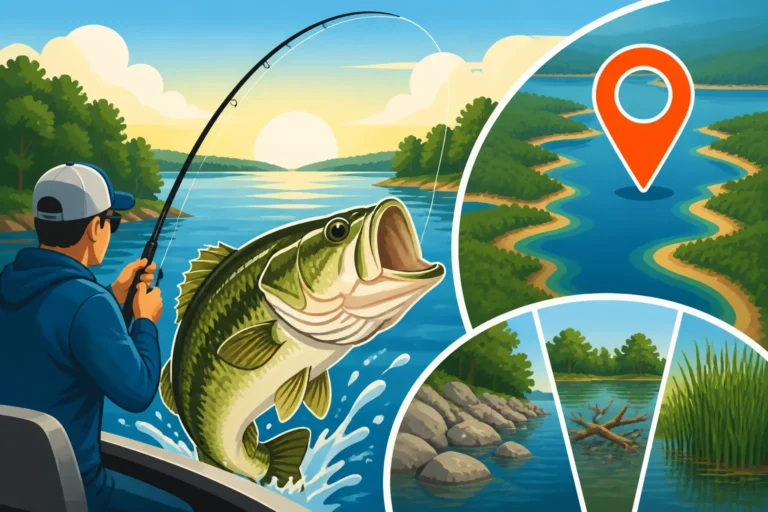
Columbus Lake is rich with diverse habitats, from shallow flats and cypress knees to deeper channels and submerged timber. The lake was formed by impounding the Tombigbee River, which means the old riverbed still runs through it, acting as a major highway for fish. Along this channel, you'll find ledges, drops, and humps that are absolute magnets for different species, especially during transition periods or when fish are congregating. Off the main channel, numerous creeks and embayments offer quieter, shallower waters, often filled with standing timber, brush piles, and aquatic vegetation.
Picture navigating through a maze of submerged trees, knowing that each cluster could hold a school of crappie, or casting towards a deep bend in the old river channel hoping for a monster catfish. These features aren't just scenic; they're essential fish habitat. Anglers often spend years mapping out these underwater structures using sonar. Even without high-tech electronics, understanding that these hidden features exist is the first step. Look for obvious signs of structure along the bank, like points extending into the water or areas with denser trees, as these usually continue underwater and provide cover.
Target Fish Species in Columbus Lake
Columbus Lake is a true multi-species fishery, offering something for every angler. Whether you're chasing the thrill of a big bass, the consistent action of crappie, or the brute strength of a catfish, you'll find ample opportunities here. Knowing what to expect and which techniques to employ for each species will dramatically increase your success.
Largemouth Bass Fishing
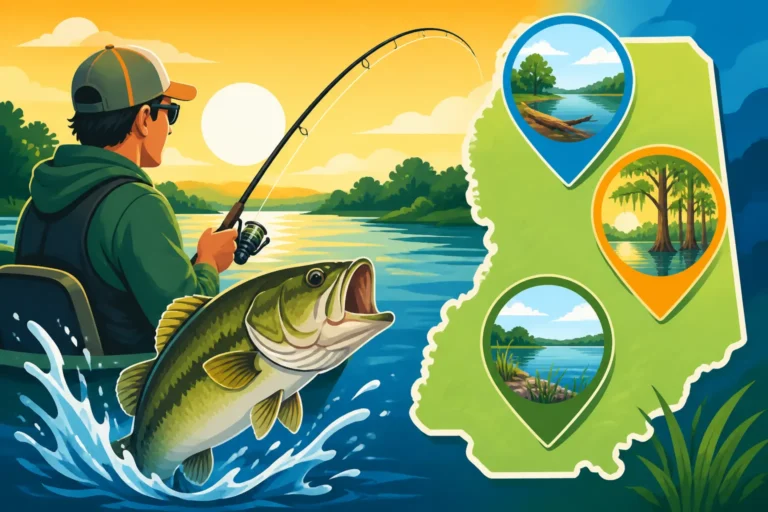
Largemouth bass are abundant in Columbus Lake and are a prime target for many anglers. They thrive in the lake's diverse cover, from shallow stumps and lily pads in the backwaters to submerged timber and ledges in deeper sections. The best time to target largemouth bass is often during the spring spawn, when they move into shallower areas to create nests. During this period, you can find them around visible cover like fallen trees, brush, and emergent vegetation.
As the water warms in summer, bass often retreat to deeper, cooler waters, concentrating around ledges, creek channels, and submerged humps. Here, they'll often relate to structure like brush piles or the old river channel drops. In the fall, they become highly active, feeding aggressively as they chase baitfish in preparation for winter. This is a fantastic time for topwater action in the mornings and evenings, or targeting schooling fish with crankbaits and spinnerbaits in creek mouths. Even in winter, dedicated bass anglers can find success by slowing down their presentations and focusing on deep structure with jigs or slow-rolled spinnerbaits.
Crappie Fishing
Columbus Lake is renowned for its crappie fishing, with both white and black crappie calling its waters home. These panfish are a favorite among anglers dueishing for their delicious taste and the sheer numbers you can often catch. Like bass, crappie's behavior is heavily dictated by the seasons. In early spring, as water temperatures rise, crappie move into shallow water, typically less than 10 feet deep, to spawn. They'll congregate around brush piles, submerged logs, and cypress trees in protected coves and creeks. This is often the easiest time to locate and catch them.
Throughout the summer, crappie will migrate to deeper, cooler water, often suspending over creek channels, along ledges, or around man-made fish attractors like brush piles. Trolling with multiple rods (spider rigging) or using a single pole to vertical jig over known structure are popular and effective methods during this time. As fall approaches, crappie will often move shallower again, following baitfish into creek mouths. Winter sees them return to deeper, more stable water, often schooling tightly on ledges or in the deepest parts of major creek channels. Knowing how to adapt your Crappie Fishing Techniques for Mississippi Lakes throughout the year is key.
Catfish Abundance
If you're looking for a fight, Columbus Lake's catfish population will not disappoint. Channel cats, blue cats, and flatheads all thrive here, with plenty of opportunities to catch a trophy-sized fish. Catfish are generally less finicky than bass or crappie and can be caught year-round, making them a reliable target when other species are harder to find. They are scavengers and predators, often found in deeper holes, along the old river channel, and in areas with slower current or heavy cover.
For channel catfish, cut bait, worms, and stink baits are highly effective. They are often found in tributary creeks and shallower flats. Blue catfish, which can grow to immense sizes, prefer fresh cut bait like shad or skipjack and tend to inhabit the main river channel's deeper holes and ledges. Flathead catfish are ambush predators that prefer live bait, such as sunfish or small carp, and are typically found near heavy cover like log jams or rock piles in strong current. Night fishing for catfish is particularly popular and productive, especially during the warmer months, when these nocturnal feeders are most active.
Prime Fishing Locations on Columbus Lake
Knowing the target species is one thing, but knowing where to find them on a large lake like Columbus is another challenge entirely. The lake offers a variety of distinct areas, each with its own appeal and ideal for certain species or techniques.
The Main River Channel and Associated Ledges
The old Tombigbee River channel is the lifeblood of Columbus Lake and a prime fishing location. This deep trench, typically ranging from 20 to 40 feet in depth, acts as a major highway for fish movement and a refuge during extreme weather conditions. The ledges and drop-offs along the channel are especially productive, as fish will stage on these depth changes, moving up and down to feed. This is where you'll often find schooling bass, large blue catfish, and deep-water crappie, particularly in the summer and winter months.
Fishing the channel requires a good understanding of boat positioning and electronics. Drifting or slow-trolling parallel to the ledges, deploying crankbaits or deep-diving jigs, can be incredibly effective for bass and crappie. For catfish, anchoring upriver from a deep hole and casting heavy-weighted baits into the channel's depths is a classic technique. Always be mindful of boat traffic, as the main channel is also used by commercial barges and other recreational vessels. These areas can be surprisingly calm when there isn't much boat activity, allowing for precise presentations.
Major Tributary Creeks and Backwaters
Columbus Lake is fed by several creeks that create extensive backwater areas, offering a stark contrast to the main channel. These areas include Luxapalila Creek, Yellow Creek, and Town Creek, among others. These tributary arms are generally shallower, often feature more standing timber, cypress knees, and lily pads, and provide excellent habitat for largemouth bass and spring crappie. The calmer waters also make them ideal for kayak and smaller boat fishing.
During the spring spawn, bass and crappie flock to these protected coves and creeks. Focus your efforts around visible cover like log jams, brush piles, and shallow vegetation with soft plastics, spinnerbaits, or jigs for bass. For crappie, minnows under bobbers or small jigs fished around standing timber are deadly. As summer heat settles in, fish in these areas might move to slightly deeper creek channels within the backwaters, or seek shade under thick canopy. In the fall, baitfish will move into these creeks, drawing hungry predators right behind them, creating fantastic opportunities for active feeding.
Bank Fishing and Access Points
Even if you don't have a boat, Columbus Lake offers decent opportunities for bank anglers, particularly around the Columbus Lock and Dam recreation areas and various parks. While not as extensive as boat access, these spots can provide access to productive waters, especially during the spring and fall. The areas directly below the Columbus Lock and Dam can be excellent for catfish and stripers (when present), as the turbulent water creates feeding opportunities.
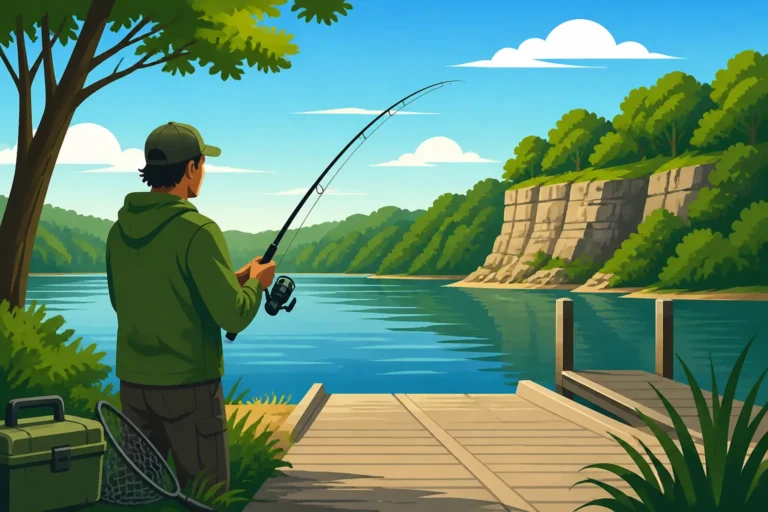
For those looking to simply enjoy a relaxing day, places like Stennis Lock and Dam Recreation Area, Burns Bottom, and various smaller public access points offer shore fishing. Live worms, crickets, or cut bait are generally effective for panfish and smaller catfish from the bank. It's a great option for families or beginners. Remember to check local regulations for specific bank fishing rules, as some areas might have restrictions on bait or fishing methods. Platforms like FishingBooker might also list local guides who can take you to prime bank fishing spots if you prefer expert guidance.
| Species Targeted | Best Time of Year | Prime Locations | Common Lures/Baits |
|---|---|---|---|
| Largemouth Bass | Spring, Fall | Tributary creeks, main channel ledges, submerged timber | Jigs, crankbaits, spinnerbaits, soft plastics, topwater |
| Crappie | Spring, Fall, Winter | Standing timber in creeks, main channel ledges, brush piles | Jigs, minnows, trolling baits |
| Catfish | Year-round | Deep holes in river channel, log jams, creek mouths | Cut bait, live bait, worms, stink bait |
Seasonal Fishing Strategies
Understanding the patterns of the fish throughout the year is perhaps the most crucial element to consistent success on Columbus Lake. Each season brings its own set of challenges and rewards, and adapting your approach accordingly is paramount.
Spring: The Spawn and Shallow Water Action
Ah, spring! This is arguably the most anticipated time of year for anglers on Columbus Lake, primarily due to the spawning rituals of both bass and crappie. As water temperatures climb into the 50s and 60s Fahrenheit, these fish move from their winter haunts into shallower, warmer waters to reproduce. This makes them more accessible and generally more aggressive, offering some of the year's best fishing. You'll want to focus on protected bays, coves, and the upper reaches of tributary creeks where vegetation, brush piles, and cypress knees offer cover for nests.
For crappie, a slow approach with small jigs (1/16 to 1/8 ounce) or live minnows under a slip bobber, pitched around visible cover, is incredibly effective. Bass anglers will find success with Texas-rigged soft plastics, spinnerbaits, or shallow-diving crankbaits worked around similar cover. Don't overlook the main lake points that extend into creek channels, as these are often staging areas for fish moving into the spawning flats. This period can also be great for Catfish Fishing Techniques as they too become more active, moving shallower to feed on abundant forage. Remember that fishing during the spawn often means respecting the fish and practicing catch-and-release, especially for larger breeding females, to ensure future populations.
Summer: Deep Water and Early Morning Bites
As the scorching Mississippi summer arrives, water temperatures can reach into the 80s, pushing many fish into deeper, cooler, and more oxygenated waters. The midday bite can be tough, making early mornings and late evenings the prime fishing windows. During the day, focus on the main river channel, ledges, and deep creek bends where fish will hold close to structure like submerged brush piles, humps, and the old riverbed. This is a time when your electronics, like a good fish finder, become invaluable for locating schools of fish.
For bass, deep-diving crankbaits, football jigs, and Carolina rigs worked along ledges and deep points can be very productive. Look for schooling bass chasing baitfish in open water, especially early in the morning. Crappie will often suspend over open water or hold tight to deep brush piles; spider rigging with multiple rods or vertical jigging with minnows and heavier jigs is the way to go. Catfish, ever resilient, will still be found in deep holes and current seams, and they often bite well at night during the summer months. Fishing during summer heat in Mississippi demands hydration, sunscreen, and patience, but the rewards can be substantial.
Fall: Aggressive Feeding and Transition
Fall is a beautiful time to fish Columbus Lake, often characterized by cooler temperatures, stunning foliage, and an aggressive feeding frenzy from many fish species. As the water cools down, baitfish become more active and move into creek mouths and shallower flats, and predators follow them. This "fall turnover" can spread fish out initially, but once they establish their feeding patterns, the action can be phenomenal. This period is a prime time for anglers who enjoy active fishing, as many techniques become highly effective.
Bass will be chasing shad in the backs of creeks and along main lake points. Topwater lures, spinnerbaits, and crankbaits that mimic baitfish are excellent choices. Look for birds diving, which often indicates schools of baitfish being pushed to the surface by feeding bass. Crappie will also move shallower, often found around brush piles and the last standing timber in creek arms. Trolling small jigs or casting minnows are productive methods. Catfish will continue to feed heavily, often moving onto flats adjacent to deep channels to gorge on dying baitfish. This can be an excellent time to target trophy blue cats with fresh cut bait. The cooler weather also makes for a more comfortable day on the water.
Winter: Slow and Deep
Winter fishing on Columbus Lake demands patience and a slower approach, but it can yield some of the biggest fish of the year, especially for crappie and bass. As water temperatures drop into the 40s, fish metabolism slows down, and they become less active. They'll typically concentrate in the deepest, most stable water they can find, often suspending over the main river channel or tightly grouped on deep ledges, brush piles, and creek channels.
For bass, slowing down is key. Finesse techniques like shaky heads, drop shots, and slow-rolled jigs or spoon jigging directly over deep structure can entice strikes. Focus on vertical presentations, as fish are less likely to chase a fast-moving bait. Crappie will form tight schools in deep water; using your electronics to locate these schools is vital. Vertical jigging with tiny jigs (1/32 or 1/64 ounce) or live minnows directly below the boat is the most effective method. Catfish remain a viable target in winter, often holding in the deepest holes of the main channel. Heavy cut bait fished on the bottom can tempt sluggish winter cats. While the action might be slower, the chance for a truly memorable catch is high.
Essential Gear and Techniques for Columbus Lake
Having the right gear and knowing the appropriate techniques can make or break your fishing trip on Columbus Lake. Given the lake's diverse character, a versatile setup will serve you well.
Rods, Reels, and Line Selection
For general-purpose fishing on Columbus Lake, a medium-action spinning rod (6'6" to 7' long) paired with a 2500-3000 series spinning reel is a fantastic starting point. This setup is versatile enough for lighter bass applications, crappie, and smaller catfish. Spool it with 8-12 lb monofilament or fluorocarbon, or opt for 15-20 lb braided line with a fluorocarbon leader for increased sensitivity and strength. Braided line is particularly useful when fishing around heavy cover like submerged timber, as it offers superior abrasion resistance.
If you're serious about bass fishing, a few baitcasting setups are essential. A medium-heavy action baitcasting rod (7' to 7'6") with a high-speed reel spooled with 15-20 lb fluorocarbon or braided line is perfect for throwing jigs, Texas rigs, and heavier crankbaits. For crappie specialists, a longer, lighter action spinning rod (7' to 10' "jigging" or "trolling" rods) spooled with 4-6 lb monofilament or braided line will enhance sensitivity and allow for delicate presentations. For trophy catfish, heavy-duty baitcasting or conventional reels paired with stout rods (7' to 8' heavy or extra-heavy action) and 30-50 lb monofilament or braided line are a must. Choosing the Right Rod and Reel for Mississippi Fishing often comes down to your primary target.
Baits, Lures, and Terminal Tackle
The vast array of baits and lures available can be overwhelming, but a few staples will cover most scenarios on Columbus Lake.
- For Bass: Soft plastics (worms, creature baits, flukes) in green pumpkin, black, and junebug are highly effective, especially when Texas or Carolina rigged around cover. Crankbaits that dive to various depths (shallow runners for spring, deep divers for summer ledges), spinnerbaits (white, chartreuse), and topwater lures (frogs, poppers, walking baits) are also essential. Jigs (football, swim jigs) are consistently productive.
- For Crappie: Small (1/16 to 1/8 ounce) lead-head jigs with soft plastic bodies (chartreuse, white, black/chartreuse) are paramount. Live minnows are a classic and often irresistible bait, especially when fished under a slip bobber or tight-lined. Small crankbaits can also be effective when trolling.
- For Catfish: Fresh cut bait (shad, skipjack, bream), live worms, chicken livers, and various prepared "stink baits" are the go-to choices. For big flatheads, live bluegill or other small panfish are best.
Don't forget essential terminal tackle: a variety of hooks (EWG, straight shank, circle hooks), sinkers (bullet weights, egg sinkers, drop shot weights), swivels, and bobbers. Always carry extra line, a good pair of pliers or line cutters, and a net suitable for the size of fish you expect to catch.
Boat and Kayak Fishing Considerations
Most serious fishing on Columbus Lake is done from a boat, offering access to the main channel, ledges, and numerous creeks. A reliable motor, a good trolling motor, and functional electronics (fish finder/GPS) will significantly enhance your experience. Pay close attention to navigation in the main channel, especially near the lock and dam, and be aware of barge traffic. Shallow water anchors like those from Power-Pole or Talon can be incredibly useful for holding your position quietly on a brush pile or a shallow spawning flat.
For those who prefer a more intimate experience, kayak fishing has exploded in popularity. Kayaks allow access to extremely shallow backwater areas and timber-filled coves where larger boats can't go. While a kayak can limit your range, it opens up hidden gems. Ensure your kayak is equipped with a comfortable seat, a paddle leash, and adequate safety gear, including a PFD and a whistle. Many anglers use compact fish finders on their kayaks for locating structure and fish. Guided Kayak Fishing Trips in Mississippi are also an option if you want to learn the ropes.
Regulations and Conservation on Columbus Lake
Fishing on Columbus Lake, like any public waterway in Mississippi, comes with a set of rules and responsibilities. Understanding and adhering to the Mississippi Fishing Regulations Explained is crucial not only for avoiding penalties but also for preserving the health of the fishery for future generations.
Licensing Requirements
Before you even think about casting a line, ensure you have the appropriate Mississippi Fishing License Guide. For residents, this usually means a freshwater fishing license. Non-residents will need a nonresident fishing license. There are various options, including annual licenses, 3-day non-resident licenses, and specialized licenses like the Mississippi Sportsman's License Explained that cover both fishing and hunting. Kids often have specific rules regarding licenses; typically, those under a certain age are exempt, but it's always best to check the current regulations for "Do Kids Need a Fishing License in Mississippi?".
You can purchase your license online through the Mississippi Department of Wildlife, Fisheries, and Parks (MDWFP) website, at authorized license retailers like Walmart or local bait shops, or even sometimes through fishing guide services if you book a trip. Always carry your license with you when fishing, as game wardens frequently patrol the lake. The penalties for fishing without a license can include significant fines, so it's not worth the risk.
Creel and Size Limits
Columbus Lake, as part of the statewide regulations, has specific creel (daily bag) and size limits for various species to ensure sustainable populations. These limits can change, so always check the latest rules before heading out.
- Largemouth Bass: Typically, there's a daily creel limit and a minimum size limit. For example, often you can only keep a certain number of bass per day, and they must be above a specific length. This is designed to protect juvenile fish and allow larger fish to contribute to the gene pool.
- Crappie: Similar to bass, crappie usually have a daily limit and a minimum size. These limits can sometimes vary by specific lake or region within Mississippi, so it’s important to confirm the current Mississippi Crappie Regulations by Lake.
- Catfish: While often more lenient, channel, blue, and flathead catfish also have daily limits. These are usually quite generous, reflecting the robust populations, but it's important to be aware.
Always carry a ruler or tape measure to quickly check your fish, and know the difference between species if there are varying regulations. Releasing undersized fish promptly and gently is a vital part of conservation. The Mississippi Fishing Creel and Size Limits are in place for a reason – to keep our waters healthy and productive.
Practicing Responsible Angling
Beyond licenses and limits, responsible angling involves several practices that ensure the longevity of Columbus Lake as a premier fishing destination. This includes proper handling of fish, especially those you intend to release. Wet your hands before touching a fish, support its body horizontally, and release it quickly. Avoid leaving trash, tangled lines, or discarded bait containers on the banks or in the water.
If you're using live bait, be mindful of rules regarding the transport and use of non-native species, as these can introduce invasive organisms into the ecosystem. Understanding and respecting the habitat, minimizing disturbance, and adhering to all boating safety rules are also part of being a responsible angler. Consider booking with a licensed guide found on platforms like FishingBooker who can teach you the ropes of ethical fishing practices specific to Columbus Lake. Our shared passion for fishing depends on our collective commitment to conservation.
Disclaimer
The information provided in this guide is for general informational purposes only and is subject to change. Fishing regulations, license requirements, and fish populations can vary. Always consult the official Mississippi Department of Wildlife, Fisheries, and Parks (MDWFP) website or current regulations pamphlet for the most up-to-date and accurate information before planning your fishing trip to Columbus Lake.