How Many Fishing Poles Can You Use in Mississippi?
It's a common dilemma, isn't it? You're out on a beautiful Mississippi lake or a peaceful stretch of river, and you start wondering if you can just toss out one more line. Or maybe you’re setting up for a serious multi-species day, and the question hits you: "How many fishing poles can I really use here?" This isn't just a casual thought; getting it wrong can lead to unnecessary fines and a spoiled day on the water. This guide will meticulously break down Mississippi's fishing pole regulations, ensuring you can fish legally and confidently.
Understanding the Basic Limits for Recreational Anglers
When it comes to recreational fishing in Mississippi, the rules around how many poles you can use can feel a little fuzzy if you don't know where to look. It's not as simple as a single, statewide number for every situation. Different types of water bodies and even different fishing methods have their own specific guidelines. Let's unravel the most common scenarios you'll encounter.
The Standard Freshwater Rod and Reel Rule
For most general recreational freshwater fishing in Mississippi's public waters – think big reservoirs like Ross Barnett or Grenada Lake, or the vast network of rivers and smaller public lakes – you're typically allowed to use up to six (6) rods and reels at any given time. This is a pretty generous limit compared to some other states, giving anglers ample opportunity to target various depths or species simultaneously.
Imagine you're out on the Pearl River, perhaps chasing channel catfish while also hoping for a bass. With a six-rod limit, you could have a couple of rods rigged for bottom fishing with cut bait for catfish, a couple more casting crankbaits or soft plastics for bass, and maybe even a finesse setup for panfish if they show up. It offers a lot of versatility. However, the key here is "attended." While the regulations don't always explicitly define "attended" down to the last foot, the general understanding is that your rods should be within your immediate reach and sight, allowing you to respond quickly if a fish bites. You can't just set out six rods, wander off for an hour, and expect to be compliant. Having a good set of rod holders, like those you can find on Amazon, can really help you manage multiple lines effectively from a boat or even from the bank. It keeps your gear organized and ensures you can easily monitor all your active lines.
Specific State Park Lake Restrictions
Now, here's where things often get a bit tighter, and it's a common point of confusion for many anglers. If you decide to fish in one of Mississippi's designated State Park Lakes or other small, managed public fishing lakes – places like Lake Columbia, Simpson County Lake, or Lake Mike Conner – the general six-rod rule usually doesn't apply. These smaller, often intensively managed fisheries typically have stricter regulations to prevent overfishing and maintain healthy fish populations.
In most Mississippi State Park Lakes, the limit is generally restricted to three (3) poles or rods and reels per person. This reduction is designed to ensure a more equitable fishing experience for all visitors and to manage the harvest within these smaller, more confined aquatic environments. It’s absolutely crucial to check the specific signage at the lake entrance or consult the Mississippi Department of Wildlife, Fisheries, and Parks (MDWFP) website for the exact rules of the particular lake you plan to visit. Overlooking this detail can easily result in a citation. For instance, if you're planning a family trip to a state park lake, remember that even if you have a Mississippi Fishing License Guide in hand, you still need to be aware of these localized rules. Always check the specific rules for Mississippi State Park Lake Fishing Permits as well, as some may require an additional daily permit on top of your state fishing license.
Saltwater Considerations for Pole Count
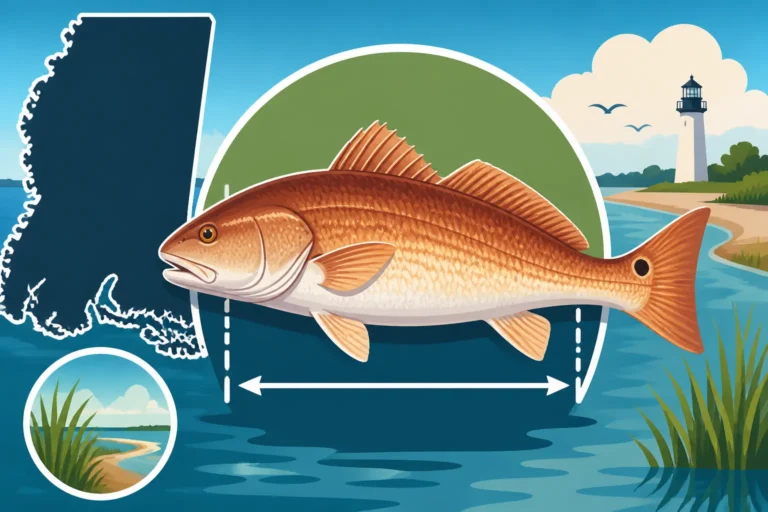
When you venture out to the Mississippi Gulf Coast for some saltwater action, the rules for rods and reels generally align more with the freshwater "six rods per person" guideline for recreational anglers. However, it's always good practice to double-check for any specific federal or state regulations that might apply to certain species or areas, especially if you're heading further offshore. For instance, while the number of rods might be consistent, you'll need the appropriate Mississippi Saltwater Fishing License Guide to even cast a line in marine waters.
The most important distinction in saltwater often isn't the number of rods, but rather the species-specific regulations. You might be allowed six rods, but each rod must comply with size and creel limits for the fish you're targeting. For example, if you're fishing for speckled trout or redfish, you'll need to know their specific slot limits and bag limits, regardless of how many rods you have in the water. These limits are paramount to conservation efforts. Many anglers find that even with the allowance, managing more than a few rods in a fast-paced saltwater environment – especially when targeting aggressive species like redfish or speckled trout – can be a handful. You might be better off focusing on two or three well-monitored lines rather than six that you can't effectively tend.
Beyond the Rod and Reel: Specialized Gear and Methods
Mississippi offers a wide array of fishing methods beyond just casting a rod and reel. From passive techniques like trotlines to more active, hands-on approaches, the number of "poles" or points of contact with the water can vary dramatically. It's crucial to understand these distinctions, as they often come with their own unique set of regulations regarding quantities, marking, and placement.
Navigating Trotline and Jug Line Regulations
For anglers who prefer more passive fishing techniques to target species like catfish, Mississippi allows the use of trotlines and jug lines, but with very specific numerical limits and requirements. These are distinctly different from the rod and reel limits.
-
Trotlines: A trotline is a long line with multiple baited hooks attached at intervals. In Mississippi, a recreational angler is generally limited to operating a maximum of one (1) trotline per person. This single trotline cannot exceed 100 hooks, meaning you have a substantial number of baits in the water, but it's all part of one continuous setup. Each trotline also needs to be clearly marked with the name and address of the person using it, and it cannot be set in such a way that it obstructs navigation for other boaters. You often see experienced catfishermen using heavy-duty trotlines, which can be purchased from sporting goods stores or even online at places like Amazon, to ensure they can withstand the power of large blue or flathead catfish. Understanding Mississippi Trotline and Jug Fishing Rules is essential before deploying this effective method.
-
Jug Lines: Jug fishing involves individual lines, each typically attached to a floating device (like a plastic bottle or a specialized jug float), with a single hook. For recreational use, you're generally allowed to deploy a maximum of fifty (50) jug lines per person. Like trotlines, each individual jug must be clearly marked with the name and address of the person operating it. Jug lines are a fantastic way to cover a large area and target actively feeding catfish, especially in large reservoirs or wide river sections. However, managing 50 individual jugs requires a systematic approach to ensure you can find them all and tend to them regularly. It's a very different logistical challenge than managing six rods.
These regulations are in place to ensure fair access to the resource, prevent overharvest, and maintain safety on public waterways. Imagine the chaos if there were no limits on unattended lines!
Other Permitted Gear: Bow Fishing and Noodling
Mississippi's diverse fishing opportunities extend to some truly unique and exciting methods that don't involve traditional poles at all. These methods have their own specific rules regarding what can be used and how it's done.
-
Bow Fishing: Yes, you can fish with a bow and arrow in Mississippi! This exciting method is typically used for non-game fish species like gar, carp, and buffalo. There are generally no specific "pole count" rules here since you're using archery equipment rather than rods. However, there are regulations regarding the species you can target, permitted times (day or night, often with artificial lights), and areas where bow fishing is allowed. You'll need to ensure your equipment is legal (e.g., no explosive tips). Bowfishing is a highly specialized sport that requires different gear than a standard fishing pole, and many enthusiasts purchase specialized bows and arrows from retailers, often finding a wide selection of accessories on Amazon.
-
Noodling: Also known as "handfishing," noodling involves catching catfish with your bare hands. It's an ancient and extremely physical method that is legal in Mississippi for certain species and under specific conditions. Again, no "pole count" applies here as you are the primary tool! The regulations for noodling typically involve restrictions on the species (usually flathead and blue catfish), certain seasons, and the prohibition of using artificial breathing devices or any gear to trap or hold fish. It's a test of grit and courage, and while it doesn't involve tackle, it's definitely a regulated fishing activity. It's critical to understand Is Noodling Legal in Mississippi? before attempting this adventurous pursuit.
Commercial vs. Recreational Differences
It's important to briefly touch upon the distinction between recreational and commercial fishing licenses and gear. The limits discussed above are strictly for recreational anglers. Commercial fishermen, who are licensed to harvest fish for sale, operate under an entirely different set of regulations, which often allow for a much larger quantity of gear, different types of nets, and vastly different harvest limits. Their operations are subject to more rigorous reporting and oversight. If you're a recreational angler, stick to the recreational rules. Trying to use commercial-grade gear or quantities without the proper commercial licensing will lead to severe penalties.
Why These Regulations Exist and How to Stay Compliant
Fishing regulations might sometimes feel like a hassle, another bureaucratic hoop to jump through, but they are absolutely vital. Understanding the 'why' behind these rules, especially those pertaining to how many fishing poles you can use, can make compliance feel less like a burden and more like a shared responsibility.
The Importance of Conservation and Fair Sport
At the heart of all fishing regulations, including pole limits, is the principle of conservation. Mississippi's waters are a precious resource, teeming with diverse fish populations that need protection to thrive for generations to come.
- Preventing Overharvest: If every angler could deploy an unlimited number of rods or jug lines, the potential for overharvest would be immense. Fish populations, especially in smaller bodies of water like state park lakes, could be decimated quickly. Limits on the number of active lines help distribute the catch more equitably among anglers and reduce pressure on fish stocks.
- Maintaining Healthy Ecosystems: Overfishing a particular species can have ripple effects throughout the aquatic ecosystem, impacting prey species, water quality, and even vegetation. Regulations help ensure a balanced environment where fish can reproduce and grow.
- Ensuring Fair Play: Imagine trying to fish a popular spot, only to find it completely saturated with dozens of unattended lines from a single individual. Pole limits ensure that all anglers have a fair opportunity to access the resource and enjoy their time on the water without undue interference from others' excessive gear. It promotes sportsmanship and mutual respect among the fishing community.
- Safety: Too many lines in the water, especially unattended ones, can create hazards for boaters, swimmers, and even other anglers, leading to tangles, snags, and potential accidents.
The MDWFP carefully studies fish populations and angler pressure to set these limits. When we follow them, we're actively participating in the stewardship of Mississippi's incredible fisheries.
Consequences of Violating Fishing Pole Limits
Ignoring fishing regulations, including limits on the number of poles or lines, is not just frowned upon; it carries real legal consequences. Nobody wants their relaxing day on the water to end with a ticket, or worse.
- Fines and Penalties: Fishing without a license or exceeding gear limits is typically considered a misdemeanor. The fines can vary, but you can generally expect to pay anywhere from a couple of hundred dollars to potentially over a thousand, depending on the severity and whether it's a repeat offense. This is a lot more expensive than just buying an extra pole or two within the legal limits on Amazon. You can read more about what happens if you break the rules in our guide on Mississippi Fishing License Penalties and Fines.
- Confiscation of Gear: In addition to fines, wildlife enforcement officers have the authority to confiscate illegal fishing gear, including any excess rods, trotlines, or jug lines you might be using beyond the legal limit. That brand-new fishing setup you just bought could be gone.
- Loss of Fishing Privileges: For more serious or repeated violations, you could face the suspension or revocation of your fishing license, meaning you wouldn't be able to fish legally in Mississippi for a period of time.
- Legal Record: A conviction for a fishing violation can result in a criminal record, which can have broader implications.
It's simply not worth the risk. Always err on the side of caution and ensure you're fully compliant with all state and local regulations.
Staying Up-to-Date with Mississippi Fishing Regulations
Fishing regulations are not static; they can change periodically due to new biological data, environmental factors, or shifts in conservation strategies. What was legal last year might have a slight tweak this year.
- MDWFP Website: The absolute best and most authoritative source for current Mississippi fishing regulations is the official website of the Mississippi Department of Wildlife, Fisheries, and Parks (MDWFP). They publish the most up-to-date Outdoor Digest annually, which details all fishing and hunting rules.
- Annual Outdoor Digest: Grab a physical copy of the MDWFP Outdoor Digest. These are often available at bait shops, sporting goods stores, and MDWFP offices. It’s a handy reference to keep in your tackle box or boat.
- Bait Shops and Local Experts: Local bait and tackle shop owners are often incredible resources for hyper-local knowledge, not just about what fish are biting, but also about any specific nuances of regulations in their area.
- Online Resources: Reputable fishing blogs and forums dedicated to Mississippi fishing can also be great places to stay informed, but always cross-reference critical information with the official MDWFP sources.
Before every trip, especially if you're visiting a new body of water or plan to use a different fishing method, take a few minutes to confirm the current regulations. It's a small investment of time that pays off in peace of mind and enjoyable, legal fishing experiences. Remember, knowing the rules, whether it's about the number of poles or Mississippi Statewide Creel Limits, is part of being a responsible angler.
Here's a quick summary of the common recreational pole limits in Mississippi:
| Fishing Method/Location | General Limit Per Person | Specific Notes |
|---|---|---|
| Freshwater Rod & Reel | 6 Rods and Reels | For most public lakes, rivers, and reservoirs. Rods should be actively attended. |
| State Park Lakes (Rod & Reel) | 3 Rods and Reels | Applies to most MDWFP-managed State Fishing Lakes and other small, designated public lakes. Always check signage or specific lake regulations. |
| Saltwater Rod & Reel | Generally 6 Rods and Reels | For coastal waters, bayous, and the Mississippi Sound. Be aware of federal regulations for offshore fishing and species-specific limits. |
| Trotlines | 1 Trotline (not exceeding 100 hooks) | Must be clearly marked with name/address and not obstruct navigation. Typically for non-game fish like catfish. |
| Jug Lines | 50 Jug Lines (each with 1 hook) | Each jug must be clearly marked with name/address. Typically for non-game fish like catfish. |
| Bow Fishing | N/A (archery equipment) | No pole limit, but specific rules for species (non-game fish only), areas, and times apply. |
| Noodling (Handfishing) | N/A (hands only) | No pole limit, but specific rules for species (e.g., flathead, blue catfish), seasons, and methods (no artificial breathing devices or traps) apply. Refer to Mississippi Freshwater Fishing Rules for details. |
Please note that this table provides general guidelines, and it is imperative to consult the official MDWFP regulations for the most current and specific rules pertaining to your chosen fishing location and method. Additionally, don't forget that you'll always need a valid Do You Need a License to Fish in Mississippi? before even thinking about pole counts! If you're looking for where to purchase your license, consider checking How to Buy a Mississippi Fishing License Online.
Disclaimer
The information provided in this guide is for general informational purposes only and is not a substitute for the official regulations published by the Mississippi Department of Wildlife, Fisheries, and Parks (MDWFP). Fishing regulations can change frequently. Always consult the most current MDWFP Outdoor Digest and any specific signage at your chosen fishing location before engaging in any fishing activities. Compliance with all applicable laws and regulations is the sole responsibility of the angler.