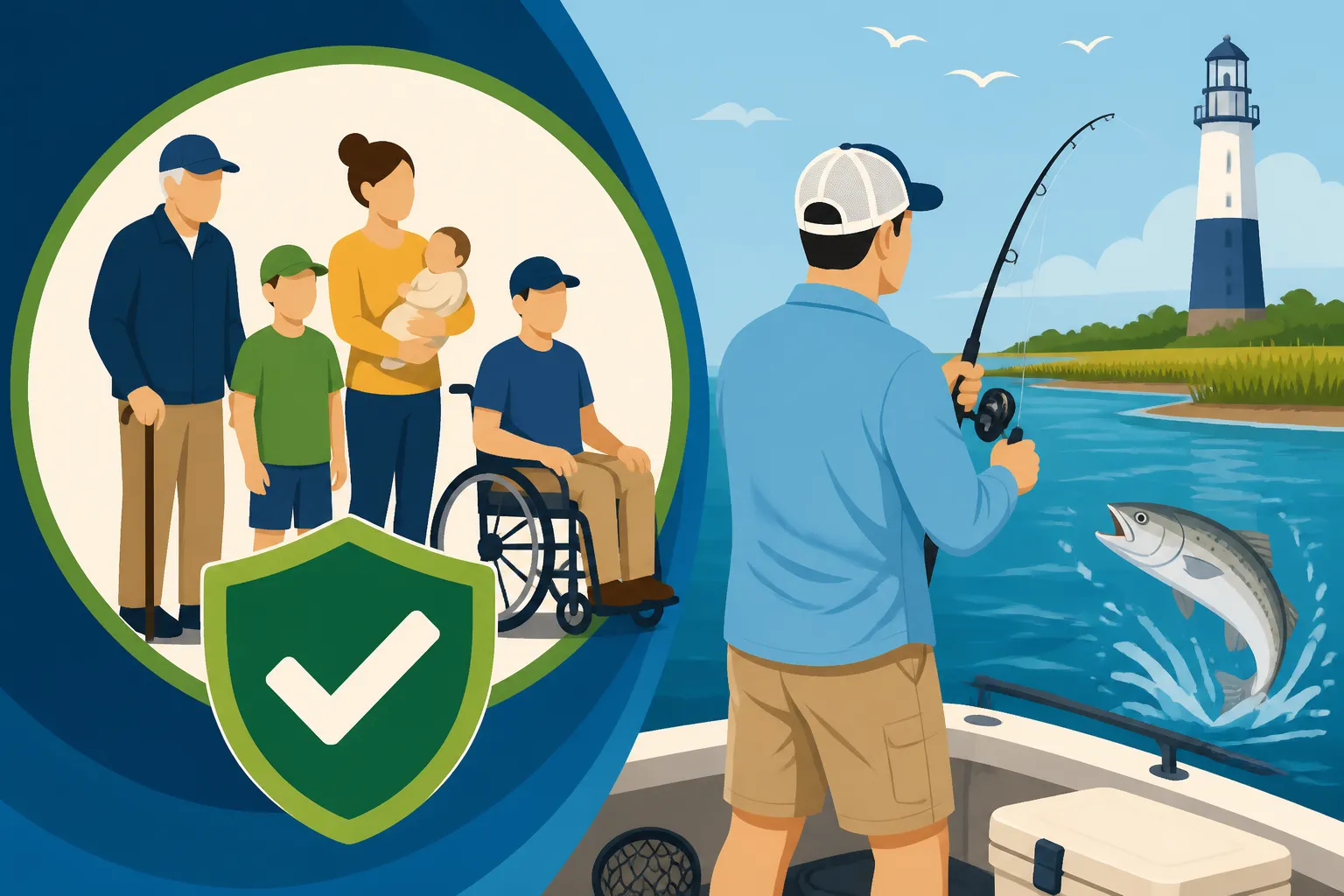
Who Is Exempt From the Mississippi Saltwater License?
Navigating the labyrinth of fishing regulations can feel like a chore, especially when you're trying to figure out if you even need another license just to dip a line in the salty waters of Mississippi. It's a common source of frustration, wondering if your existing license covers it all or if you're about to unwittingly break the law. This comprehensive guide is here to clear up that confusion, detailing precisely who is exempt from needing a Mississippi saltwater fishing license, so you can spend less time worrying and more time enjoying the Coast.
Understanding Mississippi's Saltwater Fishing License Basics
Before we dive into who doesn't need a saltwater license, it's crucial to first understand the general rule: most people who want to fish in Mississippi's marine waters do need one. This isn't just about collecting fees; it's a vital part of funding conservation efforts, habitat restoration, and fisheries management that keeps our saltwater ecosystems healthy and thriving for generations of anglers. If you're planning a trip to the beautiful Mississippi Gulf Coast and intend to cast a line, assume you'll need a license unless you fall into a specific exemption category.
Who Needs a Saltwater License?
Generally speaking, any person aged 16 through 64, who is a Mississippi resident, needs a Mississippi Saltwater Sportfishing License to legally fish in saltwater. This includes fishing from shore, a pier not covered by a commercial license, a private boat, a kayak, or any other non-chartered vessel. Non-residents, regardless of age, almost always need a non-resident saltwater license, with very few exceptions. It’s a pretty broad net, designed to ensure that everyone contributing to the fishery is also contributing to its upkeep.
The moment your lure or bait hits any water that's considered "marine" or "brackish" – think bays, estuaries, the Mississippi Sound, or the open Gulf – you're typically entering saltwater territory. This can sometimes be a fuzzy line, especially in tidal rivers, but the general rule is to err on the side of caution. If you're unsure, it's always best to check the specific regulations or purchase the license to avoid any legal headaches. Many anglers find the peace of mind knowing they're fully compliant is well worth the investment. You can find more details in our comprehensive Mississippi Saltwater Fishing License Guide.
Why the Distinction Between Freshwater and Saltwater?
It might seem tedious to have separate licenses for freshwater and saltwater, especially if you enjoy both types of fishing. However, the distinction is rooted in different ecological systems and management needs. Freshwater environments, like lakes, rivers, and reservoirs upstream, host different species and face distinct conservation challenges compared to the estuarine and marine environments of the coast. The Mississippi Department of Wildlife, Fisheries, and Parks (MDWFP) manages these resources with specific funding streams and regulatory frameworks.
The revenue generated from saltwater licenses directly supports programs focused on marine species like redfish, speckled trout, flounder, and offshore species. This includes things like stocking programs, research on fish populations, patrolling coastal waters, and protecting crucial coastal habitats like oyster reefs and seagrass beds. It's not just about what you catch; it's about preserving the entire intricate web of life that makes saltwater fishing in Mississippi so special. Without this dedicated funding, these vital coastal resources wouldn't receive the attention and protection they deserve.
Key Exemptions to the Mississippi Saltwater License
Now, for the information you've been waiting for! While the general rule is that you need a saltwater license, there are several specific exemptions. Knowing these can save you time and money, and prevent unnecessary worry. It’s always best to be absolutely sure you qualify for an exemption, as ignorance of the law is never a valid defense if a game warden checks your license.
Age-Based Exemptions: Kids and Seniors
Mississippi provides exemptions based on age, which is fantastic for encouraging youth to get involved in fishing and honoring our seasoned anglers.
-
Youth Anglers: Children under the age of 16 are generally exempt from needing a saltwater fishing license in Mississippi. This is a wonderful initiative that removes a barrier for families and allows young ones to experience the joy of fishing without the added cost or paperwork. Imagine a perfect summer day on the Gulf Coast, your child's eyes lighting up as they reel in their first speckled trout – no license needed for them, just pure excitement! This exemption applies to both residents and non-residents, making it easy for visiting families as well. You can learn more about this in our guide on Do Kids Need a Fishing License in Mississippi?.
-
Senior Anglers: Mississippi residents who are 65 years of age or older are also exempt from needing a saltwater fishing license. This exemption is a way to acknowledge the lifelong contributions of our senior citizens and ensure they can continue to enjoy the natural beauty and recreational opportunities that Mississippi offers. However, it's crucial for senior residents to carry proof of age and residency, such as a Mississippi driver's license or state ID, when fishing to present if requested by enforcement officers. This specific exemption is often detailed within information about Mississippi Senior Fishing License Discounts.
Disability and Military Exemptions
Mississippi also offers important exemptions for individuals with certain disabilities and for military personnel, recognizing their service and circumstances.
-
Disabled Residents: Mississippi residents who are permanently and totally disabled, and receiving disability benefits, may be exempt from the saltwater fishing license requirement. To qualify, you usually need to provide documentation of your disability. This often comes in the form of a special exempt license issued by the MDWFP. It’s not an automatic exemption, you typically need to apply for this specific license, which verifies your status. This is a thoughtful provision that ensures fishing remains accessible for everyone. Further details can often be found when looking into the Mississippi Disabled Veteran Fishing License or broader disability exemptions.
-
Military Personnel: Active-duty military personnel who are residents of Mississippi and stationed in the state may have specific licensing options or exemptions, although typically an active-duty military resident still needs a license, sometimes at a reduced rate or through a combined package like the Sportsman's License. Non-resident active-duty military personnel permanently stationed in Mississippi are generally considered residents for licensing purposes and can purchase resident licenses, including saltwater ones. It's always best for military members to check the latest regulations directly with the MDWFP, as their situations can sometimes be complex and specific.
Fishing from a Licensed Charter or Pier
Some of the most common exemptions come from where or with whom you're fishing. This is particularly relevant for many visitors and casual anglers on the Gulf Coast.
-
Fishing Aboard a Licensed Charter Boat: If you're fishing from a boat operated by a properly licensed Mississippi saltwater fishing charter captain, you typically do not need your own individual saltwater fishing license. The charter vessel and its captain carry a blanket license that covers everyone on board for recreational purposes. This is a huge convenience for tourists and those who just want a hassle-free fishing experience without worrying about individual permits. This is one of the most popular ways for visitors to experience Mississippi's excellent saltwater fishing. Our guide on Does a Fishing Charter Include the License in Mississippi? covers this in depth.
-
Fishing from a Commercially Licensed Pier or Facility: Similar to charter boats, if you're fishing from a public pier or other commercial facility that holds a valid commercial pier license from the state, you might be exempt from needing your own individual saltwater license. These facilities pay a larger fee to cover their patrons. However, this isn't universal for all piers. Some smaller, privately owned piers might not have this umbrella license, or local city piers might operate differently. Always look for signage or ask the pier attendant to confirm if their commercial license covers individual anglers. If in doubt, having your own license is the safest bet.
Specific Scenarios and Common Misconceptions
The world of fishing regulations often throws up unique situations that leave anglers scratching their heads. Let’s tackle some of those specific scenarios and clear up common misconceptions regarding saltwater fishing licenses in Mississippi.
What About Fishing on Border Waters or the Mississippi Sound?
Border waters, especially those connecting to other states, can be notoriously confusing. The Mississippi Sound, which is the body of water between the Mississippi mainland and the barrier islands, is unequivocally saltwater. Therefore, all standard Mississippi saltwater fishing license rules apply here. If you're fishing in the Mississippi Sound, you need a Mississippi saltwater license unless you meet one of the exemptions discussed above (age, disability, or on a licensed charter/pier).
When it comes to areas like the Mississippi River where it borders Louisiana, or waterways that extend into Alabama, things get a bit more nuanced. Generally, a Mississippi freshwater fishing license (and sometimes saltwater, depending on the specific location and species) would be required for the Mississippi River itself, especially if you're fishing purely on the Mississippi side. However, the exact rules for these shared or border waters can be complex, often involving reciprocal agreements between states. For saltwater purposes, it's safer to assume Mississippi regulations apply unless you're clearly within another state's jurisdiction with their respective license. You might find more information in a guide like Fishing Rules on the Mississippi-Louisiana Border Waters.
Are Tourists or Non-Residents Ever Exempt?
This is a frequently asked question, and the answer is almost always no for adults. If you are a non-resident adult (aged 16-64), you will need a non-resident Mississippi saltwater fishing license to fish in Mississippi's coastal waters. There are no blanket exemptions for tourists simply because they are visiting. The only ways a non-resident adult might be exempt are:
- Age: If the non-resident is under 16 years old, they are exempt, just like resident youth.
- Charter or Licensed Pier: If they are fishing from a commercially licensed charter boat or a publicly licensed fishing pier, their individual license requirement is covered by the operation's master license.
Otherwise, a non-resident license is mandatory. This is standard practice across most states to ensure that all users of the natural resources contribute to their management, regardless of their home state. Visitors looking for Mississippi Fishing License Requirements for Tourists will find this to be a key point.
Does My Freshwater License Cover Saltwater Fishing?
A common misconception is that a general Mississippi fishing license covers all types of fishing within the state, whether freshwater or saltwater. This is incorrect. A standard Mississippi freshwater fishing license does not cover saltwater fishing. These are entirely separate licenses, and obtaining one does not automatically grant you privileges for the other.
If you plan to fish in both freshwater and saltwater during your trip, you will need both a freshwater license and a saltwater license, unless you meet specific exemptions for each. For example, a resident senior might be exempt from both, but a 40-year-old resident would need both licenses to fish legally in both environments. This distinction is crucial and helps ensure that the funds are allocated to the correct conservation efforts for each unique ecosystem. Always double-check your licenses before heading out to ensure you're covered for the specific type of water you plan to fish. Details on the broader Mississippi Fishing License Guide can clarify overall requirements.
Ensuring Compliance and Avoiding Penalties
It's easy to get caught up in the excitement of a fishing trip, but ignoring regulations can quickly turn a fun day into a costly one. Understanding how to verify your status and the repercussions of non-compliance is essential for every angler.
How to Verify Your Exemption Status
The best way to verify if you truly qualify for an exemption is to consult the official source: the Mississippi Department of Wildlife, Fisheries, and Parks (MDWFP). Their official website is the most up-to-date and authoritative resource for all fishing regulations. You can also call their offices directly. While friendly advice from fellow anglers is great, it’s not legally binding.
When an exemption seems to apply, like for age or disability, ensure you have the necessary documentation readily available. For seniors, this means a state-issued ID or driver's license showing your birth date. For disabled individuals, it means your MDWFP-issued exempt license or relevant proof of disability. For those fishing on a charter, confirm with the captain that their vessel holds the proper commercial license that covers all passengers. Remember, enforcement officers will ask for proof, not just your word. Sometimes, a quick search on an online retailer like Amazon for "Mississippi fishing regulations book" might yield an annual publication that consolidates the rules for easy reference, though always cross-reference with the official MDWFP site for the absolute latest updates.
Consequences of Fishing Without the Proper License
Fishing without the required saltwater license in Mississippi is a violation of state law, and it carries real consequences. It’s not just a slap on the wrist; you could face significant fines, confiscation of your fishing gear, and even the loss of your fishing privileges for a period. The exact penalties can vary depending on whether it’s a first offense, the discretion of the enforcing officer, and the specifics of the situation.
A common scenario might involve a game warden checking licenses during a routine patrol of the Mississippi Sound. If you're found to be fishing without a valid license and don't meet any exemption criteria, you'll likely receive a citation. This can ruin your day and cost you far more than the price of the actual license. For many, the peace of mind that comes with being fully compliant and contributing to conservation efforts is invaluable. Our article What Happens If You Fish Without a License in Mississippi? delves deeper into these consequences. Always be prepared, be compliant, and enjoy your time on the water responsibly.
Here’s a quick overview of common saltwater license situations:
| Angler Category | Resident (Age 16-64) | Non-Resident (Age 16-64) | Under 16 (Resident/Non-Resident) | 65+ (Mississippi Resident) |
|---|---|---|---|---|
| Fishing Own Boat/Shore | Required | Required | Exempt | Exempt (with ID) |
| Fishing Licensed Charter | Exempt | Exempt | Exempt | Exempt |
| Fishing Licensed Pier | Potentially Exempt* | Potentially Exempt* | Exempt | Exempt |
| Disabled Mississippi Resident | Exempt (with MDWFP-issued special license) | Not applicable | Exempt | Exempt |
Note: "Potentially Exempt" means the pier itself must hold a commercial blanket license covering its patrons. Always verify with the specific pier operator.
Final Thoughts on Saltwater License Exemptions
Navigating the rules for a Mississippi saltwater fishing license doesn't have to be a headache. The key is to understand the general requirements first and then look for the specific exemptions that might apply to you. Remember that these regulations are in place to protect and enhance the incredible fisheries we have in Mississippi, ensuring that future generations can enjoy the same opportunities we do today. Whether you're a seasoned local or a visiting tourist, a responsible angler ensures they're fishing legally. If ever in doubt, getting the license is the safest and most conscientious choice. Happy fishing on the beautiful Mississippi Coast!
Disclaimer
The information provided in this guide is intended for general informational purposes only and does not constitute legal advice. Fishing regulations can change frequently, and interpretations may vary. Always consult the official Mississippi Department of Wildlife, Fisheries, and Parks (MDWFP) website or contact their offices directly for the most current and accurate regulations before engaging in any fishing activities.