Mississippi Fish Cleaning Station Rules
There’s nothing quite like the satisfaction of a successful fishing trip in Mississippi, reeling in a beautiful catch from our abundant waters, be it a hefty largemouth bass from Ross Barnett Reservoir or a speckled trout from the Gulf Coast. But then comes the moment of truth: cleaning your fish. This is where things can get a little murky, especially if you’re unsure about the local rules for fish cleaning stations. Many anglers, myself included, have stood by a public cleaning station, knife in hand, wondering exactly what's allowed and what's not, worried about breaking an unwritten rule or, worse, a state regulation. This guide will meticulously break down the Mississippi fish cleaning station rules, ensuring your post-fishing cleanup is as smooth and legal as your cast.
Understanding Mississippi Fish Cleaning Station Rules
Cleaning your catch is an essential part of the fishing experience, but it’s often overlooked in terms of regulations. In Mississippi, these rules aren't just suggestions; they're in place for very good reasons, impacting everything from public health to the health of our aquatic ecosystems.
The Purpose of Cleaning Stations
Think about the last time you saw a pristine public boat ramp or a well-maintained state park. The cleanliness didn't happen by accident, and dedicated fish cleaning stations play a huge role in keeping our popular fishing spots tidy and functional. These facilities are designed to offer anglers a convenient, designated place to process their catch, moving the mess away from boat ramps, picnic areas, and swimming spots.
More importantly, these stations serve as a critical component in environmental protection. When fish guts and scales are improperly disposed of directly into the water, they can introduce excess nutrients that lead to algal blooms, deplete oxygen levels, and harm fish populations. They can also attract scavengers, potentially disrupting local wildlife behavior and creating unsanitary conditions for other visitors. By centralizing cleanup efforts, the state can better manage waste and mitigate these negative impacts, ensuring our beautiful waterways remain healthy for generations to come.
General State-Wide Regulations
While specific rules might vary slightly depending on the management authority of a particular lake or coastal area, there are overarching statewide regulations that all anglers should be aware of. Generally, Mississippi Department of Wildlife, Fisheries, and Parks (MDWFP) oversees these guidelines, aiming for consistency wherever possible. The core principle revolves around proper waste disposal. You cannot simply toss fish remains back into the water at or near public access points. This is a common misconception, especially for those new to the sport or visiting from states with different practices.
The rules are clearly laid out within the broader framework of Mississippi Fishing Regulations Explained. Anglers are typically required to utilize the provided waste receptacles, which are often specifically designed to handle organic waste. These regulations also emphasize maintaining cleanliness at the station itself, meaning you should rinse down surfaces after use to prevent the spread of bacteria and keep the area inviting for the next angler. Ignoring these basic tenets can lead to unwanted attention from law enforcement, not to mention the ire of fellow fishermen who value clean facilities.
Specific Regulations by Waterbody Type
Mississippi boasts an incredible diversity of fishing environments, from vast freshwater reservoirs to bustling coastal waters. It makes sense, then, that the specific rules for fish cleaning stations might adapt to suit these different ecosystems and the species caught within them.
Freshwater Lakes and Reservoirs
Our freshwater treasures like Ross Barnett Reservoir Fishing Guide, Grenada Lake, and Sardis Lake are magnets for anglers chasing crappie, bass, and catfish. At these popular inland destinations, fish cleaning stations are often strategically placed near boat ramps or campgrounds. The primary concern here is the management of organic waste and the prevention of aquatic invasive species. When cleaning your fish, all carcasses, entrails, and scales must be placed into the designated waste containers. These are usually large, robust bins designed for frequent collection by park staff.
It's crucial not to dispose of any non-organic waste, such as plastic bags, bait containers, or fishing line, in these bins. They are strictly for fish waste. Additionally, anglers should be mindful of leaving any fish parts on the ground around the station. Not only is this unsightly and unhygienic, but it can also attract unwanted wildlife like raccoons, possums, or even coyotes, potentially leading to human-wildlife conflicts. Always use the facilities as intended, rinsing down the station thoroughly with the provided hose (if available) after you've finished, leaving it clean for the next person.
Coastal and Marine Cleaning Stations
Down on the Mississippi Gulf Coast Fishing Guide, the rules for cleaning stations take on an added dimension, particularly concerning the types of species caught and the sheer volume of anglers. Coastal cleaning stations, often found at marinas, public piers, and boat launches in places like Biloxi, Gulfport, and Bay St. Louis, are designed to handle everything from speckled trout and redfish to snapper and flounder. The primary difference here is the increased potential for species-specific waste, which, if not properly managed, can contribute to localized pollution or attract larger marine scavengers.
While the general rule of using designated disposal bins still applies, some coastal areas might have specific guidelines regarding larger fish carcasses or offshore catches. For instance, if you're out deep-sea fishing and catch a sizable amberjack or snapper, some charters might clean the fish offshore, disposing of carcasses in deeper waters where it's considered environmentally sound. However, bringing these larger remains back to an inshore cleaning station often means they must fit into the provided bins. Always check with the local marina or harbor master for any specific rules, especially if you're dealing with a particularly large catch from a Mississippi Saltwater Fishing License Guide excursion. Improper disposal can impact shellfish beds or local marine life, making adherence to these rules even more vital.
River Systems and Smaller Waterways
Fishing along the mighty Mississippi River Fishing Guide, the Pearl River, or other smaller river systems presents its own set of challenges and, consequently, rules. These environments are often more dynamic, with fluctuating water levels and currents. Public cleaning stations might be less common than at large lakes or coastal marinas, but the principle of responsible waste disposal remains paramount. Where stations are available, they function much like those at freshwater lakes, requiring all fish remains to be placed in appropriate receptacles.
However, many river access points might not have dedicated cleaning stations. In such cases, anglers are expected to take their fish waste with them for proper disposal at home or at a suitable municipal waste facility. It is strictly prohibited to dump fish carcasses directly into river banks, shallow eddies, or along popular access areas. This practice can lead to health hazards, attract pests, and contribute to unsightly conditions that detract from the natural beauty of these crucial waterways. Even if you're cleaning a few catfish or bream caught from a quiet stretch of the Pearl River, ensuring proper disposal is key to preserving these vital habitats.
Proper Waste Disposal and Environmental Impact
The seemingly simple act of cleaning a fish has significant implications, far beyond just keeping an area tidy. Understanding why proper waste disposal is so critical can help anglers appreciate and adhere to the rules more diligently.
The Importance of Designated Disposal
Designated fish cleaning stations and their associated waste disposal systems aren't just for convenience; they are a frontline defense against environmental degradation. When fish waste—carcasses, guts, scales—is discarded indiscriminately into waterways, it breaks down, consuming oxygen as it decomposes. This process, called eutrophication, can lead to dangerously low oxygen levels (hypoxia) that stress or even kill other aquatic life, including the very fish species we enjoy catching. Imagine a popular fishing spot suddenly experiencing a fish kill because too much organic material was dumped in a confined area.
Moreover, improper disposal can spread diseases and parasites among fish populations. If an angler cleans a fish infected with a pathogen and throws the remains into the water, those pathogens can quickly spread to other healthy fish. It can also introduce non-native species inadvertently, for example, if live bait from another region gets mixed in with waste. Proper disposal in sealed containers or designated facilities minimizes these risks, acting as a crucial barrier to protect the ecological balance of Mississippi's diverse aquatic environments. It’s a collective responsibility that truly makes a difference.
What to Do with Fish Carcasses and Guts
Once you've filleted your prize catch at a public cleaning station, the remaining carcasses, guts, and scales need to go somewhere. In Mississippi, this means utilizing the designated, often clearly marked, waste containers at the facility. These bins are typically sturdy, sometimes lidded, and are regularly serviced by park or local authorities. The key is to get all the waste into the receptacle, ensuring nothing falls on the ground or gets left behind on the cleaning table.
For those situations where a dedicated station isn't available, or if you prefer to clean your fish away from public view, you'll need a plan for your fish remains. Many anglers choose to bag their waste securely and dispose of it with their regular household trash, or at a county landfill if permitted. Heavy-duty garbage bags, perhaps even double-bagged, are your best friend here, especially if you're traveling a distance to a disposal point. You can find robust, odor-sealing options on platforms like Amazon that are perfect for this purpose. Whatever method you choose, avoid burying fish waste in shallow ground near water bodies, as animals can easily unearth it, and decomposition can still impact nearby water quality.
Preventing Contamination and Spread of Disease
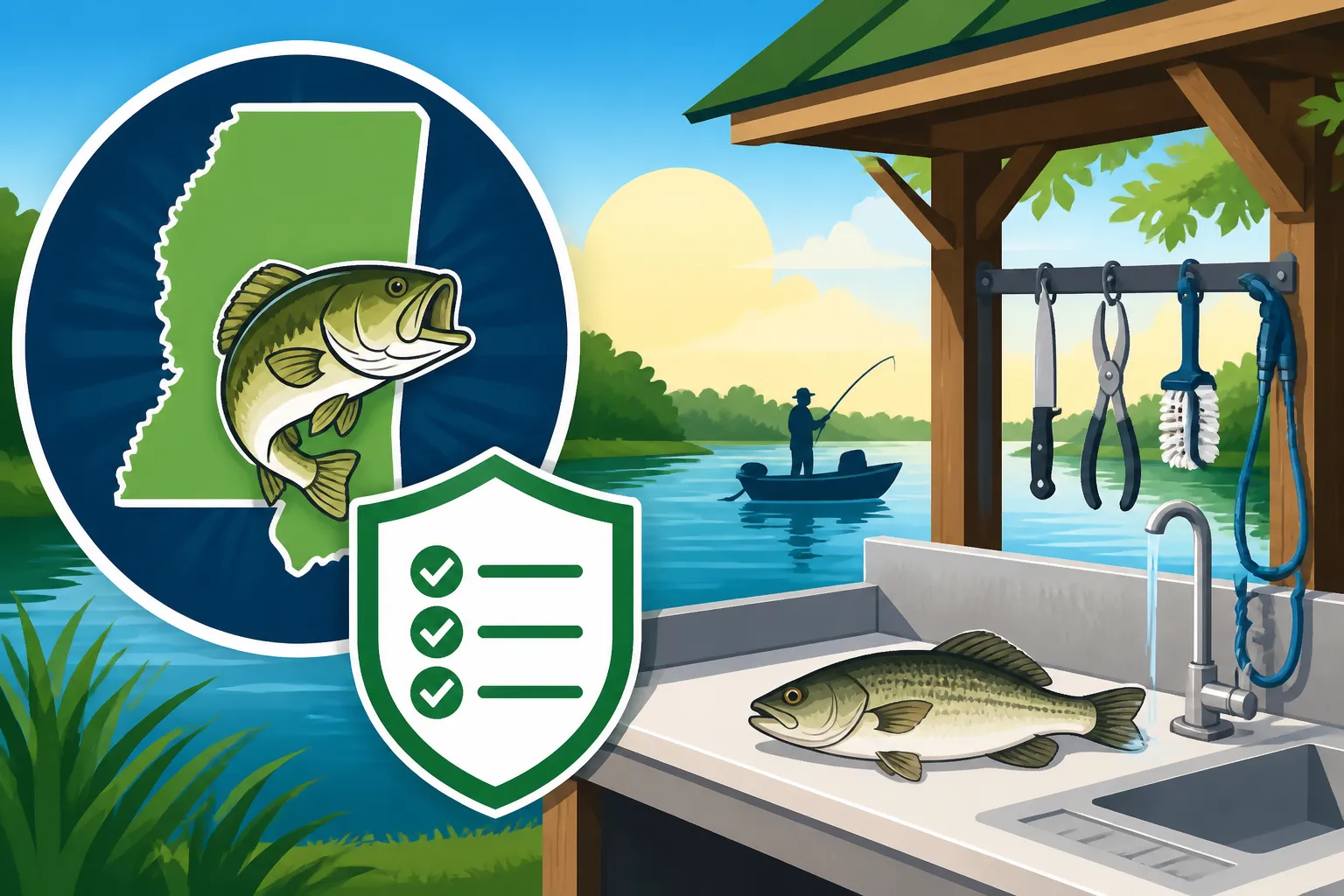
The cleanliness of a fish cleaning station is paramount, not just for aesthetics but for preventing the spread of bacteria and diseases. Anglers should always make an effort to clean the station after use. This typically involves rinsing down the cutting surfaces and surrounding areas with a hose, if one is provided. This simple act washes away blood, scales, and any lingering tissue that could harbor bacteria or attract insects and scavengers.
Beyond the station itself, personal hygiene is incredibly important. Always wash your hands thoroughly with soap and water (or use hand sanitizer if water isn't available) after handling raw fish, especially before touching other surfaces, your face, or food. This prevents the transfer of pathogens like Vibrio bacteria, which can be present in saltwater fish, or various freshwater bacteria. Being diligent about cleaning up after yourself also shows respect for fellow anglers and the environment, upholding the community spirit that makes fishing in Mississippi so enjoyable.
Consequences of Non-Compliance and Enforcement
Ignoring the rules, whether out of ignorance or deliberate disregard, carries real consequences in Mississippi. The state's wildlife agencies are committed to protecting our natural resources, and that includes enforcing regulations around fish cleaning and waste disposal.
Penalties and Fines for Violations
Let's be blunt: fishing without a license or improperly disposing of fish waste isn't just a minor infraction. It can lead to significant penalties. If you're caught violating Mississippi fish cleaning station rules, you could face fines, and in some cases, even more severe repercussions. The exact amount of the fine can vary depending on the severity of the offense, whether it's a first-time violation, and the specific regulations governing the area where the infraction occurred. For a general overview, it's worth checking out information on Mississippi Fishing License Penalties and Fines, as these often cover a broader range of fishing-related violations, including waste disposal.
Conservation officers and park rangers are regularly patrolling popular fishing spots, boat launches, and cleaning stations to ensure compliance. They are not just looking for license violations but also for environmental infractions. A seemingly small act like tossing fish guts directly into the lake can lead to a citation that puts a damper on an otherwise fantastic day of fishing. The purpose of these penalties isn't to punish anglers unnecessarily, but to deter behavior that harms our shared natural resources and maintains fair access for everyone.
Role of Wildlife Agencies and Public Reporting
The Mississippi Department of Wildlife, Fisheries, and and Parks (MDWFP) is the primary agency responsible for setting and enforcing fishing regulations, including those related to fish cleaning stations. Their conservation officers are highly trained professionals dedicated to protecting Mississippi's wildlife and habitats. They play a critical role in educating the public, conducting patrols, and investigating reported violations.
However, the MDWFP can't be everywhere at once, and that's where responsible anglers come in. Public reporting plays a vital role in upholding these regulations. If you witness someone improperly disposing of fish waste or vandalizing a cleaning station, you can report it to the MDWFP. While confrontation is generally discouraged, gathering information like vehicle descriptions, license plate numbers, or a discrete photo (if safe and legal) can be incredibly helpful to authorities. Your vigilance helps ensure that our fishing spots remain clean, healthy, and enjoyable for all, truly embodying the spirit of responsible stewardship.
Best Practices and Alternatives for Anglers
While public fish cleaning stations offer convenience, knowing how to use them respectfully and understanding your options for fish cleaning can enhance your overall fishing experience in Mississippi.
Essential Etiquette at Cleaning Stations
Using a public fish cleaning station isn't just about following the rules; it's about showing courtesy and respect to your fellow anglers and the facility itself. One of the golden rules is to keep your session efficient. If there's a line, be mindful of others waiting. Don't monopolize the space or dawdle. Get your fish cleaned, dispose of the waste, and move on. After you're done, always, always rinse down the cutting surface, sink, and surrounding area with the provided hose or water source. This removes blood, scales, and slime, leaving a clean workspace for the next person.
Avoid leaving personal items, bait buckets, or coolers cluttering the station. Keep your gear organized and close to you. If the waste bins are full, do not pile fish carcasses next to them. This attracts pests and creates a health hazard. Instead, find an alternative disposal method, such as double-bagging your waste and taking it to a dumpster or home for proper disposal. Remember, these stations are a shared resource, and maintaining them relies on everyone doing their part. Your good etiquette makes the experience better for everyone.
Cleaning Fish at Home or on Your Boat
For many anglers, the public cleaning station isn't always the best or most convenient option. Perhaps you prefer the privacy of cleaning your catch at home, or maybe you're on a multi-day trip and need to process fish on the water. Cleaning your fish at home provides complete control over the process. You can use your own tools, take your time, and ensure all waste is properly bagged and disposed of with your household trash. This is often the preferred method, especially if you have a large catch or specific cutting preferences.
For cleaning fish while on your boat, especially on larger vessels or those equipped for offshore fishing, portable fillet tables are a fantastic solution. These sturdy, often collapsible tables can be mounted to your boat's rail or come with their own stand. After cleaning, the waste can be bagged and brought back to shore for disposal. Alternatively, in certain offshore scenarios (always verify local regulations), larger fish carcasses might be permitted for disposal directly into deeper waters, far from shore, where natural decomposition can occur without impacting nearshore environments. You can find excellent portable fillet tables and specialized fish processing tools on Amazon, making on-the-go cleanup much easier and more compliant with regulations, especially when you're far from a public station.
Finding and Utilizing Mississippi's Cleaning Facilities
Knowing where to find these essential facilities can save you a lot of hassle after a long day on the water. Most major public boat launches, state parks, and larger marinas across Mississippi's freshwater lakes and reservoirs, as well as along the Gulf Coast, are equipped with fish cleaning stations. For instance, popular spots along the Mississippi Gulf Coast, or major lakes mentioned in the Ross Barnett Reservoir Fishing Guide, are likely to have dedicated facilities.
The best way to locate them is to check the specific website for the park, marina, or waterway you plan to visit. Many state park websites and local tourism guides will explicitly list amenities, including fish cleaning stations. Additionally, the MDWFP website sometimes offers resources or maps that highlight these facilities. Another great resource is simply asking local bait shops or fellow anglers; they often have the most up-to-date information on facilities in the area. Make it a habit to identify these spots before you head out, ensuring a smooth and responsible end to your fishing adventure. You can find a useful list of places in our article on Mississippi Fish Cleaning Station Locations.
Disclaimer
Please note that fishing regulations, including those concerning fish cleaning stations, can change. While this guide aims to provide the most current and accurate information, it is always the angler's responsibility to consult the official Mississippi Department of Wildlife, Fisheries, and Parks (MDWFP) regulations before heading out. Local rules at specific parks or marinas may also apply. This information is for educational purposes and should not be considered legal advice.