What to Bring on a Crappie Guide Trip
You’ve booked that crappie guide trip in Mississippi, the excitement is bubbling, but now you’re staring at your fishing gear, wondering: what exactly do I need to bring, and what can I leave at home? It's a common dilemma; you want to be prepared for anything, but you certainly don't want to overpack and burden yourself or your guide. This guide will help you sort through the essentials, the nice-to-haves, and the definite no-nos, ensuring you're ready for a fantastic day chasing slabs on a Mississippi lake.
Getting Your Head Straight Before You Pack: Understanding What a Guide Offers
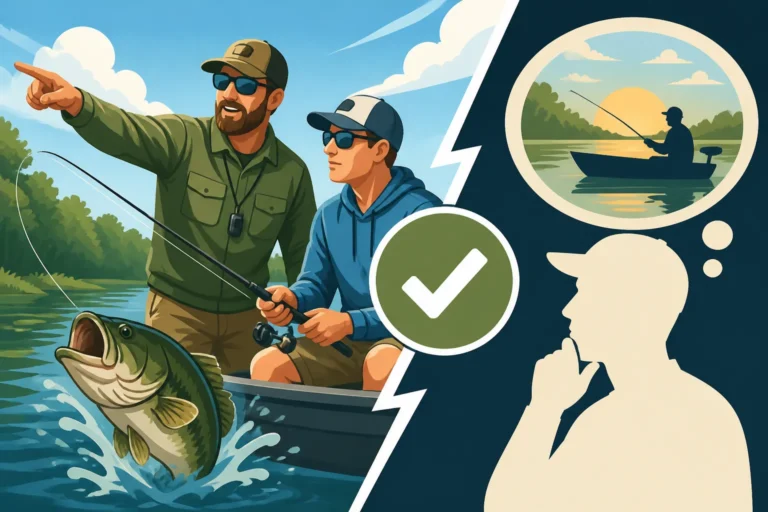
One of the biggest advantages of hiring a crappie guide is that they typically provide most of the heavy-duty gear, bait, and local expertise. This isn't like heading out on your own where you're responsible for every single item. A good guide's reputation is built on putting clients on fish and ensuring a comfortable, productive day, and that includes having the right equipment.
What Most Crappie Guides Typically Provide
When you book a trip, especially with a reputable guide, they'll almost always supply the core fishing tools. This usually includes the boat, often a specialized crappie rig with all the bells and whistles like livewells, rod holders, and advanced electronics to find those elusive brush piles. They'll also provide the rods, reels, and tackle specific to crappie fishing in that particular lake. Think of all those jigs, minnows, and leaders you won't have to buy or tie!
Many guides also take care of the live bait, which is huge, as finding quality bait can sometimes be a challenge. They'll have a cooler stocked with minnows, perhaps some crickets or worms depending on the season and target species. They often even have bottled water and a few snacks on board. The idea is to make your experience as seamless as possible. This is particularly true for guides operating on popular crappie destinations like Grenada Lake or Sardis Lake, where specialized tactics like spider rigging are common. You can often find details on what's included by checking a guide's profile on platforms like FishingBooker, which makes comparing offerings straightforward. Knowing this upfront helps immensely with your packing strategy. What a Crappie Fishing Guide Provides is usually clearly outlined.
Why Confirming with Your Specific Guide is Crucial
While there are general expectations, every guide is a little different. Before you start rummaging through your tackle box, make sure you have a quick chat or look at the booking details provided by your specific guide. Some guides might be more bare-bones, expecting you to bring your preferred rod and reel, while others are all-inclusive.
For instance, if you have a favorite ultralight crappie setup that you're just dying to use, ask if you can bring it. Most guides are happy to accommodate, as long as it doesn't interfere with their preferred methods or take up too much space. Communication is key here. Don't assume anything; a quick text or call a few days before your trip can clear up any confusion and ensure you're both on the same page, avoiding any awkward moments at the dock. This is also a good opportunity to ask about specific lake conditions or Best Bait for Crappie in Mississippi for that particular time of year.
Your Non-Negotiable Essentials: What Every Angler Needs to Bring
Even with a guide providing much of the equipment, there are certain personal items that are absolutely essential for a successful and legal day of fishing. These are things that no guide can provide for you, and without them, your trip might be cut short.
Valid Mississippi Fishing License
This is probably the single most important item. No ifs, ands, or buts – you must have a valid Mississippi fishing license unless you fall under a specific exemption (like certain age groups or fishing on designated free days). Even though you're with a guide, you are still legally responsible for possessing your own license.
Before your trip, double-check that your license is current and covers the type of fishing you'll be doing (freshwater, or saltwater if you're on the coast, although most crappie trips are freshwater). You can often purchase or renew licenses online through the Mississippi Department of Wildlife, Fisheries, and Parks (MDWFP) website, or at many sporting goods stores. Have it readily accessible, either a physical copy or a digital one on your phone, in case a game warden checks. Don't let a simple oversight ruin your day on the water! You can learn more about Mississippi Fishing License Guide and Mississippi Fishing License Costs to ensure you're prepared.
Photo ID
Along with your fishing license, a government-issued photo ID is necessary. This is especially true if you're a resident taking advantage of resident license prices or if you're questioned about your identity. Think driver's license, state ID, or passport. It's not just for official checks; it's also helpful in case of any emergency or if you need to prove your age for a senior or youth exemption. It’s a good practice to carry it with you whenever you're out and about, especially in remote fishing locations.
Appropriate Clothing for the Weather
Mississippi weather can be famously unpredictable, swinging from mild to scorching or rainy in a single day. Layering is always your best friend. Even on a hot summer morning, the boat ride across a large reservoir like Ross Barnett can feel chilly.
Bring lightweight, breathable clothing for warmer days – think moisture-wicking shirts and shorts. For cooler months, layers are essential: a base layer, a fleece or sweater, and a waterproof/windproof outer shell. Don't forget a rain jacket, even if the forecast looks clear. You never know when a pop-up shower might roll through. A wide-brimmed hat or a baseball cap is also crucial for sun protection, regardless of the season. Remember, you'll be spending hours exposed to the elements.
Comfort, Safety, and "Just-in-Case" Items
While your guide handles much of the logistics, there are several personal items that will significantly enhance your comfort and safety, and ensure you're ready for any minor hiccups.
Sun Protection: Sunscreen, Sunglasses, Hat
The sun in Mississippi, especially reflecting off the water, can be intense. Sunburn isn't just uncomfortable; it can ruin the rest of your trip or even your vacation. Generously apply waterproof sunscreen with a high SPF before you leave, and reapply throughout the day.
Polarized sunglasses are non-negotiable for crappie fishing. They not only protect your eyes from harmful UV rays but also drastically reduce glare on the water, allowing you to see submerged structure, baitfish, and even crappie cruising below the surface. A good hat – wide-brimmed for maximum protection or a baseball cap – will keep the sun off your face and neck. Think about how many hours you'll be out there, and you'll realize just how important these items are.
Snacks and Drinks
While some guides might offer basic refreshments, it’s always a good idea to bring your own favorite snacks and drinks. A guided crappie trip can easily last half a day or more, and staying hydrated and fueled is important for maintaining energy and focus. Pack easy-to-eat items like granola bars, fruit, sandwiches, or trail mix.
Bring plenty of water or your preferred non-alcoholic beverages. A small personal cooler can be very handy for this, as it keeps your items separate and easily accessible. Just ask your guide beforehand if there's space on the boat for a small cooler. Many guides are happy to have you bring your own, especially if you have dietary preferences or just want more options.
Rain Gear or Waterproof Outerwear
Even if the forecast promises blue skies, a light, packable rain jacket is a smart addition to your bag. Mississippi weather can change on a dime, and a sudden downpour can quickly turn an enjoyable trip into a miserable one if you're soaked. Look for something that's truly waterproof, not just water-resistant, and breathable so you don't get clammy underneath.
A good set of rain gear will also act as a windbreak, which can be surprisingly welcome on colder mornings or when cruising at speed across a large lake. There's nothing worse than being cold and wet when the crappie bite turns on, making you want to call it quits early. Always be prepared for Mother Nature's curveballs.
Camera or Smartphone
You're going to want to capture those memories, especially when you land that trophy slab! A smartphone is usually perfectly adequate for photos and videos. Just make sure it’s fully charged before you leave and consider bringing a portable power bank, especially if you use your phone for navigation apps or other functions.
If you bring a dedicated camera, ensure it’s protected from water. A waterproof case or a dry bag is an excellent investment. You’ll be taking pictures near water, fish, and possibly bait, so splashes are almost guaranteed. Plus, it's always fun to share your success with friends and family back home.
Small Personal Bag or Backpack
You'll need a place to keep all your personal items organized and protected. A small, soft-sided cooler or a waterproof backpack is ideal. This keeps your extra layers, snacks, phone, keys, wallet, and anything else you deem essential contained and dry. It also makes it easy to carry your gear on and off the boat.
Avoid hard-sided luggage or overly bulky bags, as space on a fishing boat, even a large crappie rig, can be limited. A soft bag can be stowed more easily under seats or in compartments, keeping the deck clear and safe. Many guides appreciate it when clients bring minimal, compact bags.
Medications and Personal First-Aid Items
If you take any prescription medications, make sure they are packed in an easily accessible, waterproof bag. It's also wise to bring any over-the-counter essentials you might need, such as pain relievers, allergy medication, or motion sickness pills if you're prone to seasickness, even on calm lake waters.
While your guide will likely have a basic first-aid kit, it's a good idea to carry a small personal kit with things like band-aids, antiseptic wipes, and any specific items for personal needs (e.g., blister pads, insect repellent). Minor cuts from hooks or scrapes can happen, and quick treatment makes a big difference.
The "Leave It At Home" List: What Not to Burden Your Trip With
Knowing what to leave behind is just as important as knowing what to bring. Overpacking can create clutter on the boat, make it harder for the guide to move around, and simply be a hassle for you.
Your Entire Tackle Box (or Most of It)
This is perhaps the most common mistake anglers make. Unless you've specifically discussed bringing your own rods and reels, leave your personal tackle box at home. Your guide is providing the specialized crappie gear, and they know exactly what works for the current conditions on the lake.
Bringing a huge tackle box filled with bass lures or saltwater rigs will only take up valuable space. If you feel compelled to bring a few of your "lucky" jigs or a specific crappie lure you've had success with, that's fine, but keep it to a very small, organized tray that fits easily in your personal bag. Trust your guide's expertise; that's why you hired them!
Excessive Rods and Reels
Unless otherwise instructed, plan on using the rods and reels your guide provides. They’ll have setups specifically tuned for crappie fishing – often sensitive rods for detecting light bites and reels spooled with the appropriate line. Bringing multiple personal rods will simply clutter the boat and could even pose a tripping hazard.
If you have a cherished rod you must use, clear it with your guide first. They can advise on whether it's suitable for their techniques and if there's space to store it safely. A common scenario for a guide to provide gear is when multiple clients are spider rigging, as the uniform rod lengths and setups are essential.
Loud Music or Excessive Gadgets
While a little background music might be okay if everyone agrees, blasting your favorite tunes or being constantly glued to your phone can detract from the experience for others and even disturb the guide's concentration. The beauty of a fishing trip is often the tranquility and the connection with nature.
Minimize distractions. Put your phone on silent or vibrate. Focus on the fishing, the scenery, and the conversation. You’re there to relax, learn, and catch fish, not to be absorbed by screens. Remember, your guide is working to put you on fish, and excessive noise or distractions can make their job harder.
Unnecessary Valuables
It's always a good idea to leave expensive jewelry or other non-essential valuables at home. You'll be on a boat, around water, and potentially handling messy bait and fish. Things can get lost, damaged, or simply wet. Keep your essentials minimal and secure. If you do bring items like a wallet or car keys, ensure they are in a waterproof bag within your personal backpack.
By focusing on the essentials and trusting your guide's provisions, you'll be able to enjoy your Mississippi crappie trip to the fullest, without the stress of overpacking or forgetting something critical. Whether you're heading to Enid Lake Fishing Guide or exploring Mississippi Crappie Regulations by Lake, being prepared makes all the difference for a fantastic day on the water.
| Category | Must-Haves | Good-to-Haves | Guide Typically Provides |
|---|---|---|---|
| Legal & ID | Valid Fishing License | ||
| Photo ID | |||
| Personal Comfort | Appropriate Layered Clothing | Extra Jacket/Sweater | |
| Rain Gear | |||
| Sunscreen | Small personal cooler (check with guide) | Water (some guides) | |
| Polarized Sunglasses | Lip Balm with SPF | ||
| Wide-Brimmed Hat | |||
| Food & Drink | Personal Snacks | Favorite drinks | Basic snacks (some guides) |
| Water bottle | |||
| Safety & Health | Any Prescription Medications | Basic First-Aid Items | Basic First-Aid Kit |
| Motion Sickness Medicine (if needed) | Insect Repellent | ||
| Accessories | Small Personal Bag/Backpack | Camera/Smartphone (with protection) | |
| Portable Phone Charger | |||
| Fishing Gear | Boat, Rods, Reels, Tackle, Bait |
Disclaimer
This article is for general informational purposes only and does not constitute professional advice. Laws, prices and regulations vary by location and change over time. Consult a qualified professional for guidance on your specific situation.